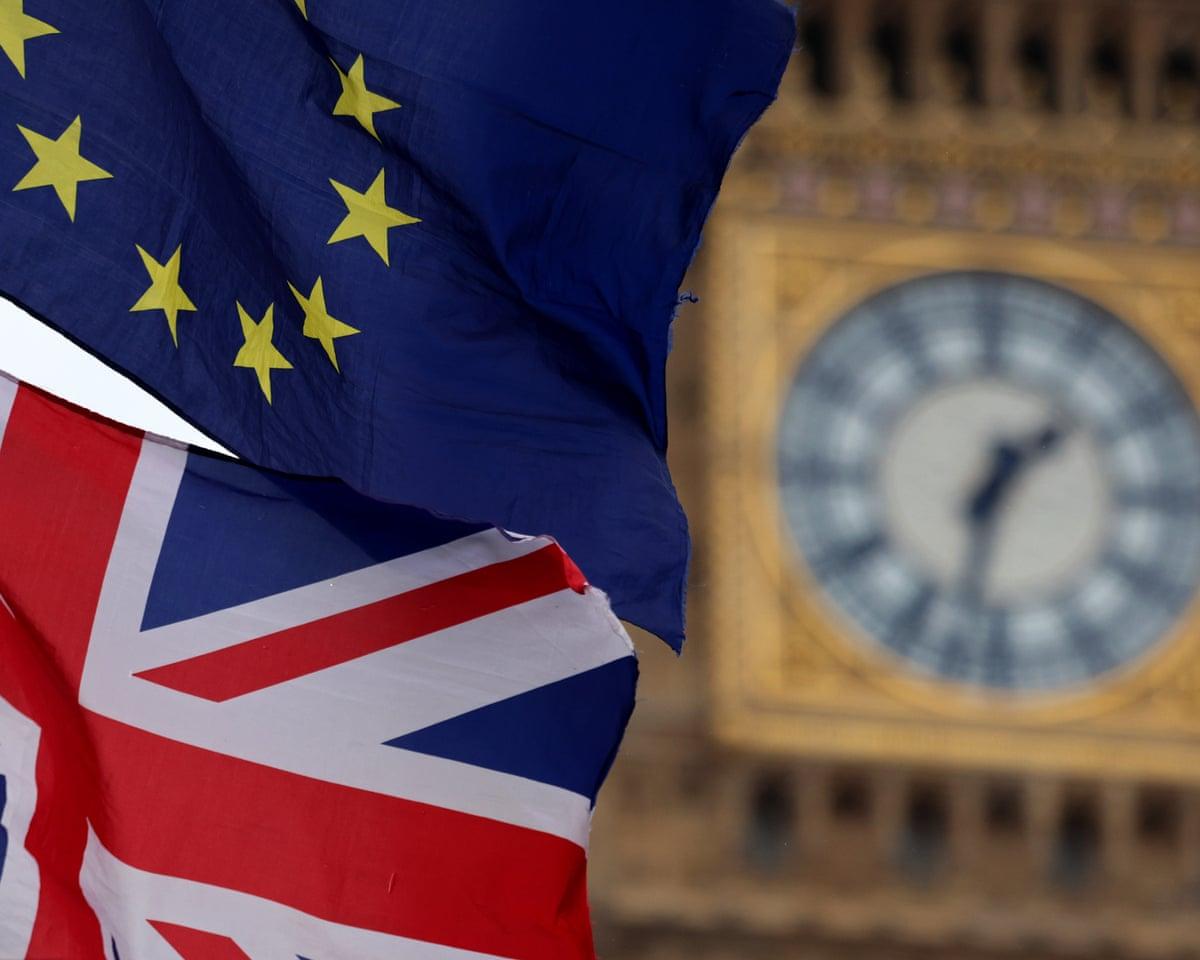
A House of Lords committee has cautioned that new agreements between the UK and European Union will create mounting demands on parliament to examine EU legislation, as the government prepares to deepen ties with the bloc ahead of a summit scheduled for 20 November 2026.
According to The Guardian, Prime Minister Andy Burnham is set to meet EU leaders in Brussels and sign agreements intended to raise GDP by 0.4%. These include a sanitary and phytosanitary (SPS) deal covering food and farming, an emissions trading accord, and a youth mobility scheme. A health security agreement is also expected, designed to address medicine shortages including antibiotics and ADHD medication that have worsened since Brexit.
The agreements will require dynamic alignment—the process of matching UK laws to the EU's evolving legislation—marking a significant shift in Britain's post-Brexit relationship with the bloc. The Lords European Affairs Committee has warned this change will fundamentally alter how the two sides interact and will demand stronger parliamentary oversight.
What does dynamic alignment mean for parliament?
Dynamic alignment will require parliament to establish a robust, consistent and adequately resourced cross-departmental system to manage the UK's commitments to align with EU law as it evolves. The food and farming deal alone could generate at least 780 pieces of in-scope EU law every year, the committee found. The inquiry, launched in March 2026, received 70 written submissions and held 13 oral evidence sessions before reaching its conclusions.
Jock Stirrup, the committee chairman, stated:
Although important details remain to be determined of the legal and institutional form that dynamic alignment will take, its introduction will mark a major change to the nature of the UK-EU relationship as it exists under the Trade and Cooperation Agreement. As the UK aligns with more EU law, parliament will face growing pressure to scrutinise significant volumes of EU legislation.
The committee emphasised that while the technical aspects may seem obscure, the rules in question affect everyday concerns.
This may sound like a technical issue, but the rules in question can affect everyday matters, from food standards and consumer prices to business costs and household budgets. That is why effective parliamentary scrutiny is essential to ensure such changes do not pass without proper oversight. The procedures, institutional arrangements and resources that are needed for this must be provided, so that parliament can undertake its scrutiny thoroughly and transparently.
What is the government's position on closer EU ties?
Burnham has indicated that the emerging relationship could represent
more like the Brexit that people thought they were voting for in 2016, suggesting a pragmatic approach to post-referendum relations. He stated:
I believe there is a good deal to be done that could be a win-win for Britain and Europe. The deal is not done, and there'll be some long nights ahead in the next seven days.
The prime minister's recent comments have prompted speculation about the possibility of the UK rejoining the EU or adopting its freedom of movement rules, though he has maintained that voters would ultimately determine the course of any major changes.
What is happening with the Prevent counter-terrorism scheme?
Meanwhile, the National Audit Office has revealed that the Home Office underspent its Prevent counter-terrorism budget significantly despite record demand for the programme. The department spent £16.8 million of its £23.4 million budget in 2025–26, representing a 28% underspend and continuing a six-year pattern of financial mismanagement.
The NAO found that funding for priority local authorities fell in real terms from £9.5 million across 45 authorities in 2020–21 to £4.4 million across 27 authorities in 2026–27, a 54% reduction. Over the six-year period, the Home Office underspent by an average of £5.6 million (17%) annually in real terms.
The government-led, multi-agency Prevent programme aims to stop individuals becoming radicalised and turning to terrorism. It has faced significant criticism following its failure to intervene in the case of Southport attacker Axel Rudakubana, who had been referred to the scheme three times before carrying out his attack.
Referrals to Prevent have surged, reaching a record 10,293 in the year ending September 2025, with numbers rising year on year since 2020. Officials believe the spike may reflect increased awareness of Prevent following the Southport attack in July 2024. However, the NAO said the department had not done enough to evaluate Channel interventions or explain where Prevent is working, and noted that the Home Office attributed some underspends to weaknesses in financial management and forecasting, with many referrals assessed as ineligible for support.
What is the situation with the Piddington asylum centre?
The government faces a legal challenge over plans to convert a Ministry of Defence site near the Oxfordshire village of Piddington into accommodation for more than 1,200 detained asylum seekers. Angela Rayner, the housing and communities secretary, approved the scheme, a decision welcomed by the Home Office, which seeks to end the use of asylum hotels.
Tim McNally, chair of Piddington parish council, told BBC Radio 4's Today Programme that villagers would mount multiple challenges to the decision.
There's going to be many actions, you will see. We will disclose that as we move forward.When asked whether ministers should prepare for a legal challenge, he responded:
Absolutely, absolutely.
Opponents of the scheme have six weeks from the planning decision to apply to the High Court for judicial review, though any challenge must allege legal flaws rather than simply contest the planning merits. Campaign group Wrong Plan Wrong Site had previously sought a judicial review of the Piddington plans in October, before the latest planning approval was granted.
Campaigners may also invoke the new Hillsborough law, currently being considered by parliament. Once enacted, the law would establish a legally enforceable duty of candour, compelling public officials and authorities to act transparently during investigations and inquiries.
Key Facts
- The UK-EU summit is scheduled for 20 November 2026, when sanitary and phytosanitary and emissions-trading agreements requiring dynamic alignment are expected to be finalised.
- The food and farming deal alone could generate at least 780 pieces of EU law annually that parliament must scrutinise.
- Prevent referrals reached a record 10,293 in the year ending September 2025, yet the Home Office underspent its budget by 28% in 2025–26.
- Piddington opponents have six weeks to apply to the High Court for judicial review of the asylum centre planning decision.
- The Lords European Affairs Committee received 70 written submissions and held 13 oral evidence sessions during its inquiry into dynamic alignment.