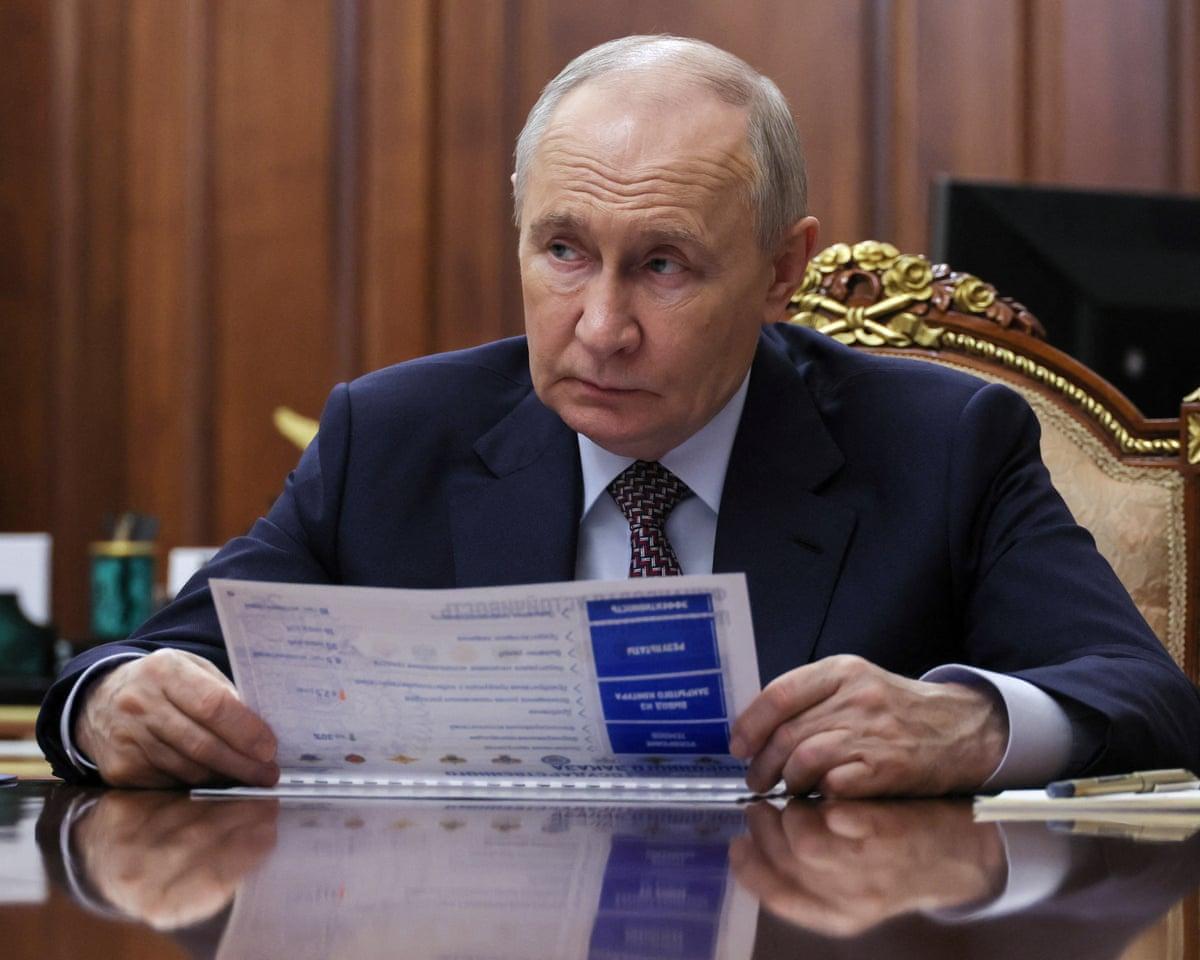
Russian and Ukrainian negotiators concluded two days of talks in Abu Dhabi on 11 November 2026 with agreement on a large-scale prisoner exchange and mutual understanding on several issues, though major breakthroughs on ending the war remained elusive. According to The Guardian, US envoys Jared Kushner and Steve Witkoff are now scheduled to carry the discussions forward with separate meetings in Moscow and Dublin.
Vladimir Medinsky, Russia's chief negotiator, said after the talks that mutual understanding had been achieved on some issues and that further negotiations would follow. He confirmed that Russia and Ukraine had agreed on a large-scale prisoner swap, continuing a pattern of such exchanges throughout the conflict. However, according to Deutsche Welle, the second day of talks lasted less than two hours, with territorial issues remaining the most difficult aspect of negotiations.
Medinsky expressed scepticism about European participation in future talks, questioning what Russia and the European Union had to discuss given what he characterised as a lack of concrete proposals from the European side. This position contrasts sharply with calls from Ukrainian and Western leaders for broader European involvement in any peace process.
What progress was made in Abu Dhabi?
The talks, which represented the first face-to-face discussions between Russian and Ukrainian officials since February 2026, produced agreement on humanitarian matters alongside the prisoner exchange. Ukraine's delegation also met European officials separately during the Abu Dhabi discussions, signalling efforts to maintain European engagement despite Russian resistance.
Kushner described the discussions as
very substantivebut acknowledged they had been
pretty tough … after almost eight months of not being together.He said the talks covered postwar security arrangements, security guarantees for Ukraine, and mechanisms for monitoring any future ceasefire. However, the talks ended without a major breakthrough on ending the war, with both sides maintaining entrenched positions on core issues.
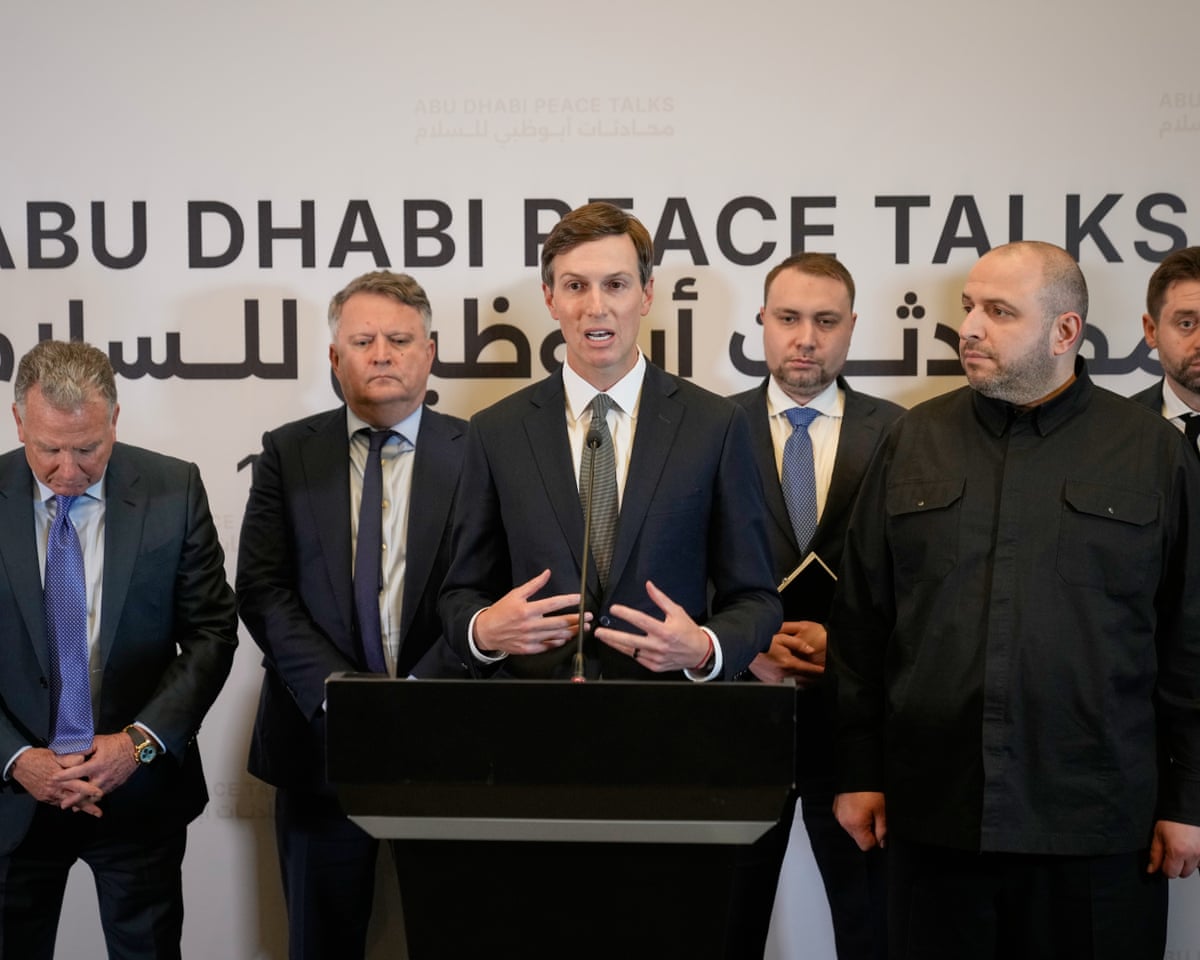
Overnight drone attacks were reported as the Abu Dhabi talks concluded on 11 November, underscoring the continued intensity of military operations even as diplomatic efforts proceeded. Kushner said he hoped to
finalise the humanitarian reliefand
the biggest humanitarian release of prisonersduring his meeting with Putin.
What happens next in the peace process?
Kushner and Witkoff will travel to Moscow on 12 November to meet Putin and
go over what was discussed today and try to make progress on some of the issues that we discussed.Following that meeting, they will fly to Dublin to meet with Ukraine's Volodymyr Zelenskyy
to debrief with him and further explore some of the ideas that we came up with today.Zelenskyy will be in Dublin attending the European Political Community summit alongside other EU leaders.
Kushner said the US was working to
try and see if we can get the Europeans added to the format so that we can make this a multilateral format,praising existing discussions with European partners including the EU, NATO, France, Germany, Italy, and the United Kingdom. He acknowledged that
the territorial issues … will be the hardestto resolve in any final settlement.
A German government spokesperson said that talks between Chancellor Friedrich Merz and Putin could
ensueafter the broad understanding on future negotiations reached in Abu Dhabi. The spokesperson confirmed that this understanding was reached between European, US, and Ukrainian officials rather than with Russia, but said these principles would influence fresh talks.
What is Ukraine's position on European involvement?
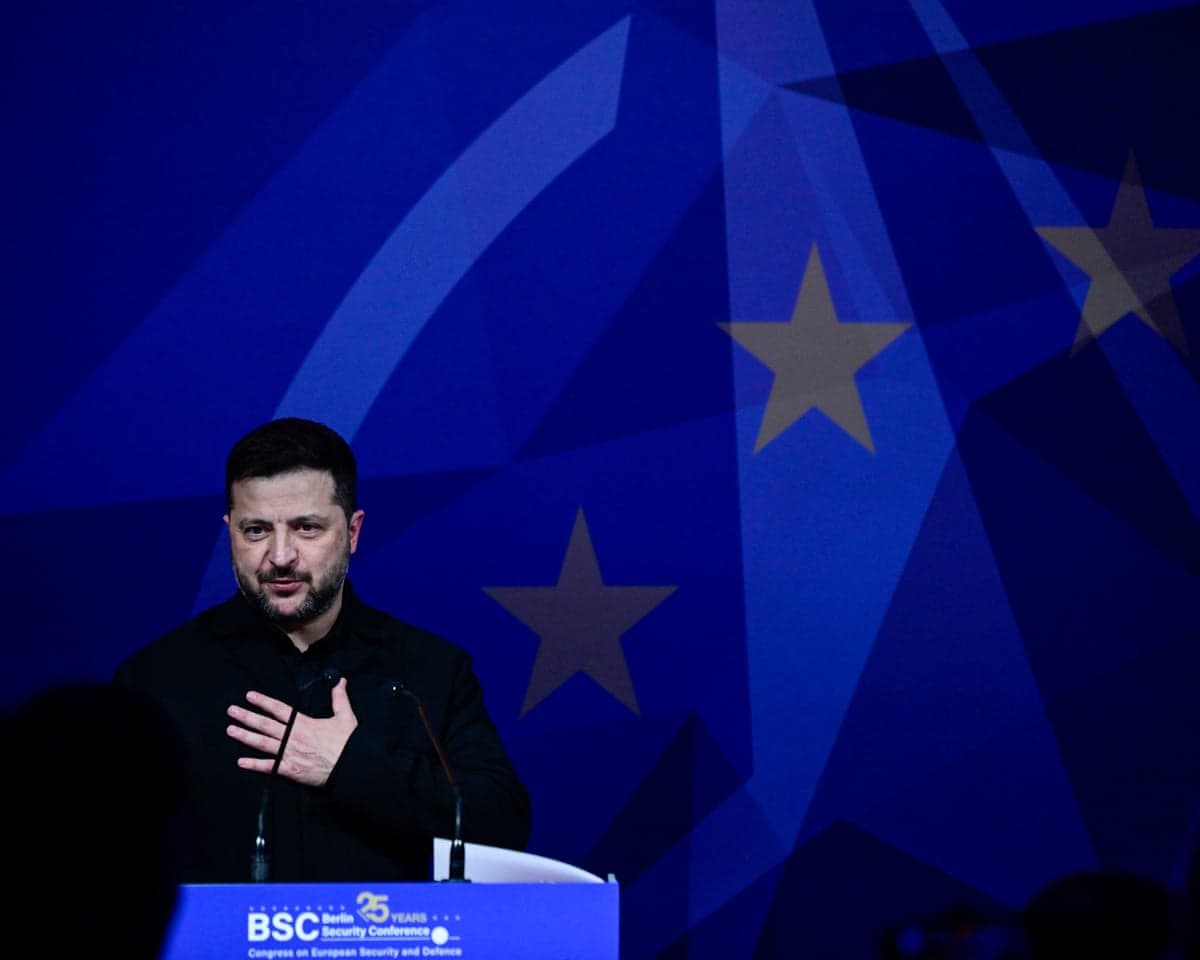
Zelenskyy insisted that
Europe must be represented at every stage of real diplomacyregarding Ukraine's future. In a statement after receiving a briefing on the Abu Dhabi talks, he outlined three key outcomes: agreement on humanitarian arrangements for a prisoner exchange, discussions on security guarantees with emphasis on ending the war first, and broader formats for further work involving Europeans.
Zelenskyy stressed that
it is essential that the United States have a strong position and exert influence on the source of this war – that is Russia – so that Russia ends the war of its own making.He expressed Ukraine's priority as achieving
the end of the war as soon as possible with a dignified peace.
David Arakhamia, a close ally of Zelenskyy and head of his parliamentary faction, said he hoped to maintain
good momentumin the talks with a view to reaching a solution by the end of 2026.
What security arrangements are Russia proposing?
At a security conference in Moscow, senior Russian diplomat Alexey Drobinin outlined three potential models for security guarantees. The first option involved a collective defensive alliance or bilateral mutual assistance agreements similar to those Russia maintains with Belarus and North Korea. The second possibility included political agreements not to support each other's adversaries in the event of aggression, comparable to the pact Moscow has with Iran.
The third option Drobinin presented were bilateral mutual non-aggression pacts.
For example, agreements of this kind could be reached, among other things, with individual NATO member states, which would then receive, for instance, additional individual security guarantees from the Russian Federation,he told the conference.
How are G7 nations addressing Ukraine's financing needs?
The Group of Seven's top diplomats stressed the necessity of securing long-term financial assistance for Ukraine as Kyiv's allies sought ways to cover its budget beyond 2026. Following a meeting held on 10 and 11 November in Paris, foreign ministers of Canada, Germany, France, Italy, Japan, the United Kingdom, and the United States issued a joint statement declaring:
We acknowledged the need to address Ukraine's pressing financing needs for 2027 and beyond in a coordinated way.
The statement also reiterated that
negotiations on the future security in Ukraine must include the Europeans,reinforcing Western insistence on broader participation in peace discussions.
What is happening in Poland on Independence Day?
Thousands of people marched through Warsaw on 11 November to commemorate the 108th anniversary of Poland regaining independence in 1918. The annual march, which brings together substantial crowds, remains deeply divisive due to past violent clashes and the participation of nationalist groups from Poland and abroad. However, in recent years the event has become increasingly mainstream, now serving as the country's largest mass independence day celebration and attracting ordinary Poles alongside more ideologically motivated participants.
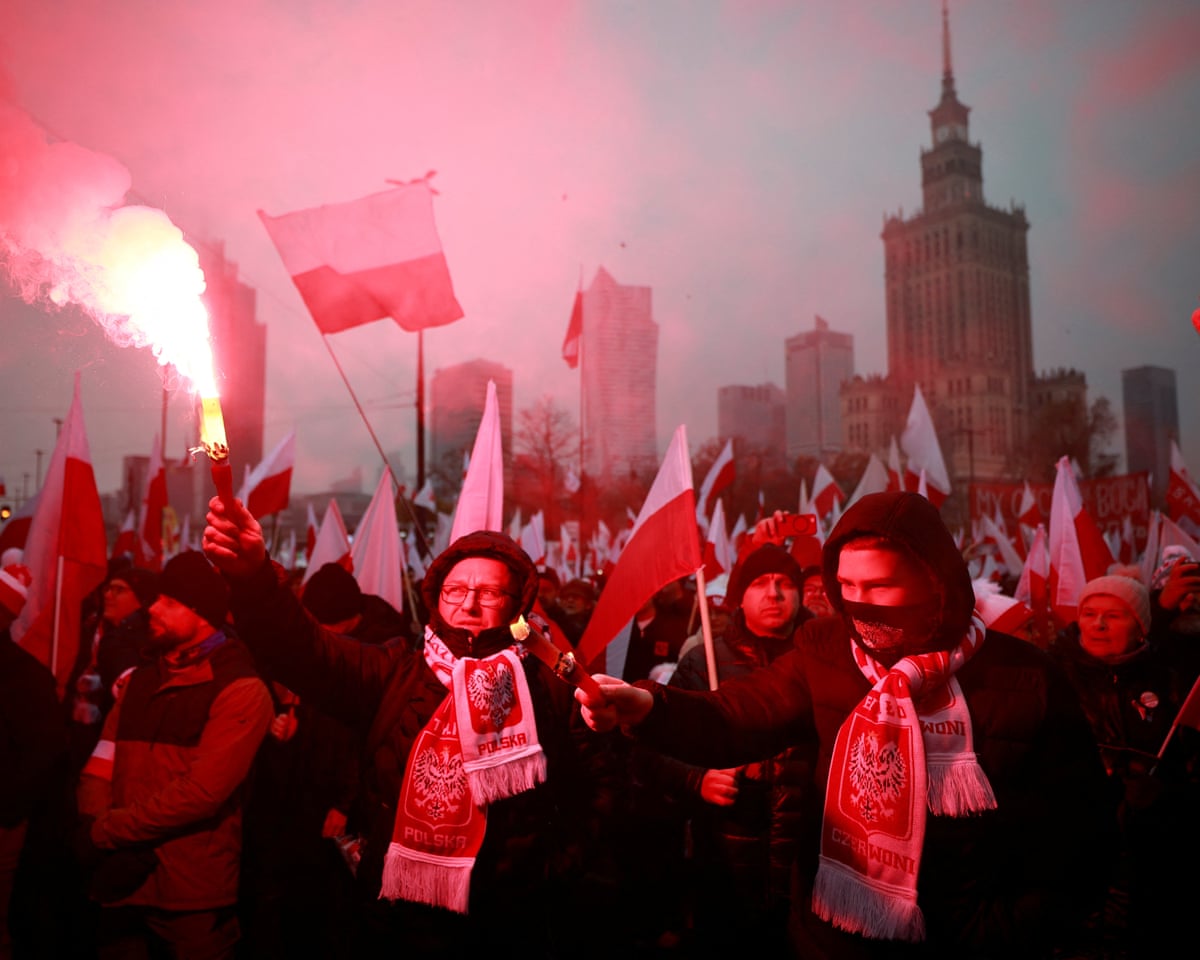
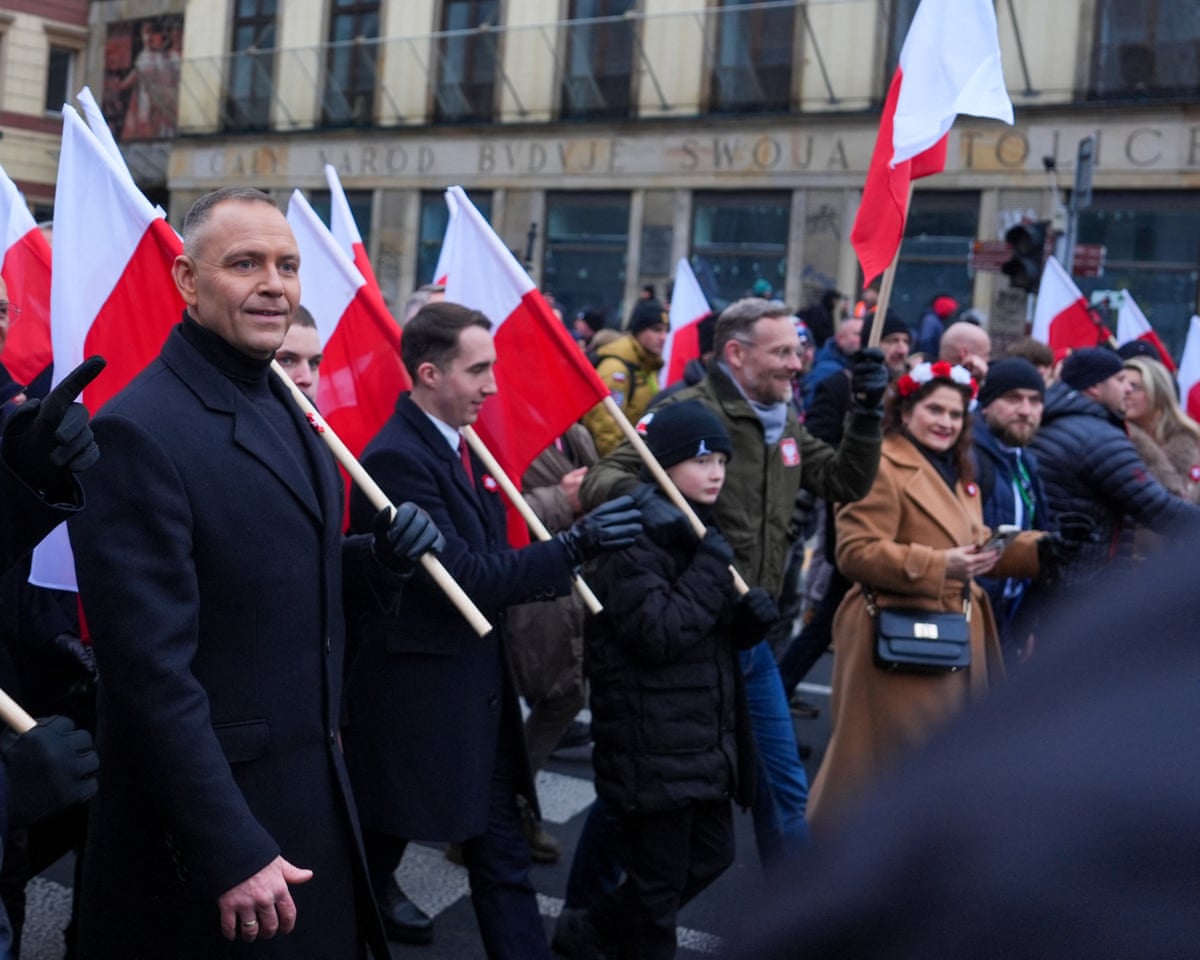
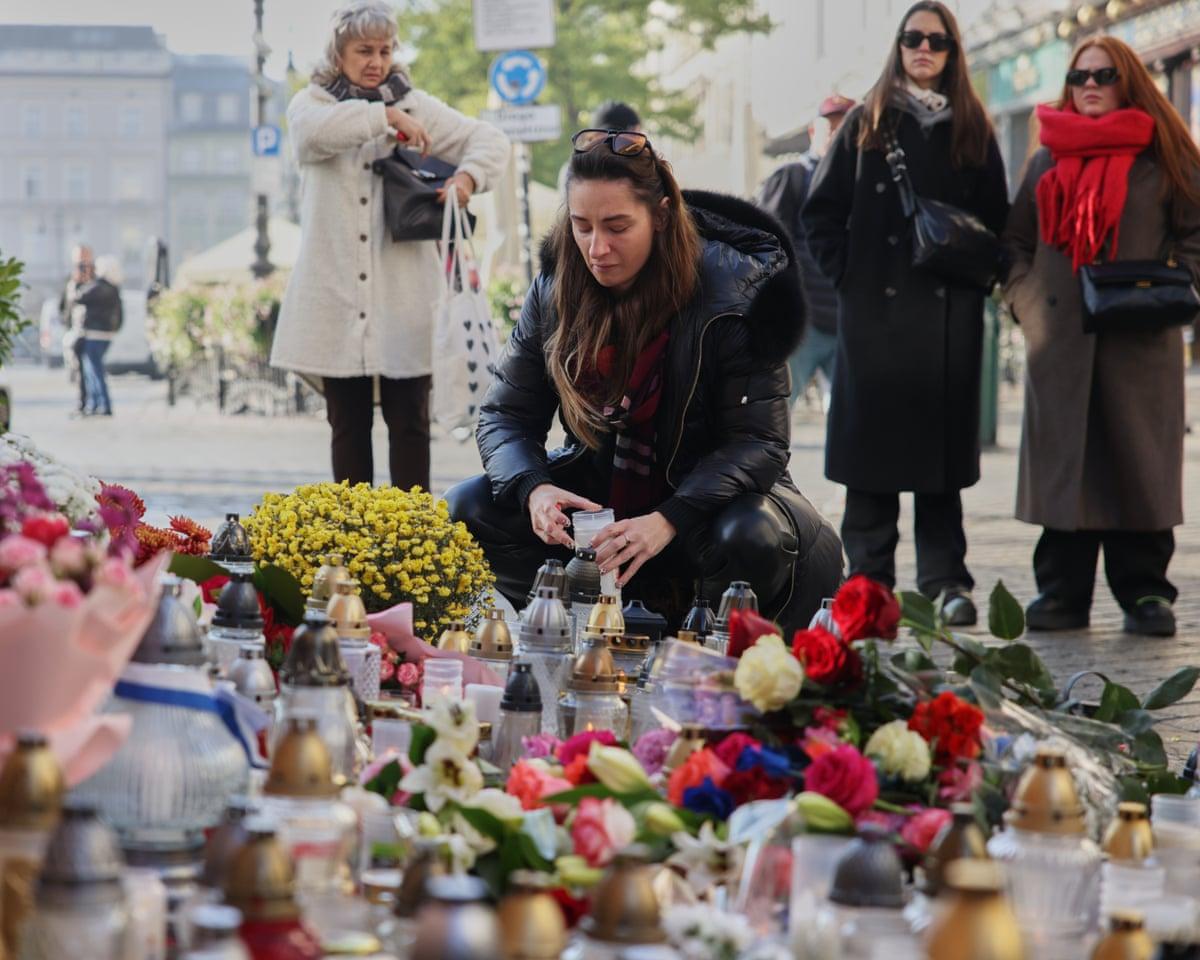
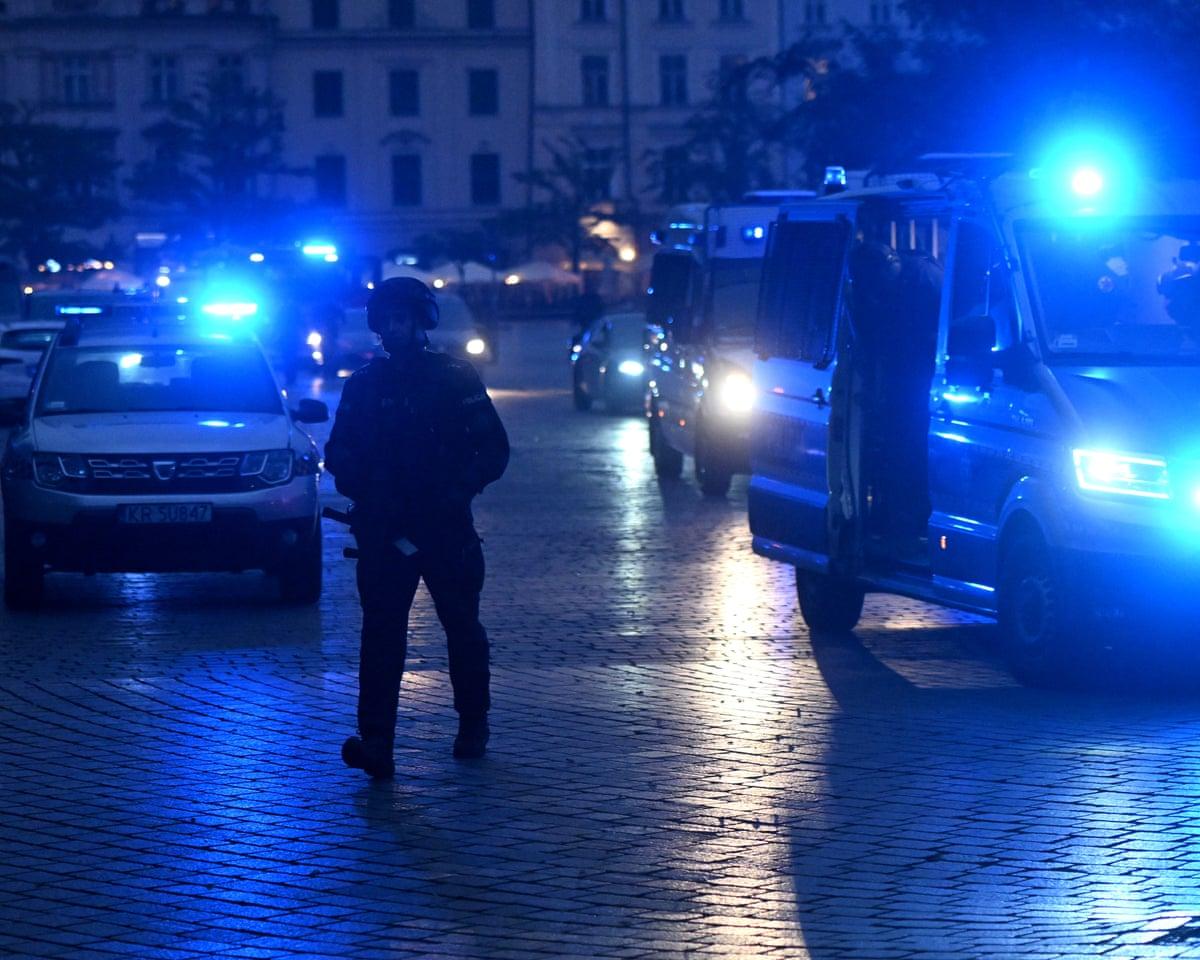
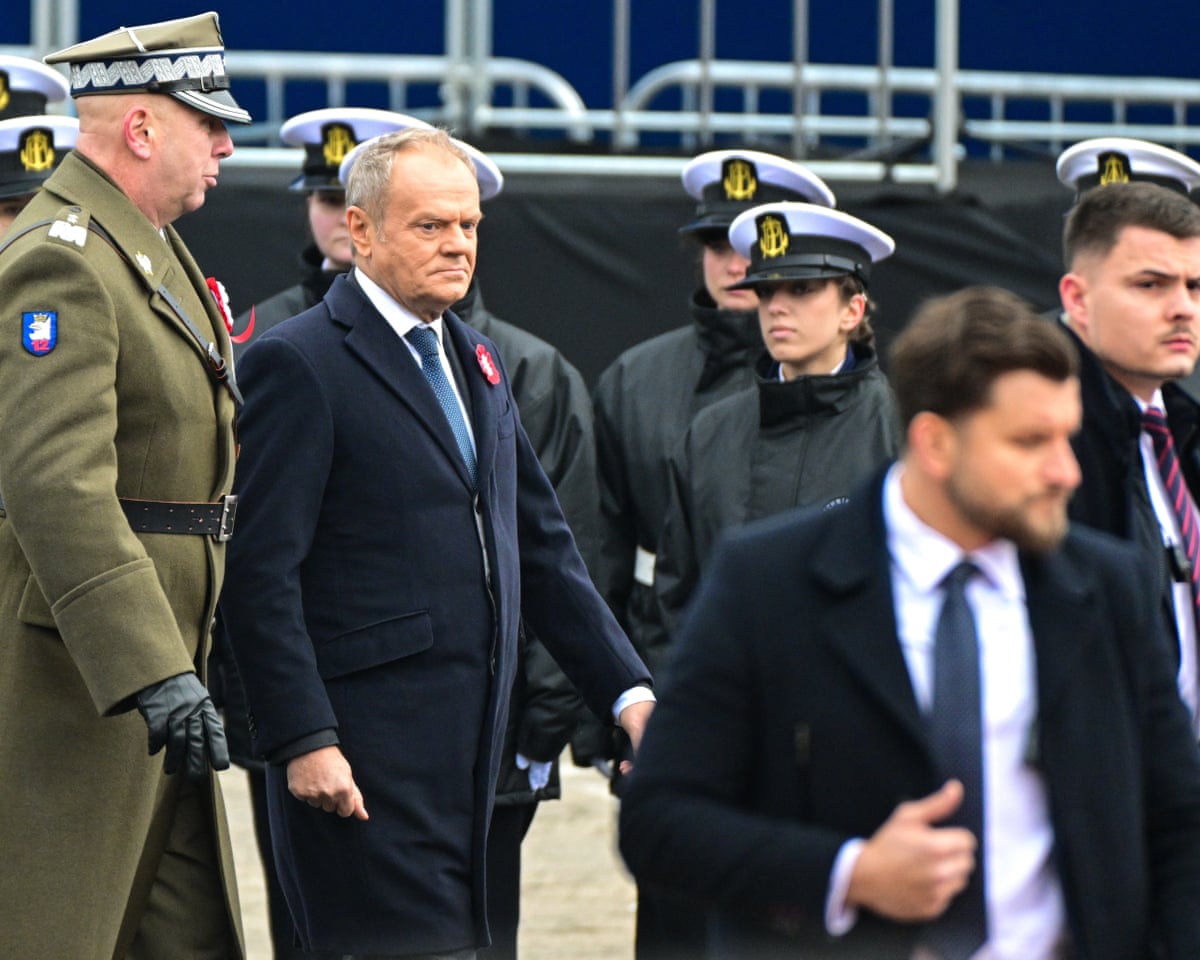
Poland's conservative president Karol Nawrocki participated in the procession, which organisers hoped would attract up to 500,000 people. By mid-afternoon, no major incidents had been reported aside from the widespread use of red flares along the march route. The march took place amid heightened political tension following a mass shooting in Krakow that killed six people, with Prime Minister Donald Tusk appealing for restraint.
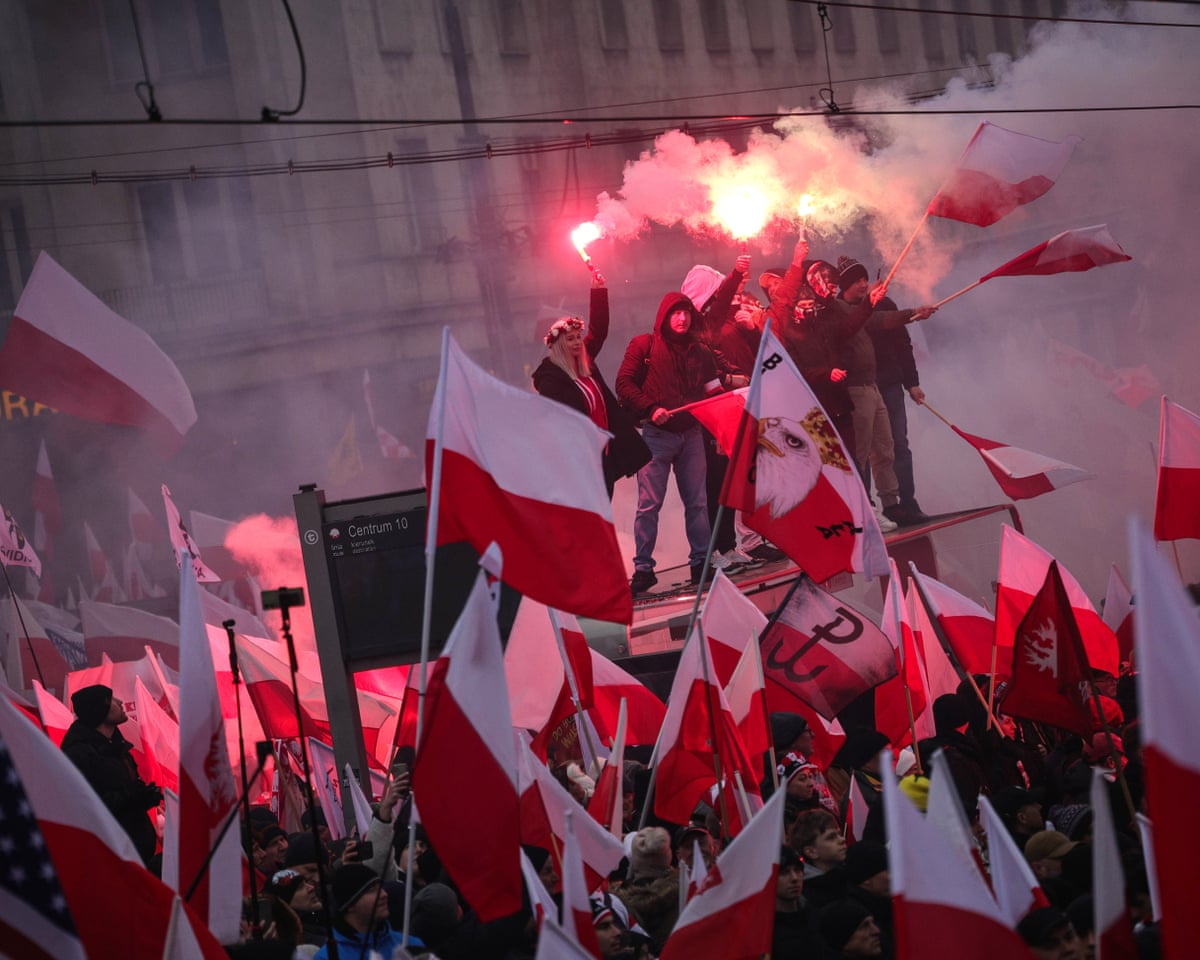
Organisers rejected criticism alleging nationalist and xenophobic elements, claiming the gathering, held under the motto
A Pole is the host in Poland,was merely an expression of national pride. A spokesperson for the march organisers, Rafał Buca, stated:
We want a sovereign Poland, independent of foreign capitals ... We also envision a Poland that is as monoethnic as possible.
Prime Minister Donald Tusk, a regular target of chants, banners, and taunts at the march, avoided the event, attending a smaller celebration in Szczecin instead. In remarks addressing all Poles, he said:
I address everyone, including those who will be gathering in Warsaw. We may hold different views, we may keep each other in check, and at times we may even be political opponents; yet, anyone who truly cares about Poland must understand that this space, defined by independence, freedom, and a secure Republic, is a common good.
What happened in Bulgaria's motorway disaster?
Bulgaria marked a day of national mourning on 11 November following a catastrophic mass pileup in thick fog on a motorway in southeastern Bulgaria that claimed eleven lives and injured more than 50 people. The crash involved approximately 50 cars and trucks heading in both directions on the highway linking the capital Sofia to the Black Sea city of Burgas. Regional governor Georgi Chalakov told the BTA state news agency that drastically reduced visibility caused by thick fog was the primary factor in the incident.
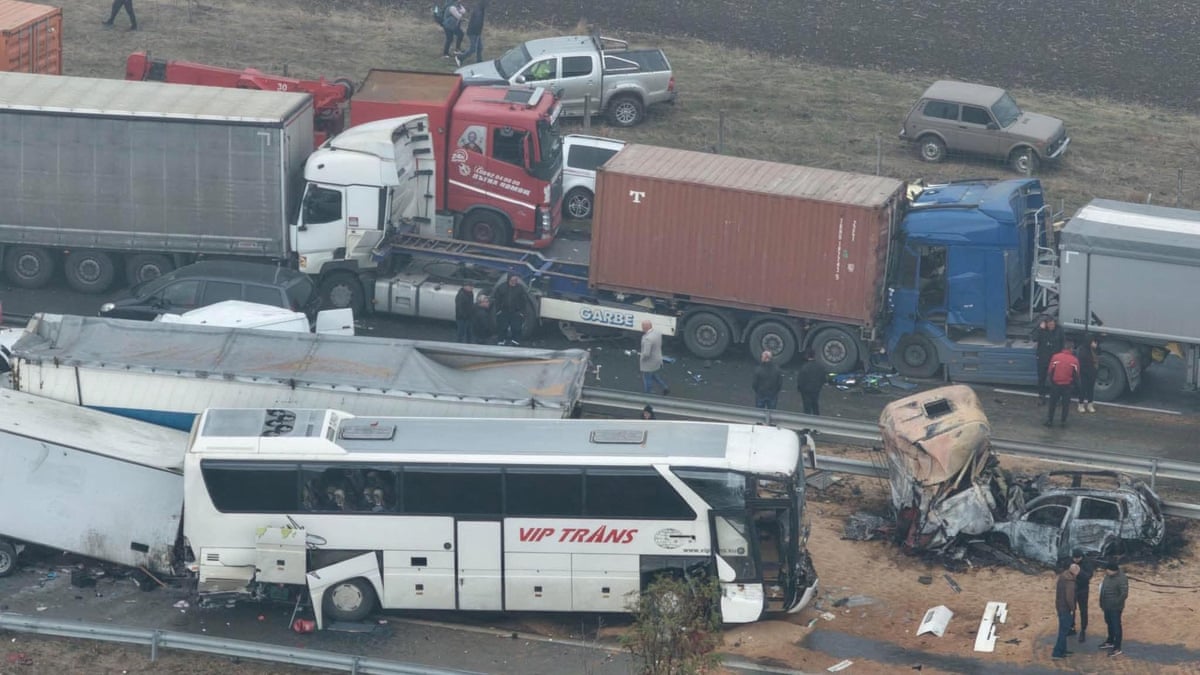
The tragedy underscores a persistent road safety crisis in Bulgaria. The country recorded 71 road fatalities per million inhabitants in 2025, the highest rate in the European Union according to European Commission figures, highlighting systemic challenges in road infrastructure, vehicle safety standards, and driver behaviour.
Why is Spain holding a general strike?
Millions of people across Spain participated on 11 November in the country's first general strike in 14 years, establishing picket lines to protest against soaring housing prices ahead of an election in which far-right parties could gain significant power. The nationwide 24-hour stoppage, singularly backed by Spain's largest unions and tenants' associations, centred on resistance to Spain's deepening housing crisis.
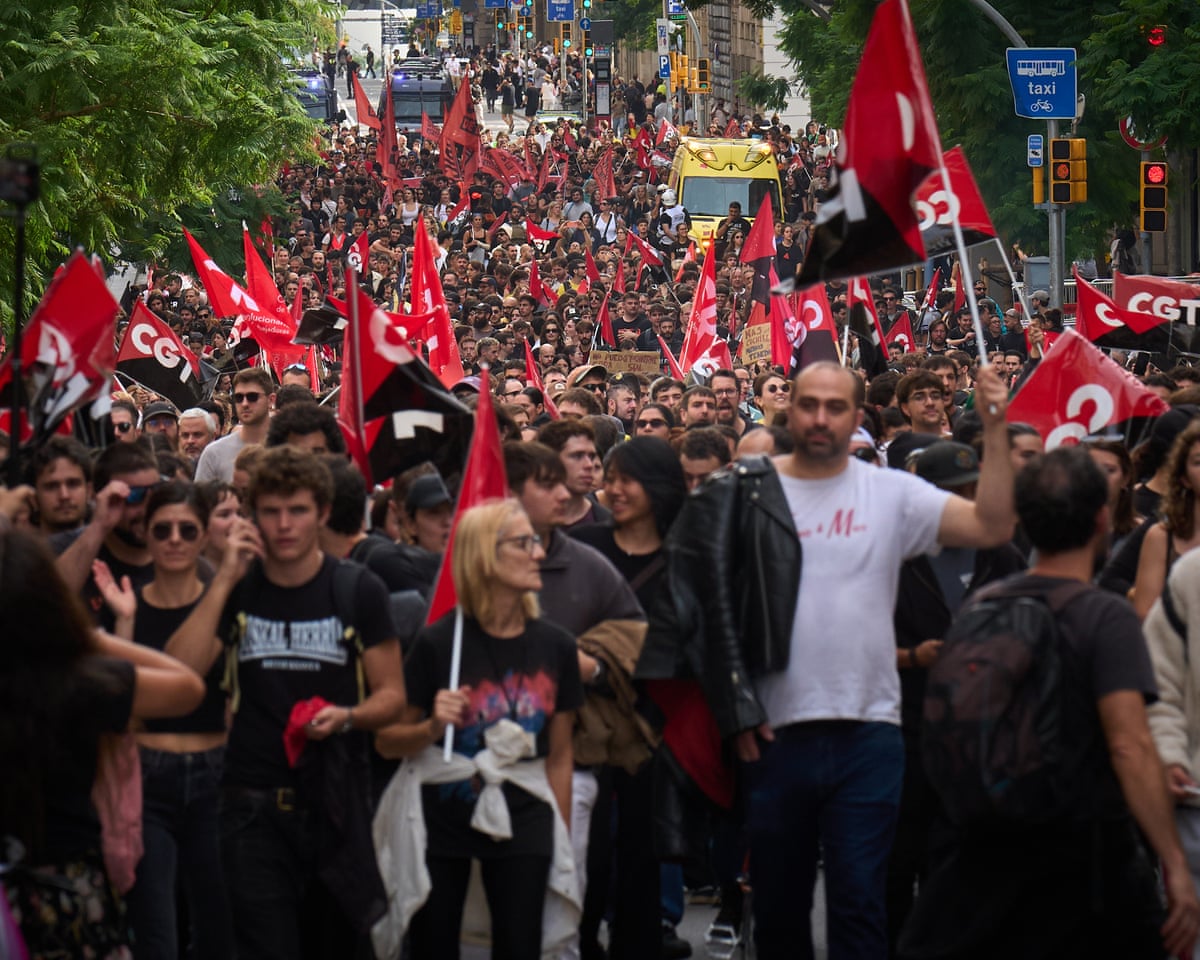
Sandra Mora of the Madrid Tenants' Union told broadcaster RNE:
It's extremely important to remind people that we, the workers – who are also renters or who also pay mortgages – are the ones with the power to halt production and bring the economy to a standstill.Workers' unions reported high participation across several sectors, including 90 per cent in the automotive and port sectors and 82 per cent in waste collection, though participation varied across regions.
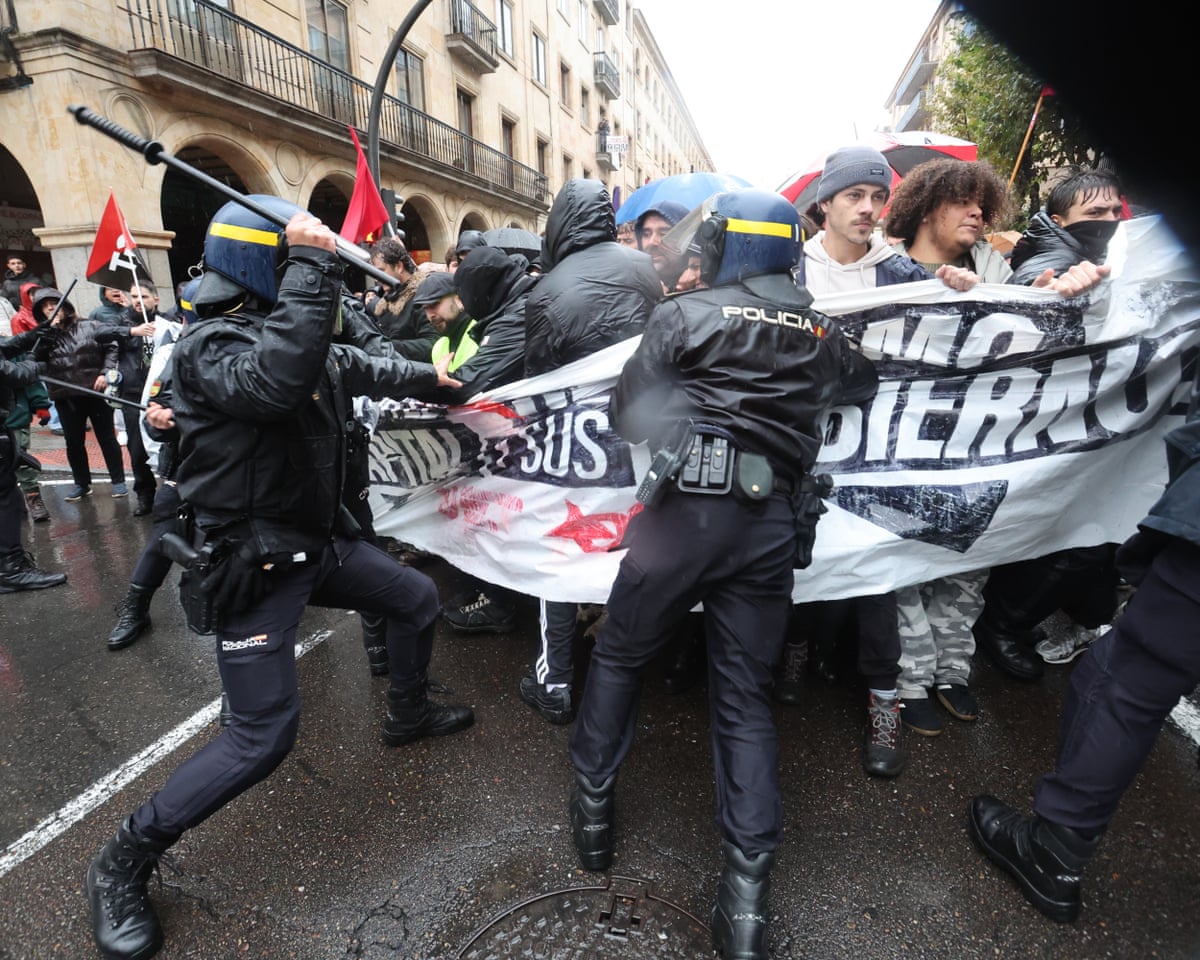
The strongest support was reported in coastal regions such as Catalonia and Andalusia, where the housing crisis has been particularly acute. The strike reflected growing frustration among Spanish workers facing both employment precarity and unaffordable housing in a country where rental and property prices have risen sharply in recent years.
How is Portugal preparing for Storm Charles?
Portugal closed all schools and shuttered non-essential public services on 11 November as a major Atlantic storm approached the country's mainland. The government instructed people to remain at home as heavy rain and rough seas were forecast to batter the Portuguese coast, with wind gusts expected to reach 140 kilometres per hour.
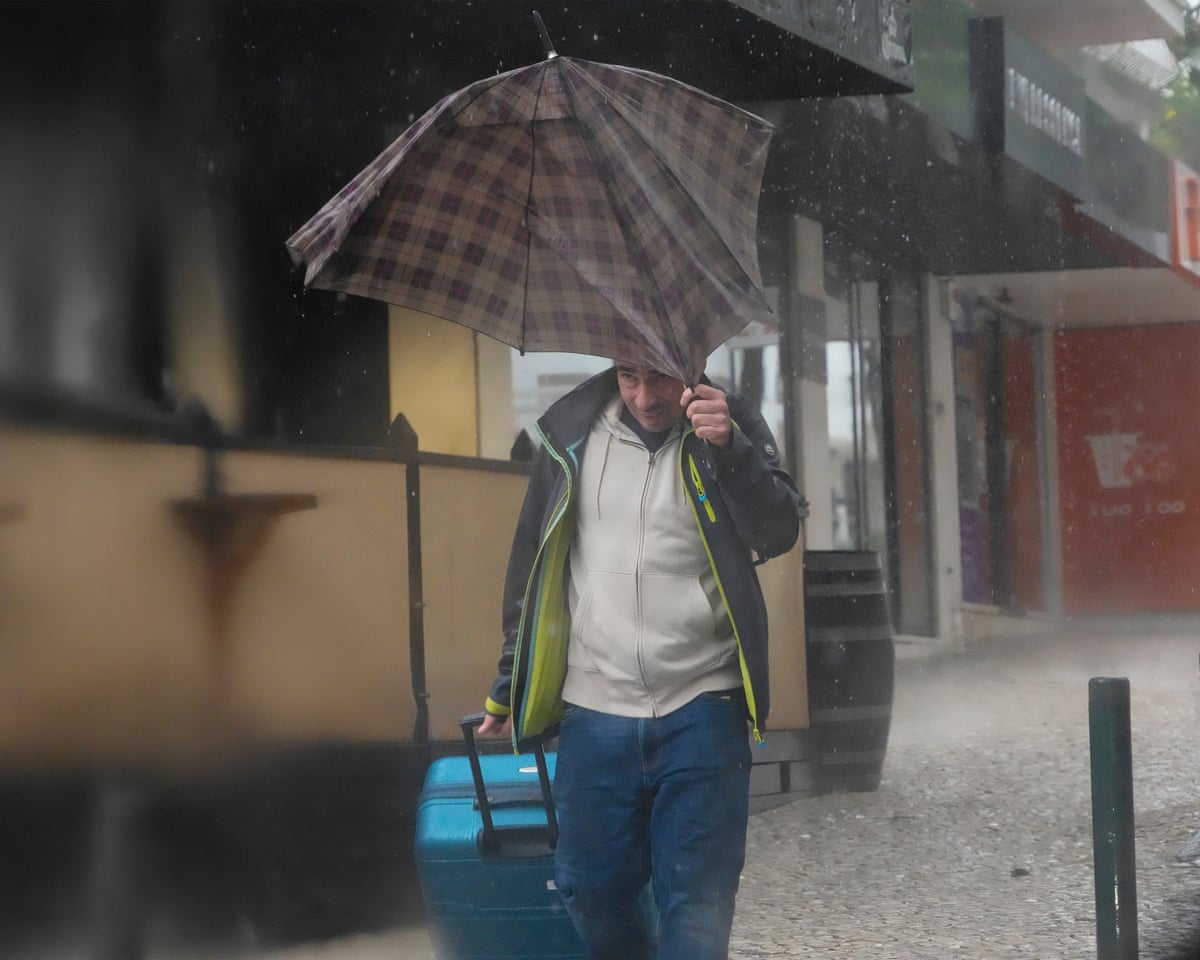
The decision marked the first time in living memory that Portugal's approximately 8,000 schools had cancelled classes nationwide over a storm forecast. An international technology conference in Lisbon attended by around 70,000 people cancelled the day's events. Airlines cancelled more than 200 flights in and out of Portugal in response to the severe weather warning.
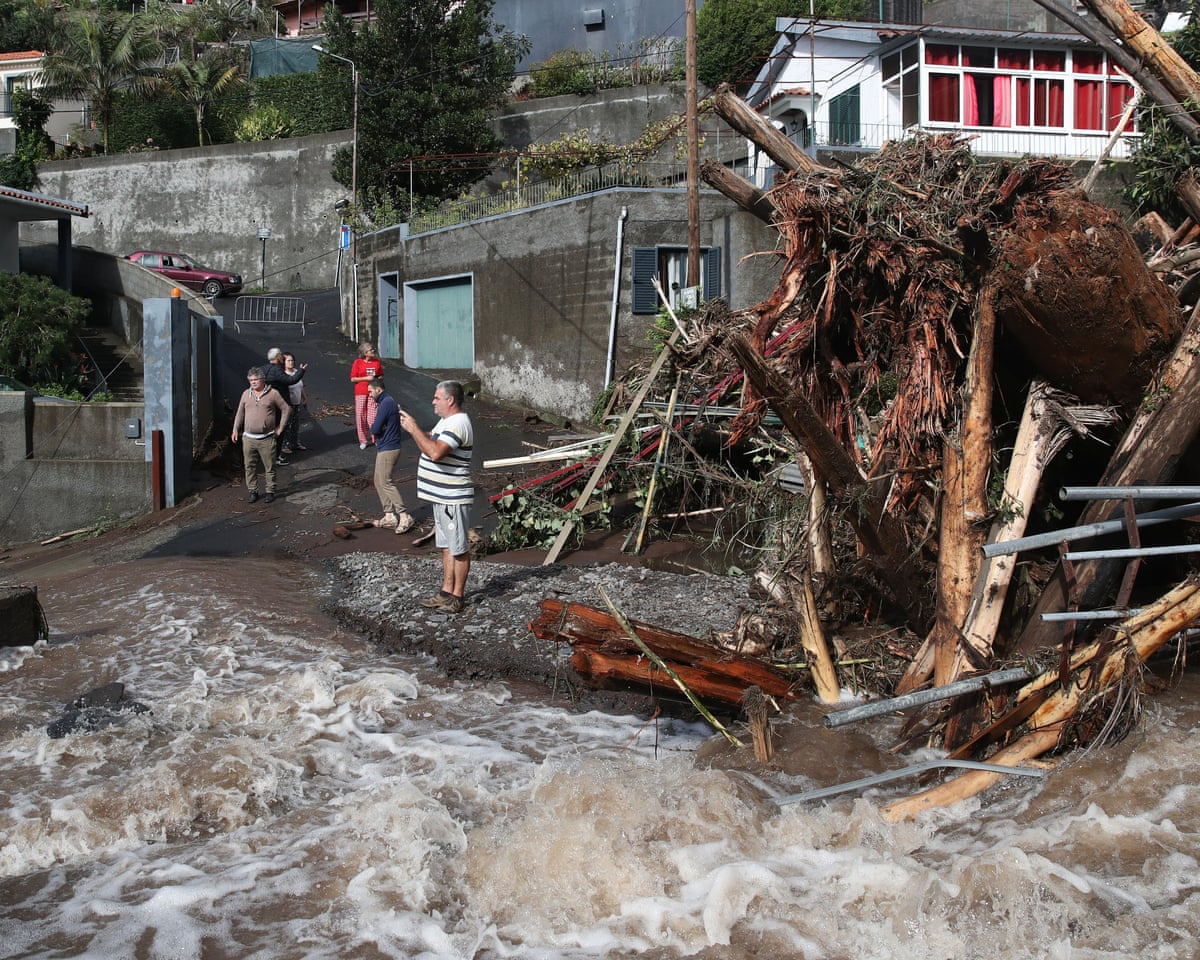
Storm Charles was expected to strike the Atlantic coast on the afternoon and evening of 11 November, arriving from the southwest after it had struck the island of Madeira on 10 November with wind gusts of 130 kilometres per hour, causing significant damage and disruption.
What is the situation with bomb threats in Italy and Northern Ireland?
Italy's Prime Minister Giorgia Meloni said that email bomb alerts sent to schools posed no danger, though police and other public bodies were monitoring the situation closely.
These reports appear to be part of a strategy intended to cause alarm and concern – a matter that is currently under thorough investigation,she stated. Meloni scheduled a meeting to assess what action might be necessary after
hundredsof schools had their plans disrupted by the alerts.
A large number of schools in Northern Ireland also received threatening emails, according to the Northern Ireland Education Authority, but were advised to remain open as police did not regard the threat as credible. The coordinated nature of the alerts across multiple jurisdictions suggested a deliberate campaign to create disruption and fear rather than a genuine security threat.