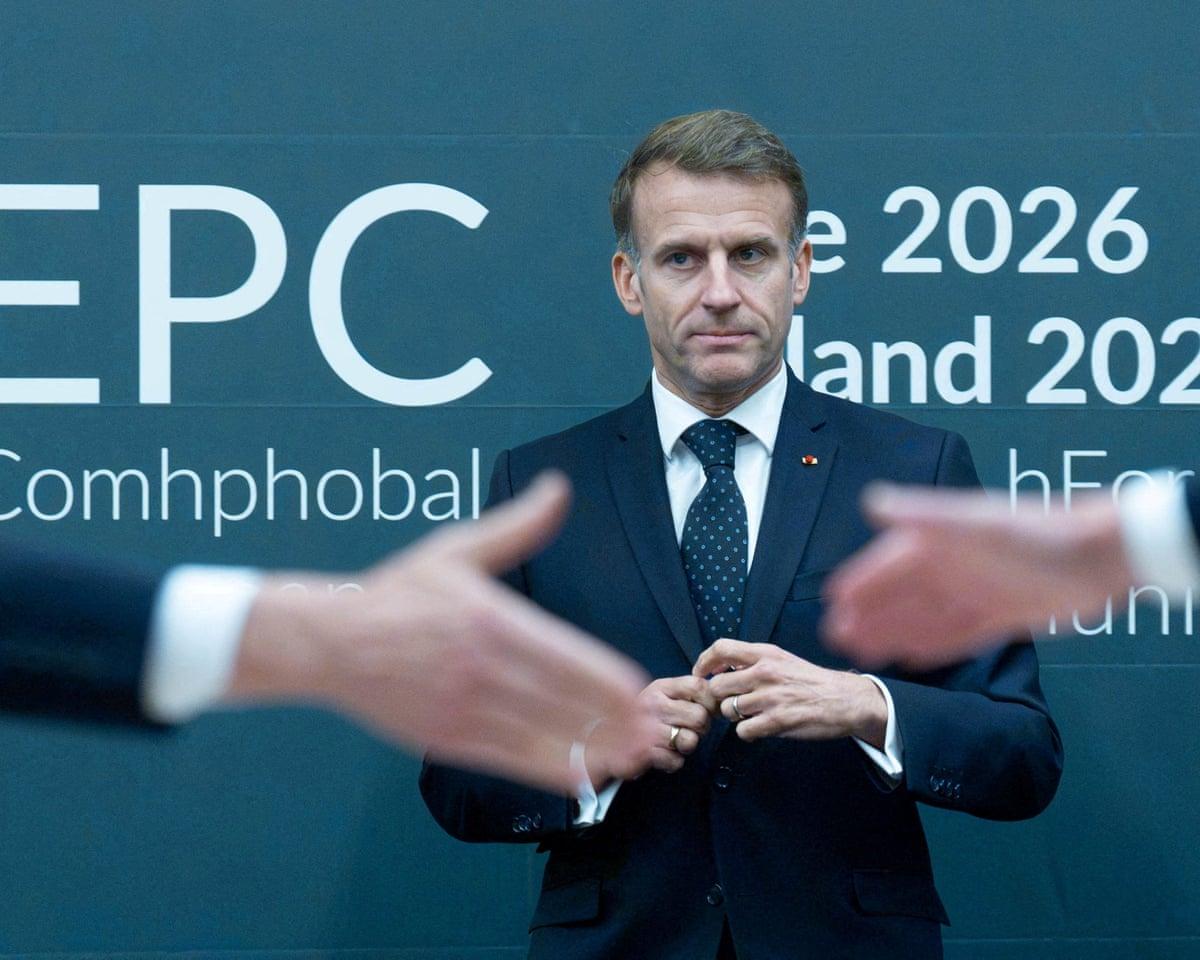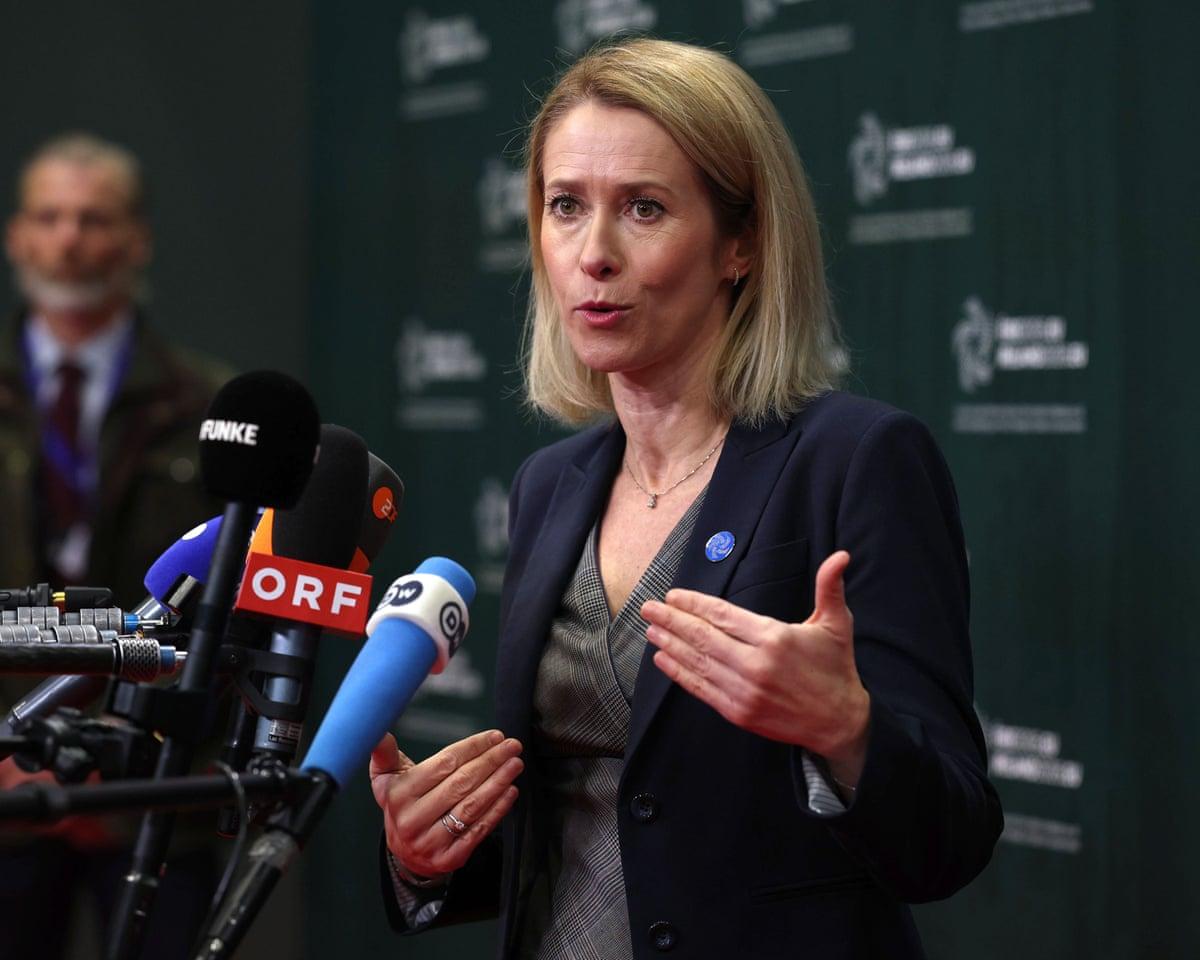
The EU's foreign policy chief has cautioned European leaders against falling prey to Russian tactics designed to shift focus away from Moscow's military aggression. Speaking at an EU leaders' summit in Dublin on 13 November 2026, Kaja Kallas stressed that Russia is attempting to initiate discussions about European security architecture as a distraction from its invasion of Ukraine. According to The Guardian, Kallas emphasised the need to maintain clarity about who bears responsibility for the conflict.
We have one aggressor and one victim, and the aggressor does not have security concerns. Nobody has ever attacked them. They have attacked others. I mean, keep the focus, people.Kallas said, rejecting Moscow's framing of the dispute as a mutual security problem. The warning reflects growing concern among European capitals that Russia is using peace negotiations as a vehicle to reshape the continent's security arrangements in its favour.
What is Russia demanding in talks?
During negotiations this week in Abu Dhabi—the first direct discussion between Russian and Ukrainian representatives in nine months—Moscow has revived demands that were rejected in 2021 as violations of the sovereignty of central and eastern European nations. These proposals centre on establishing a new European security framework that would constrain NATO expansion and limit the military capabilities of smaller member states.
Donald Trump's envoy and son-in-law, Jared Kushner, announced on Thursday night that Russia and Ukraine had agreed to expand the next round of peace negotiations to include European representatives. However, Russia quickly contradicted that assurance, creating confusion about Moscow's actual willingness to engage with the continent. According to reporting from the Independent, U.S. envoys Steve Witkoff and Kushner met Volodymyr Zelenskyy in Dublin following their Moscow visit, and Zelenskyy welcomed the prospect of European participation in the next talks.
What is Europe's position on negotiations?
European leaders have consistently stated they will support Ukraine in any peace process, but they have made a ceasefire a precondition for substantive negotiations. They also emphasise that Europe already possesses an extensive network of security agreements that Russia has systematically violated.
Russia wants to talk about questions of a European security architecture. We do not need to discuss that; it already exists,said German Chancellor Friedrich Merz, noting it was a given that his country would participate in any European delegation.
European Commission President Ursula von der Leyen reinforced this position, stating that
it was self-explanatory that Europe is included in the peace talks to safeguard our interests, but also to support Ukraine. The Kremlin responded cautiously on Friday, saying
Once we understand [Europe's] real intentions and their willingness to contribute to the peace process, then we can make a decision on holding talks in an expanded format.Russia's lead negotiator in Abu Dhabi, Vladimir Medinsky, suggested there was little common ground, stating it was
unclear what there is to discusswith Europe.
Who will represent Europe at the negotiating table?
The question of European representation has become a central point of discussion at the Dublin summit, which brought together almost 50 world leaders. Despite more than two years of intermittent diplomatic efforts, the EU has not yet agreed on a unified approach to representation. A growing consensus suggests that Europe should not be represented by a single individual, but rather by multiple interlocutors reflecting the continent's diverse interests and institutions.
France and Germany advocate for a continued role for their own envoys within the E3 format—comprising Britain, France and Germany—working alongside EU representatives. Smaller member states place greater emphasis on EU institutional representation, particularly António Costa, president of the European Council, and Kallas in her capacity as the EU's high representative for foreign affairs and security policy. Sweden's Prime Minister Ulf Kristersson characterised the debate as
slightly overstated, noting that different formats served different purposes depending on the issues under discussion.
Kristersson identified several categories of negotiating matters: some issues represented
pure EU interests, such as financing for Kyiv and Ukraine's future EU membership, while others could be addressed through alternative formats. He expressed flexibility about the exact composition of European delegations, stating
I think what we actually say is more important than the exact configuration of the people in the room.He also noted support for the E5 format, which includes Italy and Poland alongside the E3 members.
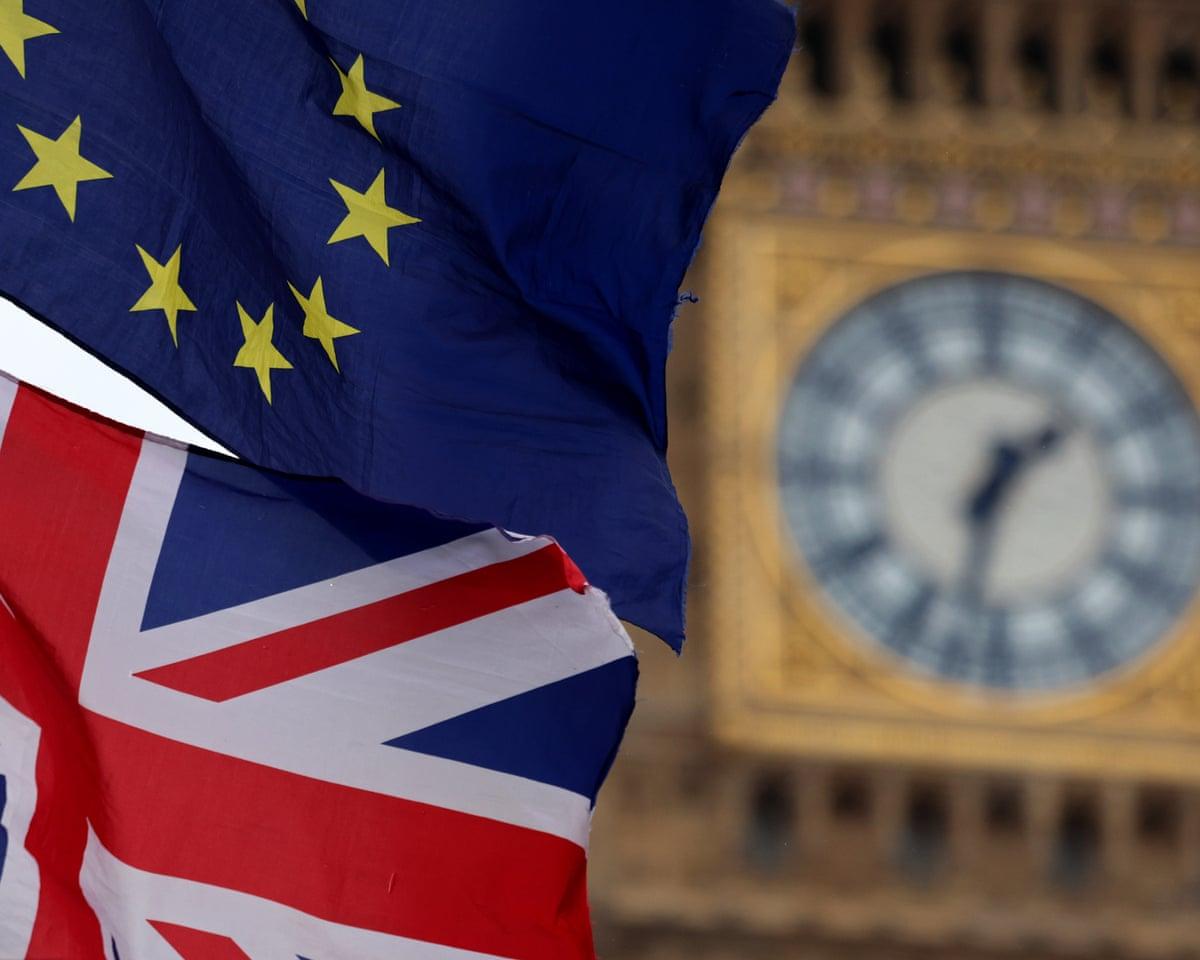
Several leaders at the summit, including Kallas, underscored the importance of including the United Kingdom, a founding member of the European Political Community—a broad coalition of countries committed to future peacekeeping operations in Ukraine. Ireland's Taoiseach Micheál Martin emphasised that the UK and Norway each held significant roles and
that all has to be taken into consideration because it's a European, continent-wide issue. British Prime Minister Andy Burnham deferred to the EU on the question of representation, but stressed that there was strong support among European leaders for Europe—understood in the widest geographical sense—to
decide its own arrangementson security matters.
What developments have emerged from the Abu Dhabi talks?
Ukrainian negotiator Davyd Arakhamia has indicated that momentum exists toward a possible solution before year-end, though he acknowledged that major disagreements remain unresolved. The talks have also touched on prisoner exchanges, with discussions suggesting that the exchange could involve more than 1,000 people on each side, though both the final numbers and timing remain provisional.
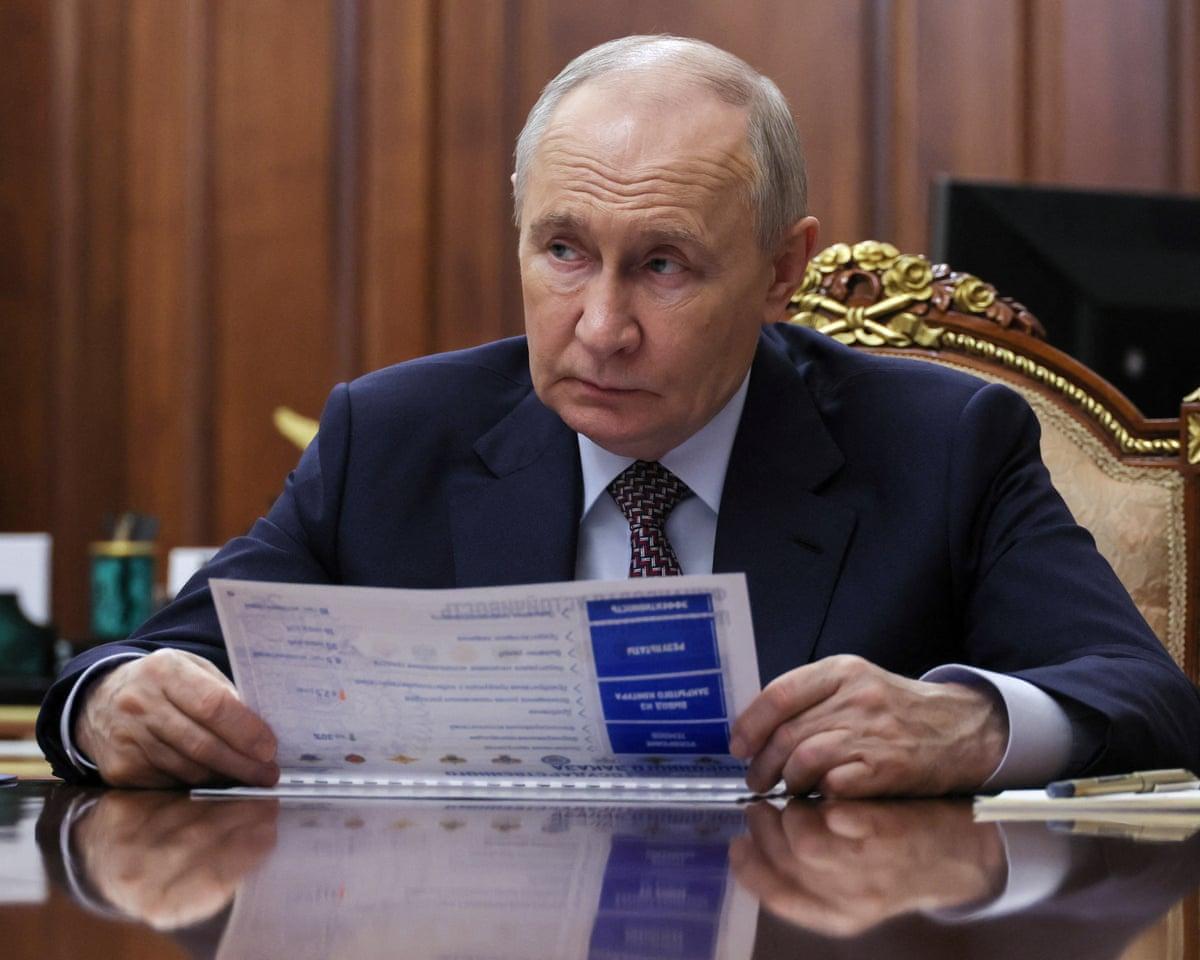
However, significant obstacles persist. According to reporting from Houston Public Media, Putin told the U.S. envoys that European troops deployed to Ukraine following a ceasefire would be unacceptable to Russia and could be treated as legitimate military targets. This position directly contradicts European expectations that peacekeeping forces would be necessary to guarantee any settlement's durability.
Meanwhile, the conflict continues to intensify on the ground. According to the Independent, a Ukrainian attack set a major Russian oil refinery on fire on 13 November, underscoring the ongoing military dimension of the conflict even as diplomatic channels remain active.
What happens next?
Zelenskyy has called for Europe to select a unified representative for the negotiations, ideally by the end of November. European leaders were expected to address the question of representation during the Dublin summit. A prisoner exchange could take place within two or three weeks, though the precise number of participants has not been finalised. The next phase of talks will test whether Russia genuinely intends to negotiate a settlement or whether, as Kallas warned, it is using the negotiating process to advance strategic objectives that undermine European security.