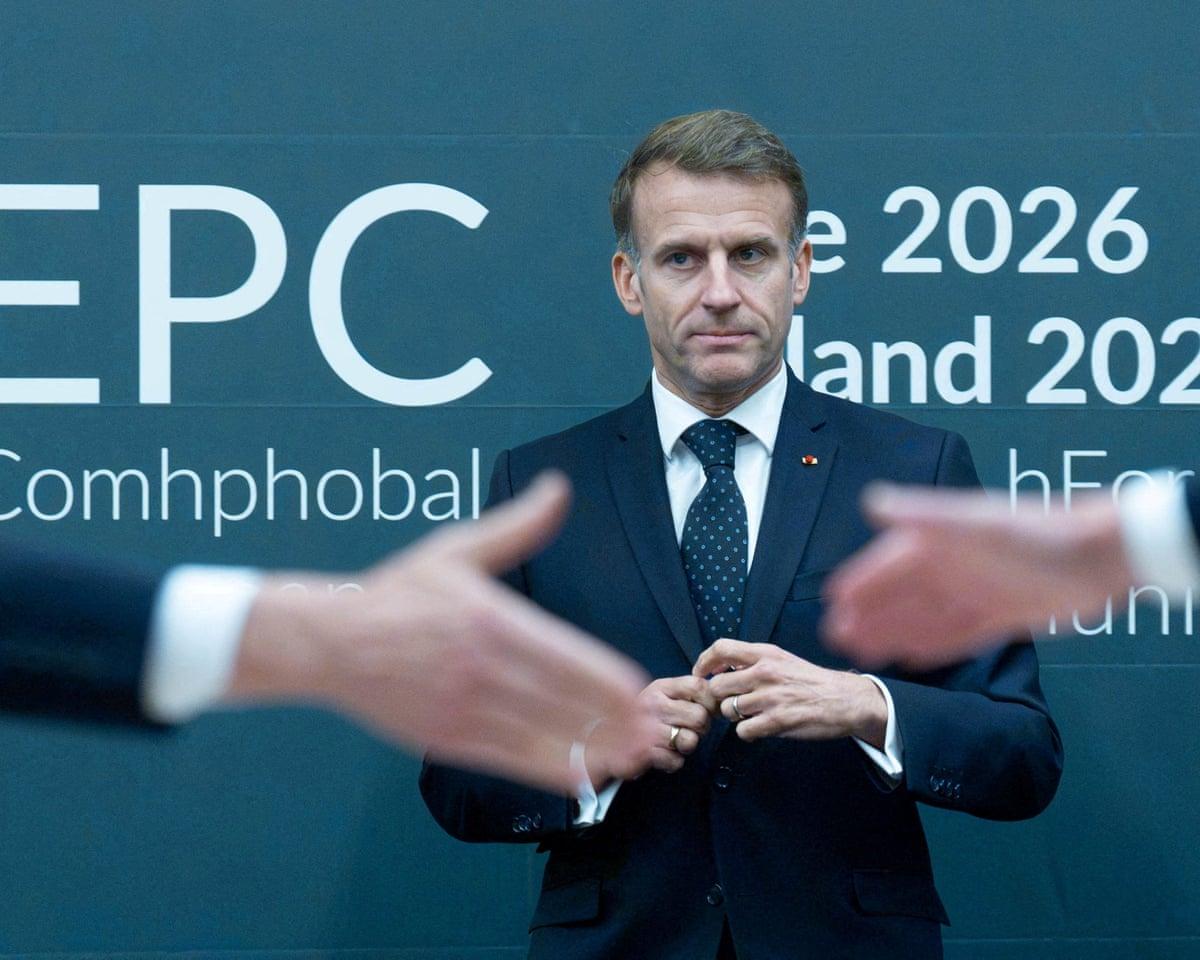
European Union leaders convened in Dublin on 13 November 2026 to determine who will represent the continent in future peace negotiations with Russia, as discussions intensify over financial support for Ukraine heading into a harsh winter. According to The Guardian, the informal European Council meeting also focused on artificial intelligence policy and the continent's role in any settlement. The urgency of these discussions has grown following confirmation that European countries will participate in the next round of peace talks, expanding the format from trilateral to multilateral negotiations.
US envoy Jared Kushner disclosed that Ukraine and Russia have agreed to broaden the next negotiation round to include European representation.
This will allow us to address the broader postwar European security arrangements alongside the territorial issues between Ukraine and Russia,Kushner stated. However, he acknowledged the diplomatic complexity, noting that identifying a single European spokesperson would represent
a bigger achievement than getting the Russians to include them in the negotiations.
Who Should Speak for Europe?
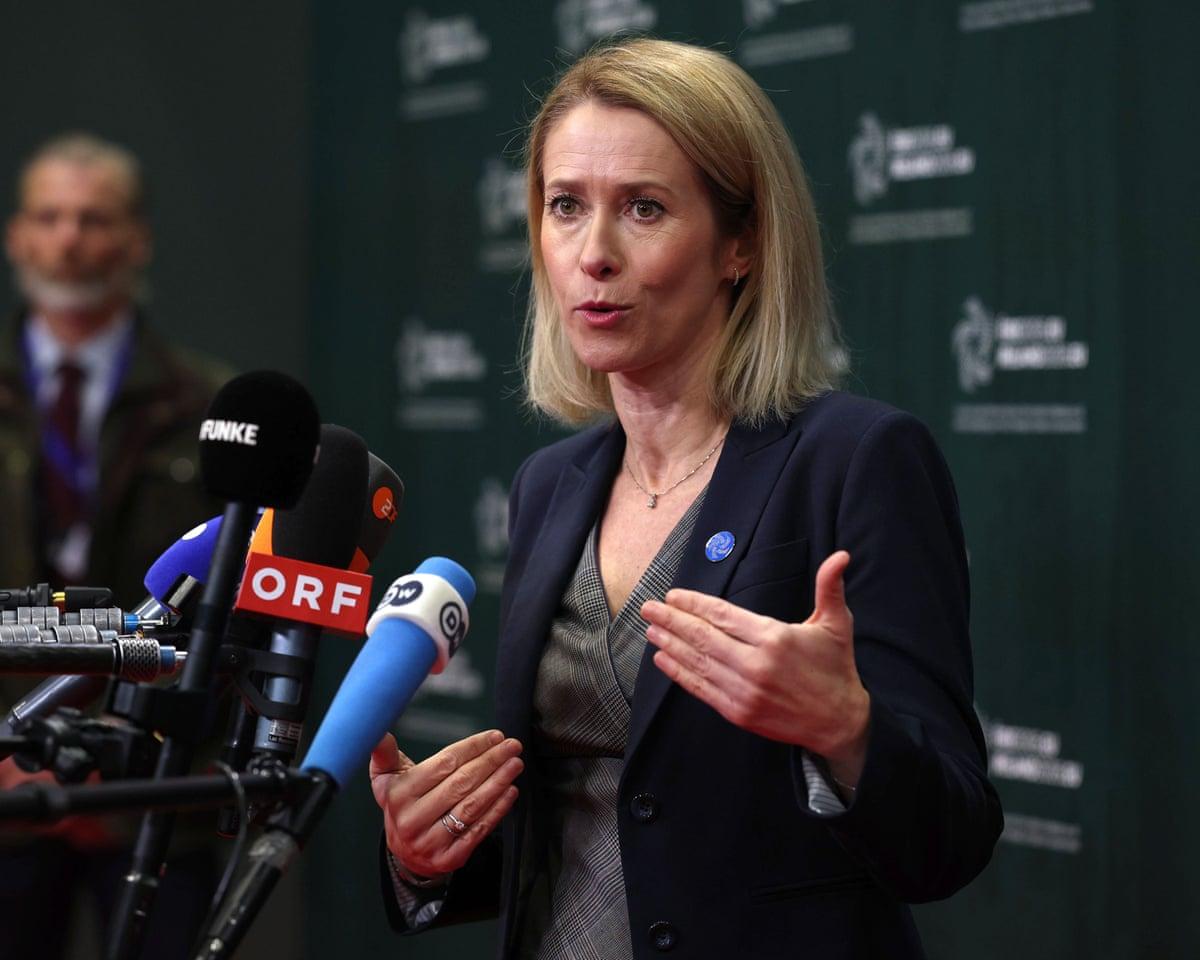
The selection of a lead EU negotiator remains contested among member states. EU foreign policy chief Kaja Kallas has positioned herself as the appropriate representative, emphasizing her institutional role in foreign and security policy.
I know that the Russians don't want me, but do we have a say on who is representing Russia? No, we don't.she stated, adding that she would ultimately be bound by any mandate from the 27 member states rather than representing her own interests.
Kallas warned forcefully against accepting Russia's proposed negotiating sequence, cautioning that doing so would allow Moscow to divert attention from its military actions.
If we walk into that trap that we start to discuss the European security architecture, then I don't think we are in a better place. We are actually in worse place.She stressed the importance of maintaining the agreed framework: ceasefire first, then peace agreement, followed by other discussions.
When Russia is still presenting their maximum demands, then we should also stick to the maximum demands and start to negotiate from there.
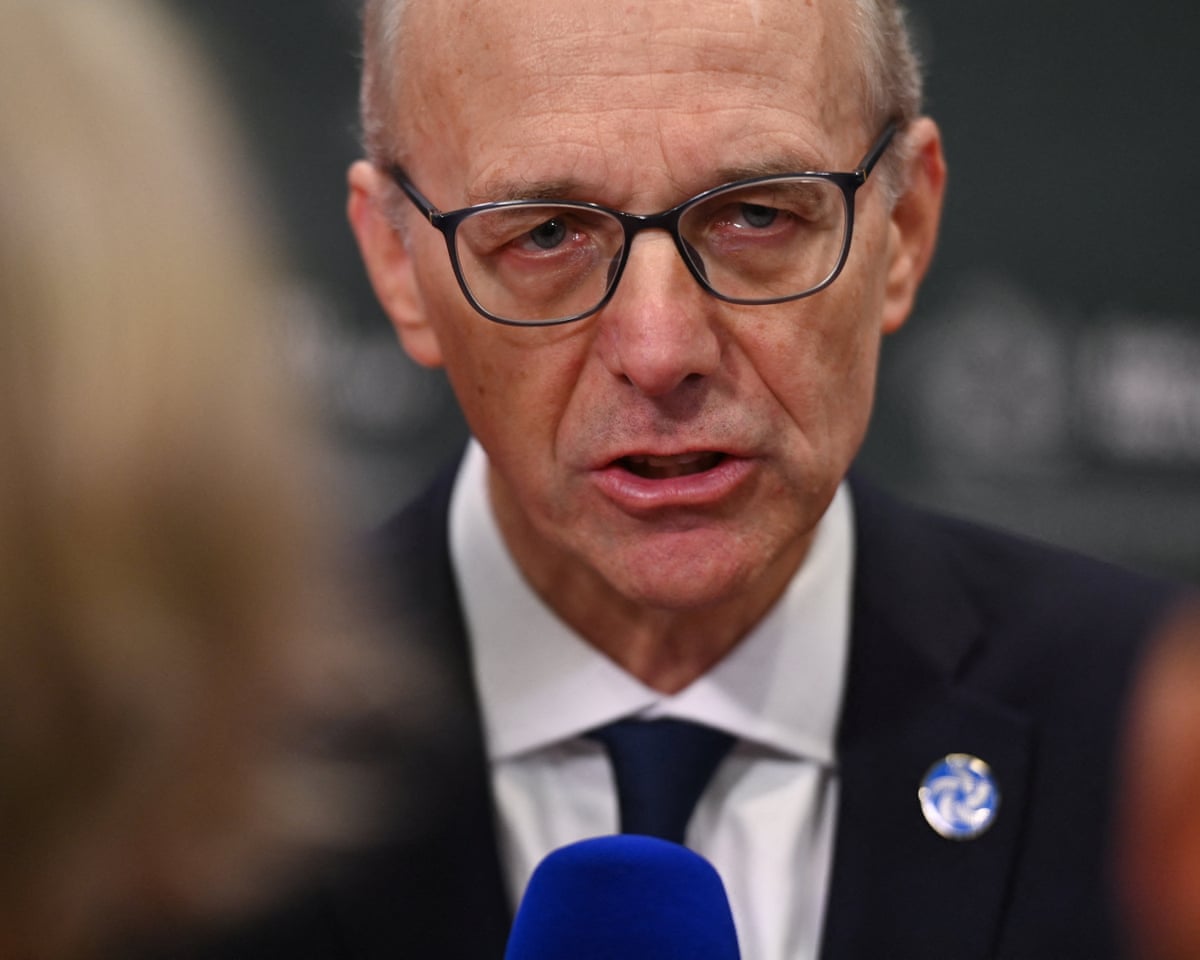
Luxembourg's Prime Minister Luc Frieden, representing Belgium and the Netherlands alongside his own country due to political crises at home, backed European Council President António Costa as the appropriate negotiator. Frieden emphasized that
we cannot let neither the Americans nor the Russians decide about our future,while noting that Costa
has an important role to play.He confirmed alignment among the three Benelux nations, stating they are
on the side of Ukraine,and stressed the need for
solidarity of all 27 member stateson further financial support for Kyiv.
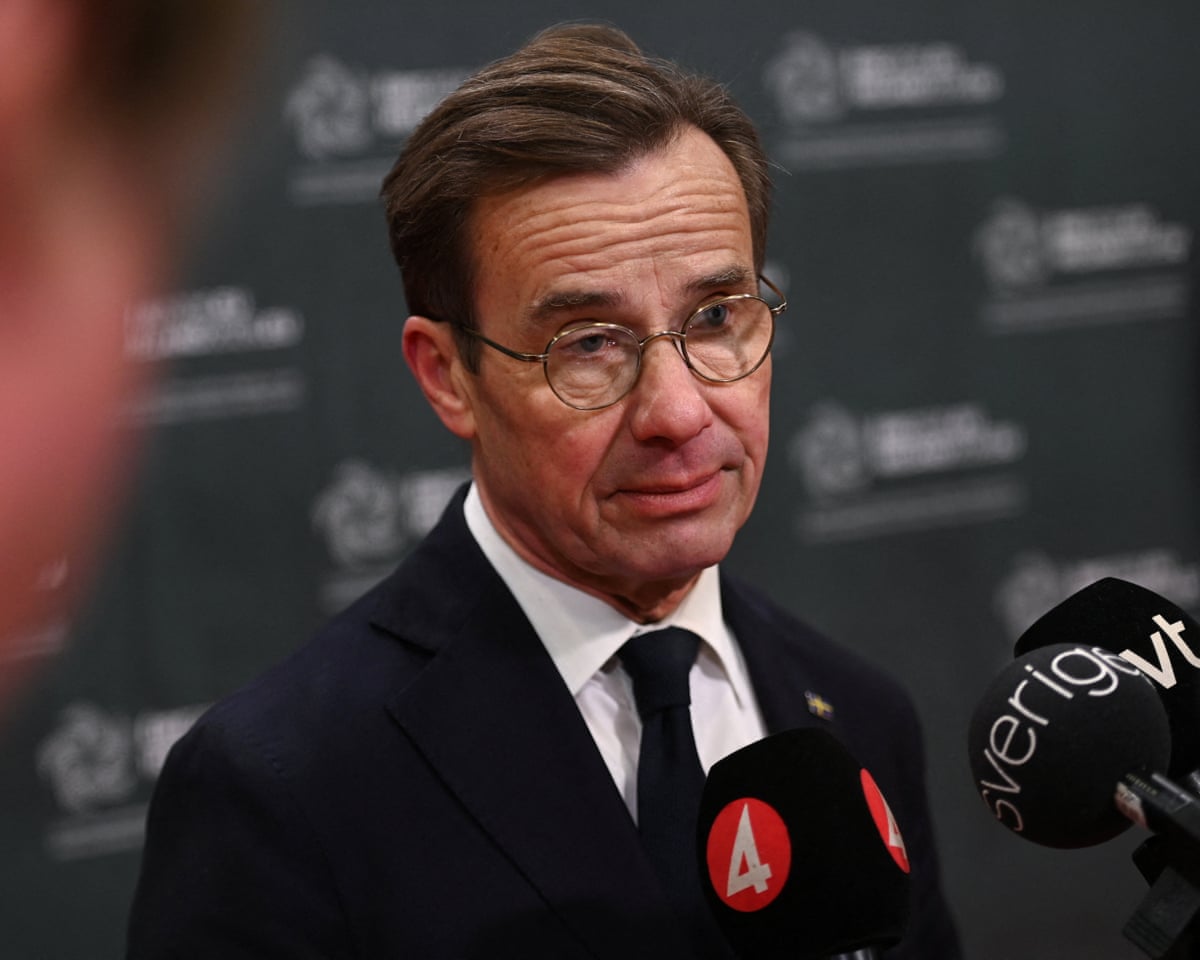
Sweden's Prime Minister Ulf Kristersson suggested the focus should remain on substance rather than personalities.
I think what we actually say is more important than the exact configuration of the people in the room,he said, noting that some issues represent
pure EU intereststo be handled by EU institutions, while others should involve larger nations including the United Kingdom.
What Winter Support Will Ukraine Receive?
Denmark's Prime Minister Mette Frederiksen stressed the urgency of agreeing on a winter support package for Ukraine, warning of the challenges ahead.
So if everybody could put something on the table, that would be very welcome,she told Irish leaders, emphasizing the need to
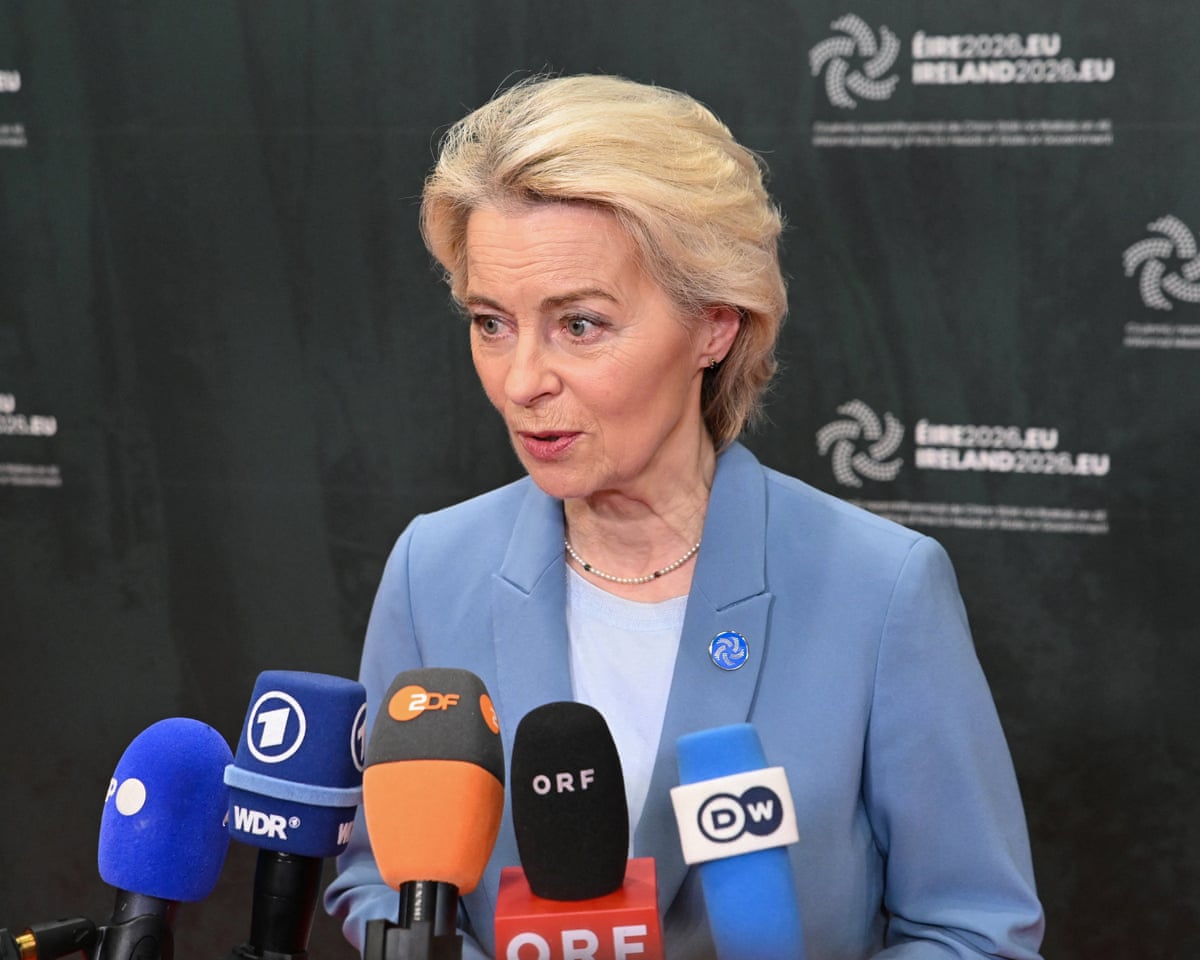
get them through a tough, tough winter.European Commission President Ursula von der Leyen committed to presenting a comprehensive financing proposal.
We will come forward as a commission with a proposal for the financing of the Ukrainian needs in 2027, and with the 22nd sanctions package before the next European Council,she announced.
The European Commission is already mobilizing substantial resources to address Ukraine's immediate needs. According to the European External Action Service, the Commission is deploying 500 generators, supporting emergency centres, and facilitating the delivery of four floating bridges from Norway and 200 buses to Ukraine. These measures aim to bolster Ukraine's capacity to withstand Russian attacks on critical infrastructure during the winter months.
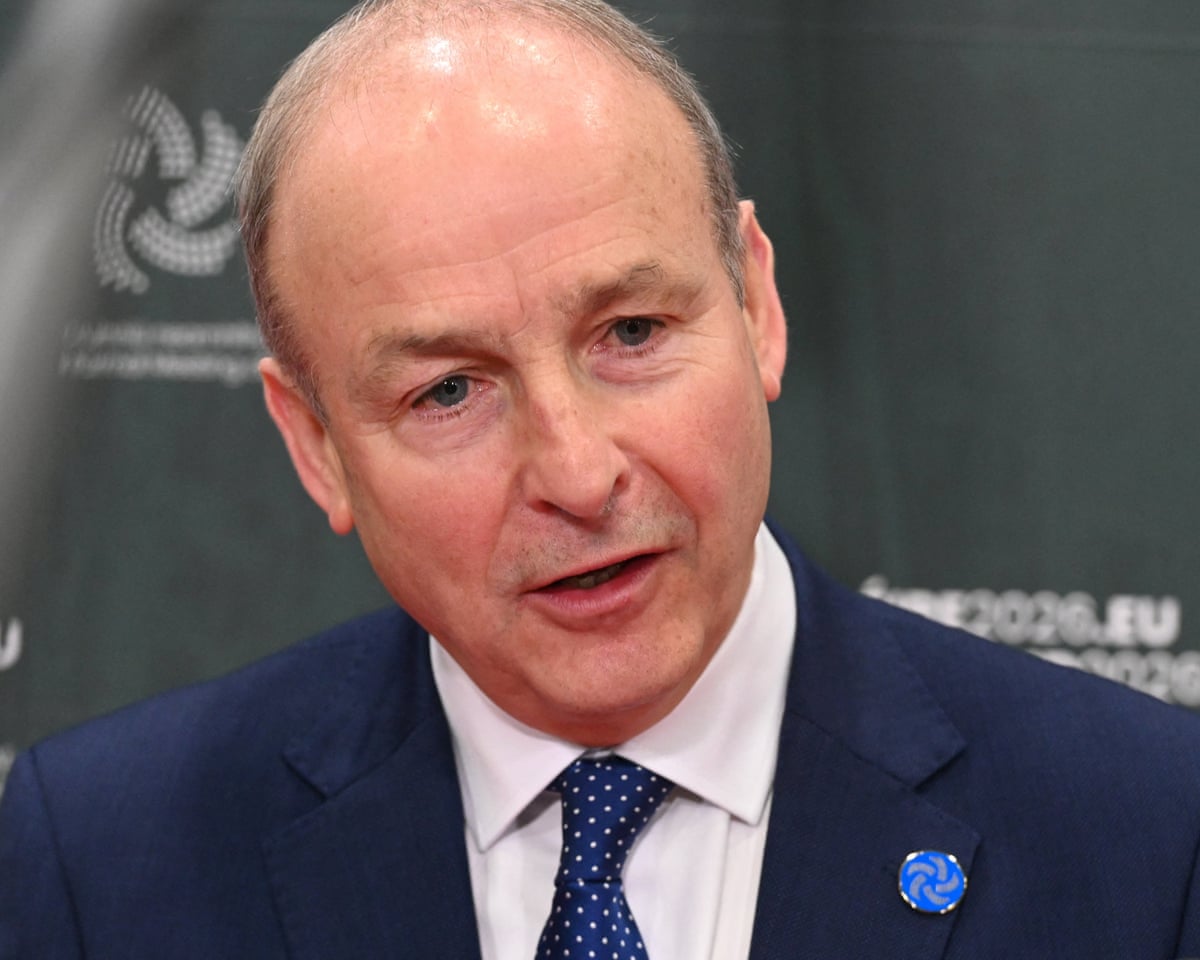
Ireland's Prime Minister Micheál Martin outlined the scope of discussions, stating that
the substance of any peace agreement is as important as who represents Europe. Europe needs to be very clear in terms of what would constitute a sustainable peace for the continent, well into the future. Security guarantees are a significant part of that, and also the reconstruction of Ukraine.He indicated that outstanding questions on Europe's priorities and representation needed resolution
in the next week or two.
What Are European Leaders Saying About Russia's Demands?
Multiple European leaders rejected Russia's assertion that European security architecture should be renegotiated as part of peace talks. Estonian Prime Minister Kristen Michal characterized such demands as
a mental trap,questioning the premise itself.
Does anybody really think that Europe is a threat to Russia? This is not sane talk to be honest.He urged European backing for Ukraine's position, stating that
the European plan for a while has been quite simple: help Ukraine push Russia and so should it be.
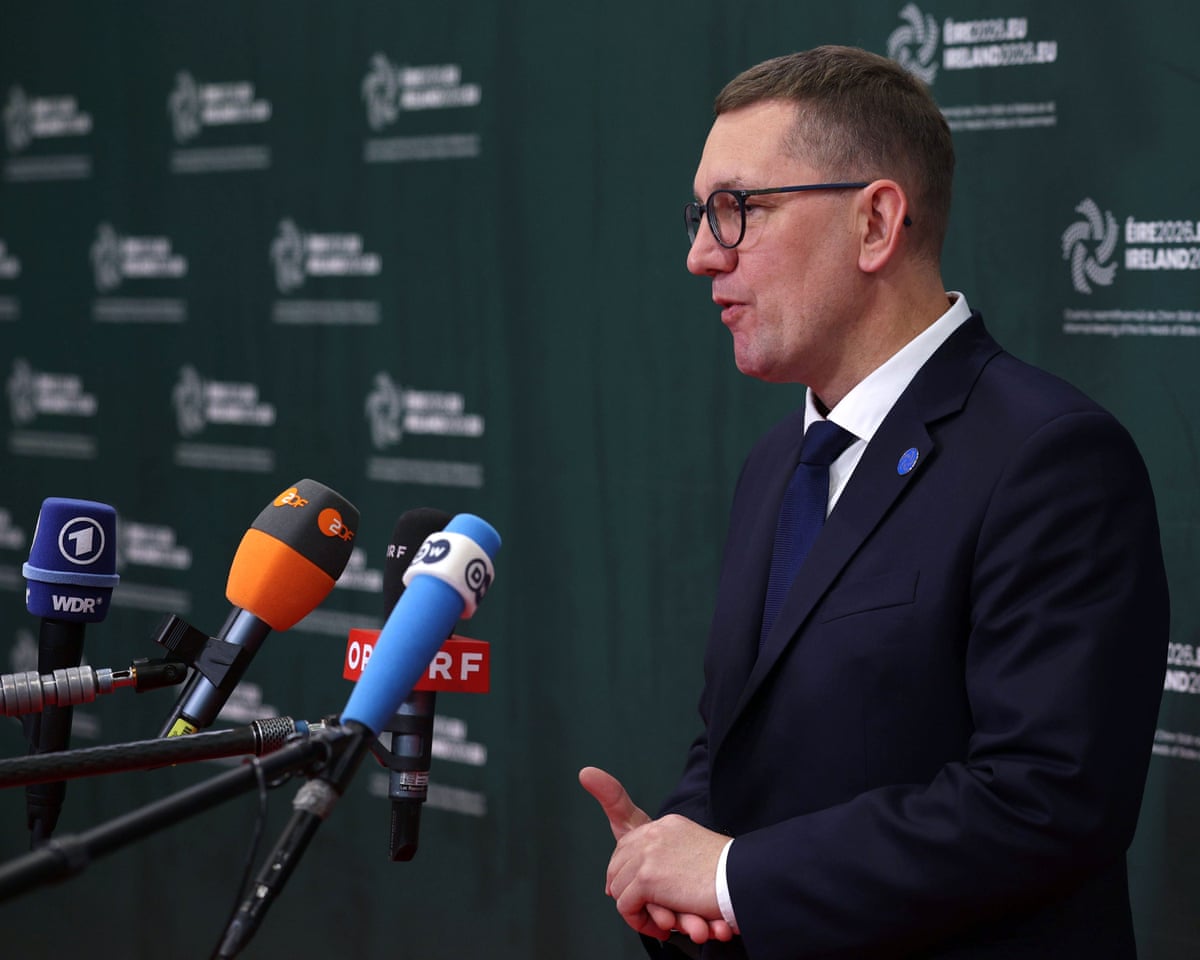
Michal warned that Ukraine faces
winter like hell again,with Russia
bombing everything,and urged European leaders to intensify their support. He emphasized that
Putin has to change his goals because the war, aggression, and killing of women, children, and civilians would stop right now if he gave an order.Regarding representation, Michal suggested that Costa and Kallas were
the persons to do itif the EU needed to send negotiators.
European Council President António Costa summarized the consensus position on security architecture:
There is no need to reinvent the wheel. Europe had a functioning European security architecture until it was first, gradually undermined, and ultimately destroyed by Russia's invasion of Ukraine.UK Prime Minister Andy Burnham reinforced this stance, emphasizing that
Russian demands to put the question of European security architecture or European security arrangements into this negotiation – that is not up for negotiation. It is for Europe to decide its own arrangements. Europe and Europe alone.
What Is the Status of European Security Commitments?
The previous day's European Political Community summit in Dublin demonstrated broad European consensus on security principles. Nearly 50 leaders attended the summit, with 43 countries signing a declaration affirming that European states bear primary responsibility for the continent's security. This declaration signals unified European determination to shape its own security future independent of Russian demands.
Von der Leyen emphasized the necessity of European involvement in peace negotiations.
It is self-explanatory that Europe should be included in the peace talks on Ukraine to safeguard our interests, but also to support Ukraine.She outlined the Commission's broader agenda, noting that discussions would address
the risks but also the opportunities associated with the rise of AI.
What About Sweden's Government Formation?
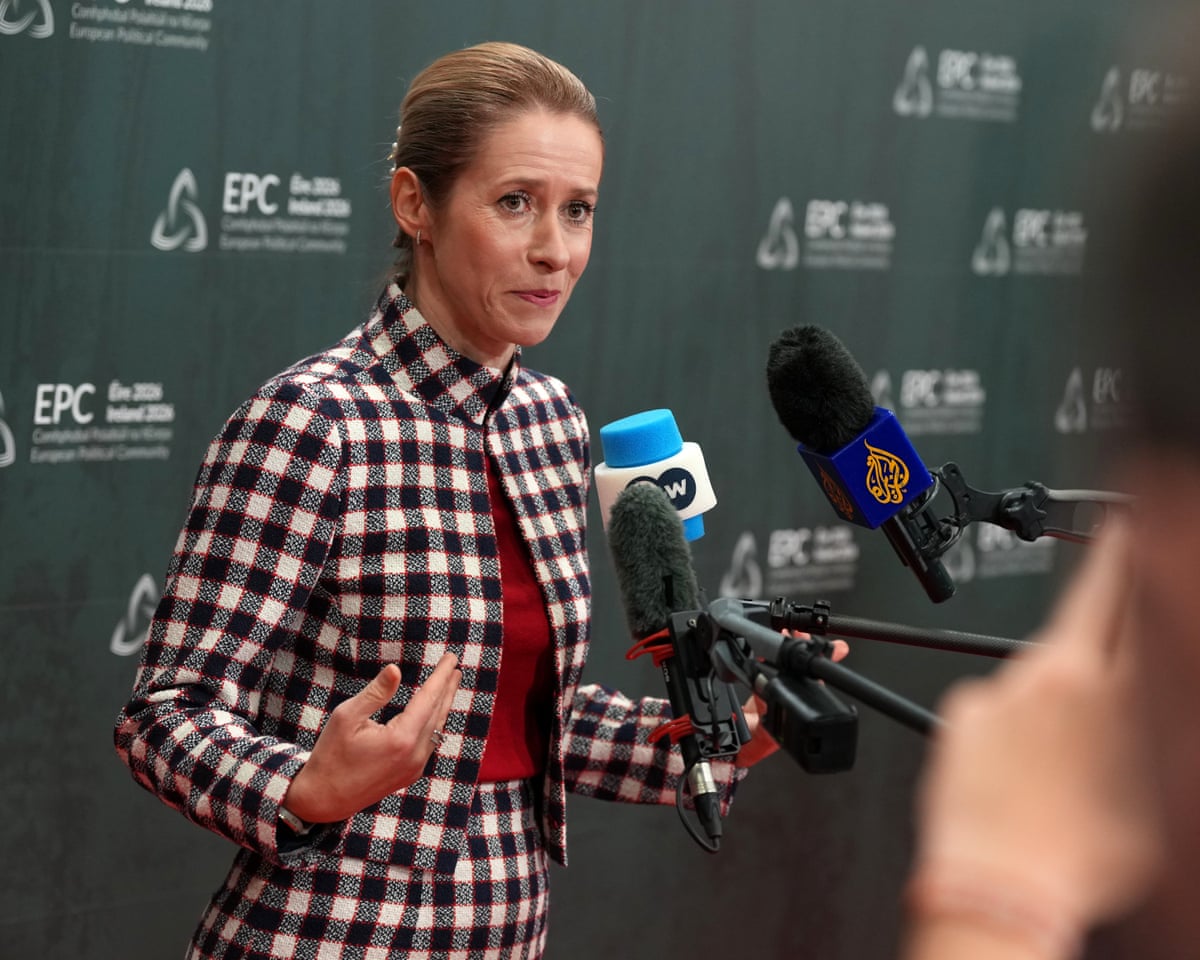
Sweden's Prime Minister Ulf Kristersson used the Dublin summit to advance his efforts to form a centre-right government. He confirmed that he would submit a proposal to the Swedish Centre Party later that day, more than 60 days after the election, in an attempt to break the political deadlock. The Centre Party holds the balance of power and has requested competing proposals from both the centre-left Social Democrats and centre-right Moderates on how they could govern together.
Kristersson adopted a conciliatory tone in courting the centrists.
I recognise that the Centre Party is under immense pressure right now – at times, the rhetoric has been quite harsh, bordering on insulting. I have no intention of engaging in that; instead, I respect the Centre Party's right to choose its own path.He declined to detail his specific proposals, stating they were
intended for their own internal deliberations,but characterized his offer as
a policy reform agenda representing a centrist, center-right political approach.
The centre-left alternative, led by Social Democrats' Magdalena Andersson, faces obstacles from the Left Party's demands for cabinet positions, which the Centre Party has deemed unacceptable. Kristersson's centre-right option presents its own complications, as it would require the Centre Party to tolerate the far-right Sweden Democrats in a supporting role, though the Democrats would remain outside government.
On Ukraine policy, Kristersson expressed skepticism about ongoing negotiations.
What Russia does speaks volumes more than anything Russia might say during various negotiations,he stated, adding that he did not have
high hopesabout current talks, though he believed pursuing them remained worthwhile. He downplayed the significance of personality-driven debates about representation, suggesting that
I am quite flexible on that. I think what we actually say is more important than the exact configuration of the people in the room.
What Lighter Moments Emerged at the Summit?
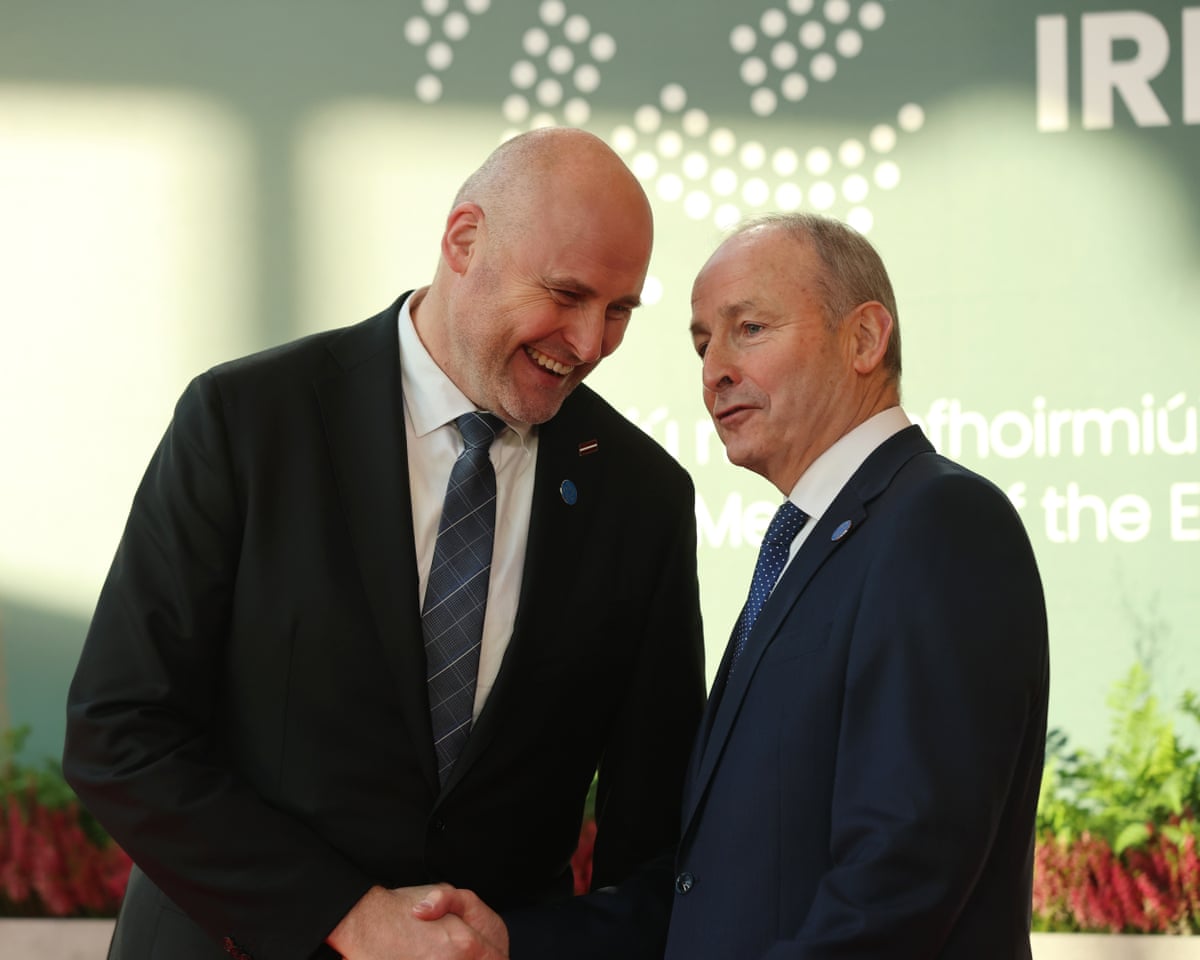
Despite the serious agenda, several moments of levity punctuated the Dublin gathering. Latvia's Prime Minister Andris Kulbergs delivered a memorable intervention, declaring that
we, as Europe, have to grow some bigger balls.He elaborated:
I think we as Europe have to grow some bigger balls, because we are bigger in size, in military might, in all the economic aspects. Look where is Russia: Russia is not capable of even taking such an, in size, in population, smaller power as Ukraine, which is showing a great, great spirit and fighting back for the fifth year. And Russia is raising points that we have no accept? Sorry, that's the aggressor, losing on the frontline. We should be raising our expectations, what has to be done in terms of Ukraine's security.
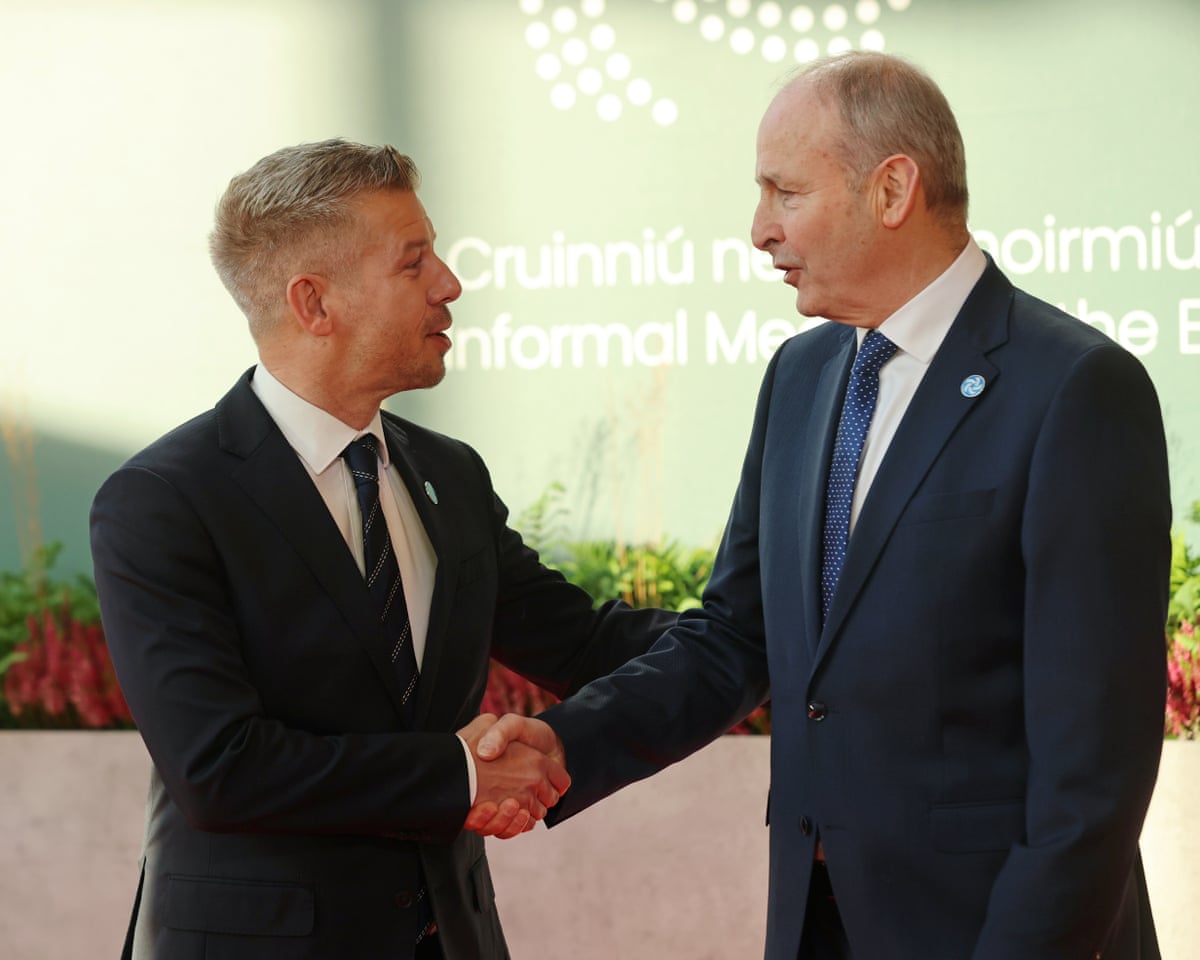
Hungary's Prime Minister Péter Magyar drew attention for his sartorial elegance and his apparent detour to a Dublin pub the previous evening. He posted on Instagram with the caption
Hold my beer,alongside an image of himself attempting to pour a perfect pint of Guinness. The previous night's dinner at the National Gallery, prepared by chef Mark Moriarty, received widespread praise. The menu featured smoked wild salmon from Cork, Wicklow-reared beef, cabbage grown in Dublin, and rapeseed oil produced in Donegal. French President Emmanuel Macron was sufficiently impressed to visit the kitchen and commend the chef personally.
A diplomatic protocol moment arose when several leaders—including Germany's Friedrich Merz, Finland's Petteri Orpo, Sweden's Ulf Kristersson, Denmark's Mette Frederiksen, and Austria's Christian Stocker—opted to walk together to the venue. This created an awkward sequence of deference at the entrance regarding who should enter first to meet Irish Prime Minister Micheál Martin. Merz eventually resolved the impasse by suggesting
ladies first,prompting Frederiksen to proceed with a knowing glance.
The weather featured prominently in doorstep conversations among arriving leaders, with several remarking on Dublin's appearance in the morning sun. The official welcoming handler joked that
it's always like that in Dublin in November… almost.Cyprus's Nikos Christodoulides and Greece's Kyriakos Mitsotakis expressed more skepticism about the conditions, reflecting their southern European perspectives.
What Happens Next?
EU leaders face critical decisions in the coming weeks regarding both Ukraine's future and European representation in peace talks. The European Commission plans to present its proposal for Ukraine's 2027 financing needs at the European Council meeting scheduled for 26–27 November, alongside the 22nd sanctions package against Russia. EU foreign ministers are scheduled to convene in Brussels on 16 November to discuss winter support measures for Ukraine and Russia's hybrid activities.
The selection of a lead EU negotiator remains unresolved, with Martin indicating that decisions on representation and Europe's negotiating priorities must be finalized within one to two weeks. The expansion of peace talks to include European participants represents a significant diplomatic shift, requiring the EU to present a unified position on what constitutes a sustainable peace settlement, security guarantees for Ukraine, and the continent's reconstruction needs.
Meanwhile, the Dutch government crisis continues to develop, with Prime Minister Rob Jetten working to prevent the collapse of his minority cabinet amid broader political instability across several EU member states. The convergence of these challenges—Ukraine's winter survival, peace negotiation strategy, AI regulation, and internal EU political turbulence—underscores the complexity facing European leadership as it attempts to navigate unprecedented geopolitical and technological transitions.