

Two passenger trains came off the tracks in England within a 24-hour period this week, prompting Network Rail to acknowledge that the fifth heatwave of the summer had placed severe strain on the rail network. No injuries were reported after a Greater Anglia service derailed near Wickford, Essex, on Friday, a day after a Southern train derailment near Lewes, East Sussex, left two passengers seriously hurt.
British Transport Police confirmed that the rear carriages of the Greater Anglia train came off the tracks "in an upright position" close to Wickford station, with no reported casualties. According to a live blog run by a national broadcaster, the incident happened near an overhead pedestrian walkway between Salcott Crescent and Russell Gardens, roughly one kilometre east of the station. The service had been travelling from Southend to Liverpool Street with around 40 passengers on board, having left Rayleigh at 2.06pm before failing to arrive at Wickford by its scheduled time of 2.11pm.
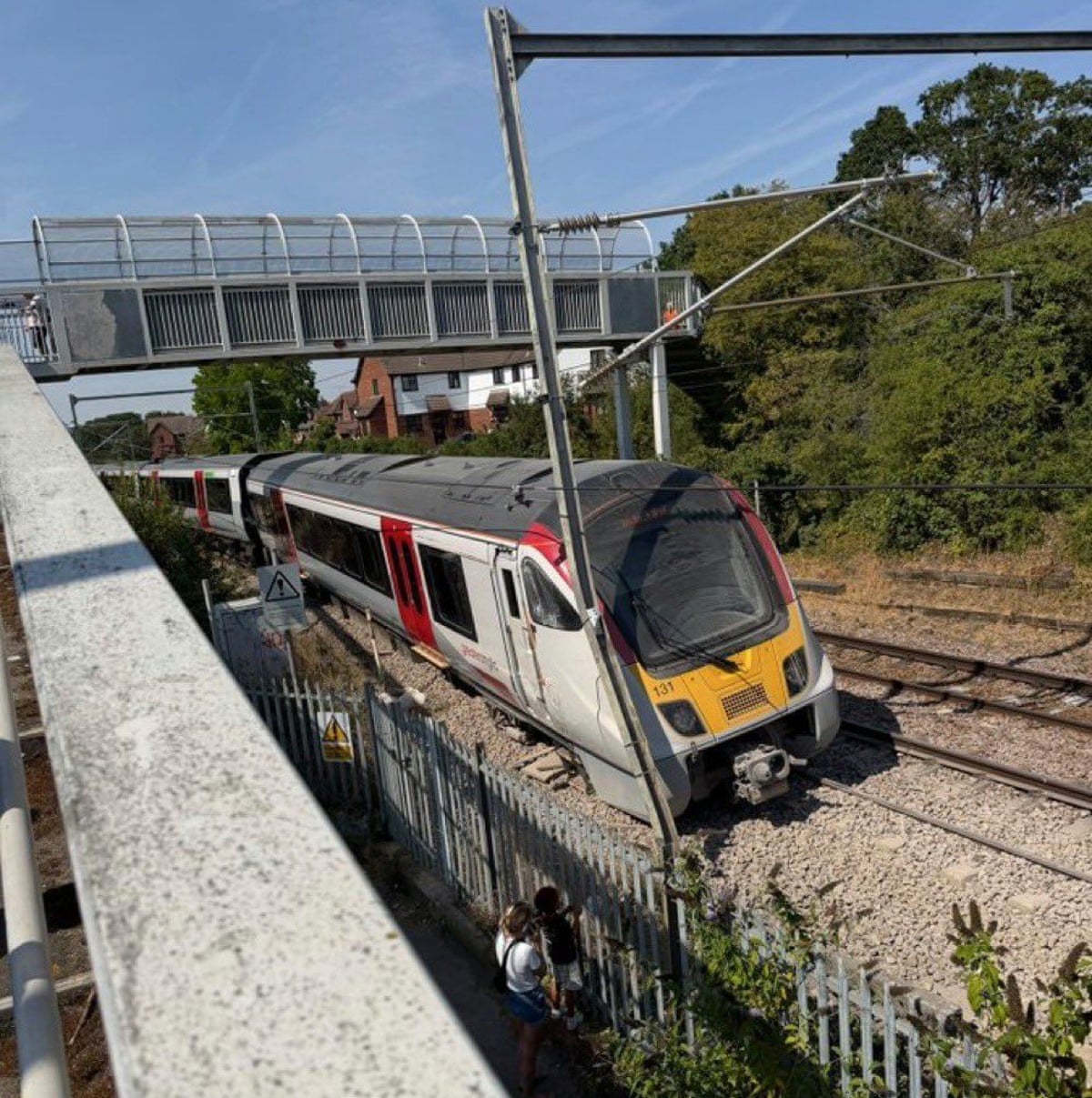
National Rail's website confirmed that all lines between Wickford and Southend Victoria had been shut, halting services between London Liverpool Street and Southend Victoria. The Rail Accident Investigation Branch said on social media that it had sent inspectors to the site to begin gathering evidence.
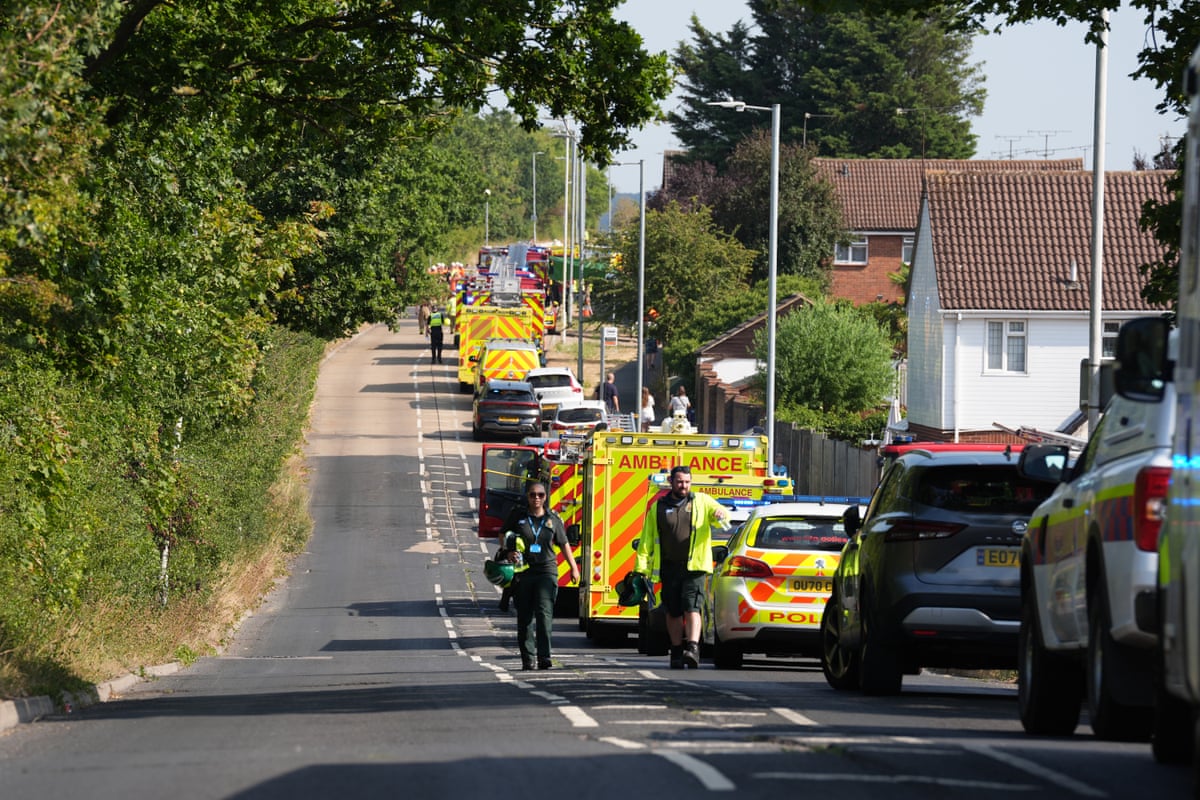
What happened at Lewes the day before?
The Lewes incident occurred on Thursday afternoon when a Southern service travelling from London Victoria to Eastbourne came off the tracks, with three carriages ending up on their side. British Transport Police confirmed roughly 150 people had been on board, and the train was evacuated after passengers became trapped. Two people were taken to major trauma centres with severe injuries, though police said on Friday that these injuries were not considered life-threatening.
Additional figures reported by a wire agency put the overall injury toll at 11, comprising two serious cases and nine less severe injuries, while a regional broadcaster reported that 18 injured passengers had since been discharged from hospital. The exact totals vary slightly between these accounts, but all confirm that the majority of casualties were treated and released.
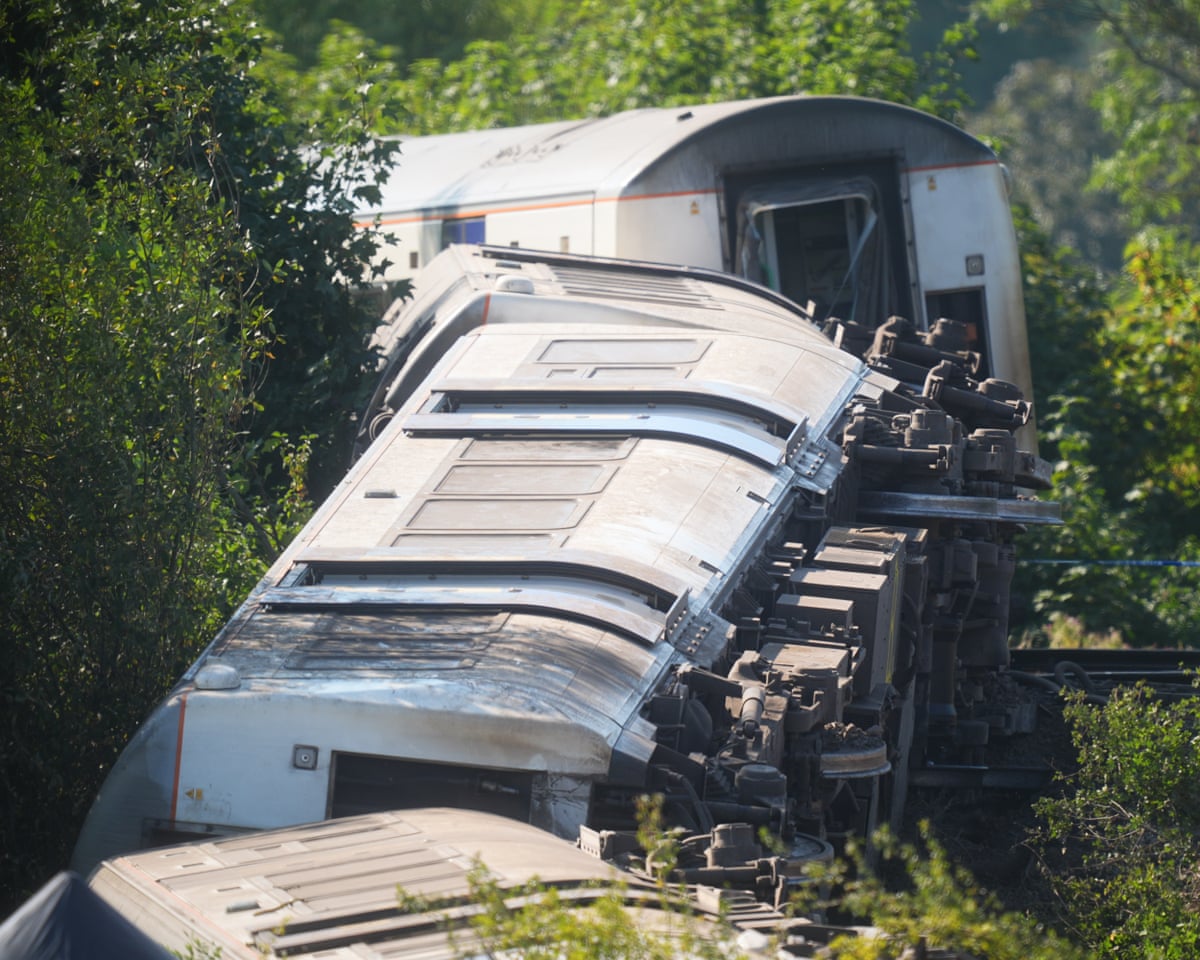
The Lewes derailment followed earlier disruption on the same day, including a separate third-rail fault and an earlier derailment at Selhurst that had already caused knock-on delays across the region, as previously reported in our coverage of the Lewes derailment.
How is Network Rail responding to the heatwave?
Martin Frobisher, group safety and engineering director at Network Rail, said the organisation was working to establish what had happened at both sites.
"working quickly to understand the situation and to provide assistance where needed"
He appealed for the public not to speculate about the cause of either derailment, saying Network Rail would carry out its own internal investigations into contributing factors. He described the toll of this summer's weather in stark terms.
"The unprecedented hot and dry weather that we have experienced this summer has presented exceptional challenges to the railway. In response, we have taken several additional proactive steps to manage and mitigate the impact on the railway, including closely monitoring the temperature of tracks, implementing speed restrictions where it is appropriate to do so, and planning track renewals around high temperatures."
Frobisher added that despite public concern, the network's safety record remained strong.

"We will also conduct our own internal investigations, in which we will look at all possible causes and factors. I appreciate the public will be concerned at the news of two derailments of passenger trains over a short period of time, but I want to reassure them that Britain's railways still rank among the safest in the world and that safety is always our first consideration on the railway."
This summer's heat has repeatedly disrupted services across the country. Passengers were previously urged to travel only if essential when temperatures reached 40C, prompting Chiltern Railways to cancel more than half its timetable, while rails buckled at Leamington Spa in late June, forcing suspensions and delays. More recently, persistent drought has been shrinking soil beneath tracks across southern England, driving further speed restrictions.
What have officials and experts said about the cause?
John Whitehurst, chief executive of Govia Thameslink Railway, which operates Southern services, praised four railway staff on board the Lewes train – the driver, an onboard supervisor, a spare driver and an off-duty colleague – for acting quickly during the evacuation.
"Their actions are a powerful example of colleagues putting passengers first in very difficult circumstances."
In a radio interview, Whitehurst insisted the railway remained safe to use in hot weather, describing derailments as extremely uncommon.
"incredibly rare"
He said he was "deeply saddened" by what had happened.
"was a very serious incident and I'm deeply saddened by it"
He confirmed that a full inquiry was already under way with the Rail Accident Investigation Branch.
"a full investigation"
Richard Bowker, a former chair of the Strategic Rail Authority, said investigators would examine how the heat had affected the damaged section of track, including whether the ground beneath it had dried out. James MacCleary, the Liberal Democrat MP for Lewes, said local concerns had already been raised about tracks becoming "a bit bumpier in recent months" as a result of repeated heatwaves.
Railway engineer Gareth Dennis, author of How the Railways Will Fix the Future, said that although no direct link between the two derailments had been confirmed, the timing was striking.
"the likelihood of two similar derailments in the hottest part of the country happening in quick succession without a common cause is extremely low"
Dennis said a track buckle was a strong possibility in both cases, occurring when steel rails expand in extreme heat and snap into a distorted shape under the weight of a passing train, though he noted other causes could not yet be ruled out. Xueyu Geng, a professor of ground engineering at the University of Warwick, said steel rail is known to expand markedly in extreme heat, with each 1C rise in temperature producing roughly 11mm of expansion per kilometre of track.
What happens next?
According to National Rail, the line between Lewes and Haywards Heath remains closed "until further notice" while detailed assessments and repairs continue. A national broadcaster's live coverage reported that significant delays on the Wickford route were expected to persist until around 6pm on 14 August 2026 while investigators worked at the scene.
Southern has urged customers travelling over the weekend to check services in advance, warning of significant disruption across parts of the network until further notice, with trains expected to be extremely busy and passengers advised to allow at least an extra hour for their journeys.
A Department for Transport spokesperson confirmed the department was monitoring the Wickford incident closely.
"We are aware of a derailment involving a Greater Anglia train near Wickford, Essex. The train is upright, there are no reported injuries and investigators have already been deployed to the site."
The spokesperson added:
"Our railways remain amongst the safest in the world and while incidents like this are extremely rare, when they do occur, they are taken very seriously."
Key Facts
- Greater Anglia train derailed near Wickford, Essex, on Friday with about 40 passengers aboard; no injuries reported.
- Southern train derailed near Lewes, East Sussex, on Thursday with roughly 150 passengers aboard; two people seriously injured, with total injury counts reported between 11 and 18 depending on source.
- Network Rail says this summer's fifth heatwave has posed "exceptional challenges," prompting speed restrictions and track monitoring.
- The Lewes-to-Haywards Heath line remains closed "until further notice" pending investigation and repairs.
- Experts say rail expansion in extreme heat, potentially causing track buckling, is a leading theory being examined by investigators.


