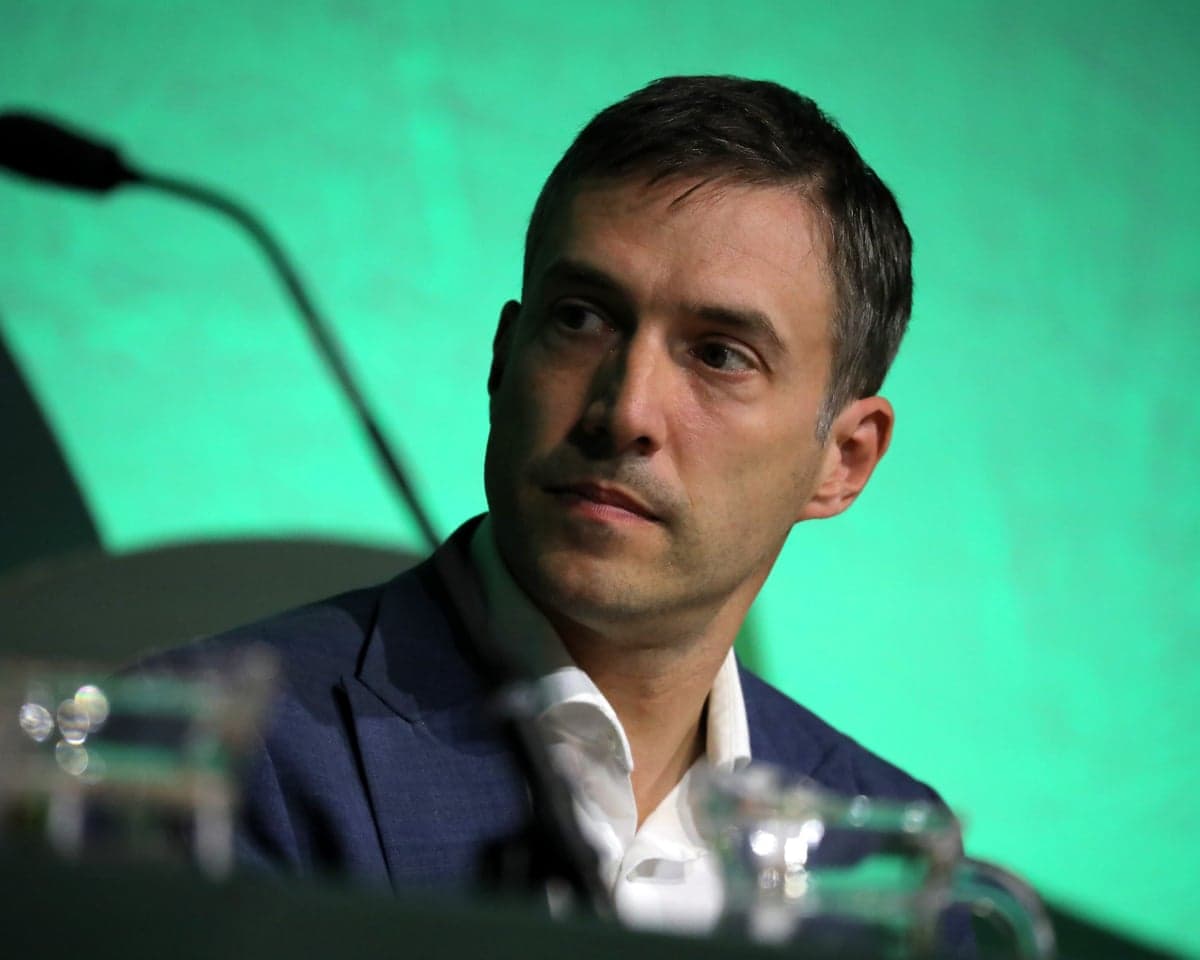
Adrian Ramsay, the former Green Party leader and current MP for Waveney Valley, has warned that the party must urgently reform its internal democracy to prevent capture by hard-left activists who would be better suited to other political movements. Speaking to the BBC, Ramsay expressed concern that some newly recruited members with roots in far-left organising were using divisive tactics to reshape the party's direction and values.
According to The Guardian, Ramsay said the party faced a critical juncture and risked adopting the fractional, tribal approach to politics associated with hard-left groups. He identified individuals who had migrated to the Greens after the collapse of other left-wing ventures, including George Galloway's party and Jeremy Corbyn's Your Party, as particularly problematic.
"There is a small number of people who have joined, perhaps from the very hard left of politics, who might be more at home in the SWP or with George Galloway or with Your Party," Ramsay said. "They not only want to adopt some very hardline positions on certain issues, but have a very different culture to how they go about it."
What triggered Ramsay's concerns?
Ramsay's intervention centres on the party's controversial October conference decision to classify Zionism as racism. The motion passed with 1,022 votes in favour and 813 against, according to the Independent. Members also rejected an amendment designed to shield party members from pressure or discipline based on their affiliation with Jewish groups identifying as Zionist.
The vote has triggered significant backlash. The BBC reported that the Board of Deputies of British Jews voted 118–1 to declare the Greens a racist party, a characterisation the party has rejected. Israel's foreign ministry subsequently barred Green Party leader Zack Polanski from entering the country following the conference motion, though Polanski did not participate in the vote itself.
Ramsay has been particularly critical of the decision-making process. He pointed out that only 0.4 per cent of the party's membership voted on the motion, yet it now determines official party policy. "I don't think that's reflective of party members as a whole, it's certainly not reflective of those I speak to," he said, calling for a ballot or survey of the wider membership to establish whether the decision truly represents the party's values.
How does this relate to earlier party tensions?
The Zionism motion controversy builds on earlier concerns about extremist infiltration that emerged after Polanski's election as leader. The shift toward left-populist politics under his leadership has coincided with a dramatic surge in membership. Over 150,000 members have joined the party since Polanski took office, according to a statement from Greens Organise, the grassroots group that backed his leadership.
This membership explosion has strained the party's decision-making structures. The party has been reviewing its policy process as membership numbers have tripled, with discussions about how to enhance representation and address challenges posed by the current in-person voting system at annual conferences.
What reforms does Ramsay propose?
Ramsay called for significant changes to how the party makes policy decisions. He argued that the Green Party's core identity—rooted in consensus-building, environmental focus, and inclusive politics—was being undermined by the current system that allows small numbers of conference attendees to set binding policy.
He emphasised that the party must disavow the Zionism motion sooner than the two-year review cycle that party rules currently permit. "We need to find a way for this motion to be changed or rescinded sooner than the two years that Zack is talking about," Ramsay said. "Changing the fact that a policy can't be reviewed until two years is up" should be a priority.
Ramsay also stressed the need for the party to refocus on its foundational missions around climate, nature, and the cost-of-living crisis. "I think that will unite our members. I think it will ensure we still have a wide appeal as a party," he told the BBC Newscast podcast.
What is Ramsay's position on the Zionism motion itself?
When asked directly whether he views Zionism as racist, Ramsay was unequivocal: "No. I've made clear my position on the motion, as lots of other Greens have done." He acknowledged that the situation in Gaza is "appalling" but argued that the motion contradicts the Green Party's 2024 manifesto, which commits to supporting equal rights for both Palestinians and Israelis and self-determination for all peoples.
Ramsay also criticised Polanski's absence during the debate and vote. Despite fighting a byelection in Holborn and St Pancras at the time, Ramsay believed the party leader should have been present to express his position clearly on such a significant decision.
Will Ramsay leave the party or call for leadership change?
Despite his sharp criticism of the party's direction, Ramsay said he has no intention of quitting the Greens. "I've got no intention of going anywhere. What I want to see happen is this issue be clearly addressed," he said. He also stopped short of calling for Polanski to step down, focusing instead on demanding that the leadership take concrete action to resolve the crisis.
Greens Organise responded to Ramsay's intervention by noting that he had put forward his vision for the party's future a year earlier and lost by a landslide 84 per cent in the leadership election. The group argued that the party's growth under Polanski's leadership had brought "unprecedented electoral success" and that members deserved representatives focused on fighting for solutions to the country's crises rather than relitigating internal disputes.
The party said the Zionism motion would remain policy until 2028, though it would not necessarily appear in the next general-election manifesto, according to BBC reporting. This timeline has become a focal point of disagreement, with Ramsay and others arguing that waiting two years to revisit such a divisive decision risks further damage to the party's reputation and internal cohesion.