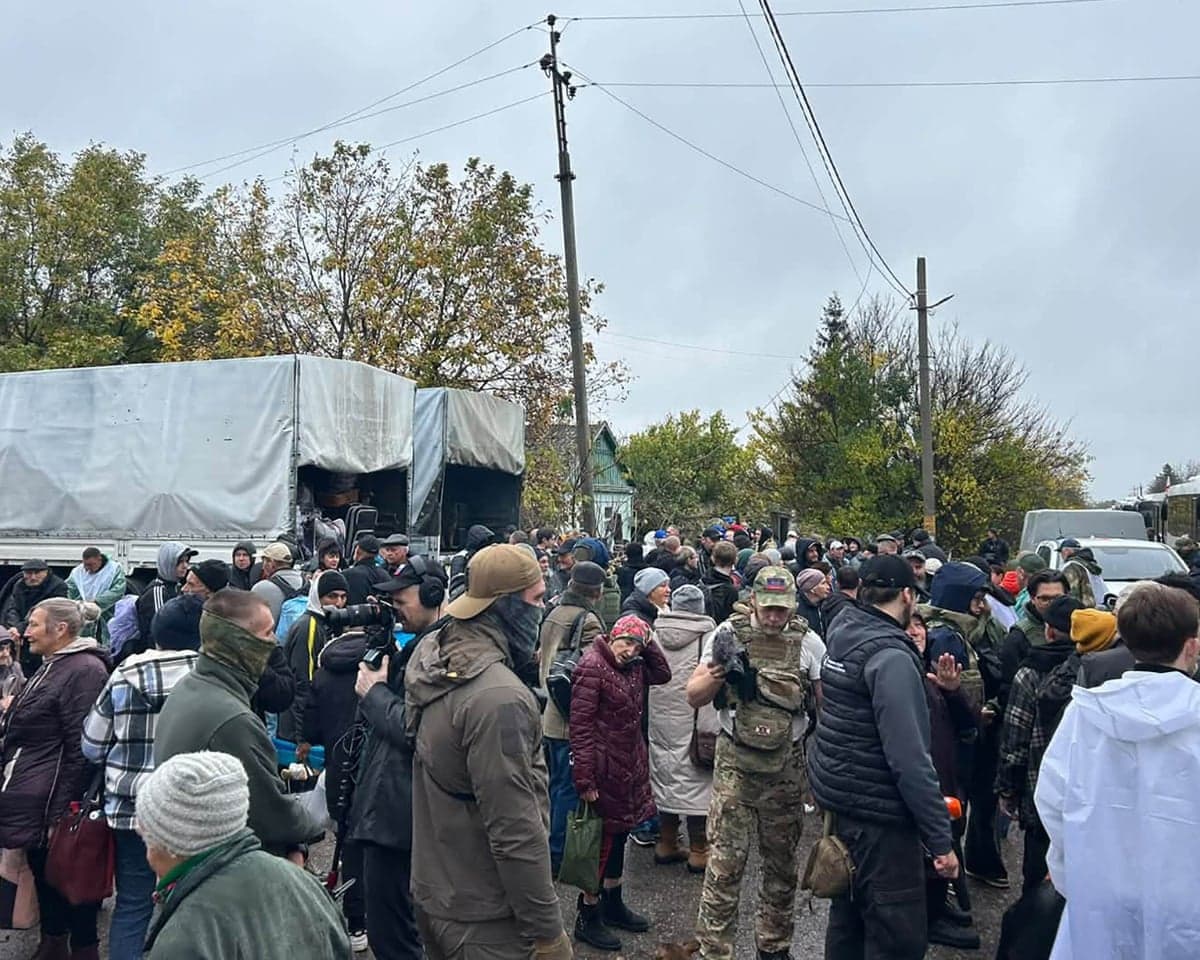
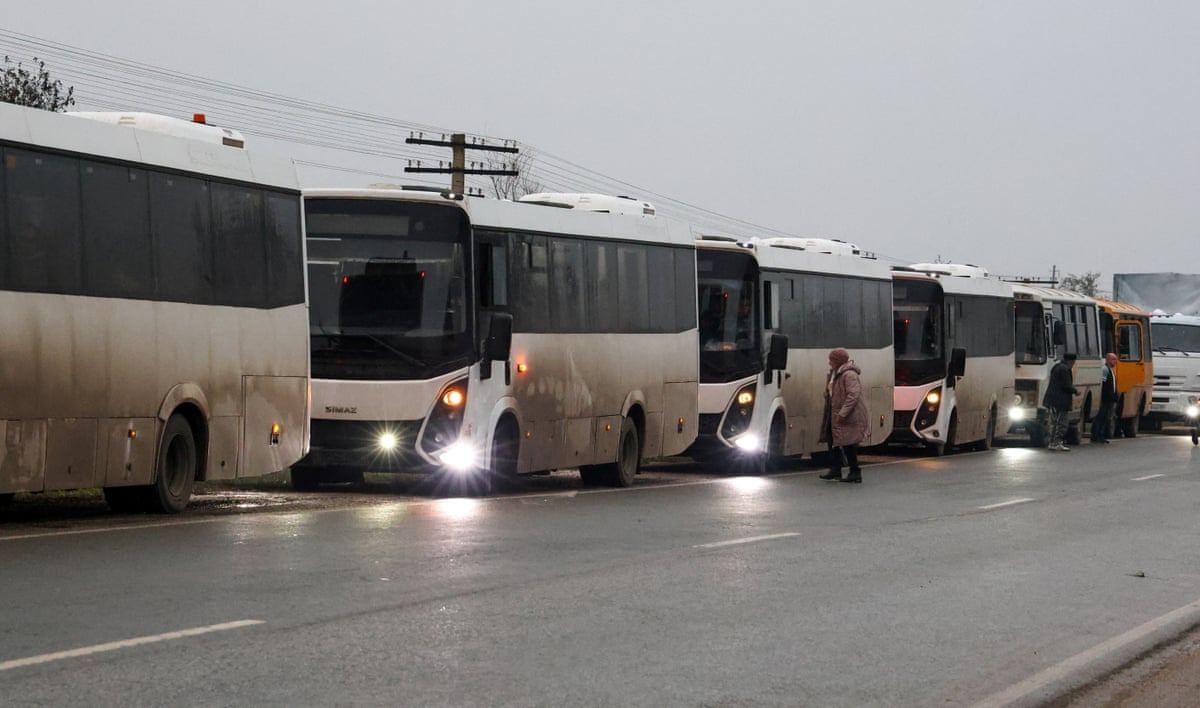
Residents of the besieged Russian-held city of Oleshky in southern Ukraine began evacuating on Friday as part of a joint humanitarian operation, marking the first coordinated relief effort of its kind in nearly five years of war. According to The Guardian, a convoy of 25 buses and ambulances delivered food and medicine while transporting those seeking to leave for either Russian or Ukrainian territory. Ukraine's prime minister confirmed that 527 residents planned to return to Ukrainian-controlled territory, with accommodation and medical checks being arranged for them.
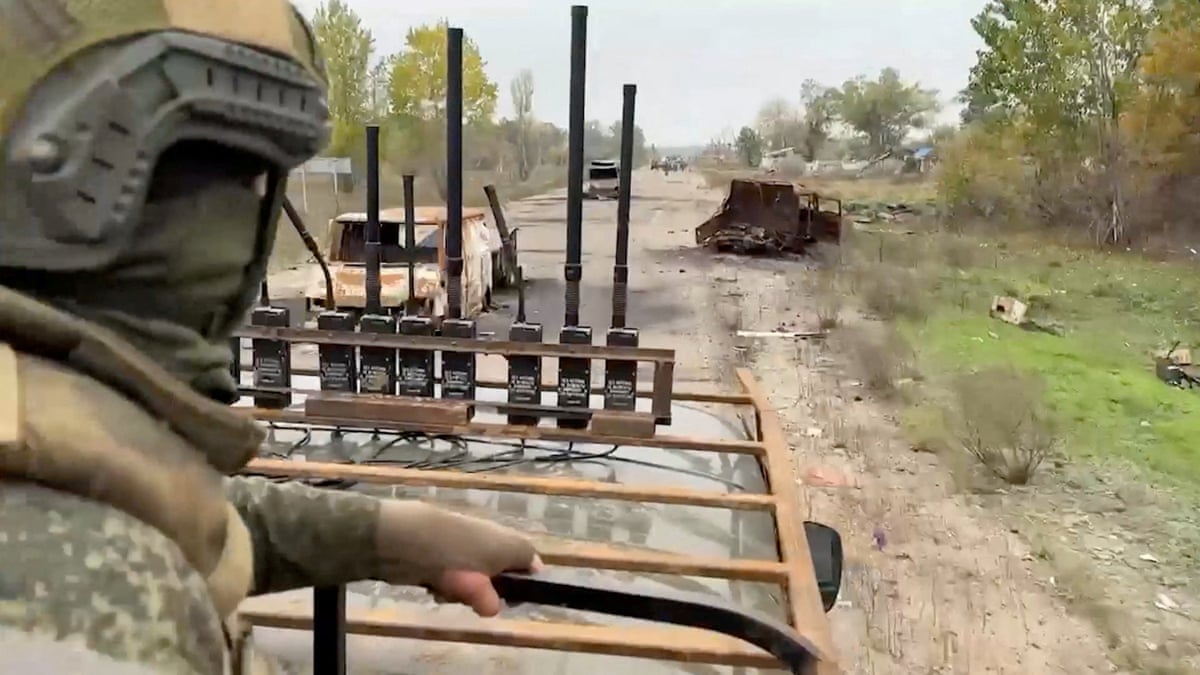
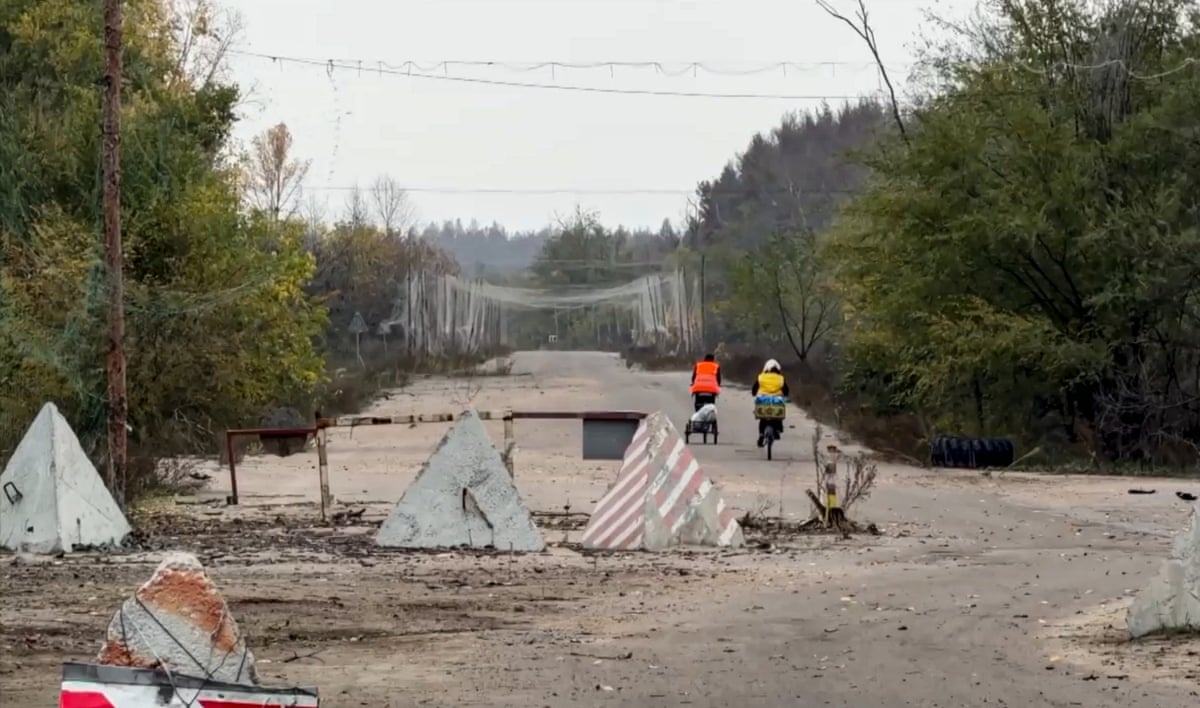
The city, situated on the Russian-occupied side of the Dnipro River opposite Kherson, has endured months of severe food and medical shortages that prompted warnings of starvation among the few thousand people remaining there. The operation became possible after authorities completed de-mining work on roads leading out of the city, though two people were killed during the demining effort, according to Russian ombudswoman Yana Lantratova.
The evacuation unfolded under a localized ceasefire that took effect on October 27, following an agreement reached on October 23 between Ukraine's ombudsman Dmytro Lubinets and his Russian counterpart Yana Lantratova. The ceasefire was reported to last until Sunday, November 1, 2026. The convoy arrived under conditions that the US first lady, Melania Trump, claimed to have helped broker—a rare example of cooperation between the warring sides. On Friday, the Kremlin described the arrangement as a special case that was difficult to extend to broader peace negotiations.
How are evacuees reaching Ukrainian territory?
Those departing for Ukraine face a lengthy and circuitous journey. Despite Ukrainian territory lying just 5 kilometers from Oleshky, evacuees must travel south to the Russian city of Anapa, then fly to Belarus, and finally drive across the border into Ukraine's Chernihiv region. Davyd Arakhamia, a lawmaker with Ukrainian President Volodymyr Zelenskyy's Servant of the People party who participated in the delegation to Oleshky, outlined the route:
From there, they will fly by plane to Belarus, and then travel by bus to their homes.
What conditions have residents endured?
Inhabitants of Oleshky have survived under dire circumstances for months. Some have subsisted on a cup of rice or buckwheat daily, occasionally supplemented with a tomato, cucumber, or wild plants. People have risked their lives navigating mine-strewn roads to obtain food and water. When Kyiv's delegation arrived late on Friday morning to prepare for the evacuation, footage on social media captured tearful residents embracing delegation members as they gathered in heavy rain to await the main convoy.
One woman identified as Anna told a member of the Ukrainian delegation:
Yes, we are on bus 20, my son is on bus 17. To Ukraine.Another older woman preparing to evacuate expressed her reasoning:
If we had our health, maybe we'd stay there a bit longer, but that's it. We just want to be with our children.A third resident told Ukraine's human rights ombudsman:
We've been through so much here in these five years.
Why are many residents choosing to stay?
According to authorities and volunteers, approximately 2,000 people remain in Oleshky, though up to 6,000 people, including 200 children, remained in Oleshky and nearby areas, according to reporting published October 30. Several hundred residents, predominantly older people, have decided not to leave. When Dmytro Lubinets, Ukraine's human rights ombudsman who coordinated the operation with his Russian counterpart, was told that many were staying, he responded:
I've been told that it's their own choice. At the very least, we'll do what we can to ensure that somehow humanitarian aid gets through.
Ksenia Arkhipova, a volunteer who previously lived in Oleshky and maintains contact with residents, reported that large numbers of Russian military personnel occupy the city. She told the Associated Press:
They are currently checking empty houses and, in some cases, moving into them.She added:
They are also pressuring local residents to evacuate to Russia, rather than to Ukraine.

What is the historical context of Oleshky's occupation?
Russian troops seized Oleshky during the opening days of the full-scale invasion of Ukraine in February 2022. The city has suffered extensive damage and was severely flooded following the destruction of the Kakhovka dam in June 2023, which lies upstream. The humanitarian operation represents a significant moment in the conflict, as Lubinets emphasized:
This is the first time since 2022 that a ceasefire has been established across such an extensive stretch of the frontline and has been maintained for such a significant duration.
What happens next?
The ceasefire is scheduled to remain in effect until Sunday, November 1, 2026. Aid distribution was scheduled to begin after 2:30 p.m. on October 30, following the evacuation window. The operation demonstrates the possibility of localized cooperation between Ukrainian and Russian forces on humanitarian matters, though the Kremlin has signaled reluctance to extend such arrangements to broader peace negotiations.
Key Facts
- A humanitarian convoy of 25 buses and ambulances evacuated residents from Oleshky on October 30, 2026, under a localized ceasefire that took effect on October 27.
- Ukraine's prime minister confirmed that 527 residents planned to return to Ukrainian-controlled territory, with arrangements being made for their accommodation and medical checks.
- Approximately 2,000 to 6,000 people remain in Oleshky, with many choosing to stay despite severe food and medical shortages that have prompted starvation warnings.
- The evacuation route requires residents to travel to Anapa in Russia, then fly to Belarus, before driving into Ukraine's Chernihiv region—a journey of hundreds of kilometers despite Ukrainian territory being only 5 kilometers away.
- The ceasefire, brokered with assistance from US first lady Melania Trump, is scheduled to last until November 1, 2026, marking the first extensive ceasefire across the frontline since the full-scale invasion began in February 2022.