According to The Guardian, both Ukraine and Russia reported significant cyber-attacks on their emergency air-raid warning applications overnight on 1 November 2026. The breaches represent the first major compromise of these critical communication systems during the ongoing conflict, potentially undermining one of the most important channels authorities use to alert citizens to incoming threats. Simultaneous strikes on energy infrastructure, including oil refineries in Zaporizhzhia and Odesa, accompanied the cyber-attacks.
The incidents exposed vulnerabilities in warning systems that have become essential to civilian survival in a conflict now in its fourth year. Residents across both nations received false alerts designed to cause panic, raising questions about the resilience of infrastructure meant to protect populations during wartime.
What happened in Kyiv's alert system?
Late on the evening of 1 November, Kyiv residents received a rapid succession of alarming false messages through their emergency alert application over approximately one hour. The messages warned of threats that did not exist: a nuclear radiation emergency, a chemical weapons attack, street-level combat within the capital, and incoming Oreshnik hypersonic missiles—weapons Ukraine currently lacks the capability to intercept.
The sequence of false alerts began at 22:47 with a radiation warning, followed at 22:48 by a message in Russian language stating
Hi! There will be a nuclear alert across . Don't worry, it's Oreshnik flying. At 22:49, residents received two further alerts:
Chemical threat. There is a threat of a chemical attack on Kyiv. Don't go outside.and
Street fighting threat. Street fighting is taking place in Kyiv. Don't go outside.All-clear messages were transmitted at 23:53.
The use of Russian language in one message served as an immediate indicator to authorities and residents that the alerts were fraudulent. Ukraine's Air Force issued clarification via Telegram within the hour, urging the public to disregard the messages and remain calm. According to Business Standard, Ukraine's Air Force said the alert application was gradually restoring operations early on 2 November.
How did Russia's system respond?
Hours after the Ukrainian incident, Russian authorities reported that their own emergency alert application had suffered what Deutsche Welle described as a "massive cyberattack." Russia's Emergencies Ministry did not initially identify the responsible party. A Ukrainian hacker group subsequently claimed responsibility, stating it had sent fake alerts warning of nuclear warheads to users within Russian territory.
Russia later clarified that its public alert system remained operational and that the compromised application was only a supplementary information service rather than the primary warning mechanism. According to The Independent, Russia's Emergencies Ministry emphasized that regions continue to rely on sirens, loudspeakers, text messages, television broadcasts and radio as alternative channels for public warnings, reducing the operational impact of the app breach.
What is the broader context of these attacks?
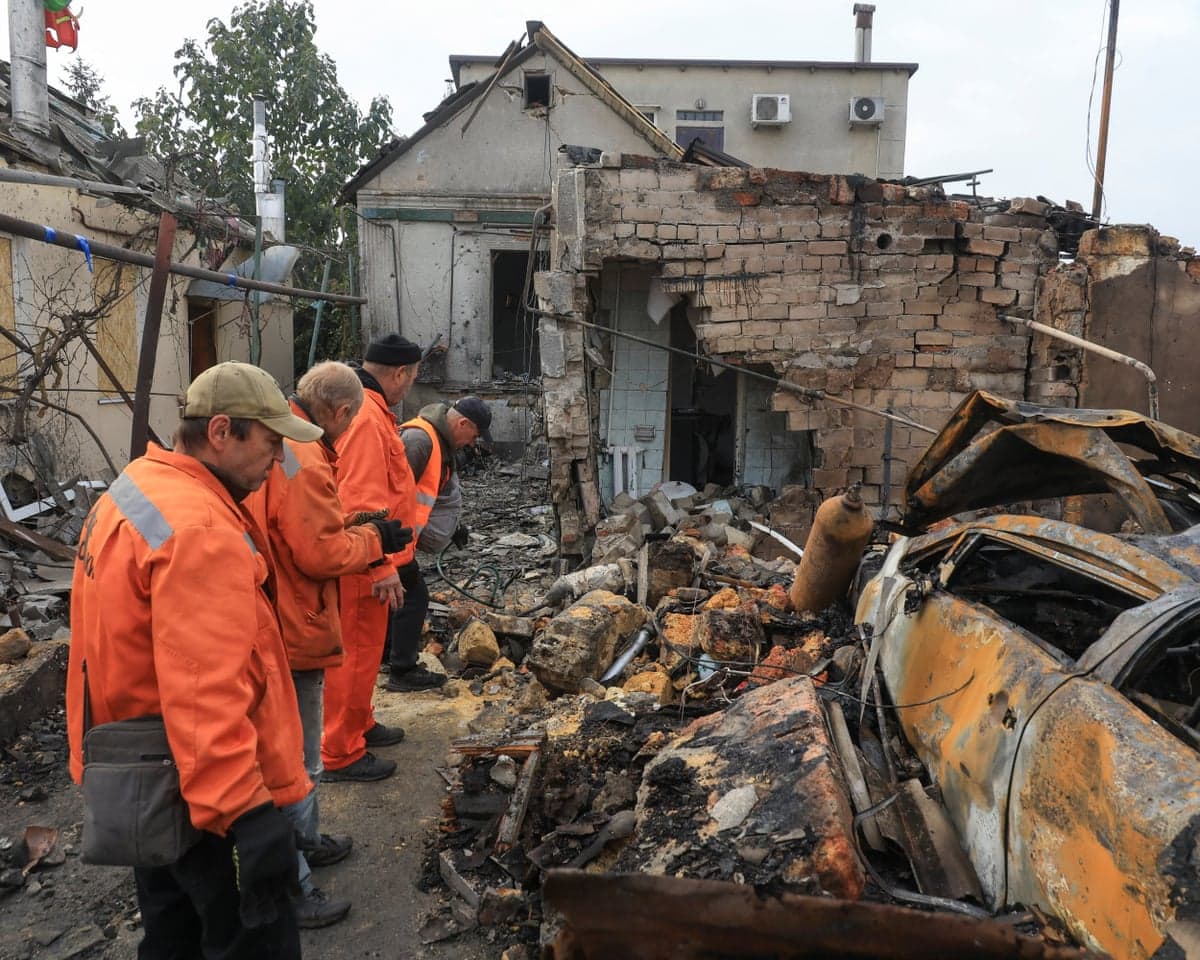
The cyber-attacks occurred as both nations conducted simultaneous military strikes targeting energy infrastructure. Reported attacks on oil refineries and other energy facilities in Zaporizhzhia and Odesa region continued the pattern of infrastructure targeting that has characterized the conflict in recent months. A localized ceasefire in Ukraine's Kherson region, which had run from 27 October to 1 November, ended on Sunday after Russia declined to extend the arrangement, returning the conflict to active hostilities.
The compromise of warning systems carries particular significance given the scale of Russian drone deployments. In August alone, Russia deployed over 2,800 drones against Ukrainian targets, with Kyiv facing sustained attacks across consecutive days. The alert applications have become vital tools for civilian protection, enabling rapid notification of incoming threats and allowing residents to seek shelter in bunkers or designated safe areas.
Why do these breaches matter?
The successful infiltration of both nations' alert systems represents a significant escalation in cyber warfare tactics. These applications serve as direct communication channels between military and civilian authorities, providing real-time threat information that can mean the difference between life and death in an active conflict zone. The breach undermines public trust in official warnings at a moment when accurate information is critical to survival.
The false alerts, particularly those warning of nuclear radiation and chemical weapons, were designed to trigger mass panic and potentially overwhelm emergency response systems. The fact that both Ukraine and Russia experienced simultaneous compromises suggests either coordinated attacks or independent operations exploiting similar vulnerabilities in warning infrastructure.
What happens next?
Ukraine's Air Force has prioritized restoration of the alert application's functionality, with operations gradually resuming on 2 November. Both nations face the challenge of securing their warning systems against future attacks while maintaining the speed and reliability necessary for civilian protection. The incidents will likely prompt reviews of cybersecurity protocols protecting critical infrastructure in wartime conditions.