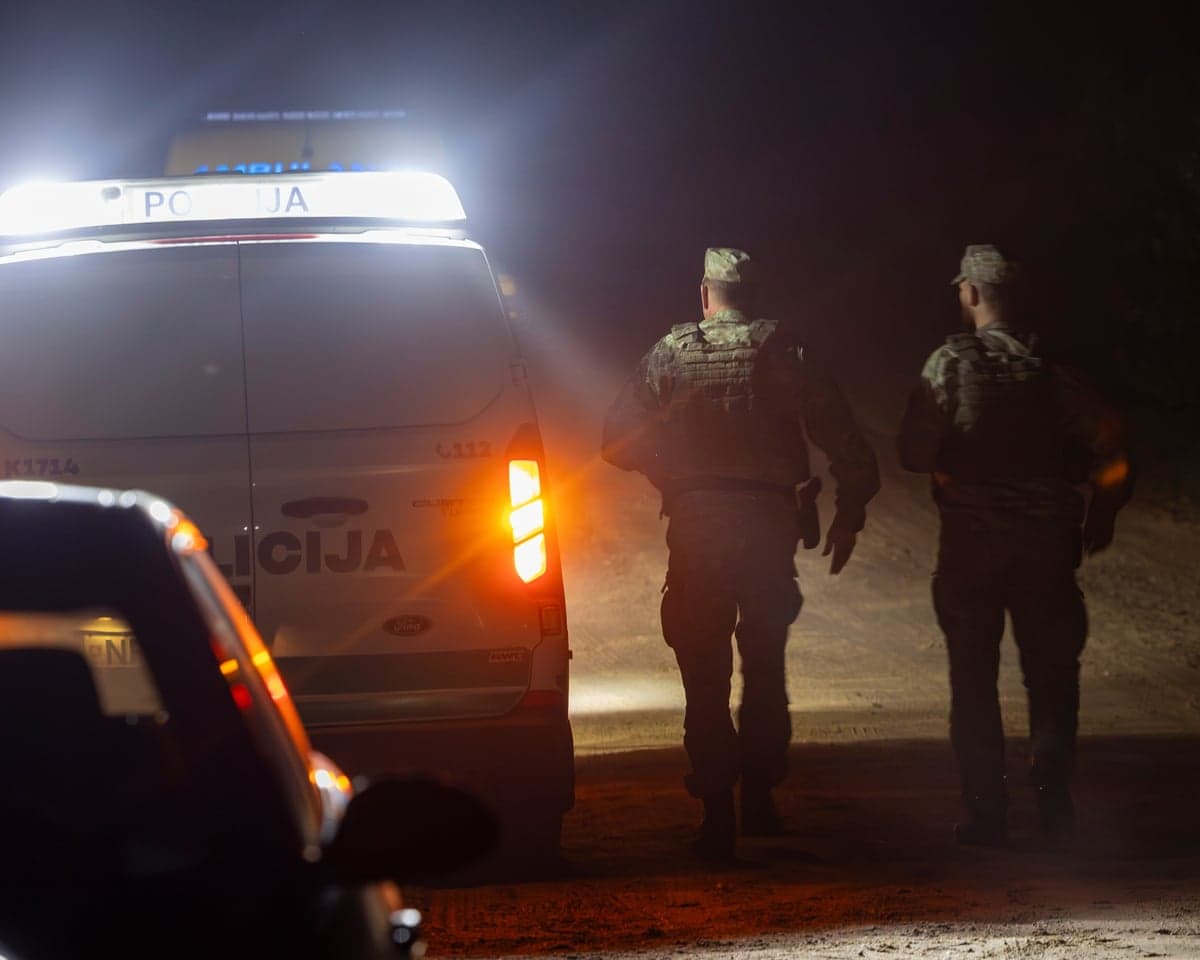
A NATO fighter jet shot down an unidentified drone over Lithuania early on Tuesday, 15 September 2026, marking the latest in a series of security incidents across Europe attributed to Russian activity. The incident occurred shortly after midnight near Pratkunai village in the Kaišiadorys district, between Vilnius and Kaunas, according to Lithuania's National Crisis Management Centre. Officials believe the aircraft likely originated from Belarus, though investigations into its exact origin and intent remain ongoing.
The downing came as Denmark summoned Russia's ambassador following a separate incident in which a Russian warship fired two emergency flares at a Danish military helicopter during a routine Baltic Sea patrol. Prime Minister Mette Frederiksen condemned the action as
"Reckless action from Russia towards Danish military during a routine overflight yesterday. Russian actions are meant to intimidate and divide. They will not succeed. We will not waver."Denmark's Foreign Minister Lars Løkke Rasmussen characterised the frigate's behaviour as
"completely unacceptable."
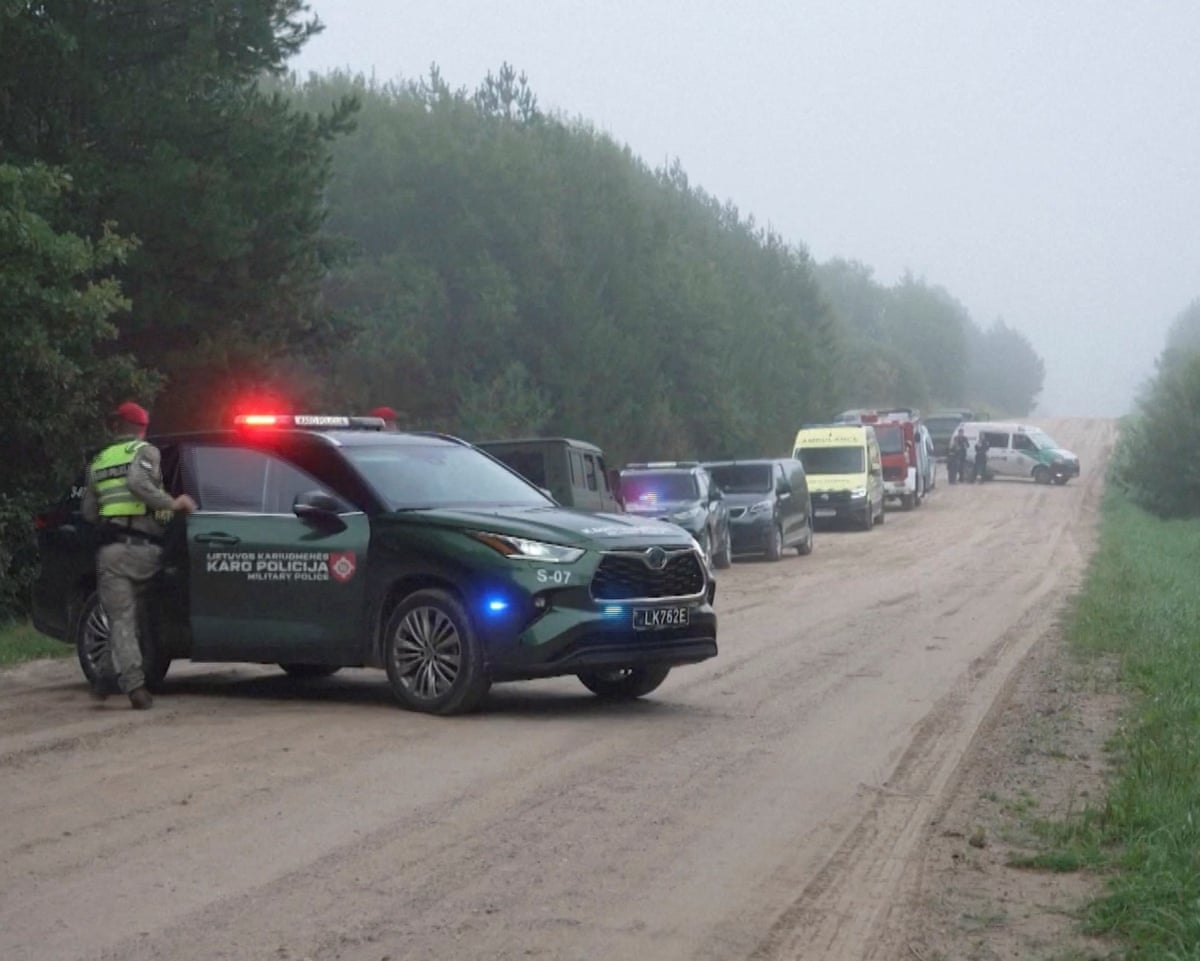
The drone was destroyed by Italian fighter jets participating in NATO's Baltic Air Policing mission, which operates from Šiauliai Air Base in Lithuania. According to , pilots from the mission scrambled to intercept the aircraft after it entered Lithuanian airspace. Lithuania's President Gitanas Nausėda stated that
"With Russia intensifying its aggression against Ukraine, such readiness is vital for our region."
What prompted the military response?
Lithuanian defence minister Roberta Kaunas disclosed that the drone was downed near a pumped-storage hydroelectric plant, part of the country's critical infrastructure. Presidential security adviser Deividas Matulionis suggested the aircraft may have strayed off course, though the key question of whether its incursion into Lithuanian airspace was intentional remains under investigation. Lithuania's State Defence Council is scheduled to meet on Wednesday to review the country's air defence setup.
The incident follows a separate alert at Vilnius airport on 13 September, when the facility temporarily suspended operations after an unidentified object was reported nearby. That 38-minute disruption resulted in delays to flights to Copenhagen, Tel Aviv, Venice, and Warsaw, among others. The object was later identified as a flock of birds after a NATO jet conducted a visual inspection.
How is Lithuania responding diplomatically?
Defence Minister Kęstutis Budrys informed NATO allies about the overnight drone incident and said discussions are now underway on strengthening the alliance's eastern flank. He stated that Lithuania will be
"requesting discussions on these topics both in the EU and NATO, because it is obvious that we all still have a lot of homework to do."The country is seeking to use the incident to prompt broader security assessments across the alliance.
Ukrainian Foreign Minister Andrii Sybiha responded to the incidents by declaring Kyiv's
"full support"and warning that
"Moscow continues its attempts to destabilise Europe, not just Denmark. Joint and decisive action is required and Ukraine is ready to contribute to all efforts aimed at strengthening the protection of Europe from Russian threats."This reflects Ukraine's concern that the pattern of incidents extends beyond individual countries to represent a broader destabilisation campaign.

What is Russia's position?
Russian Ambassador to Denmark Vladimir Babin said Russia would
"carefully study"the alleged incident involving the Danish helicopter, according to Russian state news agency TASS. Moscow has not acknowledged responsibility for any of the reported incidents, maintaining its standard posture of denying involvement in such events.
What other security incidents occurred?
Poland discovered remains of a suspected Russian drone near its Baltic Sea coast, continuing a pattern of airspace incursions in the region. This discovery came just one day after a Russian drone struck a train on Ukraine's border with Poland on Sunday. The incidents underscore the escalating frequency of drone operations across Eastern Europe and the Baltic region.
In the Netherlands, authorities are investigating suspected sabotage after long, thin pipes were placed on railway tracks, causing widespread disruption to train services. Dutch rail infrastructure operator ProRail stated that
"At this stage, it appears to be a deliberate disruption of train services caused by human action. It is not yet known who is responsible or what the motive is."The objects triggered failures across the network by causing the computer system to identify sections of track as occupied even when no train was present, forcing signals to turn red automatically.
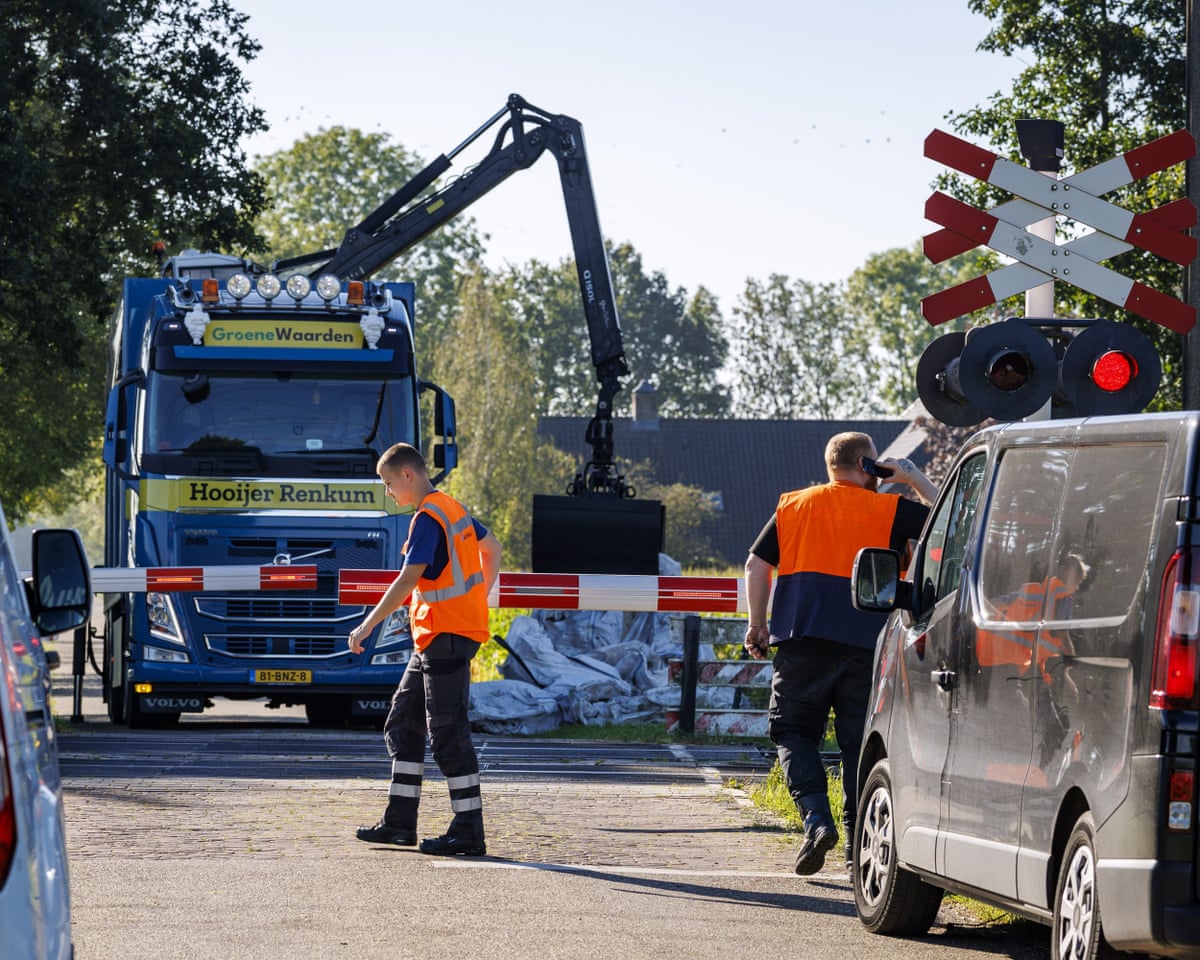
ProRail explained the mechanism of the disruption:
"Because safety always comes first, signals automatically turn red. As a result, trains must stop or slow down. Level crossings can also malfunction."The incident affected several level crossings, disrupting both rail and road traffic across parts of the country. The operator did not comment on who could be behind the incident.

How are Western leaders responding?
Former Danish Defence Minister Troels Lund Poulsen warned that the frigate incident was further proof of Russia's
"extremely aggressive"behaviour seeking to
"provoke potential conflicts."He urged vigilance, stating
"We should be very aware of that."Denmark's Defence Minister Jeppe Bruus called an all-party meeting on the incident to brief political leaders on the details of what occurred.
What is happening in Sweden?
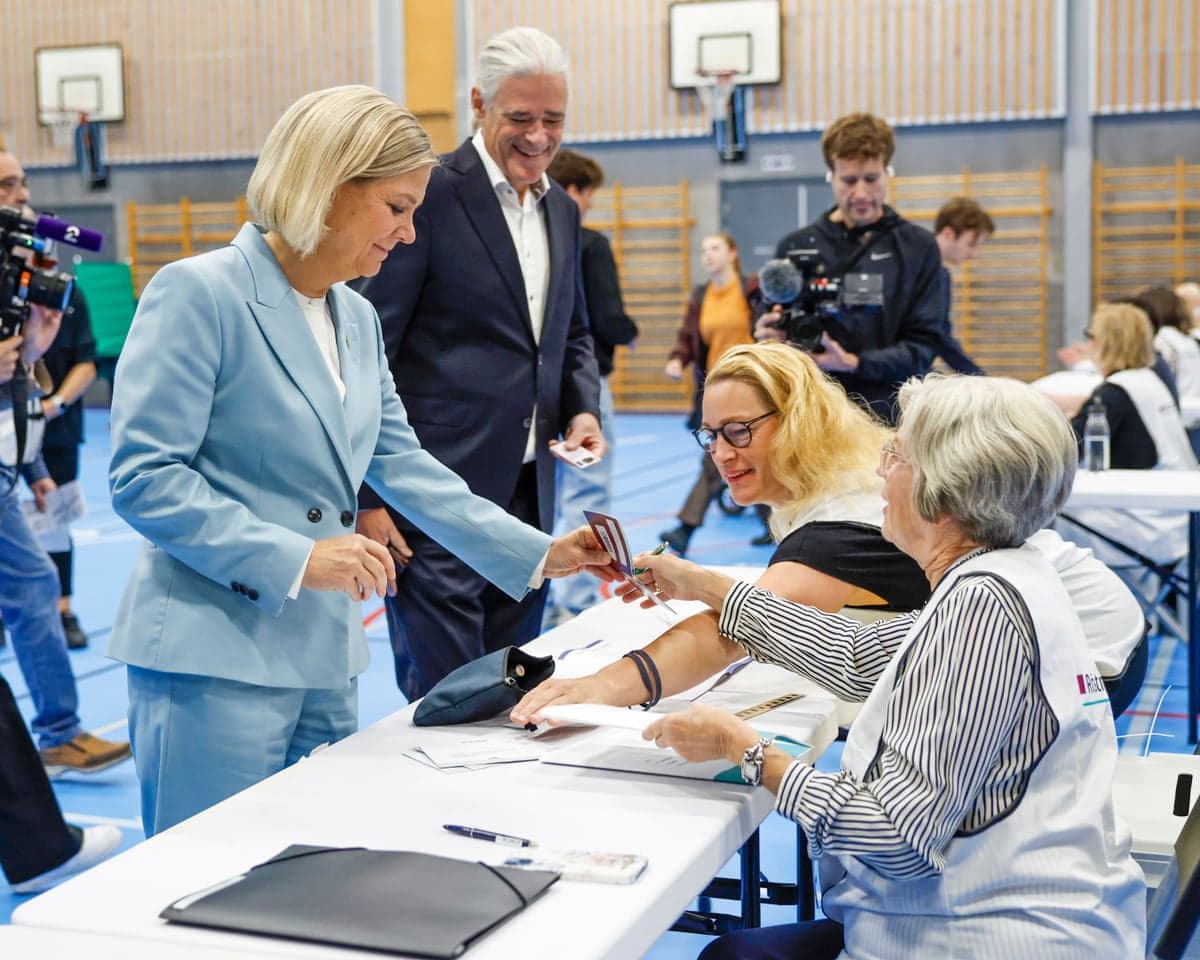
Sweden's election authority announced that the final count of parliamentary election votes may not be completed until Thursday, 16 September, due to a larger than usual number of late-arriving ballots—potentially around 300,000. With 95 per cent of votes counted, the left-leaning opposition bloc leads with 176 seats in the new parliament compared to the government's 173, with just 32,000 votes separating the two blocs. The tight margin means the final outcome remains uncertain pending completion of the count.


What happens next?
Lithuanian authorities are continuing investigations to determine the drone's exact origin and whether it crossed into the country from Belarus. Officials have indicated that further findings are expected as the inquiry progresses. Lithuania has signalled its intention to seek discussions within both the EU and NATO frameworks on measures to strengthen the alliance's eastern flank in response to the escalating incidents.
The series of incidents—spanning airspace violations, military provocations, suspected sabotage, and drone incursions—reflects a deteriorating security environment across Europe. The incidents come amid Russia's intensified military operations against Ukraine, which have included sustained drone campaigns throughout the region.
Key Facts
- A NATO fighter jet shot down a drone over Lithuania near Pratkunai village early on 15 September 2026, with officials believing it likely originated from Belarus
- Denmark summoned Russia's ambassador after a Russian warship fired emergency flares at a Danish military helicopter during a routine Baltic Sea patrol
- Poland discovered remains of a suspected Russian drone near its Baltic Sea coast, following a drone strike on a Ukrainian train near the Polish border
- Dutch authorities are investigating suspected sabotage after objects were placed on railway tracks, causing widespread network disruptions
- Sweden's election authority expects the final parliamentary vote count to be completed by Thursday due to a higher than usual volume of late-arriving ballots