A Russian warship has discharged two emergency flares toward a Danish military helicopter operating in the Baltic Sea, while NATO fighter jets have destroyed an unmanned aerial vehicle over Lithuanian territory, marking the latest in a series of security incidents affecting the alliance's eastern frontier amid Russia's ongoing conflict with Ukraine.
Danish Prime Minister Mette Frederiksen responded to the incident by condemning what she characterized as
reckless action from Russia towards Denmark's military, emphasizing that
Russian actions are meant to intimidate and divide. They will not succeed. We will not waver.The Danish government summoned the Russian ambassador to address the flare incident, which occurred during a routine monitoring operation on Monday.
The incidents underscore escalating tensions along NATO's borders as Russia intensifies military operations. Similar airspace violations have occurred across the region—Romania summoned Russia's ambassador after shooting down three drones in consecutive days over the Black Sea, and Latvia investigated drones entering from Russian territory that crashed near oil infrastructure.
What happened in Danish waters?
Denmark's armed forces reported that one of its air force Fennec helicopters came under fire with flares during a routine photographic mission documenting a Russian frigate operating in international waters off Gedser in southern Denmark. The warship discharged two flares, with one passing in close proximity to the aircraft. According to reports from Danish authorities, the helicopter sustained no damage and no personnel were injured during the encounter.
Danish Foreign Minister Lars Løkke Rasmussen summoned the Russian ambassador on Monday to address the incident. He stated that
Russia is gradually shifting the boundary for what they consider acceptable behaviour, and declared:
This is completely unacceptable and could have put human lives at risk. That is something we cannot accept.Danish Defence Minister Jeppe Bruus told international media that no attempt to make contact with the helicopter had been made by the frigate's crew.
In response, Russian ambassador Vladimir Barbin accused Denmark of
recklessnessand
provocative actions, stating that this was
not the first time that Danish Air Force helicopters have carried out dangerous manoeuvres near Russian warships. Barbin claimed that
communication problems lie not with the Russian Navy's vessels, but with the Danish side. Russia said it would
thoroughly investigatethe incident.
Why are the Danish straits strategically important?
The Danish straits represent the primary maritime corridor for commercial and military vessels entering and exiting the Baltic Sea. The waterway also serves as a critical artery for global oil shipments, including deliveries from Russia's shadow fleet of tankers operating under sanctions evasion schemes. Danish military intelligence has documented a pattern of aggressive Russian naval behavior in these waters, including warships maneuvering on collision courses with Danish vessels, targeting Danish helicopters and ships with tracking radars, and directing weapons systems toward them.

What occurred over Lithuania?
Lithuanian President Gitanas Nausėda announced that a drone entering Lithuanian airspace had been destroyed by fighter jets, stating:
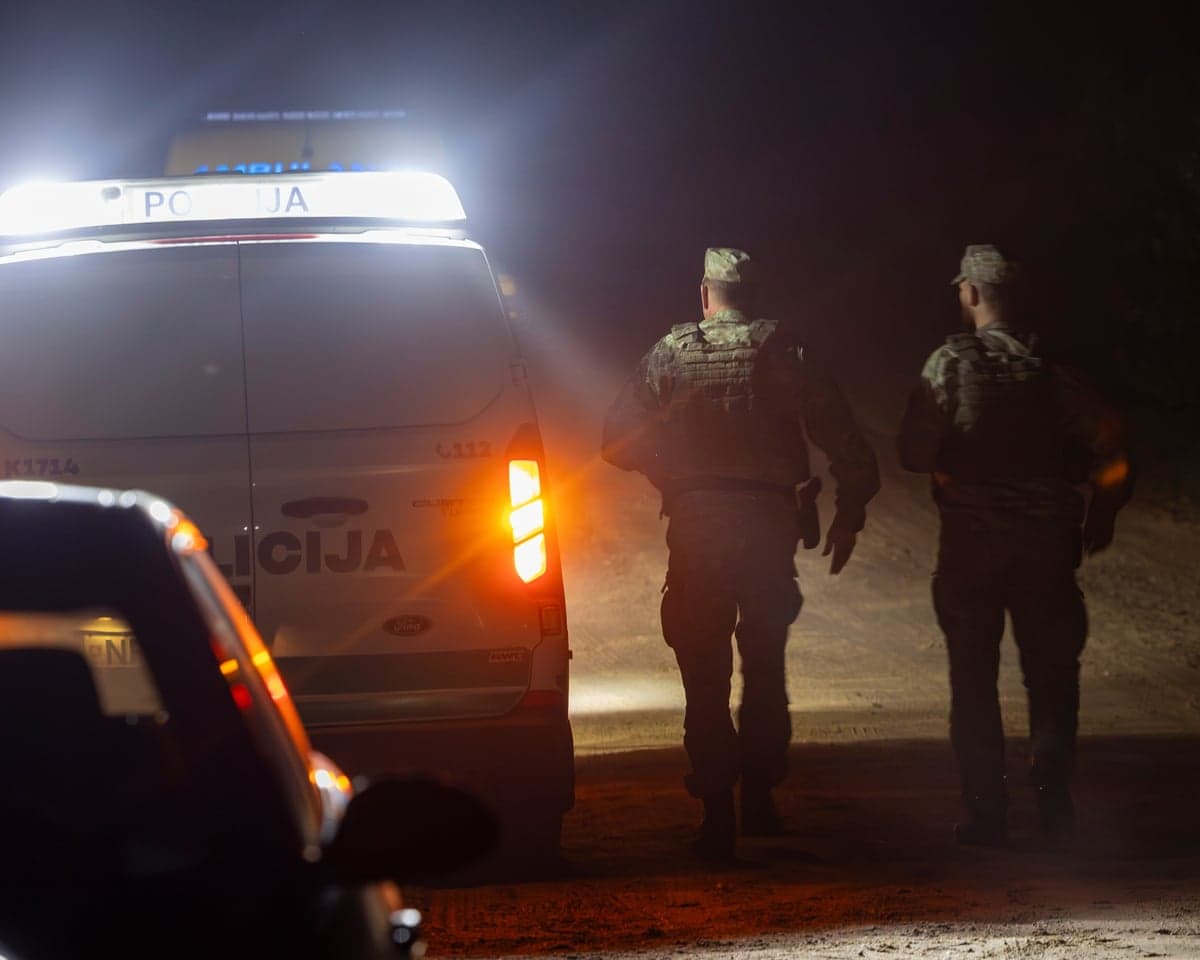
With Russia intensifying its aggression against Ukraine, such readiness is vital for our region.According to reports from Lithuanian officials, this marked the first instance of a drone being shot down within Lithuanian airspace. The aircraft originated from neighboring Belarus and was traveling westward before being intercepted shortly after midnight on Tuesday.
According to Lithuania's national crisis management centre, an Italian Air Force Eurofighter Typhoon, operating as part of NATO's Baltic Air Policing mission from Šiauliai Air Base, carried out the destruction. The wreckage fell in a rural area near Pratkūnai village in the Kaišiadorys district, approximately 100 kilometers northwest of Vilnius. Lithuania's air force commander Antanas Matutis indicated that the recovered wreckage suggested the drone was
likelycarrying explosives, though investigations into its origin and purpose remain ongoing.
Lithuanian Defence Minister Kęstutis Budrys stated that NATO allies had been informed of the incident and discussions were proceeding
both in the EU and Nato, because it is obvious that we all still have a lot of homework to do. A presidential security adviser, Deividas Matulionis, acknowledged the possibility that the drone may have strayed from its intended course, but Lithuania's state defence council convened to review and strengthen air defence protocols.

What is Poland's response to drone activity?
Poland initiated aviation operations across its airspace on Monday night in response to Russian jet-powered drones
conducting strikes on Ukrainian territory. The military characterized these operations as preventive measures aimed at
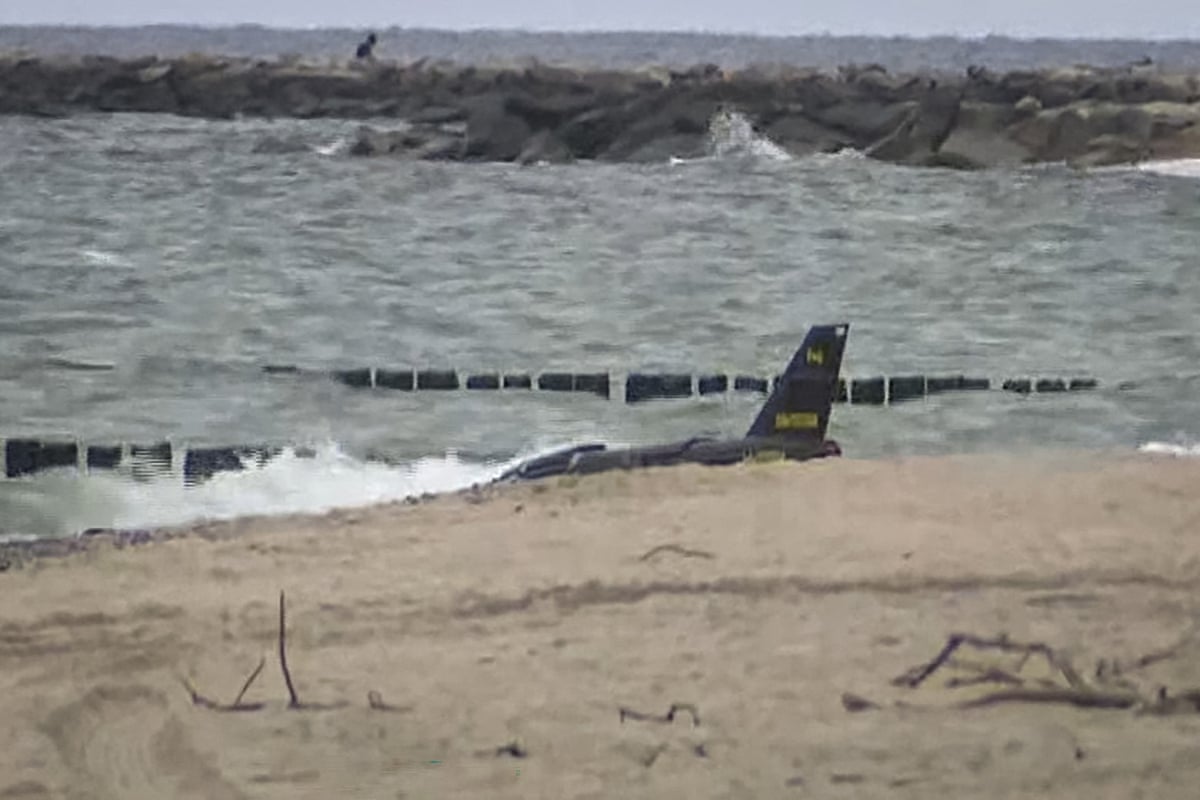
securing airspace and its protection, especially in areas adjacent to threatened regions, and subsequently reported that no violations of Polish airspace were detected. The action followed Poland's recovery of a suspected Russian military drone from the Baltic Sea near Rusinowo beach, adjacent to the coastal town of Jarosławiec, on Monday.
Polish Defence Minister Władysław Kosiniak-Kamysz stated that
preliminary inspection indicates that it is a Russian military drone. Military specialists identified the recovered aircraft as a Gerbera model—an inexpensive, long-range unmanned system constructed from materials including plywood and foam. While Gerbera drones frequently serve as decoys, they possess the capacity to carry explosive payloads. A hydrographic vessel belonging to the Polish military recovered the device from the sea.
What is the broader regional context?
Lithuania, Latvia, and Estonia—all NATO members sharing borders with Russia—have consistently reported drone incursions since Moscow initiated its full-scale invasion of Ukraine in February 2022. European officials have indicated that Russia has been redirecting Ukrainian drones originally intended to strike industrial facilities and oil terminals in the St. Petersburg region on the Gulf of Finland, repurposing them for reconnaissance or other military objectives. Ukraine has blamed stray drones crossing into Baltic countries on Russian electronic warfare, technology designed to alter the flight paths of Ukrainian unmanned aircraft.
NATO jets have been scrambled several times to intercept stray Ukrainian drones that have crossed into Estonia and Latvia this year. Polish Prime Minister Donald Tusk has repeatedly cautioned that NATO countries should anticipate an escalation in provocations originating from Moscow. According to reports from NATO officials, NATO Secretary-General Mark Rutte has warned that strikes conducted in proximity to alliance territory would compel the alliance to expand military support for Ukraine, underscoring the alliance's commitment to deterrence and defense.
What happens next?
Lithuanian authorities said the drone's origin and purpose remained under investigation. Denmark has summoned the Russian ambassador for discussions over the flare incident, with authorities still working to determine the full circumstances of the encounter. Officials across the Baltic region are reviewing and strengthening air defence protocols in response to the escalating security challenges.
Key Facts
- A Russian frigate fired two flares at a Danish military helicopter conducting a routine photographic mission in international waters off Gedser on Monday, with one flare passing in close range to the aircraft and no injuries or damage reported.
- NATO fighter jets destroyed a drone over Lithuania near Pratkūnai village in the Kaišiadorys district on Tuesday, marking the first such shootdown in Lithuanian airspace, with wreckage suggesting the aircraft likely carried explosives.
- Poland recovered a suspected Russian Gerbera-model drone from the Baltic Sea and launched preventive aviation operations in response to Russian unmanned aircraft conducting strikes on Ukrainian territory.
- The incidents represent escalating security challenges along NATO's eastern frontier, with similar drone incursions and airspace violations reported across the Baltic region and Black Sea.
- Lithuanian and Danish authorities have launched investigations, with officials emphasizing the need for strengthened air defences and diplomatic responses to Russian military activities.