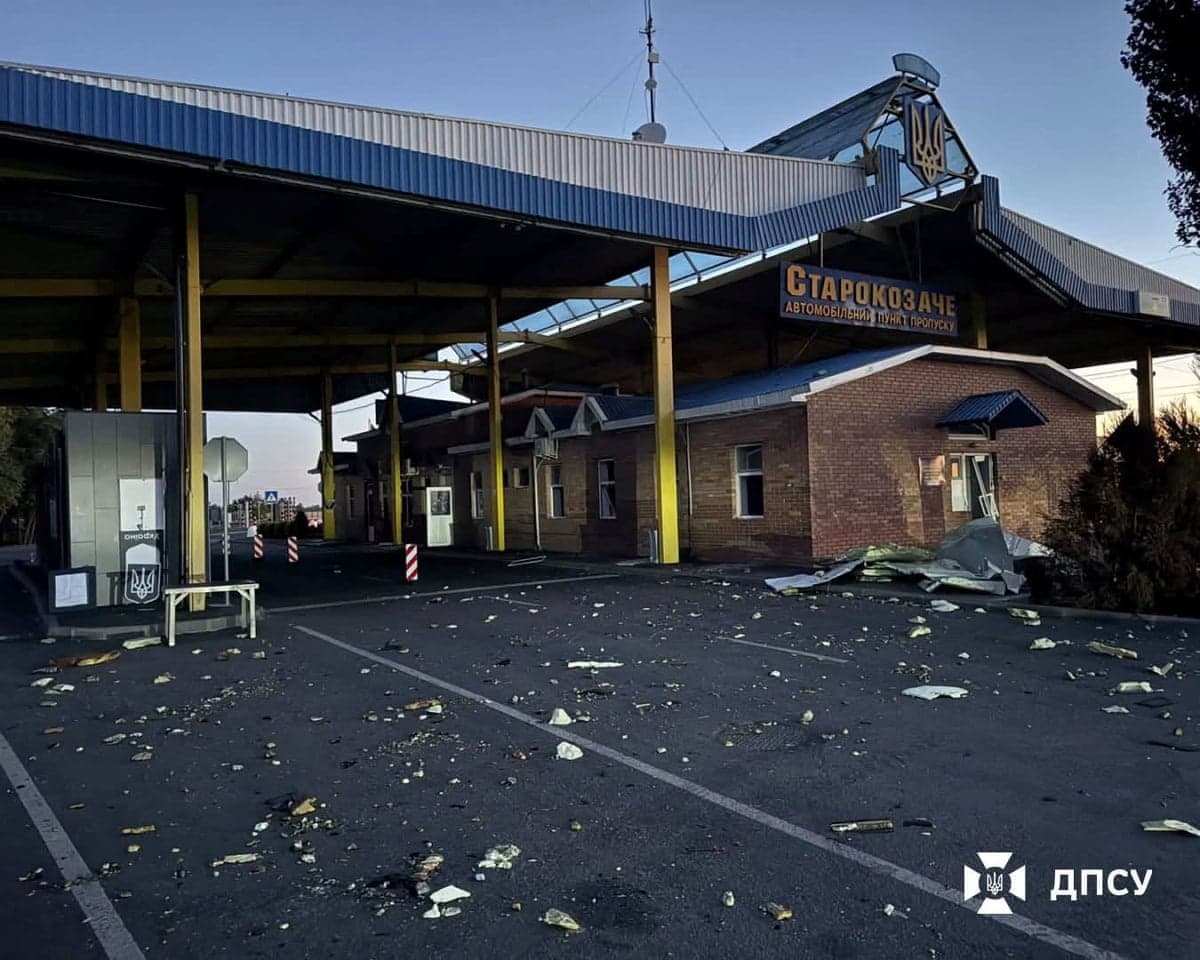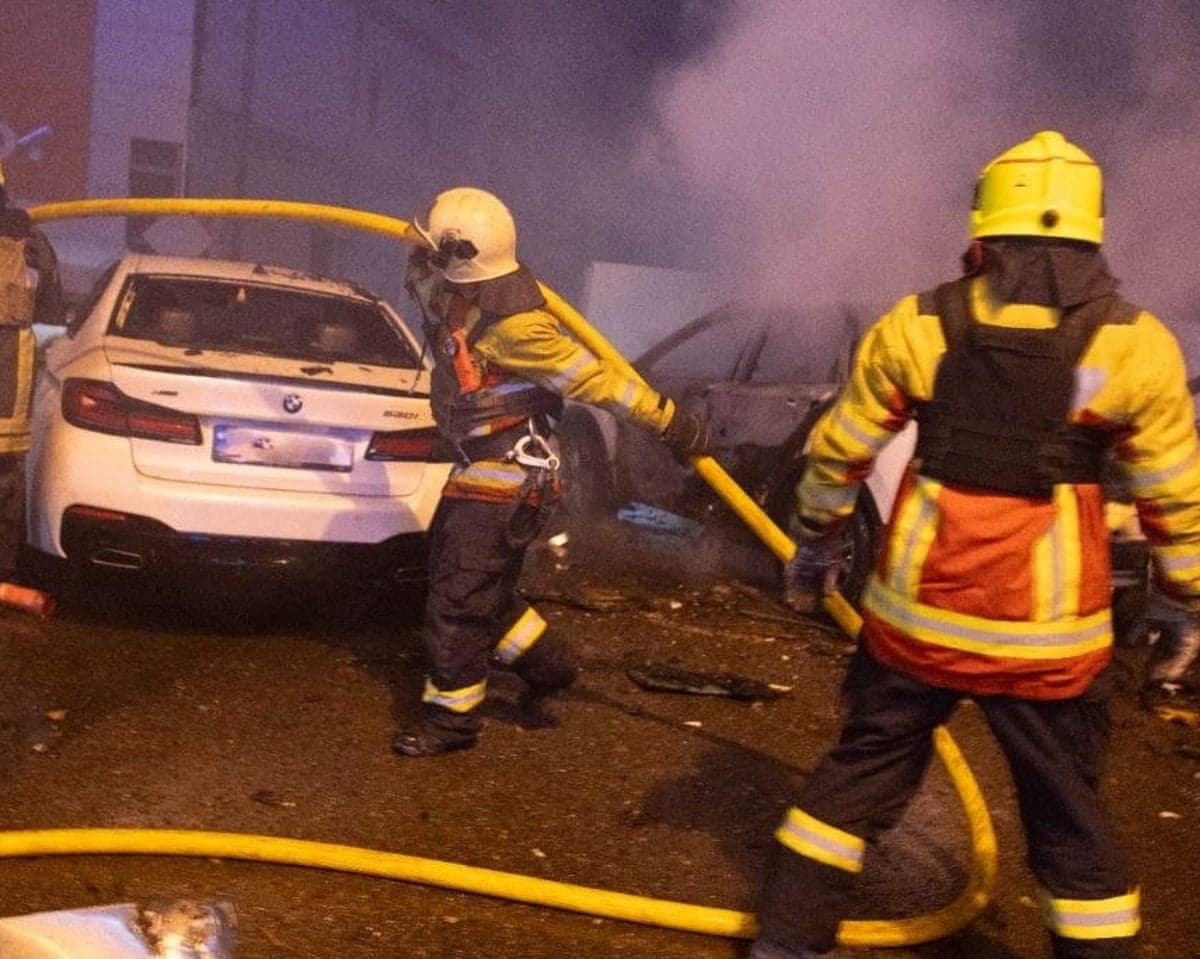
At least nine people died in overnight Russian strikes targeting warehouses and ports across Ukraine on 10 September 2026. Five people were reported dead and 24 injured in the Sumy region, while four were killed and 19 injured in a separate attack on Ukraine's Black Sea port of Mykolaiv. The latest wave of attacks underscores the relentless nature of Russia's campaign against Ukrainian civilian and military infrastructure.
In response to the strikes, President Volodymyr Zelenskyy highlighted Ukraine's capacity to conduct retaliatory operations.
Over the past 24 hours, our warriors struck eight Russian infrastructure facilities supporting the war. An oil refinery in the Yamalo-Nenets region and a seaport in Dagestan were hit. Sites in the Moscow, Voronezh, Astrakhan, and Bryansk regions were also struck. Russia continues its daily terror against Ukraine. And every day, it receives a just response. I thank every warrior and everyone who enables our long-range capabilities and precision.Zelenskyy was continuing an international diplomacy tour focused on air defence and winter preparations in Canada at the time of the strikes.
The attacks come amid heightened tensions across Europe following Russia's attempted drone strike on Leipzig/Halle Airport in Germany. German authorities confirmed on 1 September that the drone was laden with explosives and a detonator, and that the airport serves as a NATO logistics hub used by several large Ukrainian Antonov An-124 cargo planes. The German government concluded Russia was responsible for the hybrid attack after examining the drone's configuration, components and explosives.
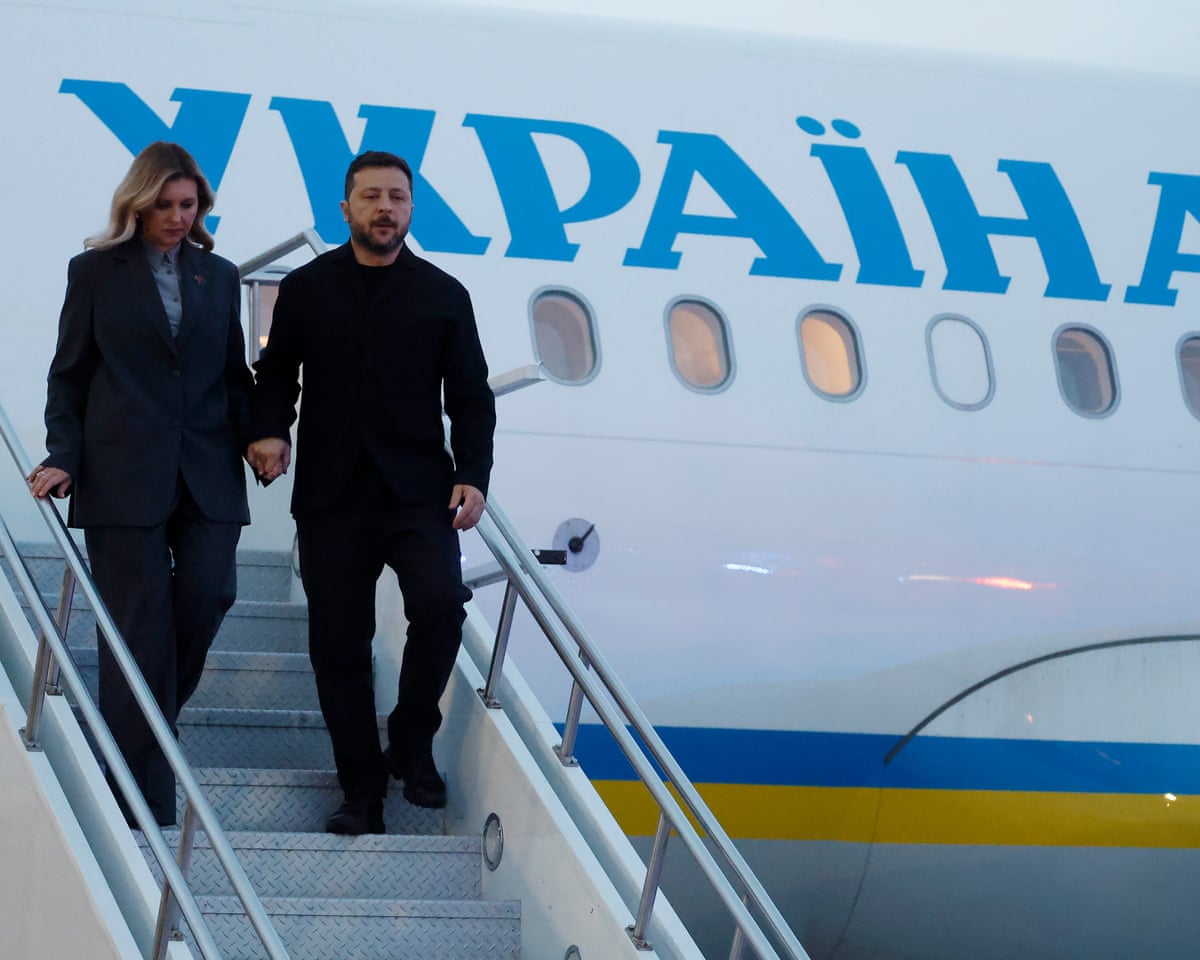
Late on 9 September, Norwegian Prime Minister Jonas Gahr Støre disclosed that Zelenskyy's plane was nearly struck by a drone while departing Moldova for Oslo earlier in the week.
That is just the reality he lives in, Støre told broadcaster NRK. The incident occurred during a previously reported drone incursion into Moldova and Romania on Tuesday night, though the Ukrainian side declined to comment on the specifics.
How are NATO leaders responding to Russian aggression?
NATO Secretary General Mark Rutte met with Germany's Foreign Minister Johann Wadephul on 10 September to discuss Ukraine and Russia's escalating hybrid warfare campaign against European targets. Both leaders stressed the alliance's unified stance against Russian actions and reaffirmed commitment to supporting Ukraine.
Wadephul opened remarks by welcoming Rutte to Germany's ambassadors' conference, noting that a nationwide test of alarm systems conducted at 11am that morning served as a sobering reminder of the threats facing European societies.
Leipzig has … made the threat that Russia pose more tangible, and it is one of a growing number of aggressions on the part of Russia against Germany and Nato, he said, adding that
We should have no illusions: Russia is not only a threat militarily along the eastern flank, and continues its relentless war against Ukraine, but we increasingly notice hybrid activities, cyber-attacks, sabotage, disinformation and attacks on critical infrastructure.
Wadephul emphasised the hybrid character of the Leipzig attack, describing how it combined physical damage with attempts to undermine social cohesion and potentially influence regional elections in Germany.
we have to be prepared for that, and we have to stand togetherin demonstrating resilience against radical forces, he stressed.
Rutte responded by referencing the alliance's foundational principle.
That is how Nato works, all for one and one for all. Russia wants to defeat us, but we are united. Russia wants to stop us helping Ukraine, but we are going to do more for Ukraine.He characterised Russian actions as symptomatic of failure.
Russia's actions are a sign of weakness and a symptom of its failure to get its way in Ukraine, but Ukraine shows determination every day.
In his formal address to the ambassadors' conference, Rutte delivered a stark assessment of the security environment.
Russia's brutal attacks against Ukraine are unrelenting. Russia is suffering enormous losses, now estimated at more than 40,000 killed or seriously wounded every month. Think about it for a moment. Over 40,000 every month. Despite those heavy losses, Putin shows no willingness to bring the war to an end.
Rutte warned that Russia's campaign extended far beyond Ukraine's borders.
Instead, Russia repeatedly strikes Kyiv and other parts of Ukraine, often targeting civilians and civilian infrastructure, and at the same time, the list of Russia's malign hybrid activities across Europe grows longer and longer: cyber-attacks, sabotage, arson, airspace violations, drone incidents. The latest hostile actions by Russia are reckless, dangerous and a threat to life. But we are not intimidated. We know these are the tactics of a desperate regime that is failing to meet its objectives in Ukraine. Putin thinks he can divide us, destabilise us and weaken our support for Ukraine. But he will fail. These malicious actions are having the opposite effect.
What is NATO's assessment of the long-term Russian threat?
Rutte emphasised that Russia poses a sustained strategic challenge to the alliance.
We cannot be naiveabout Russian intentions, he cautioned, appearing to reject suggestions that diplomatic negotiations with Moscow could resolve the conflict.
I know you will always have people telling you: oh, if you would only sit down with Putin and this and that… This is long-term. It is a threat. We cannot be naive.
The NATO secretary general noted that Russia's entire economy remains focused on defence and war preparations, indicating that Moscow is committed to a prolonged conflict. This assessment aligns with earlier NATO warnings that Europe faces challenges in sustaining a prolonged confrontation with Russia amid rising pro-Kremlin populist movements and weak public readiness in some member states.

How is Europe shifting its defence posture?
Rutte highlighted a fundamental change in European strategic thinking.
There was a belief that we could continue doing more with less, and that the United States would keep doing the heavy lifting for us, he observed, but this assumption no longer holds.
I see a real mindset shift. Europeans increasingly understand that taking greater responsibility for our own security is not optional. That rebuilding our armed forces is indeed essential … increasing our defence industrial base is not only good for our security, it is good for our economies too. And that security is not something the US should do for us, but with us.
Rutte praised Germany's role within NATO, highlighting its military deployments in Lithuania and the strength of its defence industrial base as examples of the continent's evolving commitment to self-reliance.
What is Europe's strategy on space security?
Beyond immediate military concerns, European leaders are addressing longer-term strategic vulnerabilities. European Commission President Ursula von der Leyen pledged to build on Europe's strength to invest in space capabilities, warning that
strength today is no guarantee of leadership tomorrow. She stressed that
to remain at the forefront, Europe must act together, invest at scale and turn our market into a competitive advantage.
Von der Leyen underscored the security dimensions of space infrastructure.
If Europe is to lead in the space economy of tomorrow, the ability to access and act in our space not only underpins our prosperity; it increasingly determines our security and our independence. We increasingly see it in our union itself. We see navigation signals jammed and spoofed, disrupting civilian aircraft. Cyber-attacks on satellite networks, knocking critical infrastructure offline and drones hovering over our airspace using technologies dependent on navigation from above. The message is clear: our security on Earth increasingly depends on our security in space.
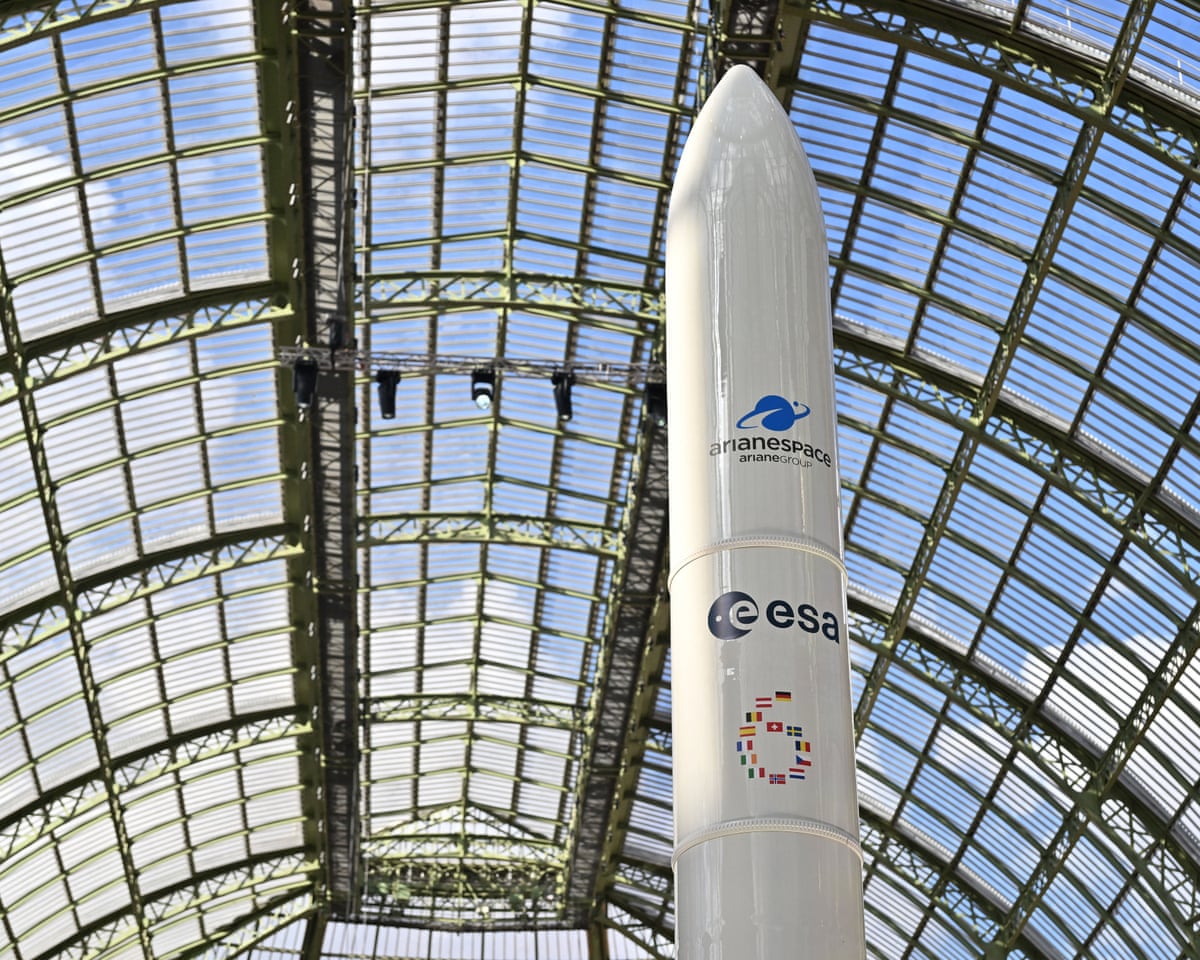
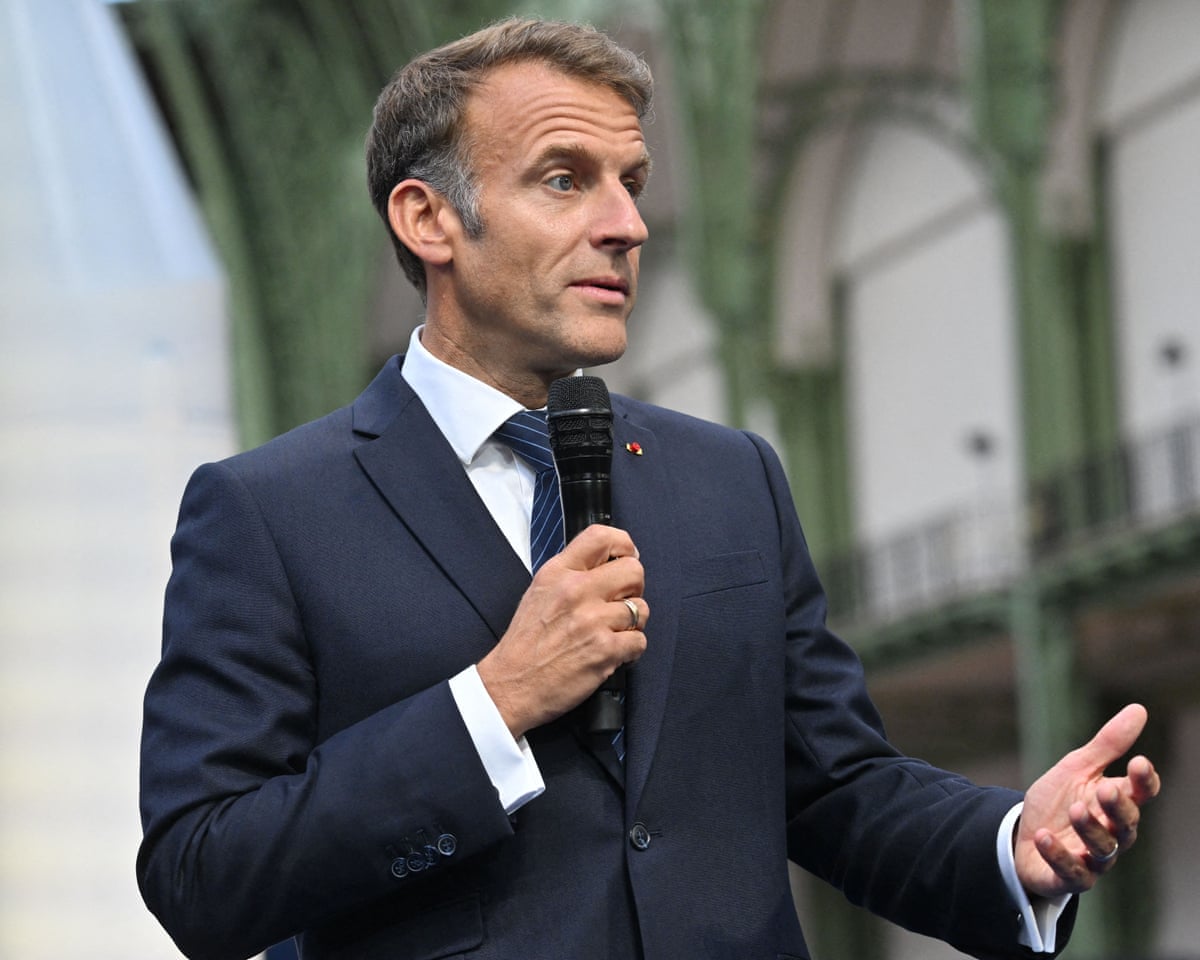
French President Emmanuel Macron used an international space summit in Paris to call on Europe to develop its own crewed spaceflight capability as part of a broader effort to strengthen the continent's space sector.
We want Europe to demonstrate its ambition in the field of crewed spaceflight, Macron told the gathering, adding that
our European space programme remains fragile and we must step up our efforts.
What other Russian sabotage plots have been uncovered?
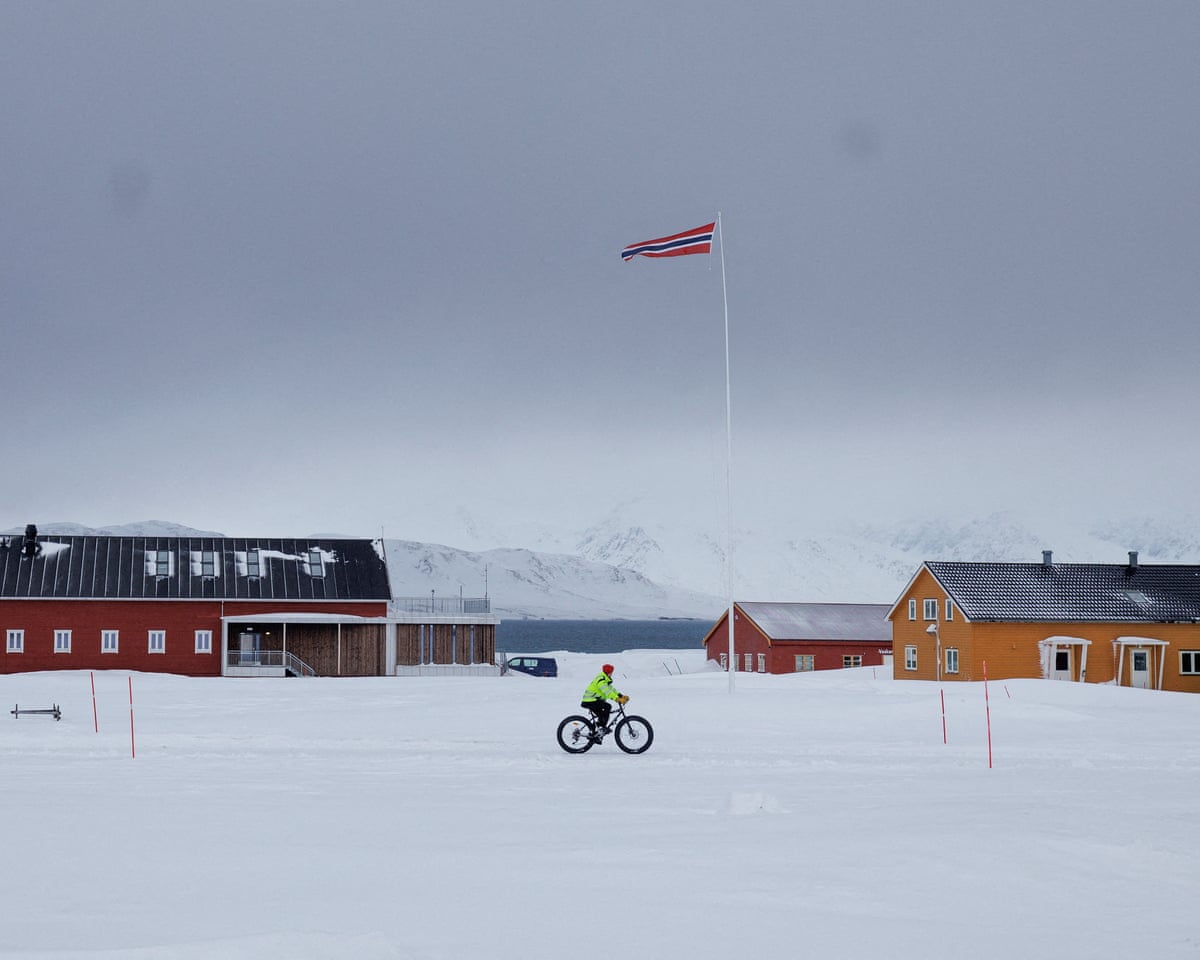
Beyond the Leipzig incident, NATO allies have disrupted multiple Russian operations targeting critical European infrastructure. According to reports, NATO allies interrupted a Russian plot designed to disable critical undersea cables without leaving detectable traces. Two 1,400 kilometre subsea fibre-optic cables linking Svalbard to mainland Norway, lying as deep as 2,700 metres below the sea's surface, carry vast amounts of satellite data downloaded at the SvalSat satellite ground station, the world's largest facility of its kind and part of NASA's Near Space Network.
The clandestine Russian operation targeting these cables was discovered and interrupted by NATO allies Britain, Norway and the United States earlier in spring 2026, when they tracked and confronted Russian vessels at sea. The exercise focused on simulating the deployment of a new weapon technology in the event of conflict with NATO, officials said, though they declined to detail how the technology functions. Russia did not succeed in damaging any cables.
Norway's Defence Minister Tore Sandvik issued a stark warning in response.
Through our joint operation, we sent a clear message to Russia that they cannot operate covertly. We have made it unequivocally clear to Russian authorities that any attempt to target our critical infrastructure will be detected and met with consequences. It is in no one's interest to escalate tensions in the High North.Russia's defence ministry did not respond to requests for comment, while the Kremlin has consistently denied conducting sabotage operations in NATO countries.
What other incidents have raised alarm in Europe?
Russia also arrested a security guard employed at Britain's embassy in Moscow, alleging he was recruited by Ukraine for a false flag attack on the British ambassador. The FSB security service claimed the individual had been hired by a Ukrainian blogger working with Ukraine's SBU security agency to track events and personnel at the British embassy and document their security systems. According to the FSB, Ukraine then
planned to use this obtained information to prepare and carry out sabotage and terrorist attacks against the head of the British diplomatic mission and other diplomats, and then accuse the Russian side, though the agency provided no evidence to support the allegations.
Kyiv and London have not responded to the Russian claims. The arrest came hours after British prosecutors charged a 31-year-old British man for allegedly making contact with a representative of Russia's GRU military intelligence agency.
What diplomatic consequences are emerging?
The Leipzig attribution has triggered a broader European response. EU states and institutions have moved toward additional sanctions and diplomatic retaliation, with some EU states summoning Russian embassy officials to protest the incident. German officials characterised the drone attack as part of hybrid warfare intended to intimidate and divide countries supporting Ukraine since Russia's 2022 invasion.
Wadephul pressed Rutte on whether he was concerned by rising support for far-right parties in Europe, particularly in France and Germany, and what such electoral shifts might mean for NATO unity. Rutte initially sought to avoid the question, eventually stating that
We have an alliance of 32 countries and whoever is elected is then the elected leadership of that country, while acknowledging that politics is
roughand
a contact sport.He did not directly address the underlying concern about far-right parties' potential impact on European support for Ukraine.
What happens next?
European leaders are expected to continue coordinating responses to Russian hybrid threats, with discussions ongoing about additional sanctions and diplomatic measures. Zelenskyy's international tour will continue to focus on securing enhanced air defence systems and winter preparedness assistance from Western allies. NATO is expected to intensify its monitoring of Russian activities in the Arctic and across European critical infrastructure, while member states accelerate defence spending and industrial capacity building to reduce dependence on American security guarantees.