Swedes are voting on 13 September 2026 in a parliamentary election that could result in the far-right Sweden Democrats entering government for the first time, or hand power back to the centre-left opposition. The race has tightened dramatically in recent weeks, with the two blocs now separated by less than a single percentage point, making the outcome genuinely uncertain after months when a left-wing victory appeared all but assured.
Who are the key players?
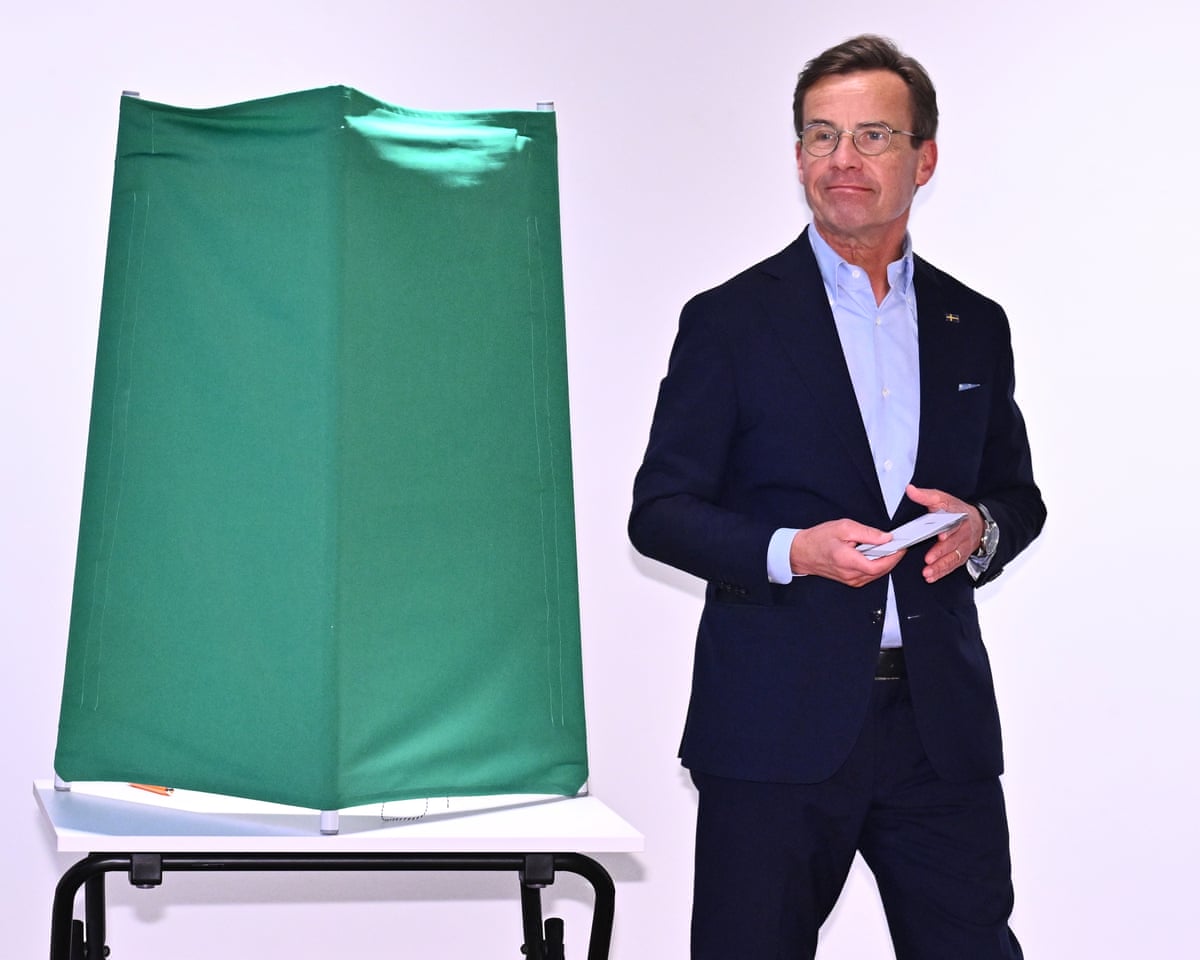
Since 2022, the country has been governed by a three-party minority administration led by Prime Minister Ulf Kristersson of the centre-right Moderates party, alongside Ebba Busch's Christian Democrats and Simona Mohamsson's Liberals. This government has relied on parliamentary support from – but not formal membership of – the far-right populist and anti-immigration Sweden Democrats, led by Jimmie Åkesson. A victory for the centre-right bloc would almost certainly result in the Sweden Democrats formally joining the cabinet, marking another breach of a long-standing Swedish political taboo.
The opposition "red" bloc is led by former Prime Minister Magdalena Andersson of the Social Democrats, which remains the largest single party in parliament. Her coalition partners include Elisabeth Thand Ringqvist's Centre party, Nooshi Dadgostar's Left party, and the Green Party led by Daniel Helldén and Amanda Lind. Throughout most of the current parliamentary term, the left-wing alliance maintained a substantial polling advantage, with the Social Democrats alone sometimes reaching the mid-30s, leading many observers to conclude that a change of government was virtually inevitable.
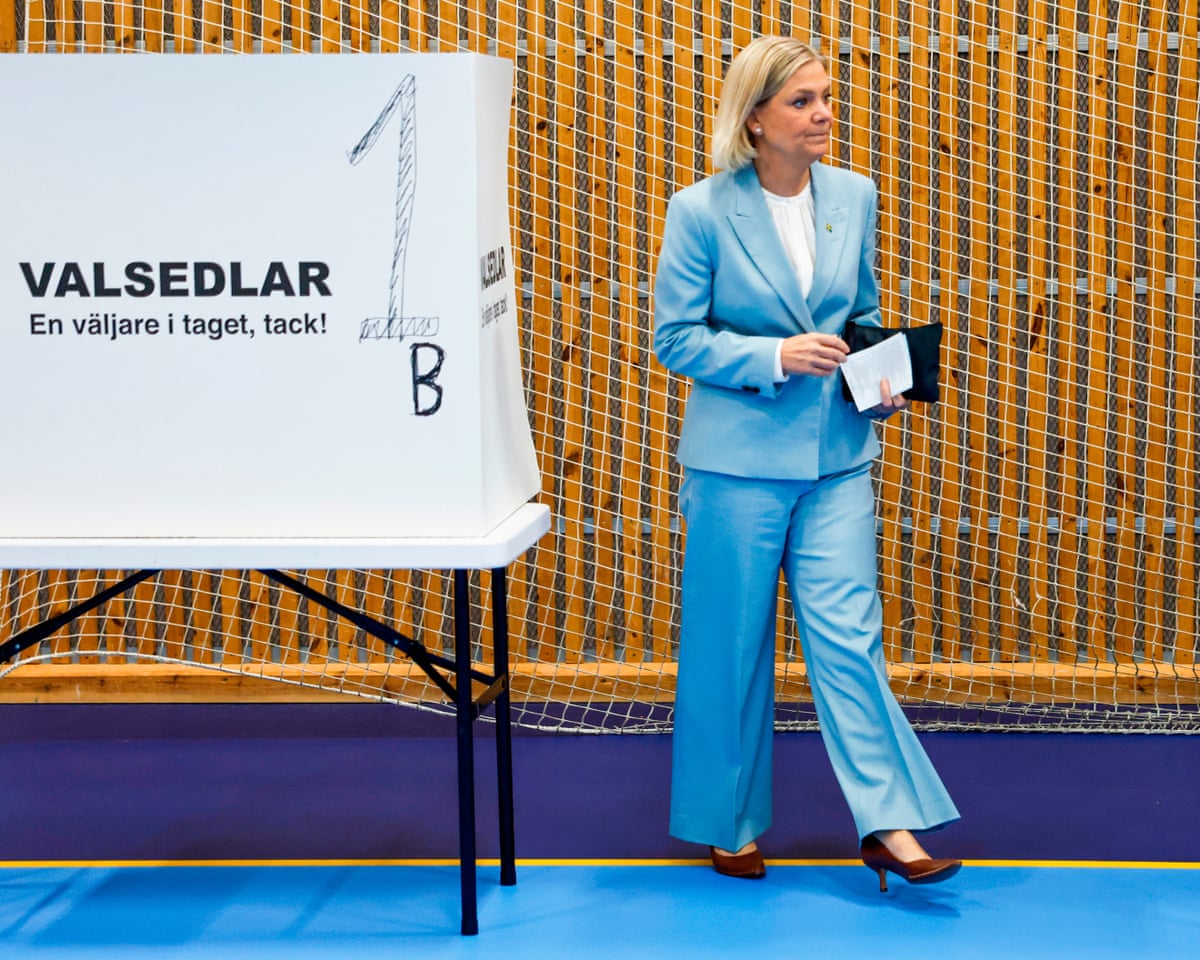
However, the political landscape has shifted markedly in recent months. According to , a late-September poll showed the centre-left with 50.3% support and the governing bloc at 47.7%, narrowing what had once been a commanding lead. The opposition remains the favourite to win, but the outcome is now genuinely competitive.
Nicholas Aylott, senior lecturer at Södertörn University in Stockholm, explained the stakes:
The opposition parties have had a lead in the polls, often a very comfortable lead … so if there were to be any other outcome than an opposition victory, it would be sort of sensational because the lead has been so consistent and so long established – but it's not impossible.
Aylott also highlighted a significant challenge for the left-wing coalition:
The big challenge the Social Democrats would face in the quite likely event that they will be forming a government is that their constellation of allied parties, which would comprise the majority, is very diverse. One of the aspects of this diversity is that some of them take a much more permissive view on things like law and order and migration, so keeping this diverse constellation of currently opposition parties could be difficult.
How does Sweden's electoral system work?
The Riksdag, Sweden's parliament, has 349 seats, meaning 175 seats are required to secure a majority. The system uses proportional representation, but parties must clear a 4% threshold to enter parliament – a threshold that has become particularly significant for the Liberals, whose leader's strong television debate performances and tactical voting from centre-right supporters have helped them surge in recent polling.
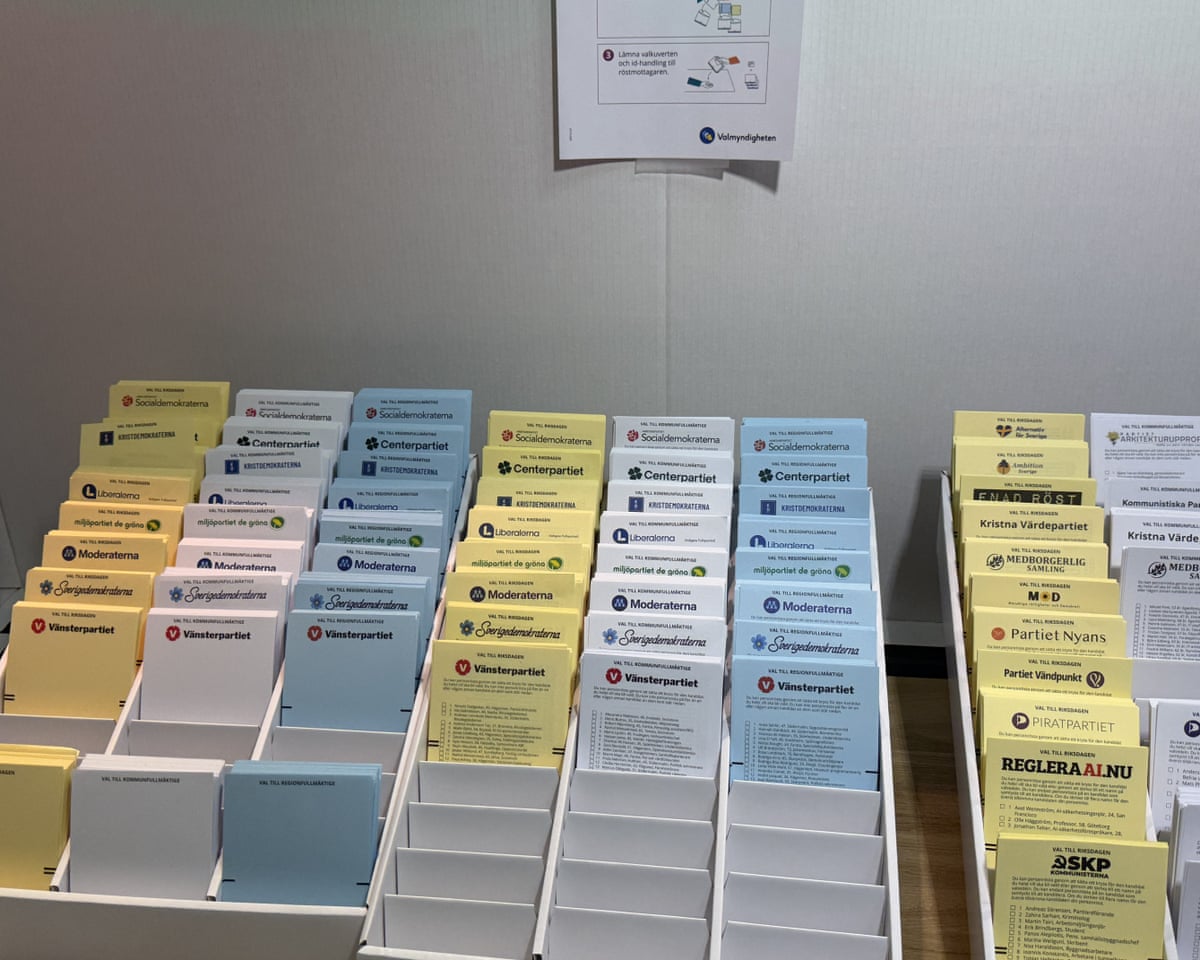
Eight parties are expected to win seats in the next parliament, creating a fragmented legislature. However, the parties are broadly divided into two ideological blocs – the centre-right "blue" bloc and the centre-left "red" bloc – which are expected to negotiate government formation along these lines if necessary.
Sweden has a long tradition of minority governments, a system made workable through what Aylott termed
negative parliamentarism.Under this arrangement,
if there's a prime minister proposed, then if there is the absence of an absolute majority in parliament against the proposal, it's interpreted as support. So a party that doesn't really want to give full support to this proposed candidate - maybe because it's not going to be part of the coalition, but which can just about live with it, and doesn't have a better alternative – it can abstain from the vote, and that's counted as passive support. This makes it much easier to form minority governments.

Aylott stressed that such arrangements are more stable than they appear:
It's worth remembering that nearly every, almost by definition, minority government eventually rests on a parliamentary majority, and these parliamentary majorities are usually not always, but usually fairly stable. This was the story of the last four years, with a minority government, but they had a very elaborate Tidö deal with the Sweden Democrats, which meant that there was a de facto majority in parliament. So, minority governments aren't as fragile, usually at least, as they look.
How do voters cast their ballots?
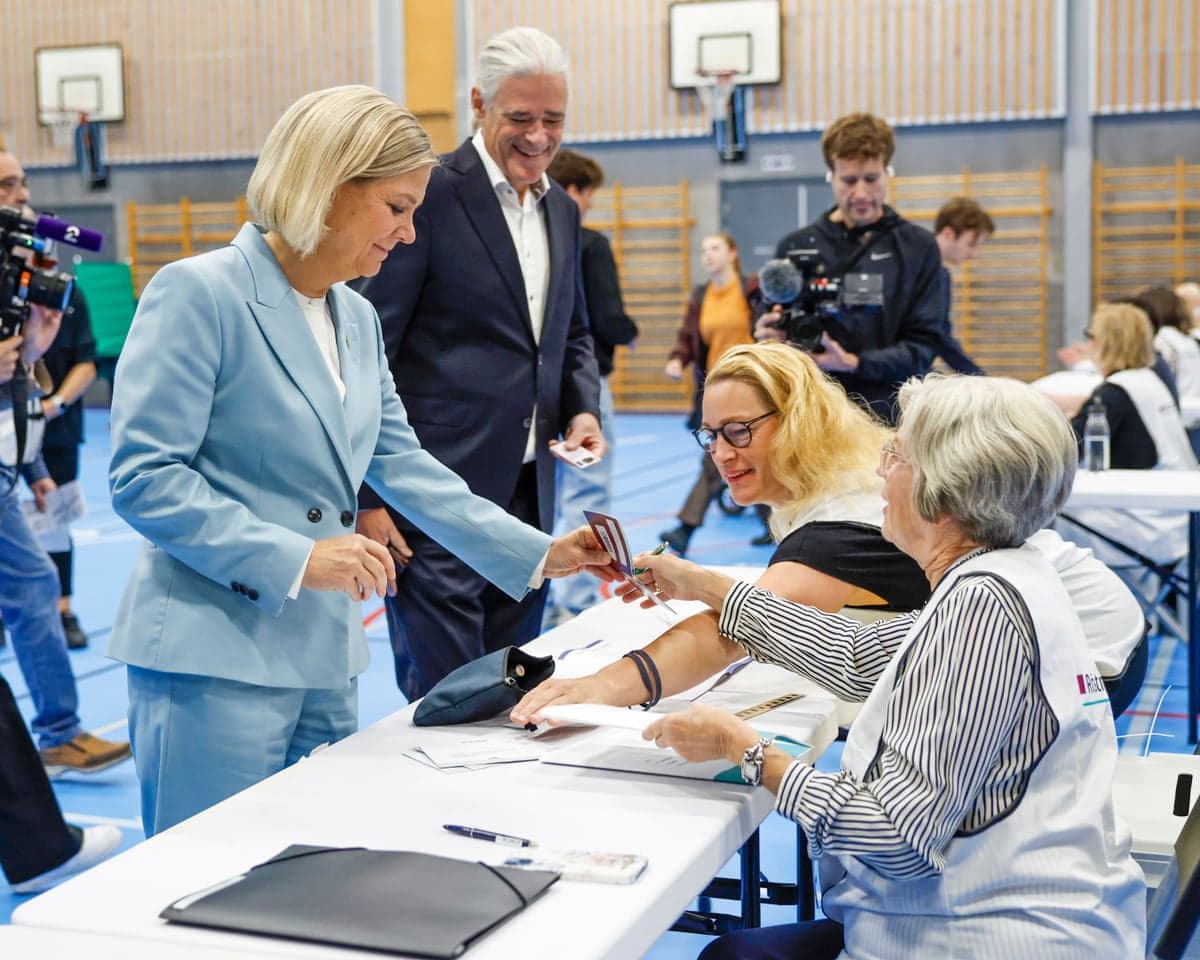
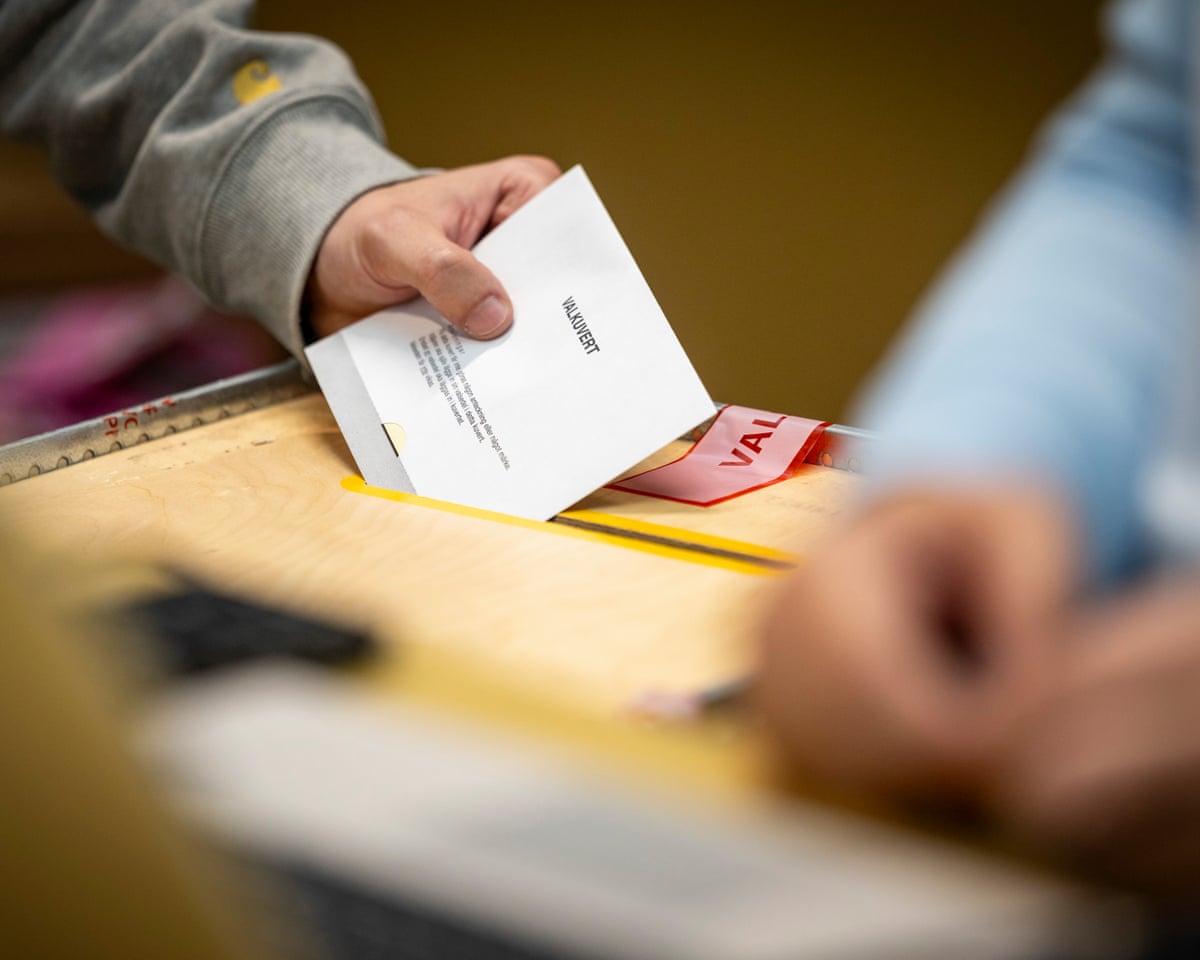
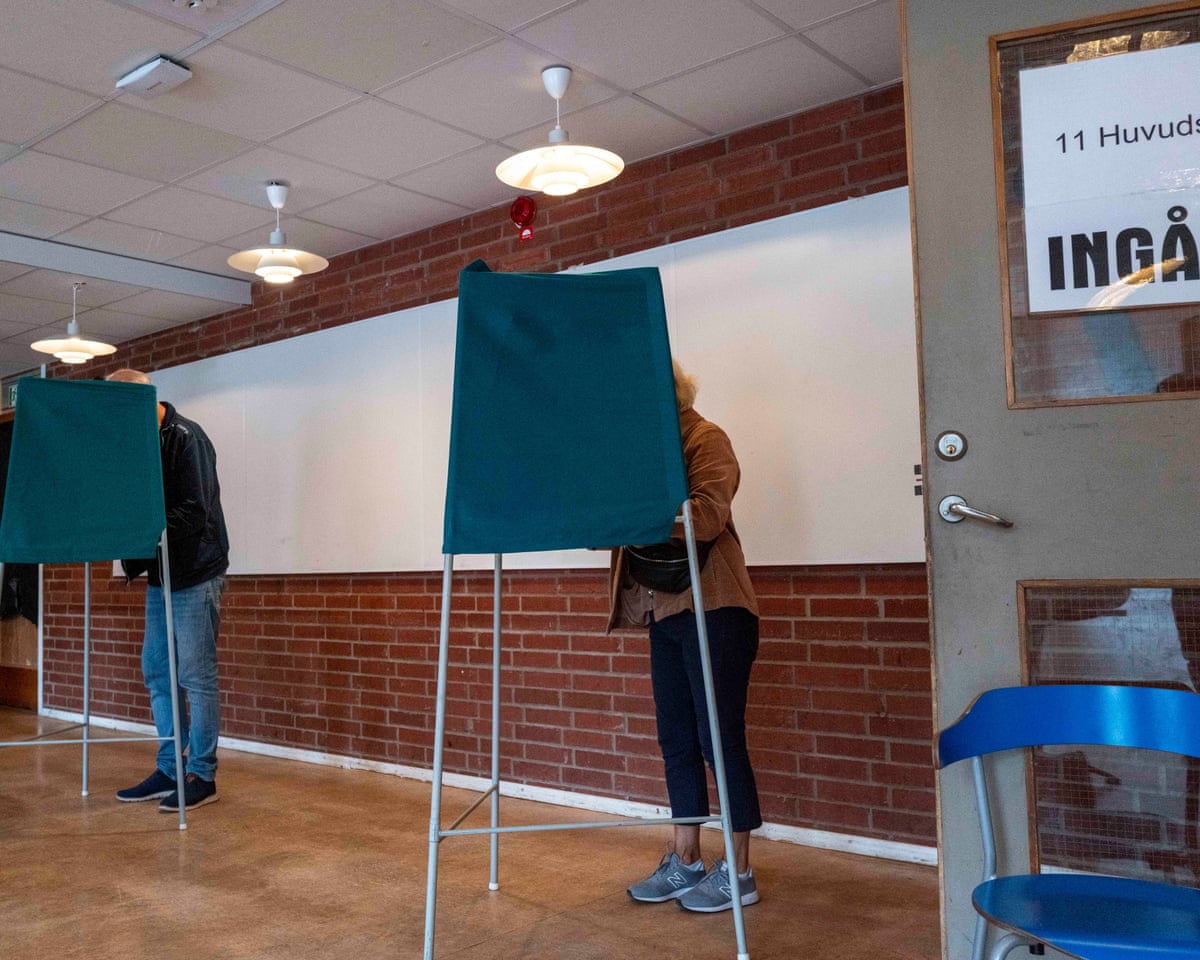
Sweden's voting process involves seven steps that may seem complex to outsiders. Voters select ballots from a station offering multiple options: yellow ballots are for the national Riksdag, white for municipal assemblies, and blue for regional assemblies. Voters then place their chosen ballot inside an envelope, seal it, and hand it to a polling staff member who verifies their name on the voters' register, marks them as having voted, and deposits the envelope into the ballot box.
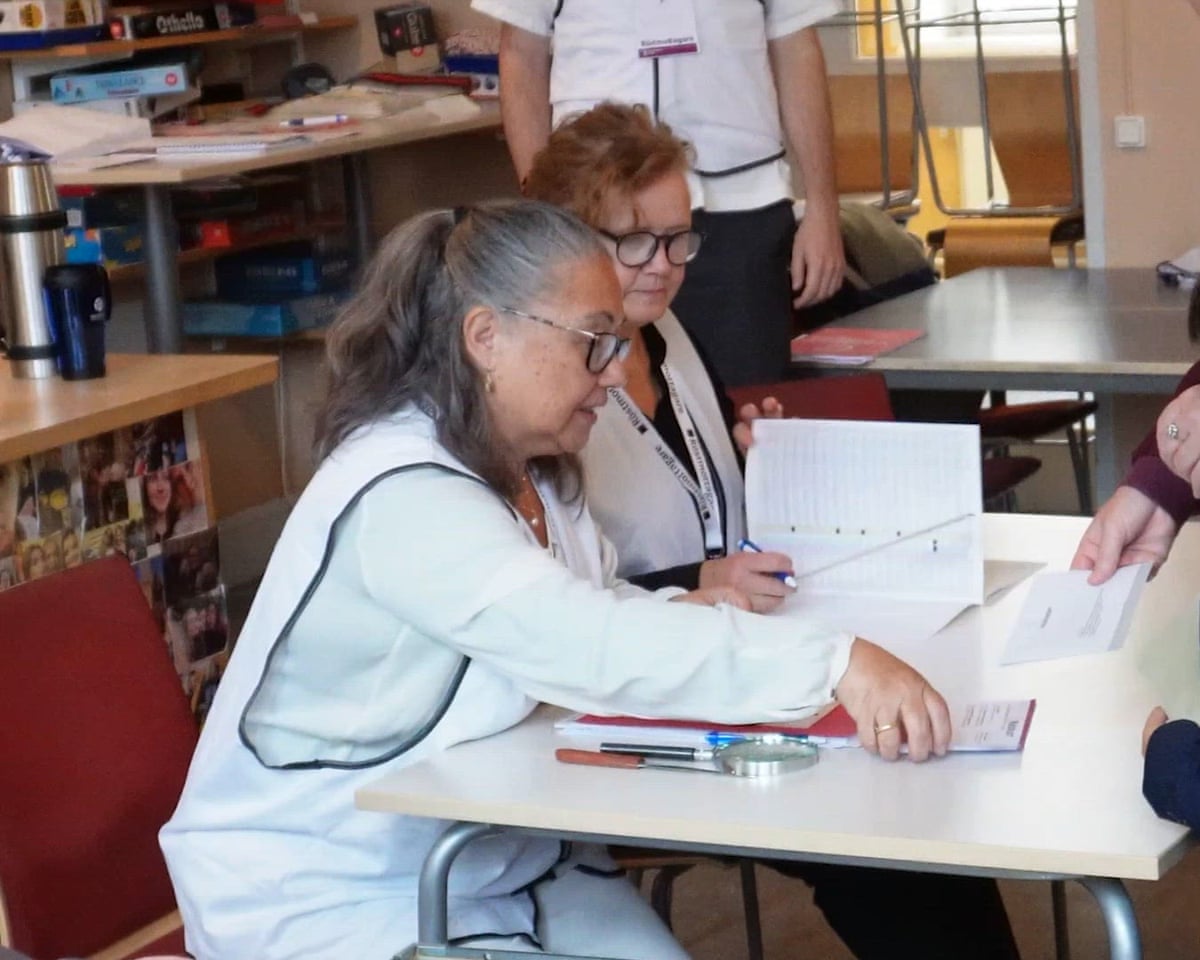
On 13 September 2026, voters will cast ballots not only for the Riksdag but also for regional and municipal councils, meaning many will receive three separate ballots.
What are the key timings for election night?
Polling stations opened at 08:00 local time (07:00 UK time) and will close at 20:00 local time (19:00 UK time). According to Sweden's Election Authority, the first preliminary Riksdag figures are expected at approximately 21:00 on election night. Exit polls conducted by the public broadcaster SVT and the private broadcaster TV4 will be released at 20:00, followed by SVT's "super forecast" projection around 21:00 local time (20:00 UK time).
The final result is expected during the weekend after 13 September 2026, once the county administrative boards complete their counting. Party leaders are unlikely to make victory speeches until a clearer picture of the results emerges.
What is the electorate size?
According to election data, Sweden has 8,046,725 registered voters eligible to participate in the election. This represents the total pool from which the next government's mandate will be drawn.
How has the race evolved in recent weeks?
The political momentum has shifted decisively toward the centre-right in the final stages of the campaign. Earlier in September, reported that the right-wing bloc had narrowed the gap, transforming what had been a comfortable left-wing lead into a genuinely competitive contest. A subsequent Novus poll showed the right-wing bloc closing further still, with the Liberals just clearing the 4% parliamentary threshold – a development that could prove crucial to government formation.
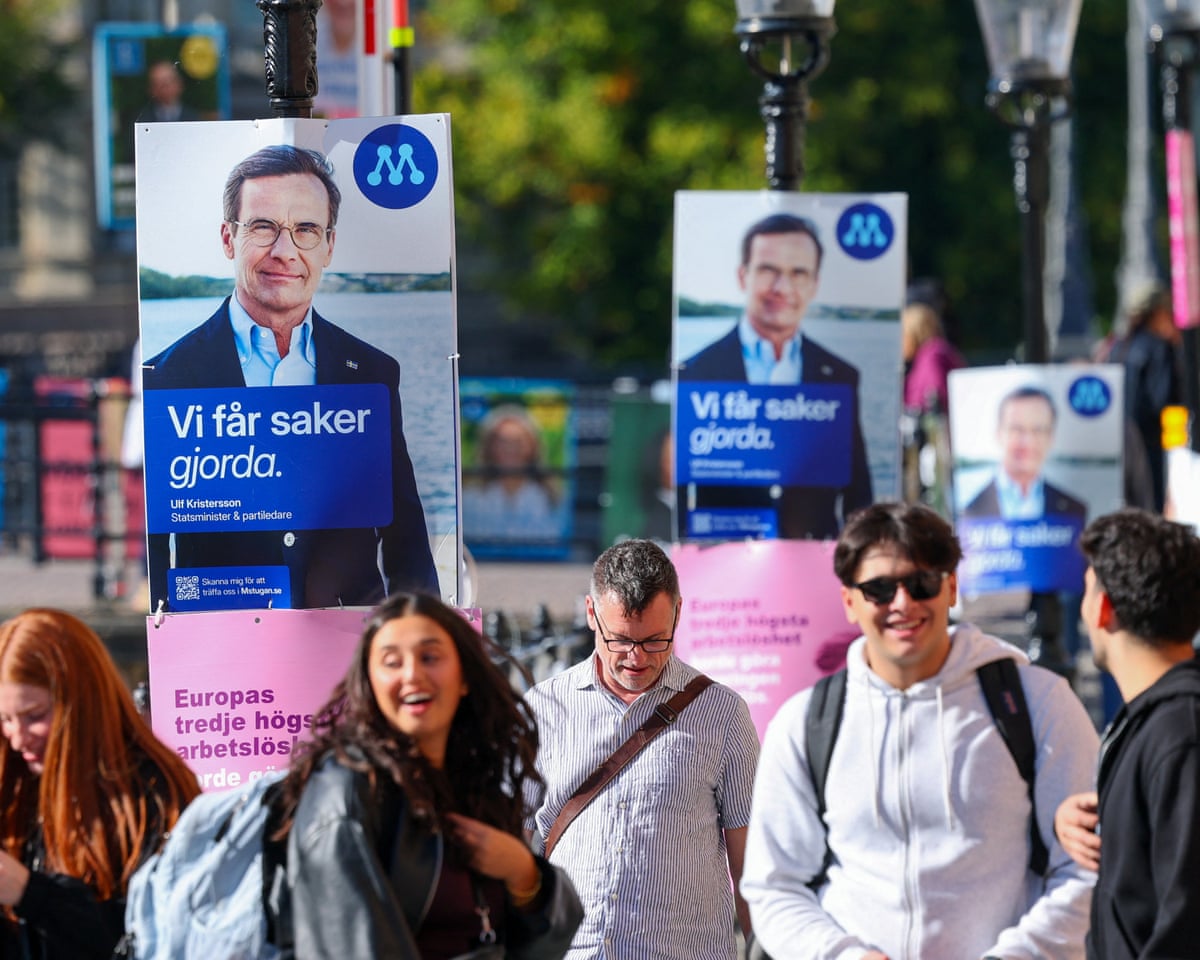
The tightening reflects several factors: strong television debate performances by centre-right leaders, tactical voting among supporters of the "blue" bloc determined to ensure all their parties enter parliament, and broader shifts in voter sentiment on issues such as crime and immigration – areas where the Sweden Democrats have exercised significant influence over the current government's policy agenda.
What happens after the polls close?
Once voting ends at 20:00 on 13 September 2026, exit polls will provide the first indication of the result. The preliminary count will follow, with the first official figures expected around 21:00. However, the final result will not be confirmed until the county administrative boards complete their full count, a process typically taking about a week. This means that while the broad direction of the result should become clear on election night, the precise composition of the next parliament and the exact terms of any government formation negotiations may not be finalised until the following weekend.
Key Facts
- The election on 13 September 2026 will determine whether the far-right Sweden Democrats enter government for the first time or whether the centre-left opposition returns to power.
- The race has tightened to less than one percentage point, with the centre-left holding only a marginal lead after months of commanding advantage.
- Eight parties are expected to win seats in the 349-seat Riksdag, with 175 seats required for a majority.
- The Liberals face a critical battle to clear the 4% threshold, a result that could prove decisive in government formation.
- First preliminary results are expected at approximately 21:00 on election night, with the final count completed during the following weekend.