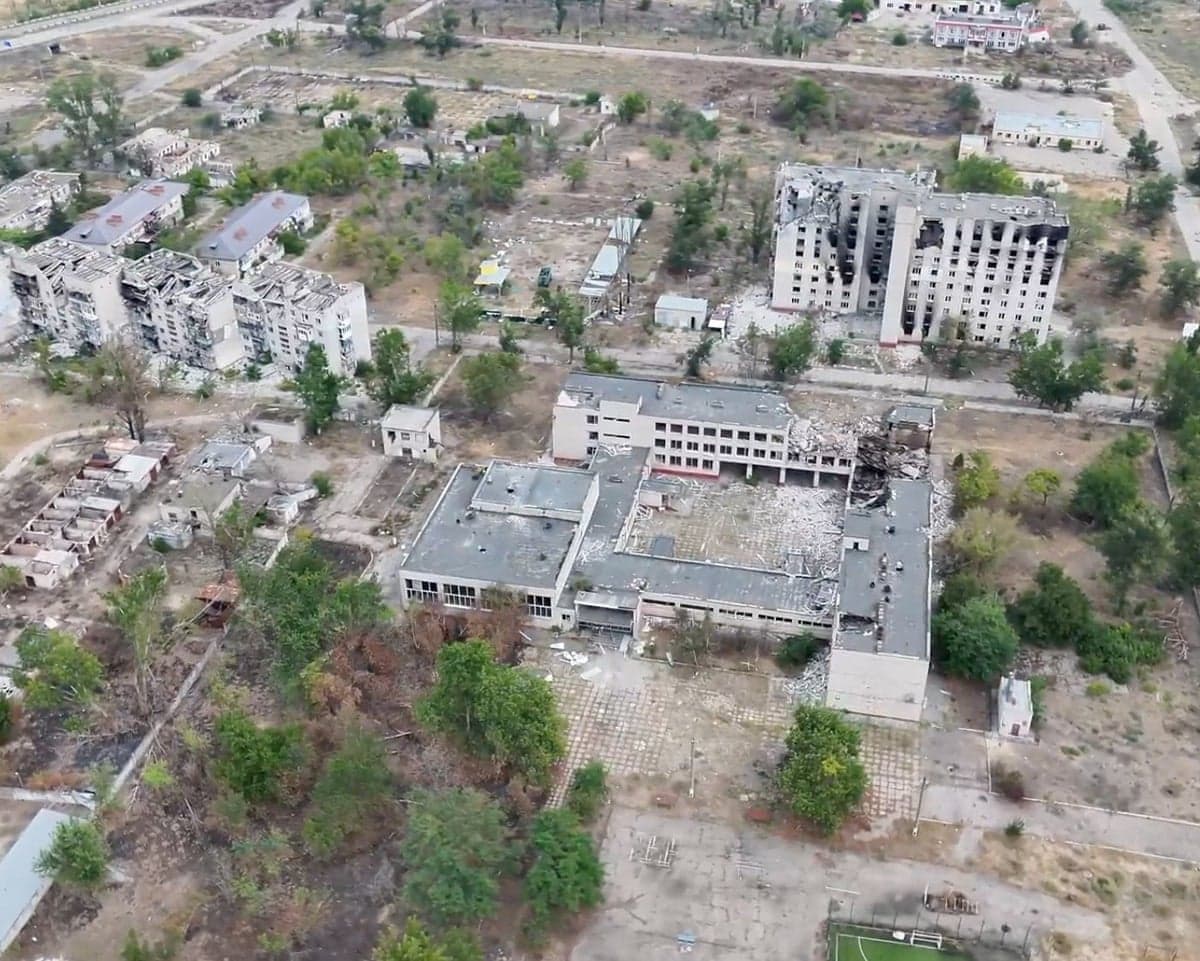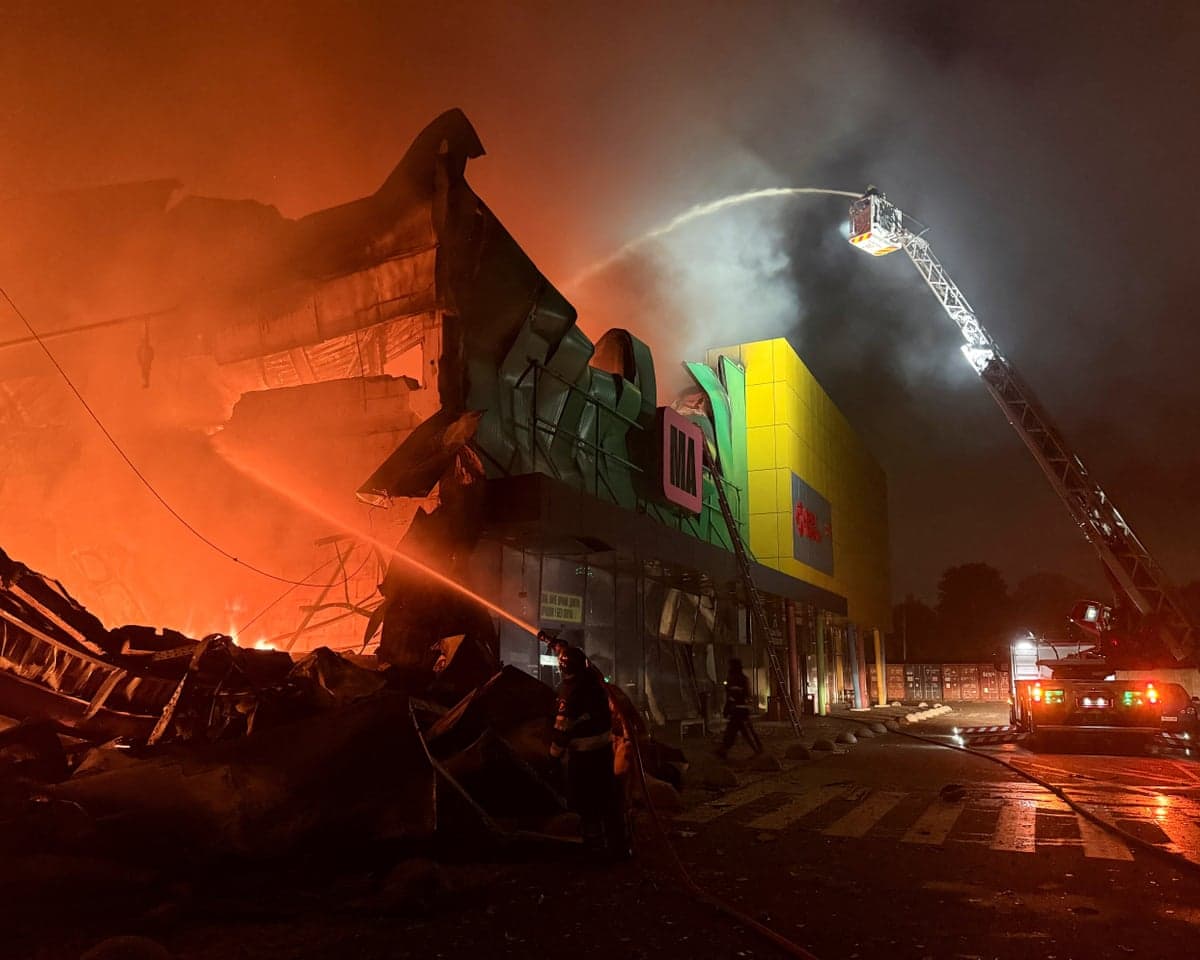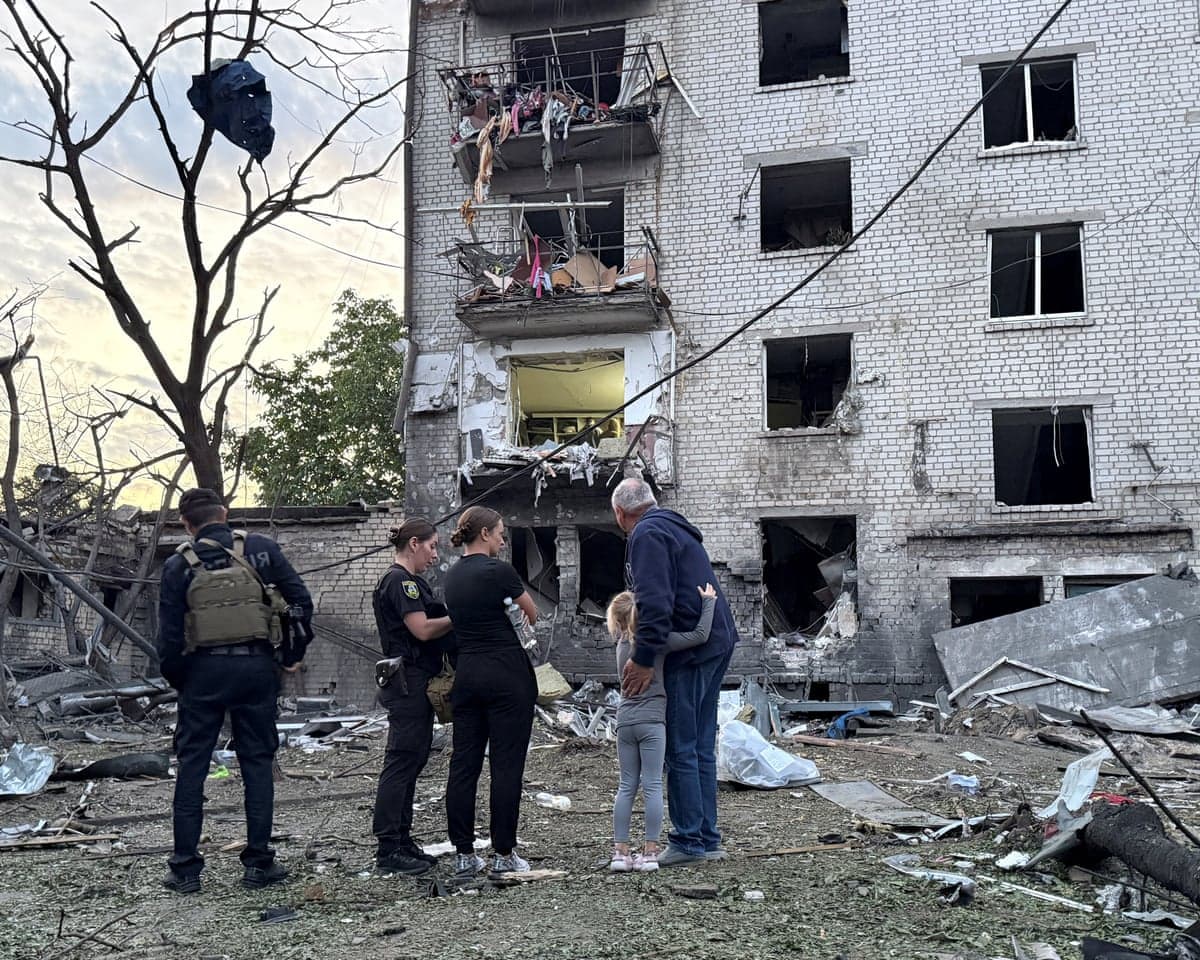
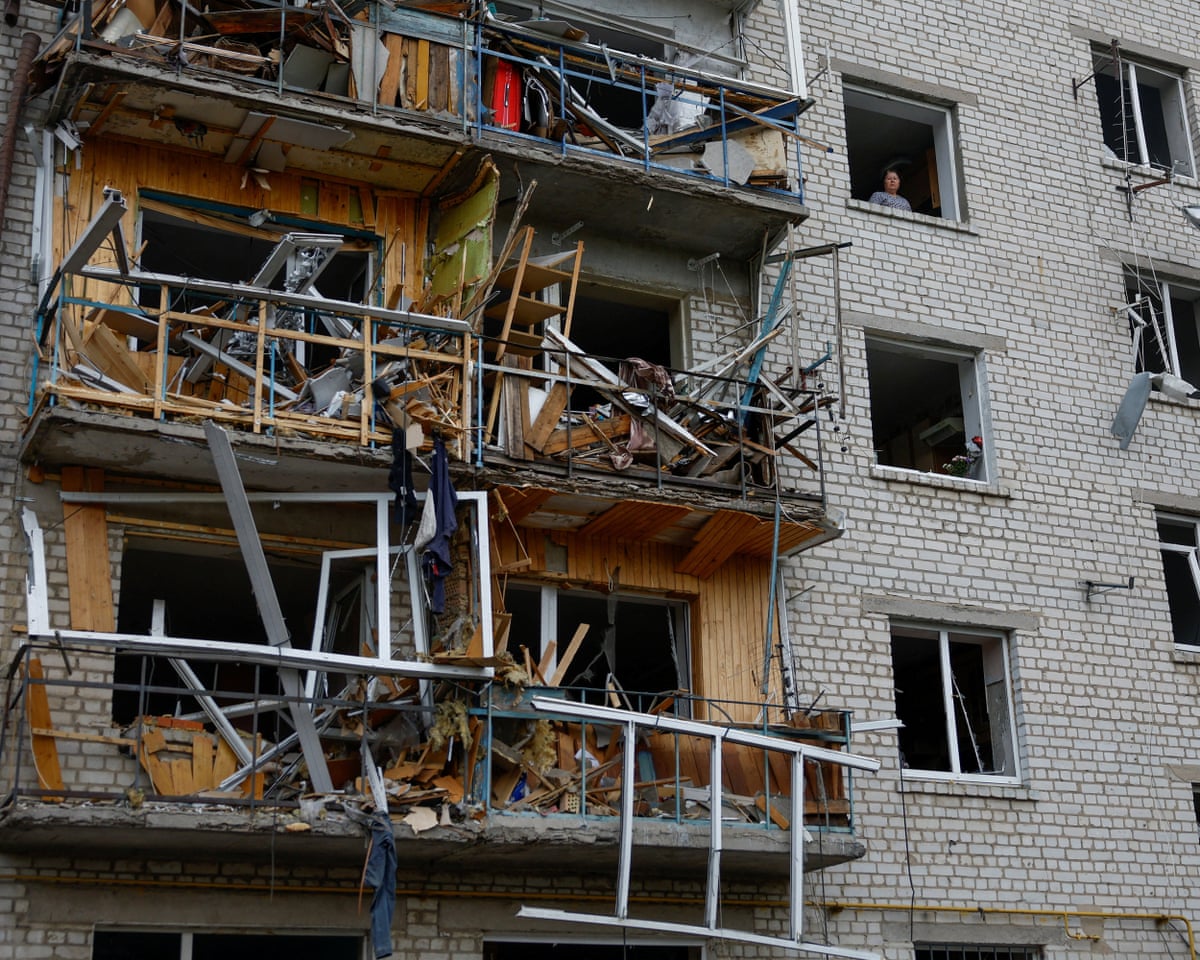
At least 12 people, including an Indian national, died in overnight Russian attacks on Ukraine, with dozens more wounded, according to President Volodymyr Zelenskyy. The strikes also cut electricity to thousands of families across the Odesa region and deliberately damaged a border crossing with Romania.
The latest assault represents part of a sustained campaign to exhaust Ukraine's defences and infrastructure. According to , the capital and surrounding areas came under fire for the sixth consecutive day, with local authorities reporting four people injured in Kyiv itself, including two children.
Over recent days, Ukraine has endured repeated waves of Russian bombardment, combining daytime bombing raids with overnight strikes in what military analysts describe as an attempt to deplete the country's air defences and civilian morale. The pattern of attacks extends beyond the capital to targets across multiple regions.
How many drones has Russia deployed recently?
Russia deployed more than 2,800 jet-powered drones against Ukraine during August alone, according to Ukraine's air force spokesperson Yuriy Ihnat. These unmanned aircraft, which are harder to intercept than conventional missiles, achieved a lower destruction rate than other drone types. According to , Ukrainian forces managed to shoot down approximately 60 percent of the drones launched in August, a figure Ihnat disclosed to Ukrainian television.
What is Germany's position on the Leipzig incident?
Germany is expected to formally attribute responsibility for an attempted drone attack on a Ukrainian cargo aircraft at Leipzig/Halle airport in early August to Russian intelligence services. According to reporting on German media, the country's interior and foreign ministers plan to announce the results of their investigation on Tuesday, 1 September 2026. German Chancellor Friedrich Merz had suggested over the weekend that a formal government response was imminent, though he declined to provide specifics at that time.
The announcement comes as part of broader European discussions on responding to Russian activities. Beyond the Leipzig case, several other countries have reported incidents suspected of Russian involvement, including a suspected arson attack on a drone factory in Poland on Sunday night. Estonia and Latvia both briefly activated air alert systems on Tuesday following reports of drones approaching their airspace.
What are EU defence ministers discussing?
An informal meeting of EU defence ministers convened in Wicklow, Ireland, on Tuesday to address escalating security challenges across the continent. Ireland's defence minister Helen McEntee characterised the gathering as taking place
at a moment of profound challenge for all of us in terms of defence and security, emphasising that closer cooperation is needed
more than ever.
The agenda prioritises EU support for Ukraine, maritime security, and resilience against hybrid and cyber threats. EU foreign policy chief Kaja Kallas opened the discussions by stressing that while NATO remains
the cornerstone of our security,the United States has called on European partners to
assume greater responsibility for their own defence.This shift creates space for internal European strategic discussions independent of Washington's priorities.
Kallas urged ministers to
challenge the conventional thinking to look beyond simply doing more of the same,and to identify innovative approaches and new capabilities Europe can develop. She announced plans to establish a high-level advisory group comprising former political and military leaders from multiple EU member states, the United Kingdom, and Ukraine to conduct a comprehensive reassessment of how Europe should respond to current and emerging military threats.
What happens next?
Germany's interior and foreign ministers are scheduled to announce their formal findings on the Leipzig/Halle drone incident on Tuesday, 1 September 2026, with reports indicating that countermeasures against Moscow are being prepared. The EU defence ministers' meeting in Ireland will continue through the day, with further updates expected on Ukraine-related discussions and broader European security strategy.
Key Facts
- At least 12 people killed in overnight Russian attacks on Ukraine, with dozens injured and thousands left without electricity in Odesa region
- Kyiv has been targeted for six consecutive days as part of Russia's sustained campaign to exhaust Ukrainian defences
- Russia deployed over 2,800 jet-powered drones in August with a 60 percent interception rate by Ukrainian forces
- Germany expected to formally blame Russia for the attempted drone attack on a Ukrainian cargo plane at Leipzig/Halle airport in early August
- EU defence ministers meeting in Ireland to discuss Ukraine support, maritime security, and European defence innovation