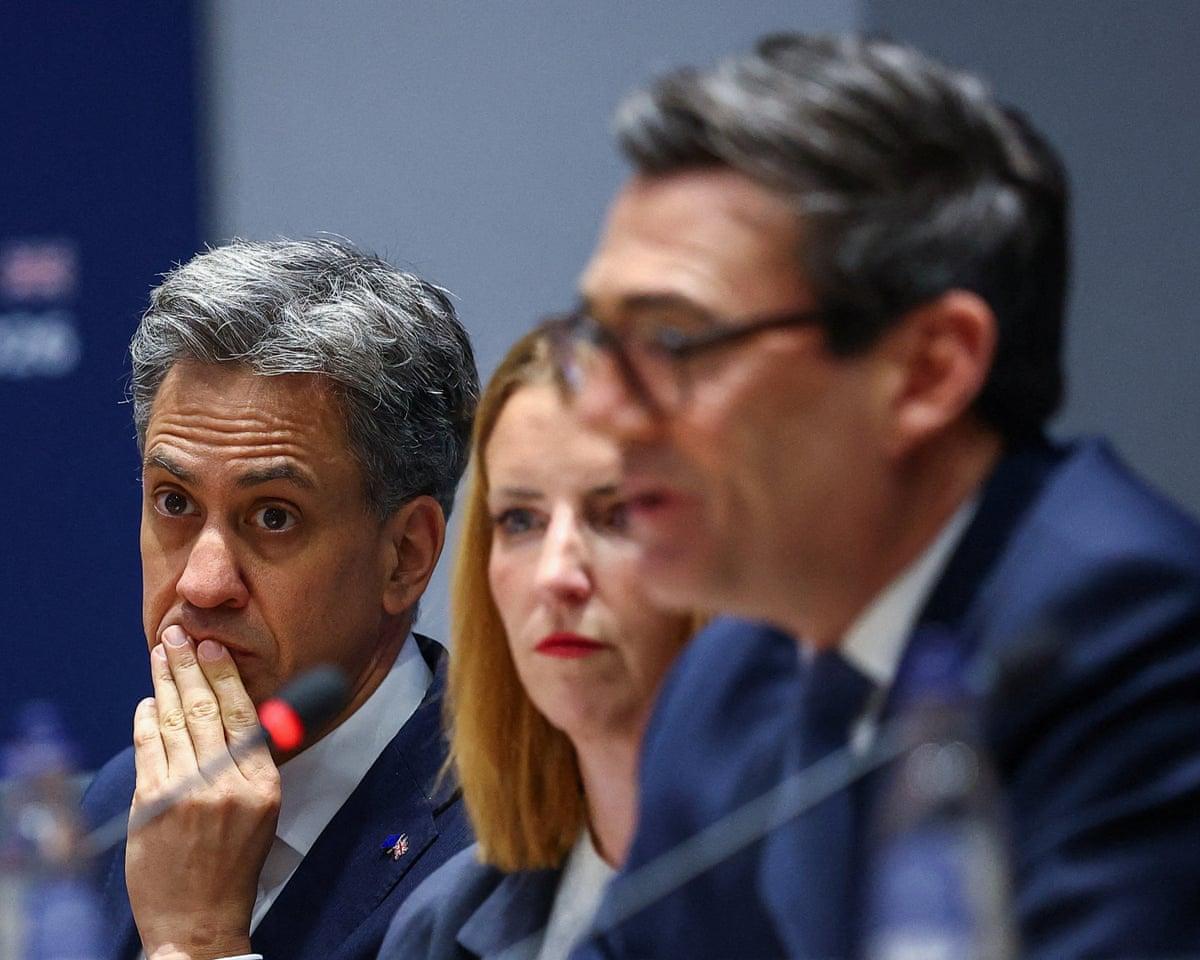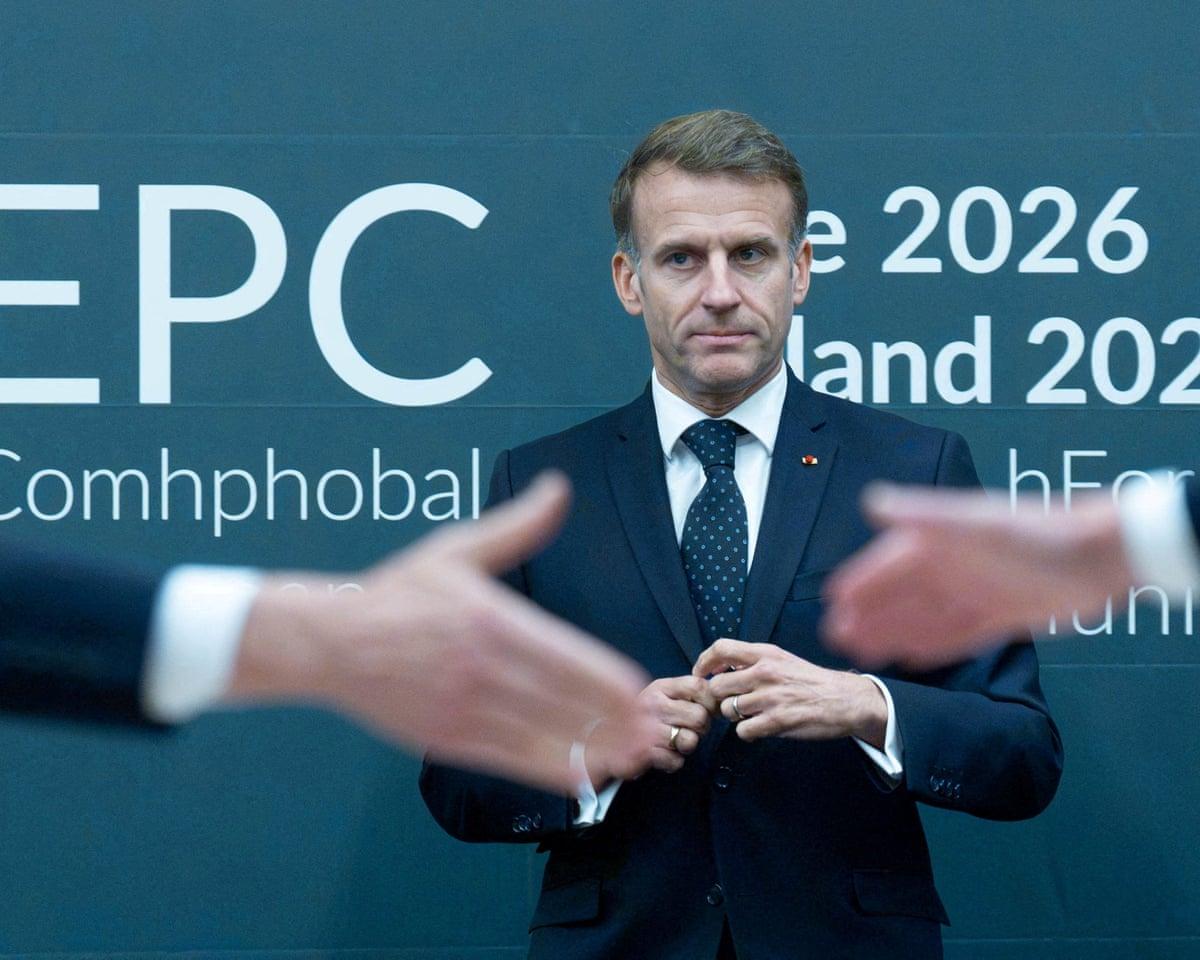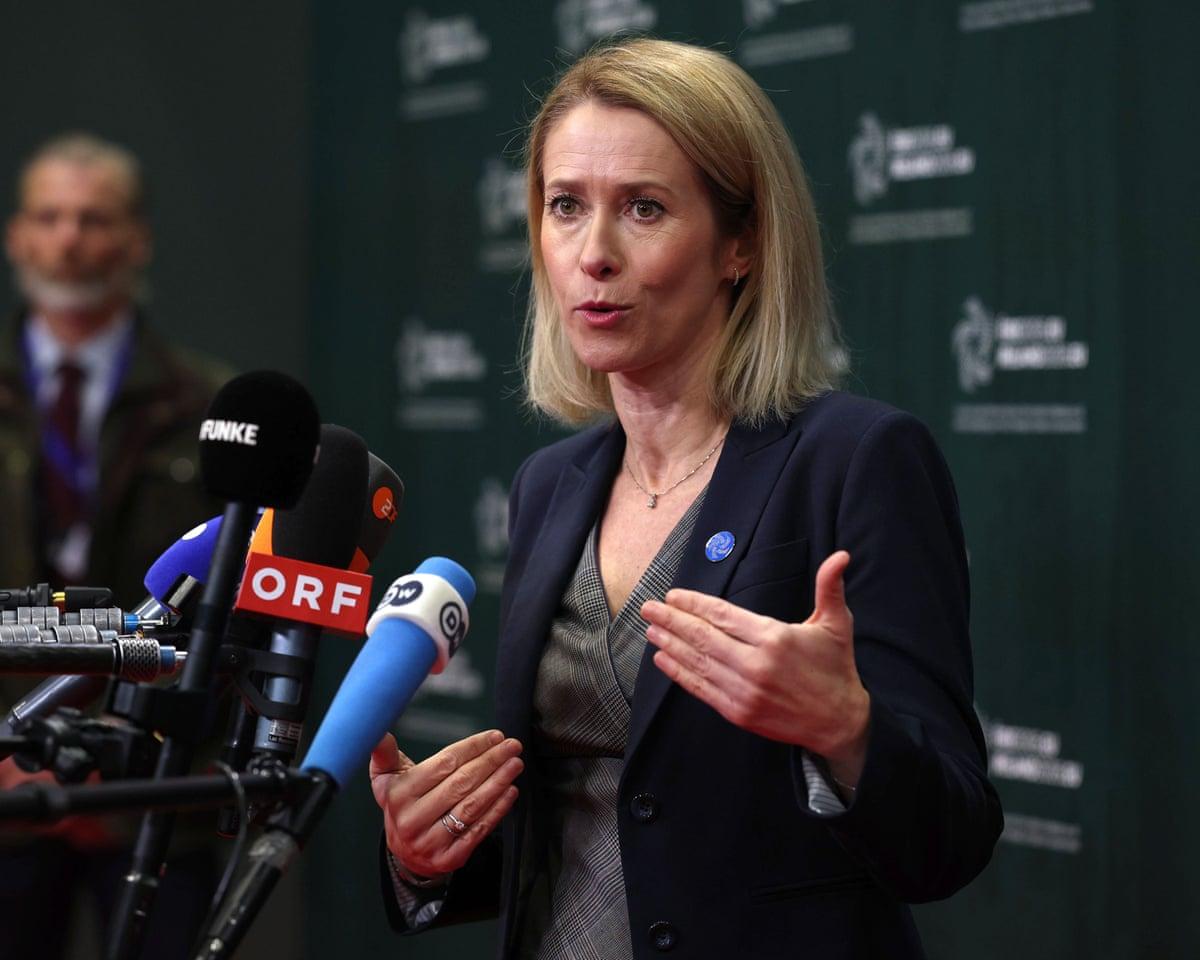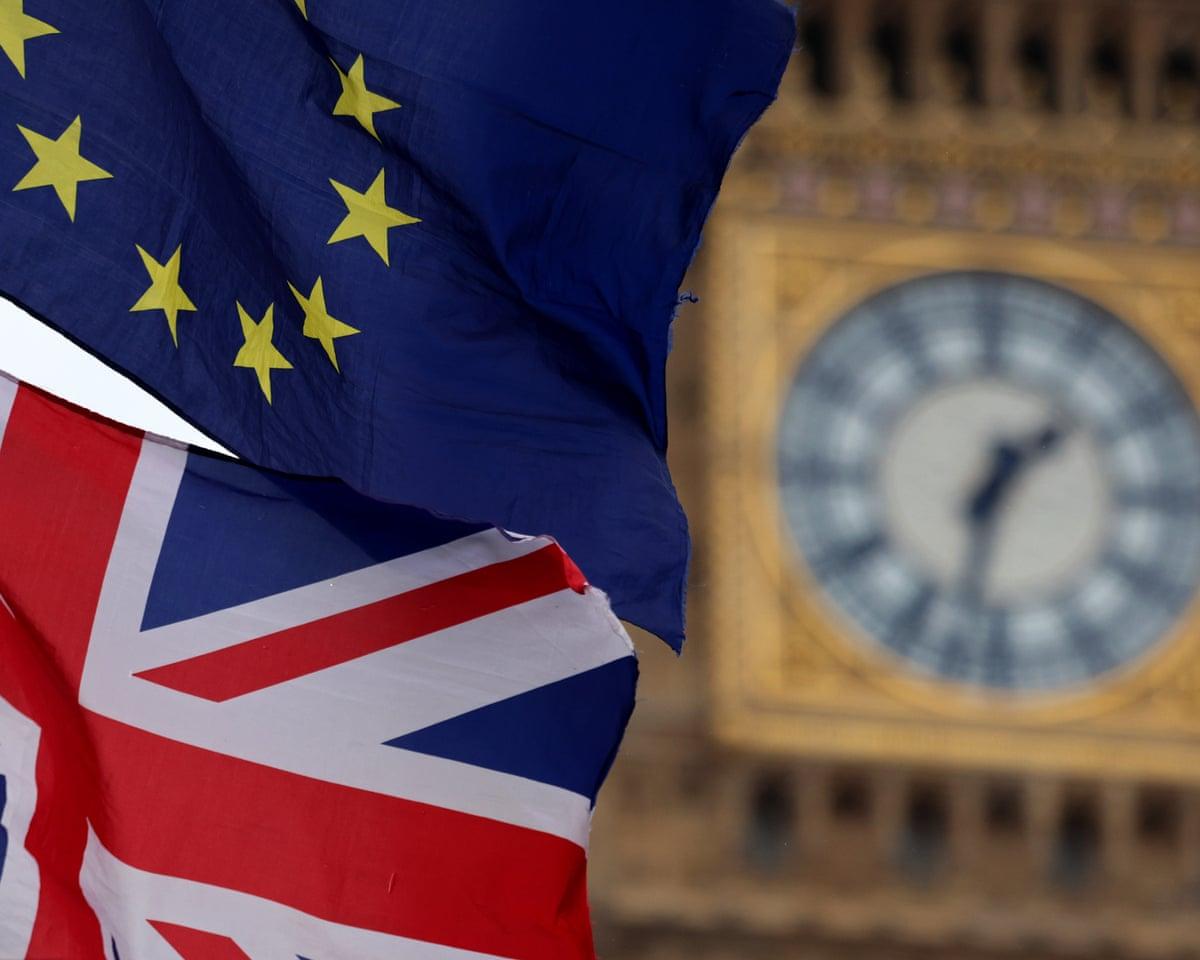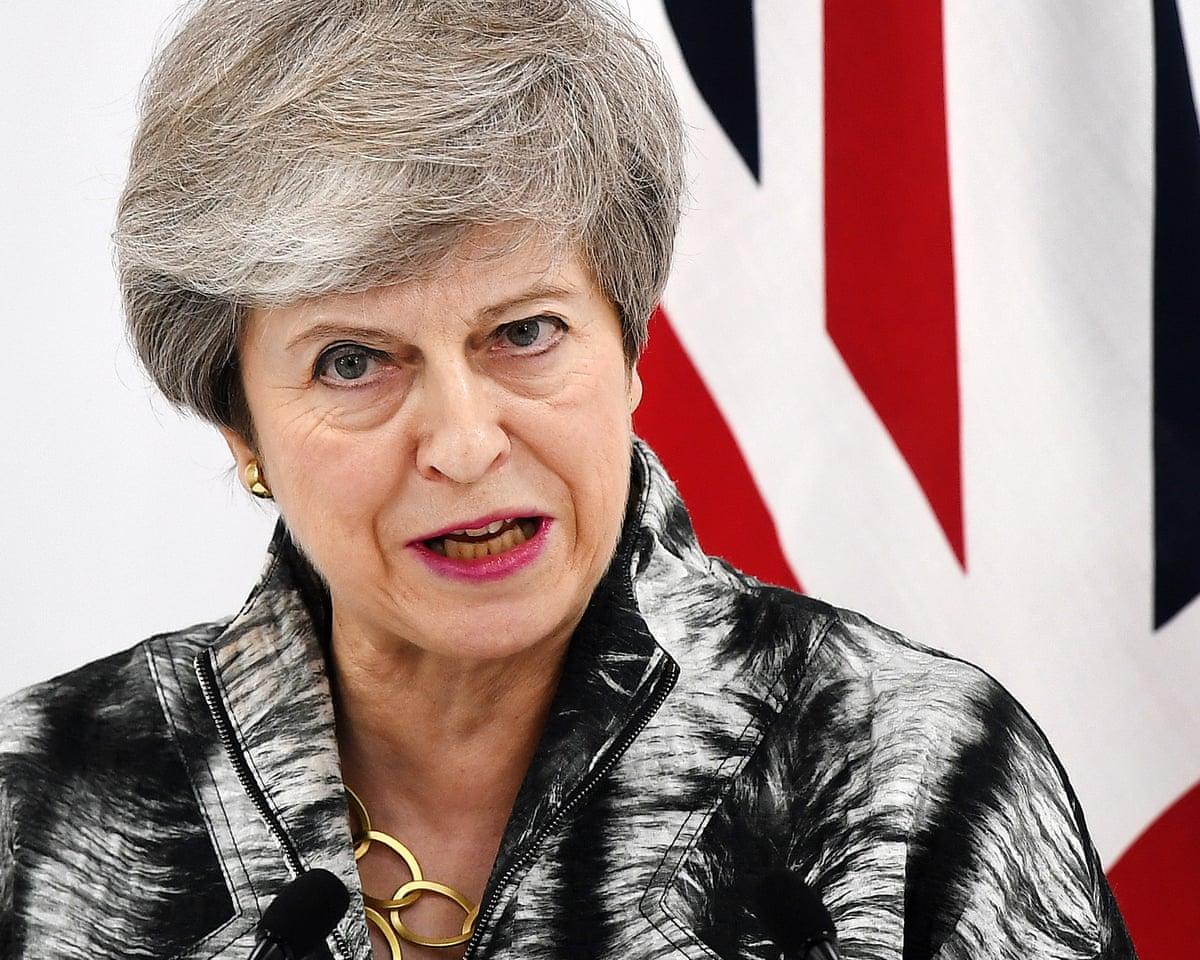
Major agreements struck between the UK and EU on Friday covering trade, travel, emissions and youth mobility have reignited the Brexit debate on Sunday politics programmes, with former Prime Minister Theresa May urging Prime Minister Andy Burnham to accept the outcome of the 2016 referendum and cease pursuing closer ties with the bloc. According to The Guardian, Burnham has characterised the new deals as initial moves towards restoring "the bridges broken all of those years ago" with "our nearest neighbours and our largest market", while emphasising that all options remain under consideration and a lengthy process lies ahead to secure public backing and unanimous approval from all 27 EU member states.
Burnham has expressed openness to EU membership but stressed that the path forward involves extensive consultation and negotiation. Opposition figures have moved swiftly to criticise the agreements, with May telling the BBC that the divorce settlement "is done" and the government should "move on". The former premier, whose administration collapsed under the weight of Brexit negotiations between 2016 and 2019, warned of the enormous diplomatic and administrative burden such an undertaking would entail.
What do the new agreements cover?
The Brussels summit produced four main areas of cooperation. The first permits 100,000 young adults from each nation to live and work in the other's territory for up to three years, with the scheme targeted to become available by January 2030 at the latest. The second eliminates border inspections on plant and animal products, which Burnham contends will reduce food costs for consumers. The third links the UK and EU carbon-trading schemes, intended to lower carbon taxes on certain exports and exempt goods such as steel from each other's carbon-border charges. The fourth establishes closer cooperation against migrant smuggling and human trafficking, including increased law-enforcement data sharing.
The food agreement is set to apply from 1 March 2028 and would reopen the EU market to British fresh sausages, burgers, seed potatoes and molluscs, while easing some movements from Great Britain to Northern Ireland under the Windsor Framework. According to the UK government, the deal could save businesses up to £200 per export health certificate and at least £127.60 per load in inspection fees.
Why are Conservatives and Reform attacking the deals?
Opposition parties have argued that the food agreement represents a poor outcome for British farmers. They contend that more than 90 per cent of UK farmers do not currently export to the EU, yet all would be required to comply with EU standards and regulations. Tory deputy leader Alex Burghart has characterised the removal of red tape on food and agricultural products as "really bad for business", describing it as "a huge deadweight cost" for farmers who do not trade with the bloc. He also argues that linking the emissions schemes "forces the UK to adopt the higher price of carbon that EU puts on businesses", and claims the youth mobility scheme will displace young British workers.
Reform UK's deputy leader Richard Tice has condemned the agreements as "a really bad deal", asserting that "it's not a reset, it's a reverse" and claiming the arrangements will reduce rather than increase GDP. The government projects a 0.5 per cent economic boost. Tice argues that the extra regulatory burdens imposed through dynamic alignment across all UK businesses will outweigh any modest gains to exporting food firms, and warns that businesses in towns such as Boston and Skegness that do not export to the EU will face compliance costs without corresponding benefits.
What is the government's response on food costs?
Ed Miliband, the Foreign Secretary, has pointed to statements from major supermarket chains welcoming the agreements. Marks & Spencer, Morrisons and the Co-op have all endorsed the deals, with retailers indicating they will apply downward pressure on prices. When pressed on whether specific items would become cheaper, Miliband declined to name particular products but highlighted that food exports have fallen 20 per cent since 2020 "because of the massive Brexit red tape that we have put on us".
And this deal will make a positive impact on both exports and imports, and crucially—this is the point that I noticed the retailers were making—it will reduce the costs that the retailers face, all of that Brexit red tape, millions of forms that they were having to fill in, frankly, pointlessly, as a result of the bad deals that we had.
The British Retail Consortium has stated that the deals will "reduce pressure on trading costs" but are "unlikely to have any impact on prices in the near future" as "most of our food already comes from the United Kingdom". Miliband countered that the status quo has been "pretty rubbish" for Britain and that the agreement represents a necessary improvement.
What did Theresa May say about reopening Brexit negotiations?
May expressed alarm at Burnham's willingness to revisit the question of EU relations, warning of the scale of effort required. She spent three years as Prime Minister between 2016 and 2019 attempting to secure a withdrawal agreement before stepping down.
What I saw was that the extent of those negotiations, the hours that have to be put in—it's across the whole of government. It's not just prime ministerial time, cabinet ministers' time, officials' time, to-ing and fro-ing on those negotiations. Because you have to negotiate hard in order to make sure that you're getting out what you want.
And that's one of the reasons why I look slightly aghast at what Andy Burnham is talking about, further negotiations of going into the EU.
May reiterated that the British public voted for Brexit and that the government should honour that decision.
So I'm afraid my message to him really is, you know, people voted for Brexit. Brexit is done. Just accept Brexit and move on.
Would the Conservatives reverse these deals?
Burghart indicated on Sky that a future Conservative government would repeal the agreements.
We will certainly repeal this deal. This is a very bad deal. I wish that Andy Burnham had chose not to reopen the Brexit issue. I think there was no need to do so.This stance reflects broader European concerns about British political instability over the past decade and the risk that a change of government could trigger another reversal of policy towards the EU.
What happens next in negotiations?
The UK and EU have set a six-month deadline to conclude talks on university tuition fees, a key unresolved issue. The EU wants its students to qualify for UK "home fees" rather than the typically higher international rate. The carbon-market link is targeted to become operational by 1 January 2028, while the youth scheme is targeted to be available by January 2030 at the latest. At Brussels, EU officials briefed media that negotiations had been challenging but conducted in good faith to find workable solutions.
Key Facts
- Four major agreements were finalised at the Brussels summit on 20 November 2026, covering food trade, youth mobility, carbon pricing and law-enforcement cooperation.
- The food deal could save UK businesses up to £200 per export health certificate and at least £127.60 per load in inspection fees when it takes effect on 1 March 2028.
- The youth mobility scheme will permit up to 100,000 people from each side annually, aged 18–31, for stays of up to three years, with implementation targeted for January 2030.
- Conservatives and Reform have pledged to repeal the agreements if they return to power, citing concerns about regulatory burdens on businesses that do not export to the EU.
- Tuition fees for European students in the UK and vice versa remain unresolved, with negotiations to conclude within six months.