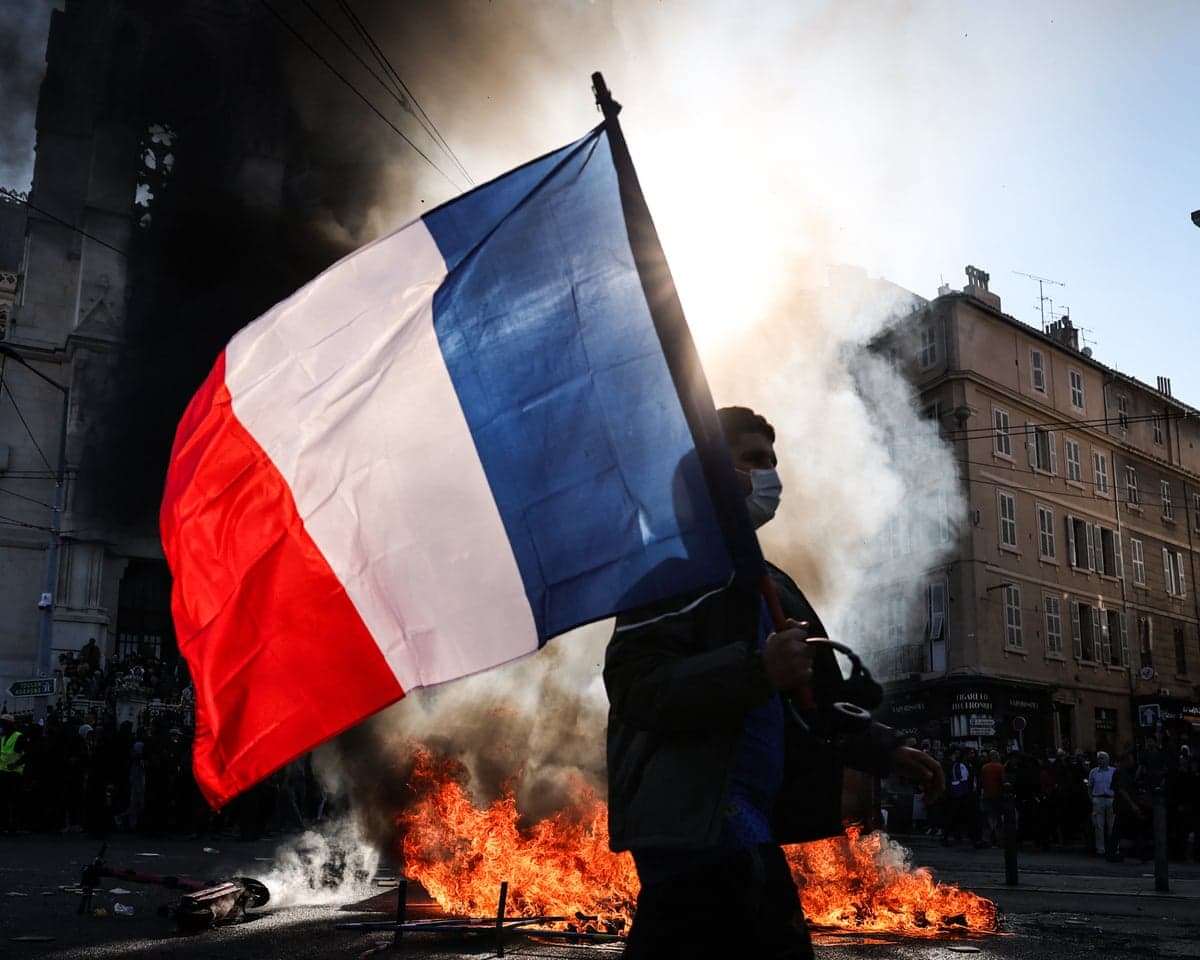
French President Emmanuel Macron has rejected Interior Minister Laurent Nuñez's resignation offer following violent riots that swept across the country over the weekend, despite acknowledging "failures in anticipation and intelligence" that compounded the crisis. Macron determined that Nuñez should remain in post to maintain continuity within police and security command structures, according to the Élysée Palace. The decision came as The Guardian reported on the unfolding situation across Europe on Monday, 19 October 2026.
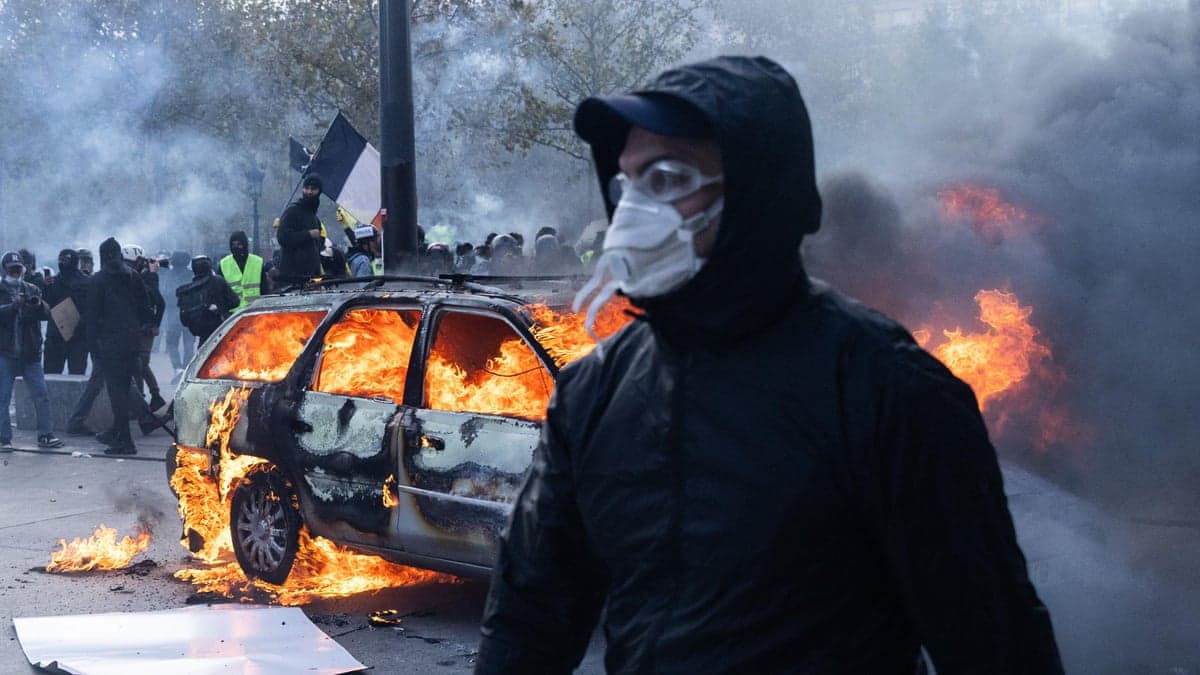
Saturday's unrest marked one of France's most violent days in recent years, with public buildings set ablaze, hundreds of shops destroyed and looted, and at least 2,400 arrests made nationally. According to Interior Minister Nuñez, nearly 1,000 police officers sustained injuries during the demonstrations, and one protester died after suffering cardiac arrest. Carrefour, the major French retailer, reported that 50 of its stores were damaged, including 20 that were looted, with losses reaching tens of millions of euros, according to CEO Alexandre Bompard.
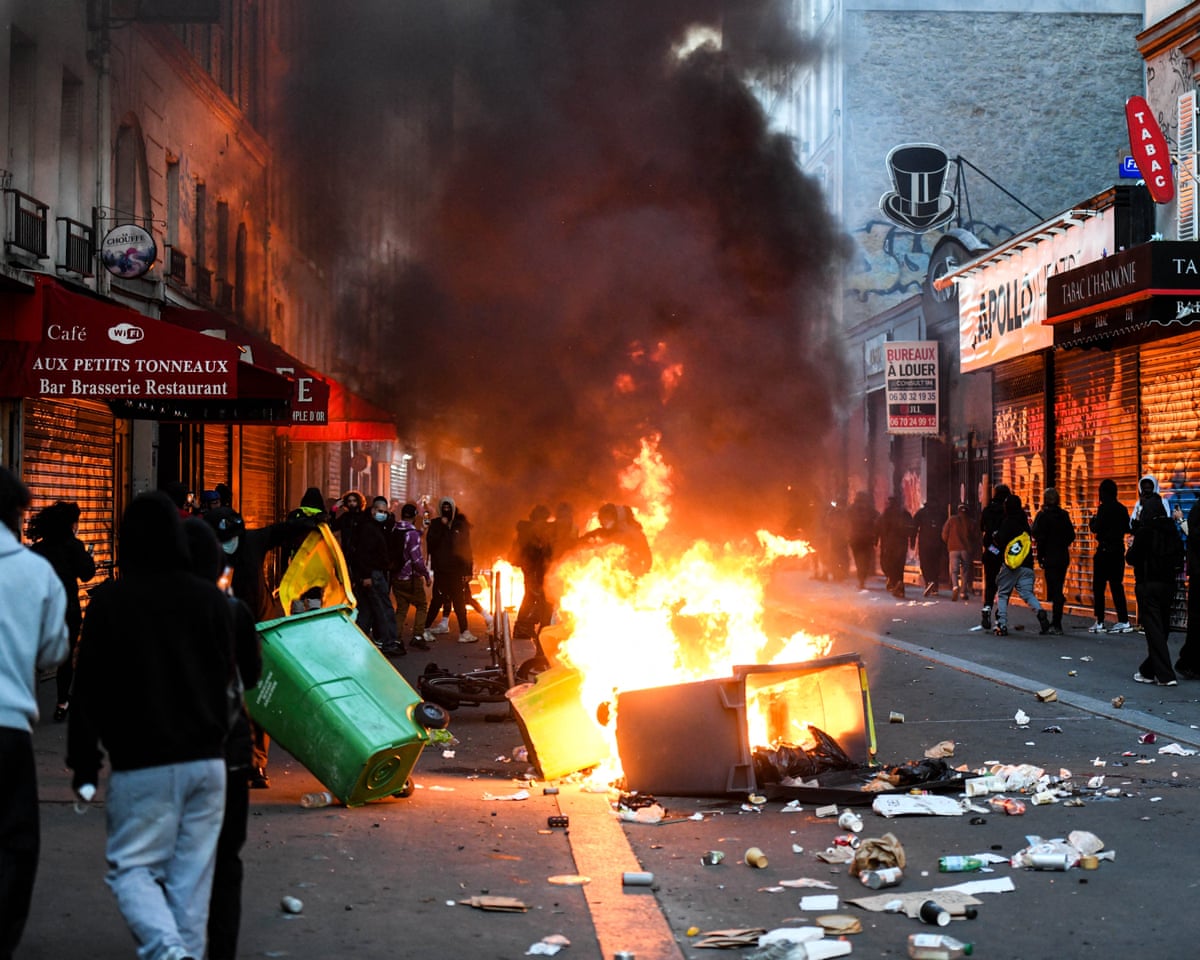
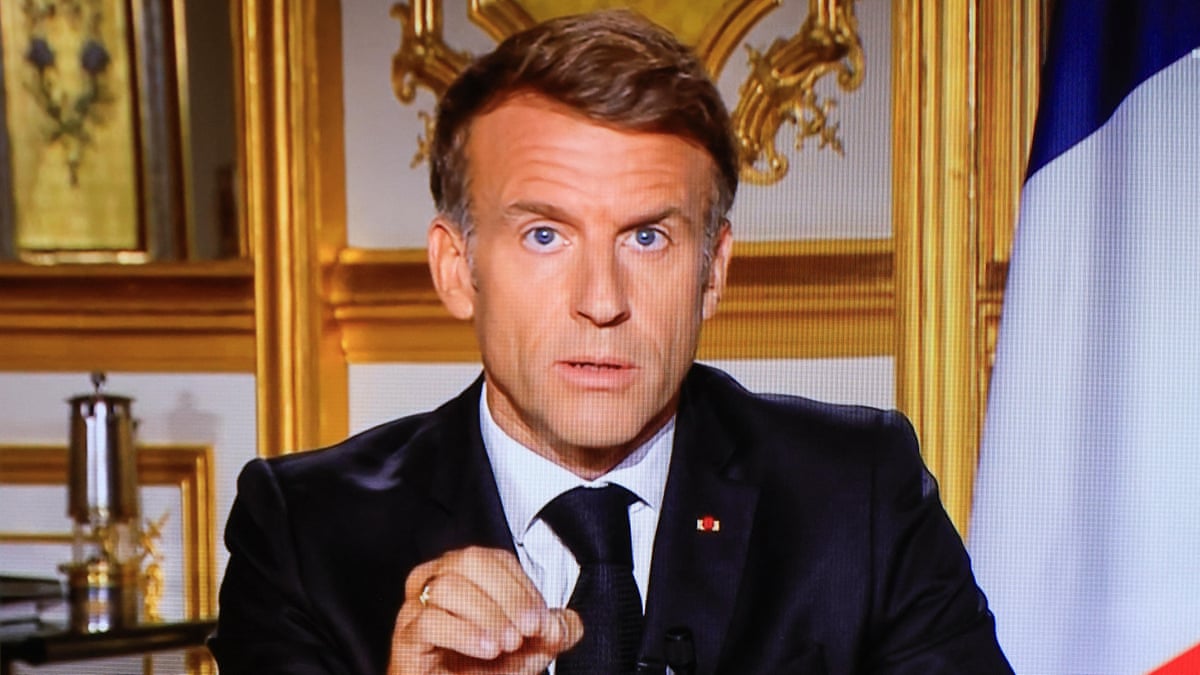
Macron has instructed Nuñez to establish new operational security methods to regain control over the crisis. In a televised address to the nation on Sunday evening, the president condemned what he termed "unbridled violence," expressing bewilderment at the scale of destruction.
"Watching these images, we have all asked ourselves how could French people do this to France?"he said.
The unrest represents an escalation of demonstrations that began in September as a student movement focused on high-school conditions, before broadening into wider anger over rising living costs and deteriorating public services. Prime Minister Sébastien Lecornu was scheduled to convene an emergency cabinet meeting at 9 a.m. on Monday to address the crisis.
During a Monday television interview, Nuñez acknowledged that police "lost control" in certain cities during the protests, a candid admission that underscored the scale of the security challenge authorities faced.
What security measures are being implemented?
Macron has tasked the interior minister with developing fresh operational approaches to counter looting and restore order. The government's focus centres on deploying enhanced security force coordination to prevent a recurrence of the weekend's violence. No specific details of these new methods have yet been disclosed, though the emphasis on maintaining ministerial continuity suggests the administration views institutional stability as essential to the recovery effort.
How are other European cities responding?
Unrest has spread beyond France's borders. In Marseille, authorities imposed a ban on all public gatherings and demonstrations throughout the entire municipality from midday to 8 p.m. on Monday, signalling heightened security precautions in the southern port city.
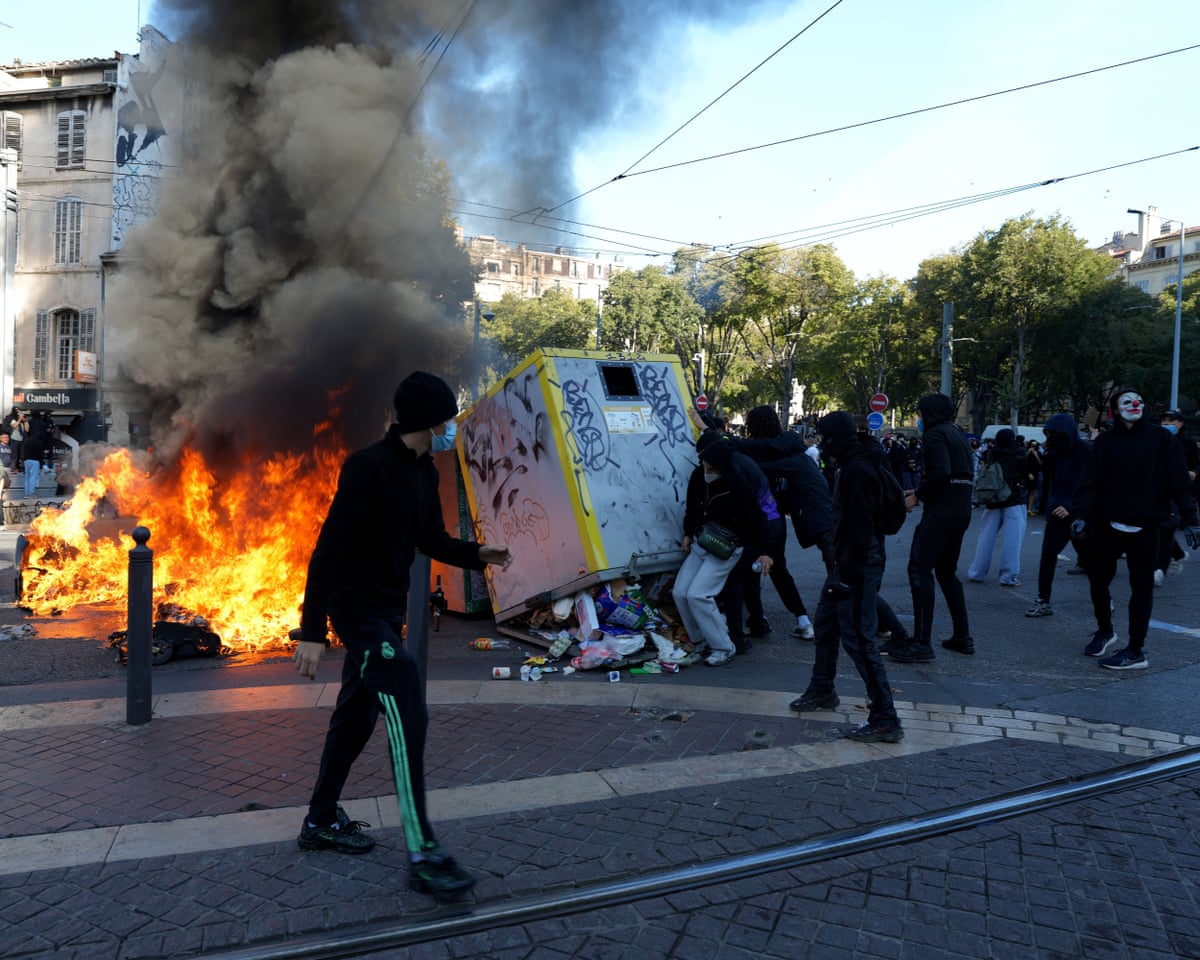
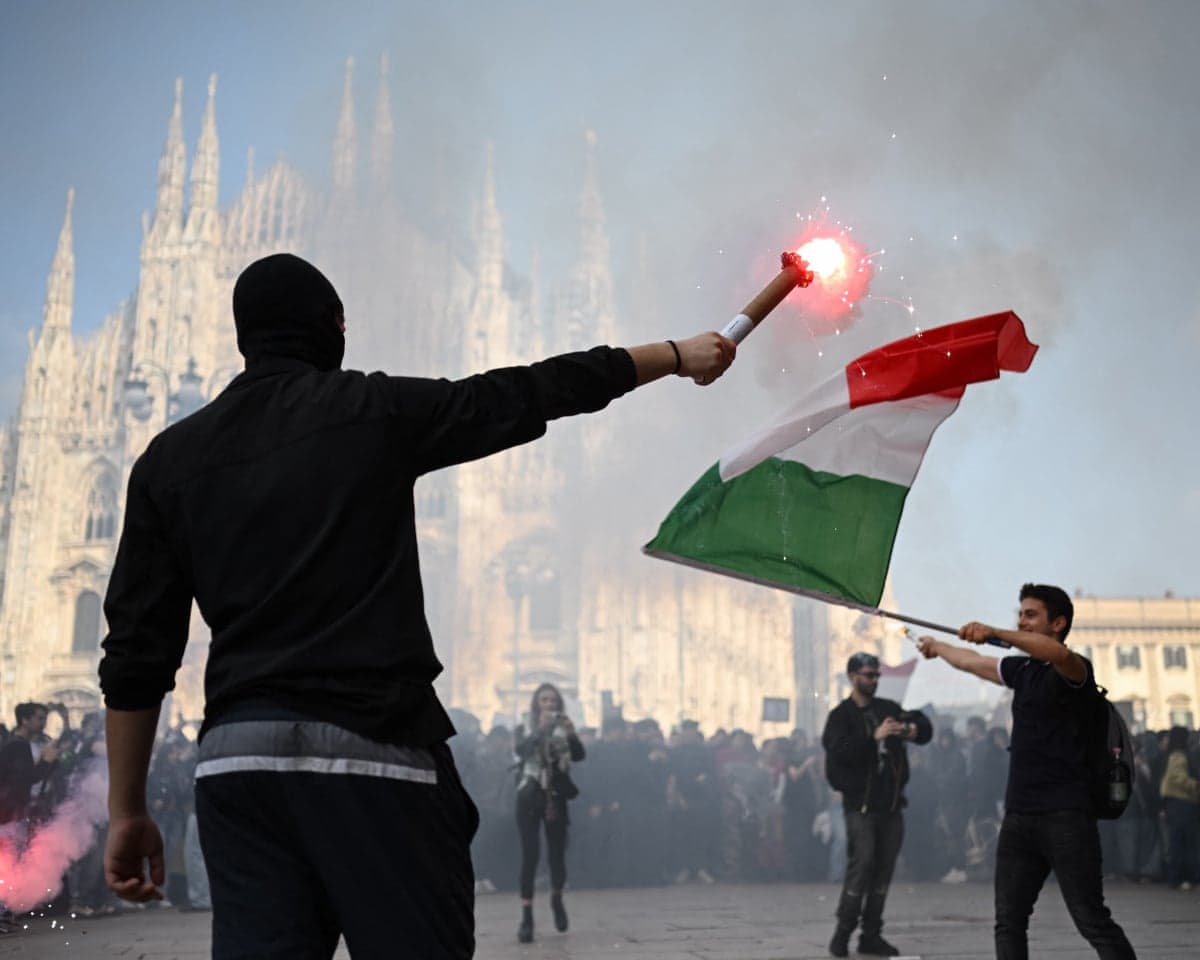
Italy has also experienced significant disruption. Police in riot gear clashed with several hundred hooded protesters in Milan on Sunday, deploying teargas and water cannon after demonstrators smashed shop windows and set bins alight in the area surrounding Piazza del Duomo in central Milan. The Italian unrest mirrored the scenes of violence in France, driven by public anger over rising living costs and declining public services.
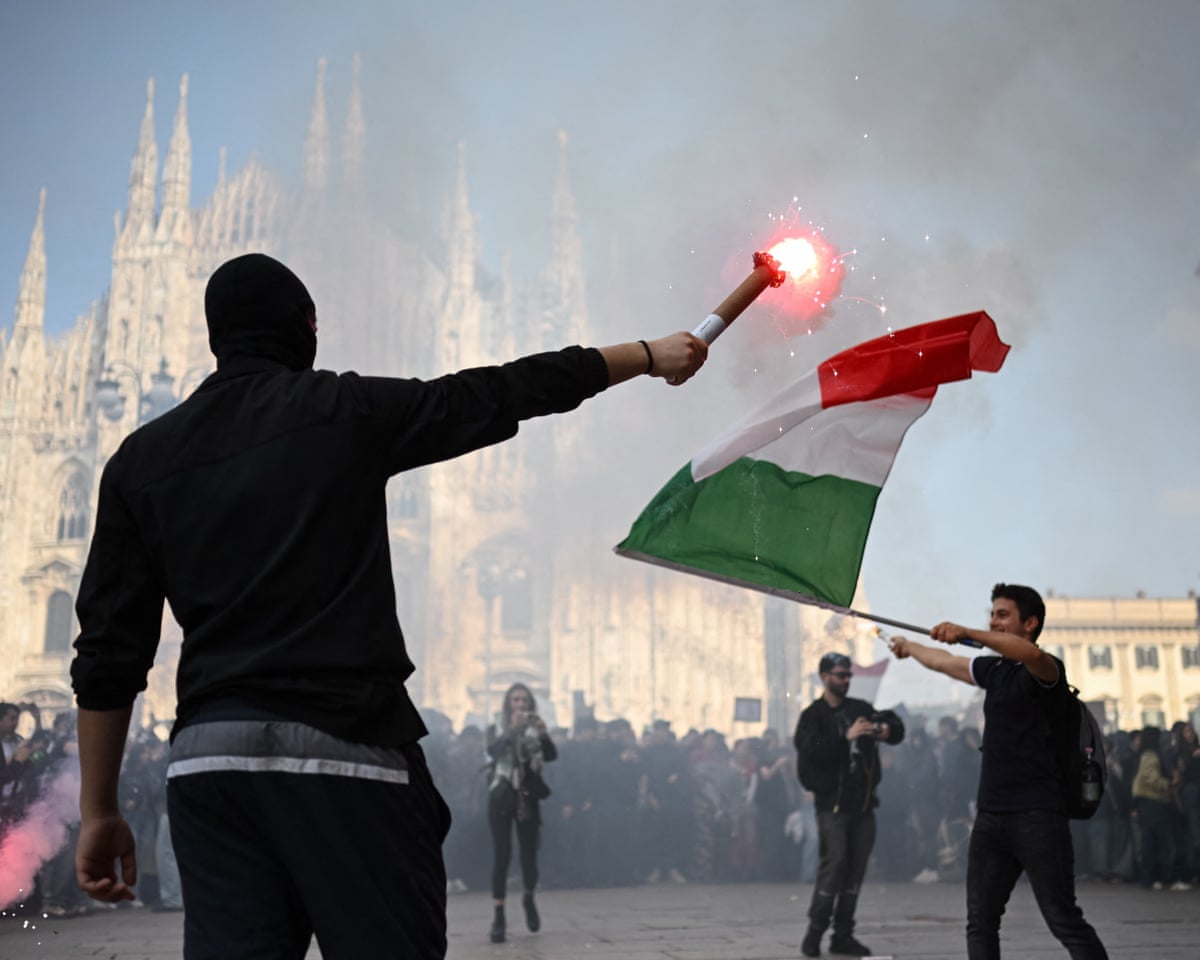
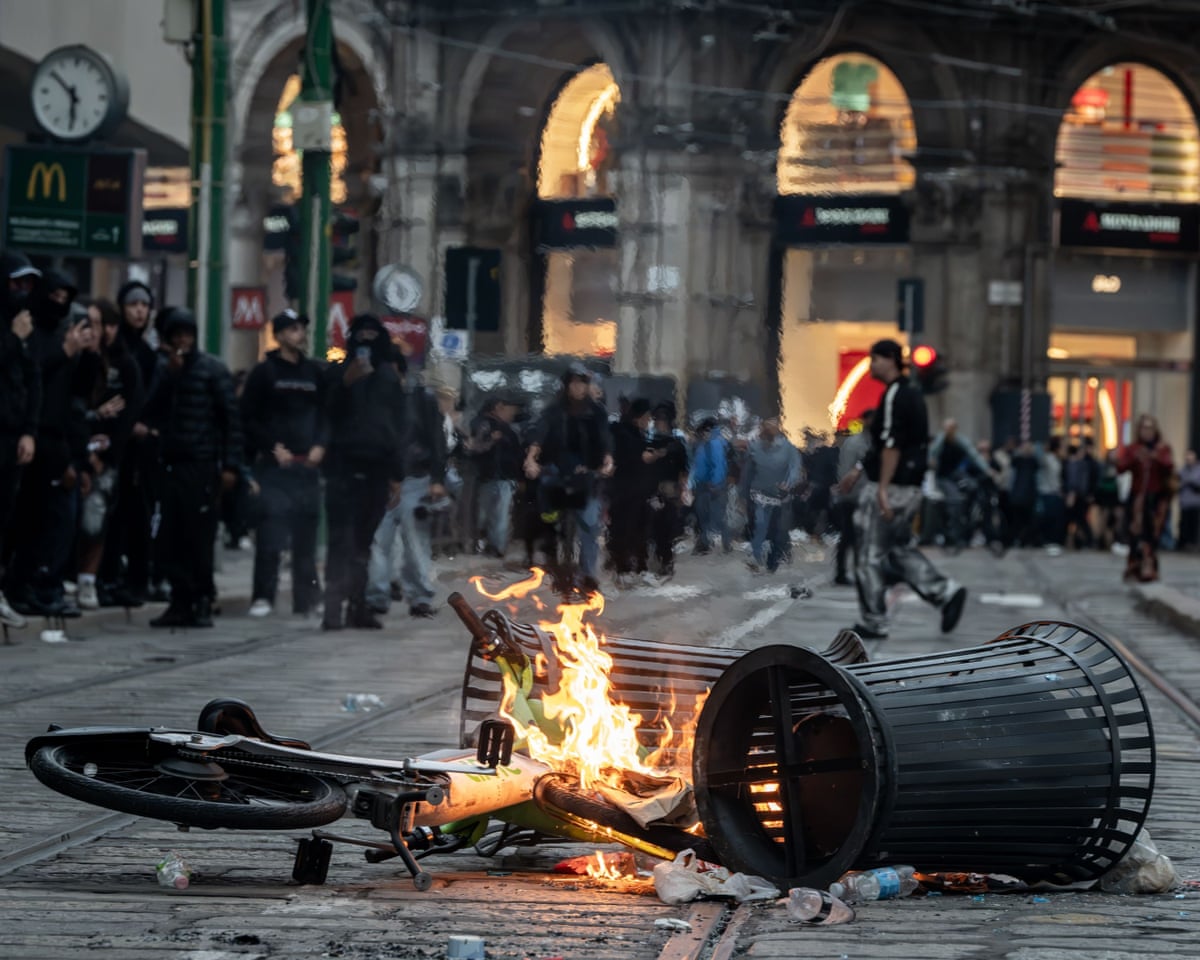
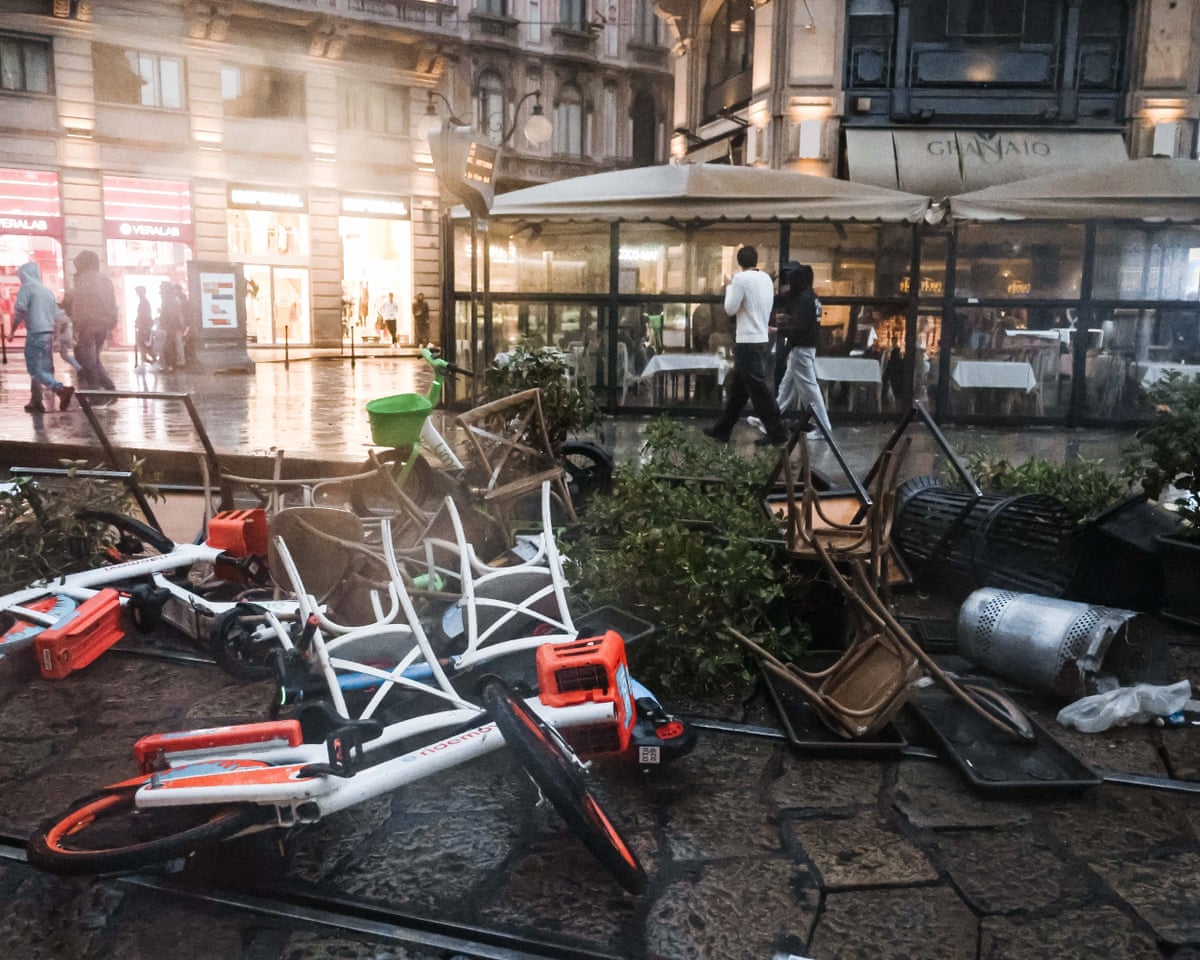
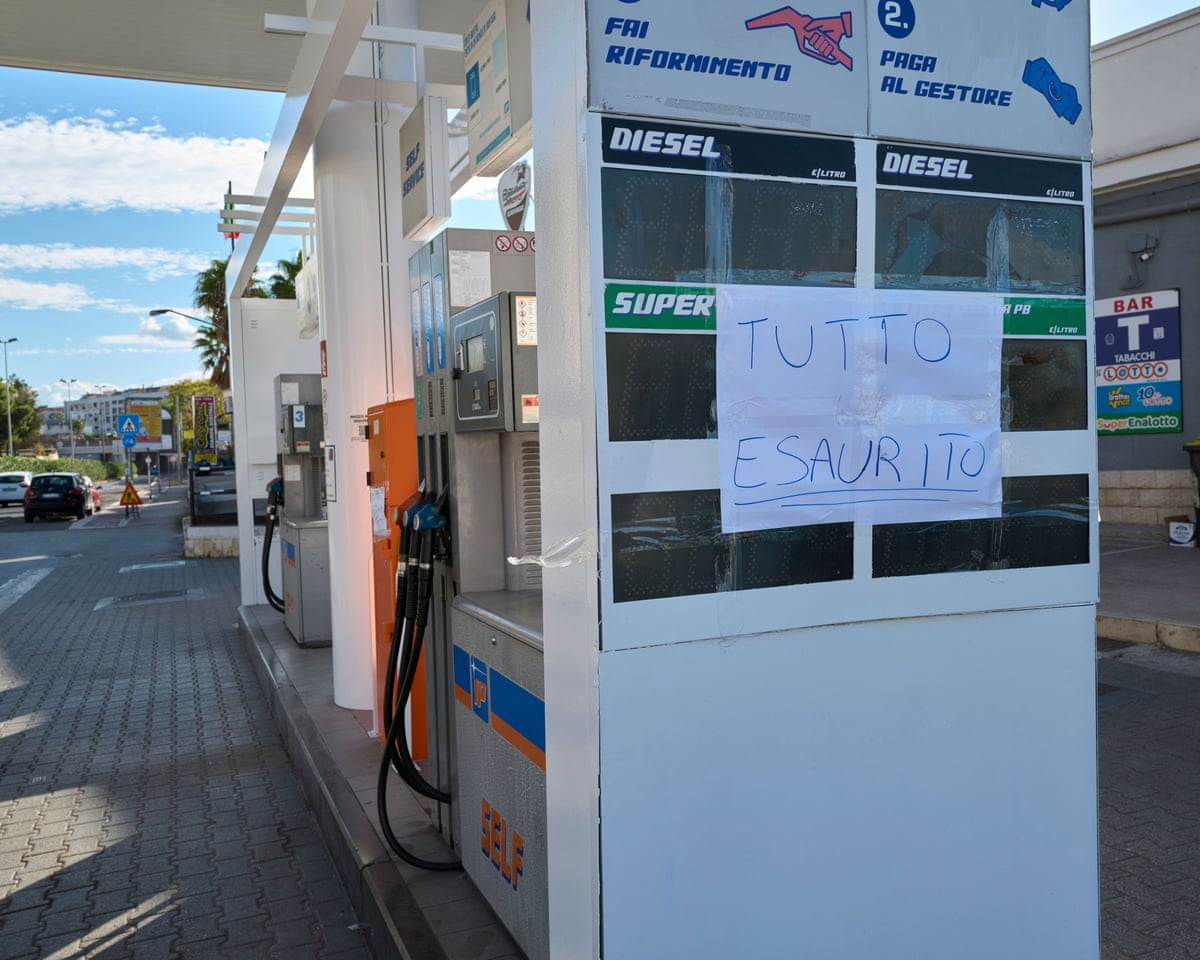
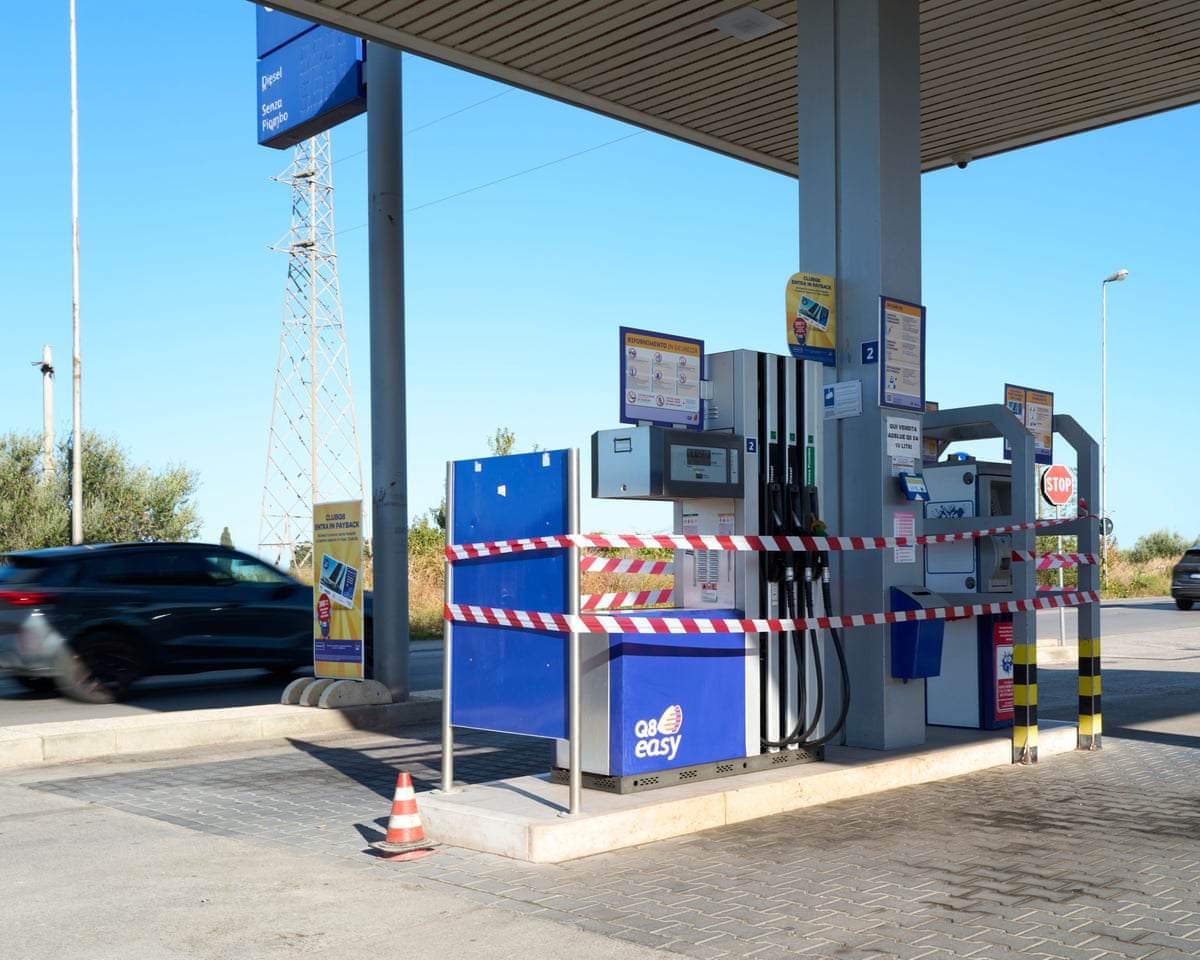
Beyond the street protests, lorry drivers have caused widespread disruption across southern Italy, blocking major roads and creating substantial traffic congestion in Sicily, Puglia and Calabria in protest at soaring fuel prices linked to the war in Iran. Hundreds of petrol stations have exhausted their fuel supplies, while supermarkets have begun reporting shortages of several products, particularly fresh food. Pharmacies have also faced disruptions, raising concerns about access to essential medicines.
Pasquale Russo, president of Conftrasporto, an association representing Italian haulage companies, warned of escalating tensions within the transport sector.
"We are asking the government to urgently convene a meeting with industry associations. Otherwise, we will consider a nationwide strike,"he stated.
"The situation is very concerning because the excessive price increases affecting the haulage industry have created a highly tense situation among transport companies, leading to spontaneous protests in some areas of the country."
In several parts of southern Italy, petrol stations have run dry of both petrol and diesel, forcing motorists to queue at the limited number of filling stations still operating. The road blockades have triggered extensive traffic disruption, with growing fears that prolonged protests could further damage supplies of food, fuel and other essential goods.
What is the situation in Ukraine?
Ukraine faced another intensive wave of Russian missile strikes overnight, with President Volodymyr Zelenskyy confirming that his country had received no advance warning from the United States.
"Another Russian ballistic missile attack came in several waves overnight, and once again, there was no early warning from our partners,"Zelenskyy stated.
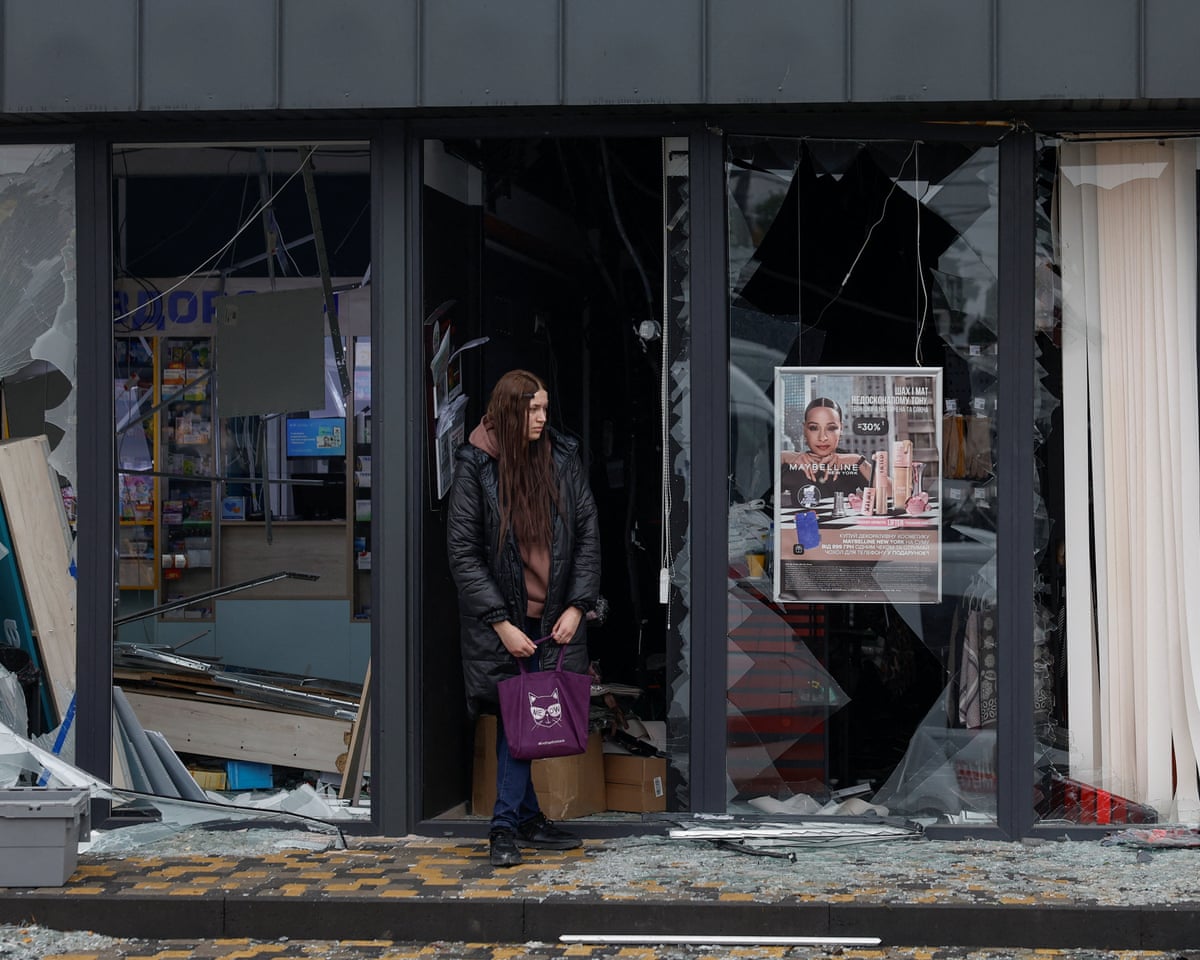
"They again targeted energy facilities and infrastructure, but a medical clinic, a school, a metro station, and ordinary residential buildings were also damaged."
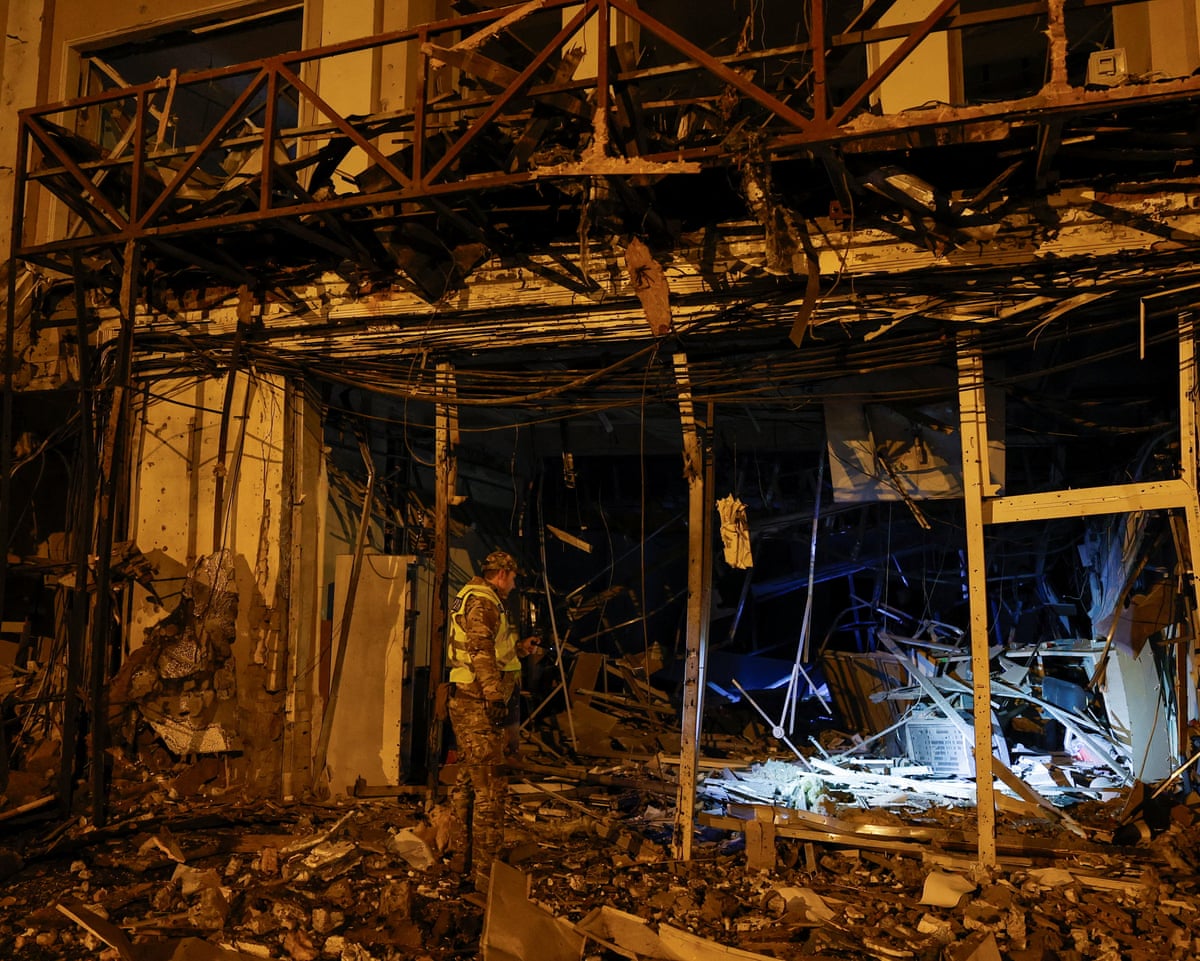
In Kyiv, the overnight bombardment damaged a 25-storey residential building and a medical facility, with Mayor Vitali Klitschko reporting one woman killed and three others injured. The attack underscored Russia's continued targeting of civilian infrastructure despite international diplomatic efforts.
Zelenskyy expressed mounting frustration with what he characterised as American denial about Russia's true intentions.
"Ukraine never wanted this war, and we have welcomed literally EVERY attempt by our partners to bring this war to a dignified end. We have responded positively to EVERY ceasefire proposal. Russia's response, time and again, has been ballistic missiles, 'shaheds,' and killings."
"Putin not only doesn't want to end this war – he doesn't even want to take any steps toward de-escalation. EVERY ONE of our partners has experienced this firsthand when they heard Russia's refusals. And it is crucial to call things what they are. To call the aggressor an aggressor and help Ukraine defend lives. When deliveries of missiles for Ukraine's air defence are blocked while Russia is granted relief or delays in sanctions, this is, unfortunately, a denial of reality on the part of our partners. The reality is that the war continues, and it continues solely because of Russian strikes and Russia's desire to drag this war out."
According to The Independent, Ukraine has resumed receiving US intelligence sharing to help defend against Russian missile strikes following a brief pause. In a significant escalation, Ukraine launched more than 1,000 drones across Russia, setting fires at St Petersburg's oil terminal and Ruchi oil depot; Russia reported one death and five injuries from the Ukrainian strikes.
Zelenskyy also spoke with US envoys Steve Witkoff and Jared Kushner, according to Agence France-Presse, as US President Donald Trump continued to accuse the Ukrainian leader of being unwilling to end the conflict.
What developments are expected in Sweden?
Sweden's governing bloc suffered a narrow election defeat, prompting Prime Minister Ulf Kristersson to resign on Thursday. Parliament's Speaker Andreas Norlén asked Social Democrat leader Magdalena Andersson to explore forming a government, with an update expected after Norlén met with party leaders on Monday afternoon.