Demonstrations demanding action on housing affordability and living costs have intensified across Europe, with violent clashes erupting in Milan on Saturday and a large tent encampment established in Lisbon's central Rossio Square over the weekend. According to The Guardian, the unrest reflects mounting frustration across the continent over soaring rents, inadequate wages and deteriorating public services.
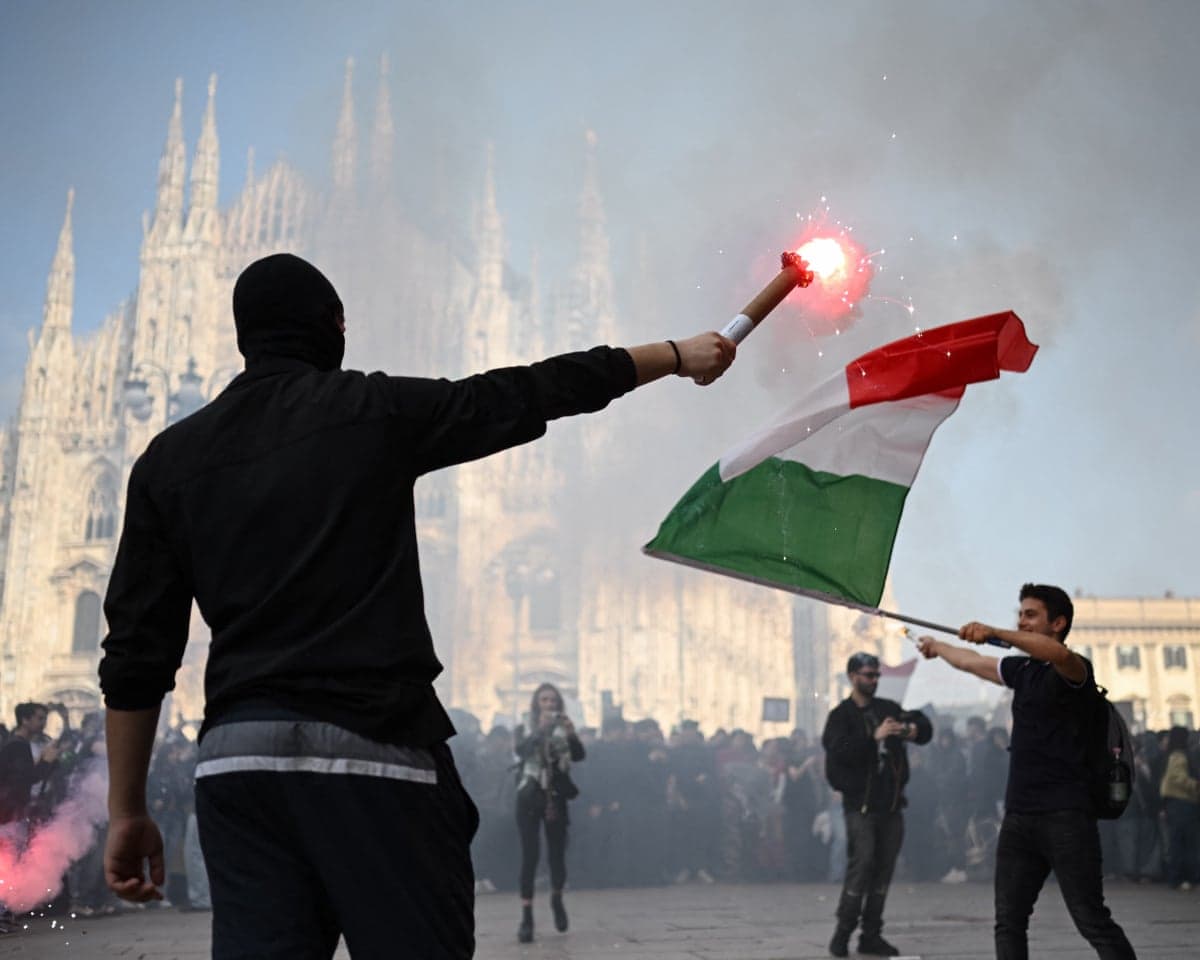
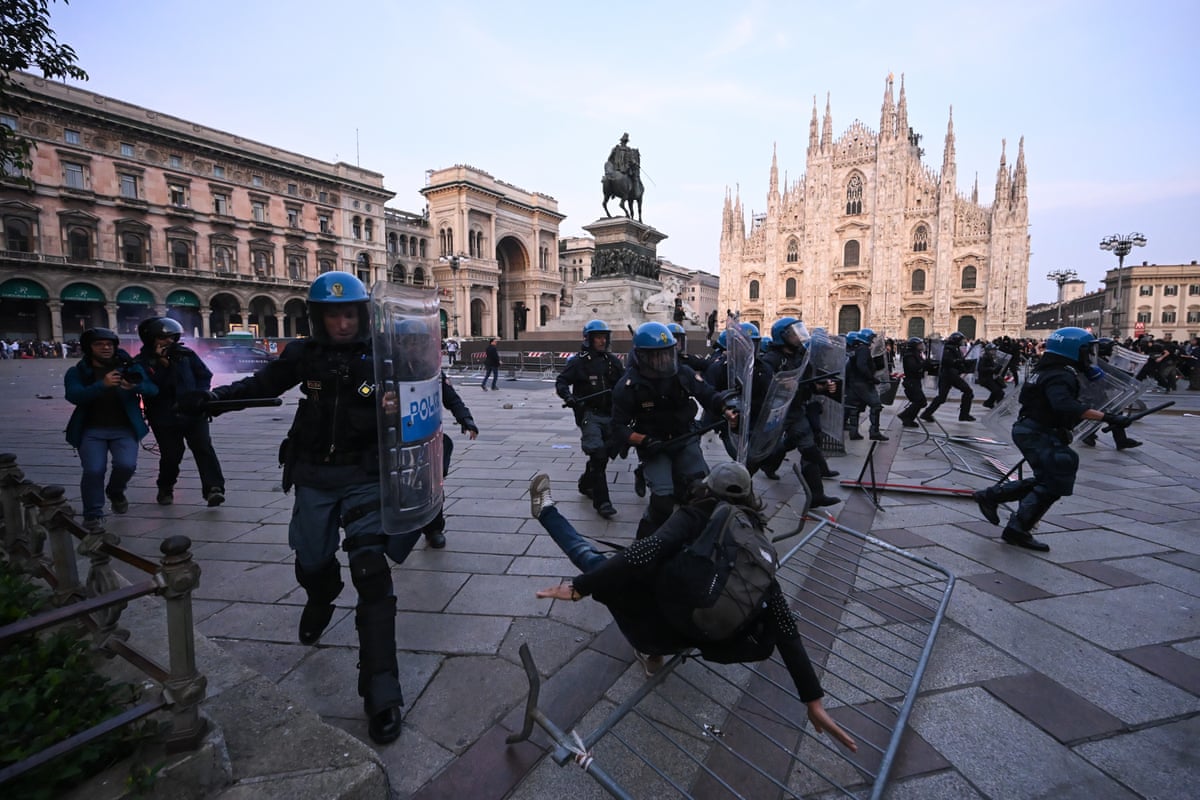
The wave of discontent has moved beyond Spain and France, where protests have dominated headlines in recent weeks, reaching Italy and Portugal with renewed intensity. In Milan, what began as a peaceful march against rising living costs descended into chaos when masked rioters clashed with police, hurled stones and paving blocks, and set fire to makeshift barricades constructed from bar tables. Authorities deployed water cannon and teargas to disperse crowds, leaving a carabinieri vehicle severely damaged. At least two police officers sustained injuries, and approximately 50 demonstrators—many of them minors—were detained, according to reports.
Italian Prime Minister Giorgia Meloni acknowledged the legitimacy of protest but drew a sharp distinction between peaceful demonstration and destructive action.
"Setting our cities ablaze is not" a right, she stated, characterizing those responsible as "hooligans" who had weaponized the demonstrations "to sow chaos, attack those responsible for ensuring security and to hold entire cities hostage."Milan's centre-left mayor, Giuseppe Sala, expressed similar concerns, saying that while the underlying grievances were understandable, violence against law enforcement and damage to the city could not be justified.
The unrest in Milan extended beyond the initial march, with Reuters reporting that police in Bologna used water cannon and made seven arrests after a separate protest turned violent. The clashes in Milan's city centre emptied Piazza del Duomo and a luxury shopping arcade, forcing closure of the Duomo metro station during the unrest.
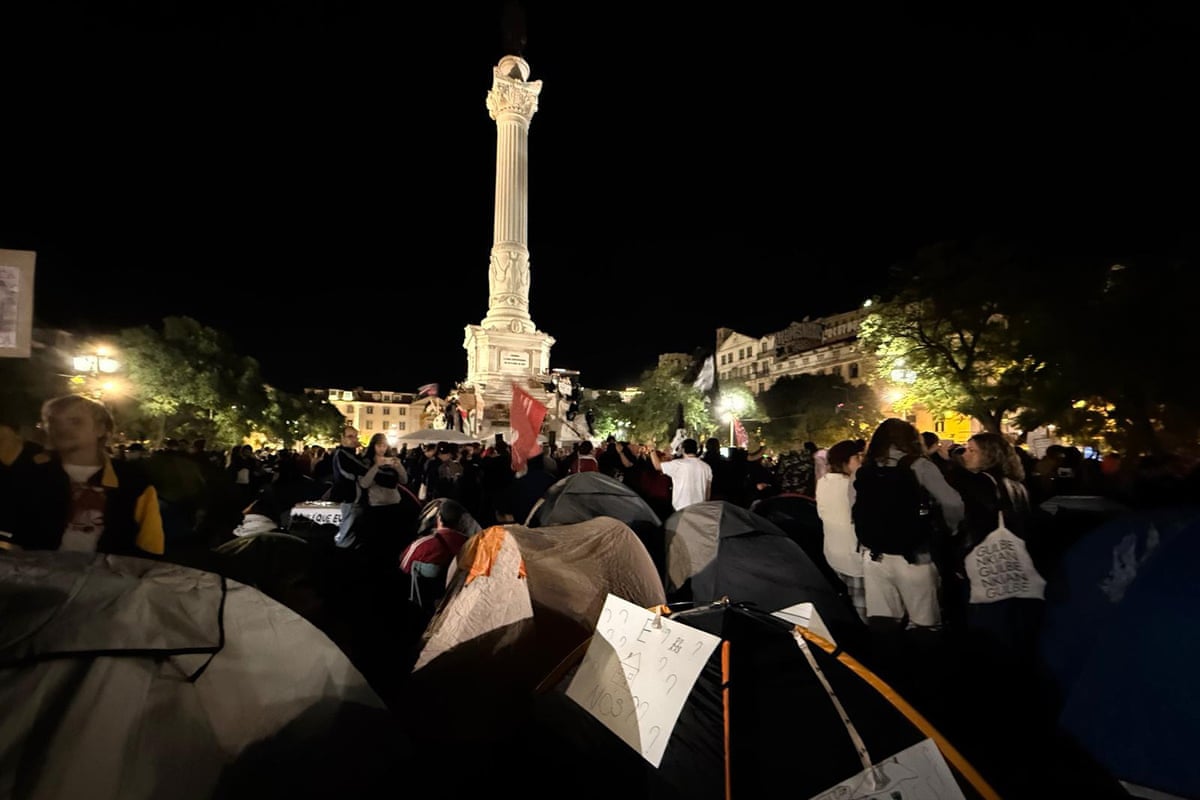
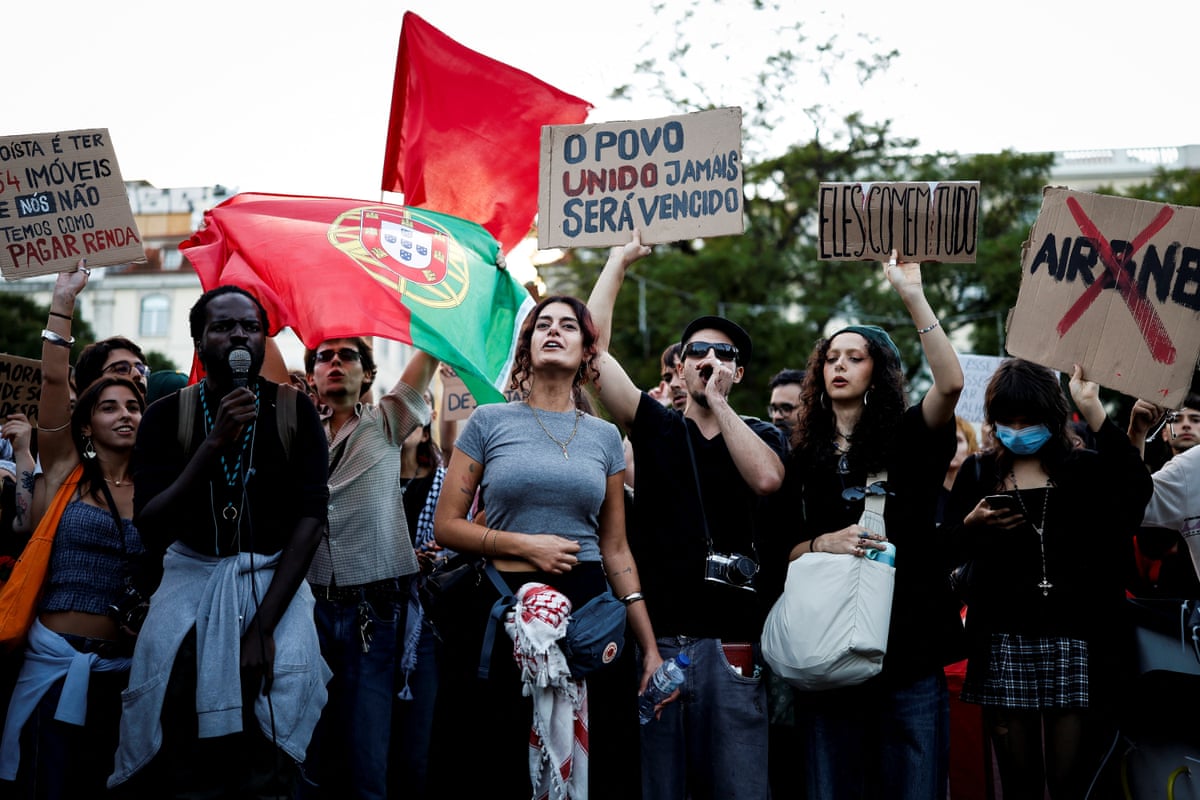
In Portugal, the housing crisis has galvanized a broader movement centred on Lisbon. Hundreds of protesters established a tent camp in Rossio Square—the bustling heart of the Portuguese capital—following a nationwide march that drew tens of thousands of participants. The encampment recalled similar protest camps that have emerged across Europe, with attendees vowing to remain overnight and singing songs around the statue of King Pedro IV that stands in the square.
Elena Costa, a 46-year-old social assistant, articulated the desperation driving the movement.
"The Portuguese social class that pays taxes, that which keeps this country going, is under attack and is losing its rights, notably its right to housing. So we are all here together to try to explain that we are suffocating."Antonio Margado, a 52-year-old engineer, blamed government policy for exacerbating the crisis.
"A total liberalisation of rents; owners are protected more and more, while tenants who need a house are those who are protected less and less,"he said.
The scale of Portugal's housing affordability problem is stark. Housing prices rose by 124 percent between 2015 and 2024—roughly twice the European Union average—creating particular hardship for younger people and residents of Lisbon, where approximately a quarter of Portugal's 11 million inhabitants live in the greater metropolitan area. According to Strait Times, Portugal's inflation reached 3.6 percent in September, with fuel prices up 15 percent year on year, compounding pressure on household budgets.
The Lisbon encampment followed a march organized by the CGTP union, Portugal's largest labour confederation, which called for higher wages, better pensions, price controls and measures to address soaring housing costs. The movement had already taken root in Porto, the northern city where dozens of tents had been erected before police cleared the camp in a pre-dawn operation on October 15. The clearing of the Porto encampment prompted solidarity demonstrations at the Lisbon camp two days later, according to reporting on the unfolding situation.
Portugal's Prime Minister Luís Montenegro acknowledged public frustration, saying his government understood that citizens wished to "express their outrage at what, in their view, may be omissions in public policies." However, he cautioned political opponents against "importing into Portugal climates of instability and protest that, in fact, have no support in Portuguese society," an apparent reference to the violent demonstrations that have erupted elsewhere on the continent.
How does this connect to earlier European unrest?
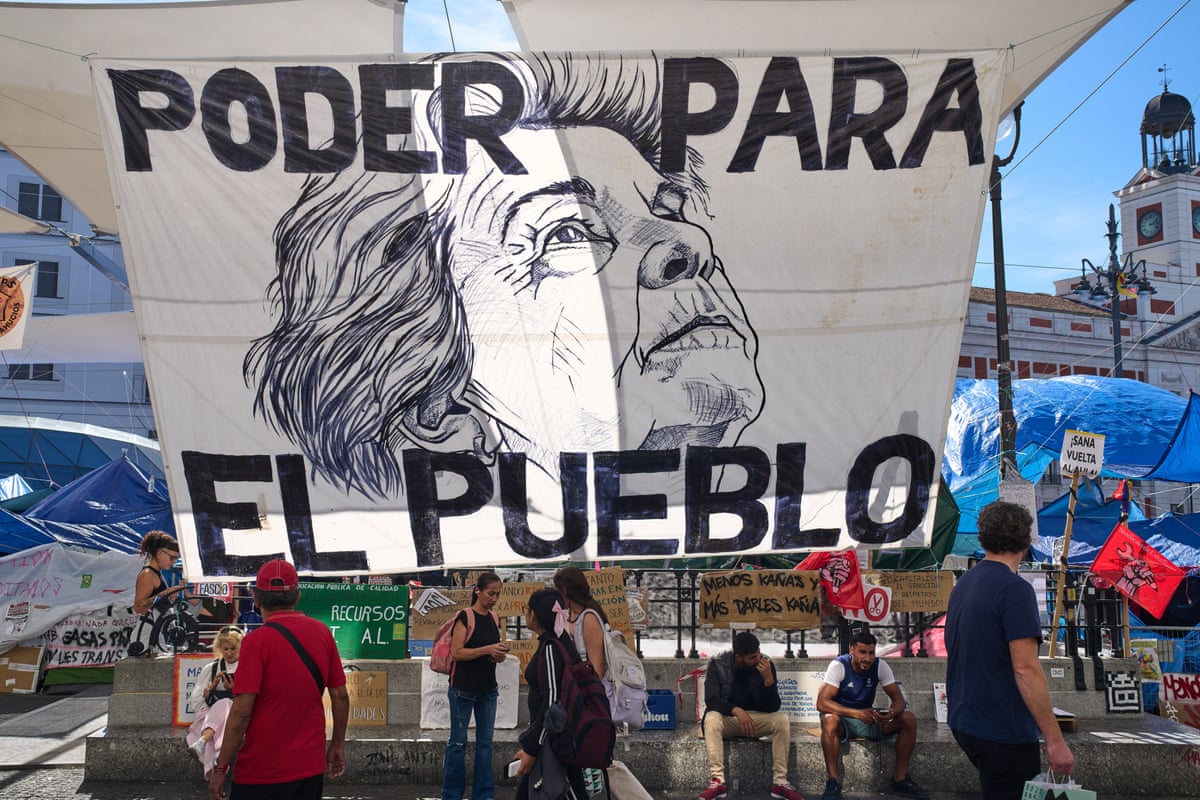
The current wave of protests reflects a broader pattern of escalating discontent across Europe. In Spain, nationwide protests intensified after parliament rejected emergency housing measures, with the crisis triggered by the eviction and death of pensioner Maricarmen Abascal, who could not afford a 230 percent rent increase imposed by an investment firm that had acquired her flat. The Spanish government subsequently proposed emergency measures to protect housing access, and Prime Minister Pedro Sánchez announced elections for late November after rightwing and far-right parties blocked the measures in congress.
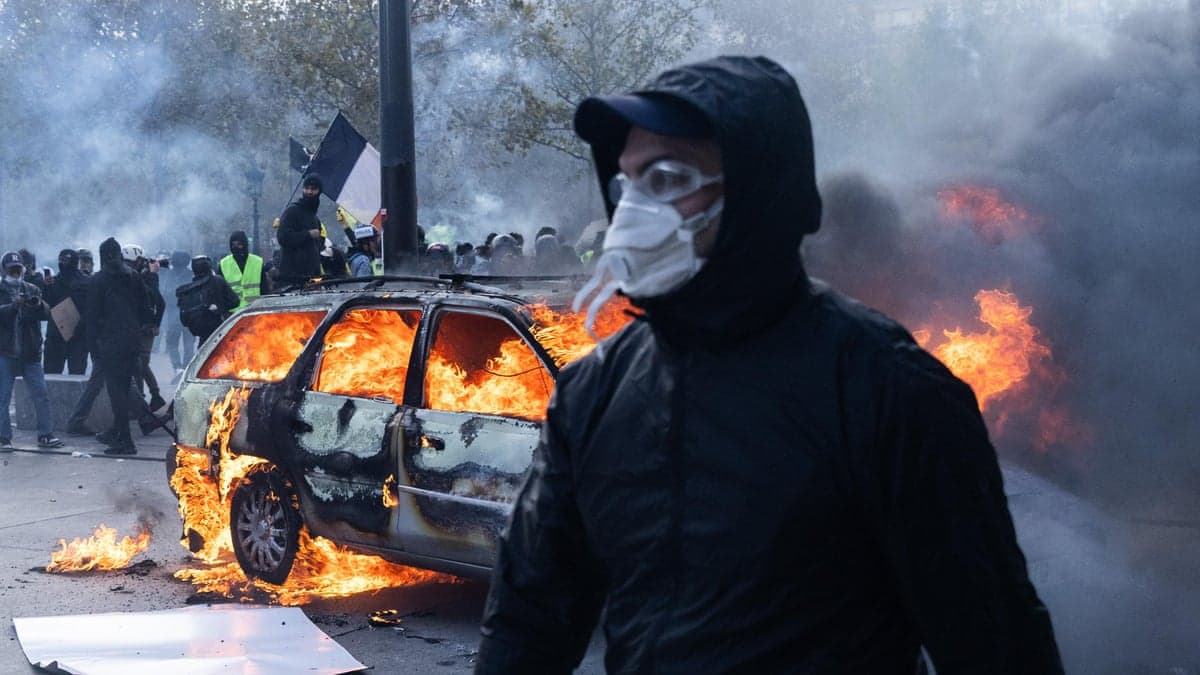
In France, discontent over teacher absences and deteriorating school facilities has evolved into a nationwide movement against inequality, weak public spending and declining standards. More than 1,200 arrests followed violent clashes between police and protesters supporting high school students, with some demonstrations spiralling into uncontrolled rioting, arson and looting.
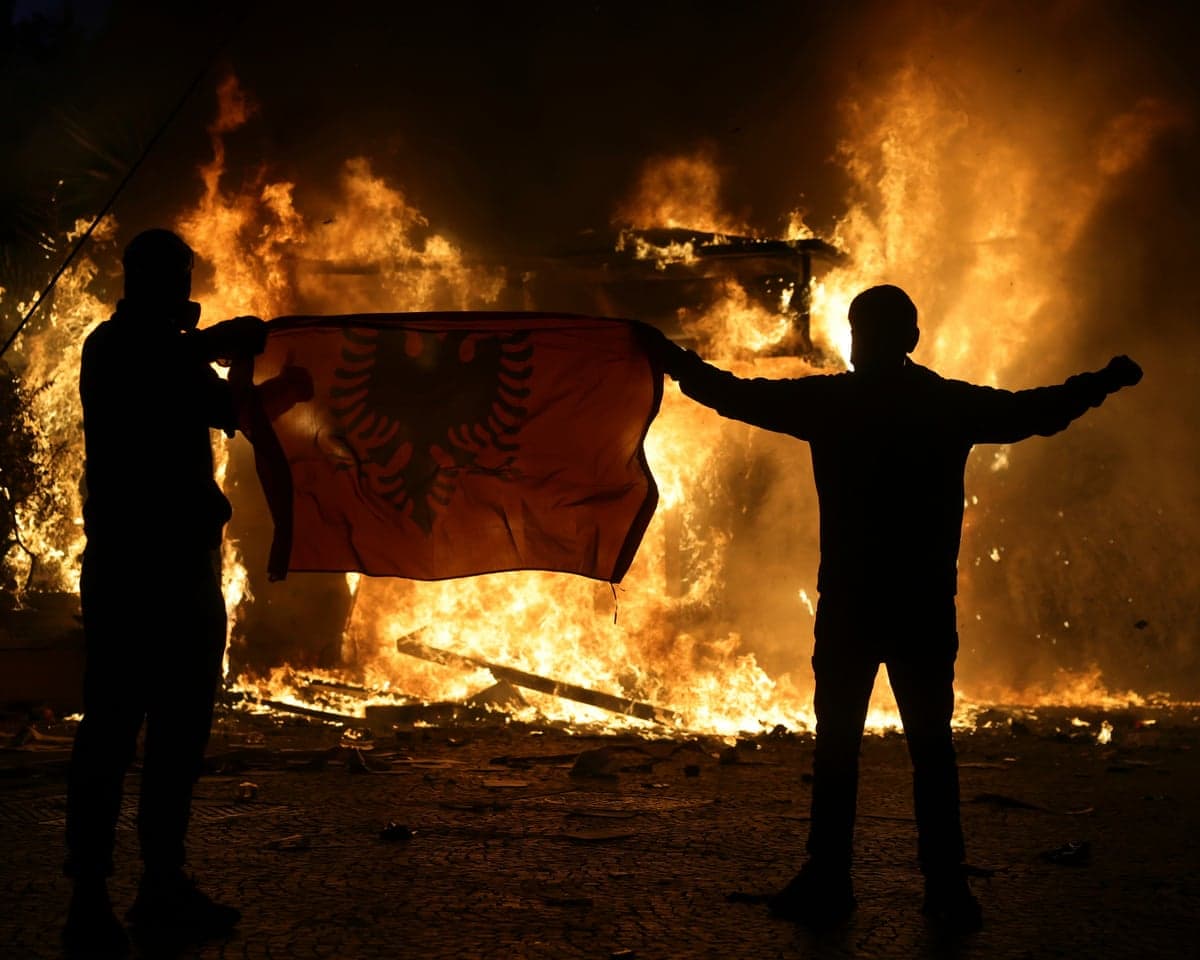
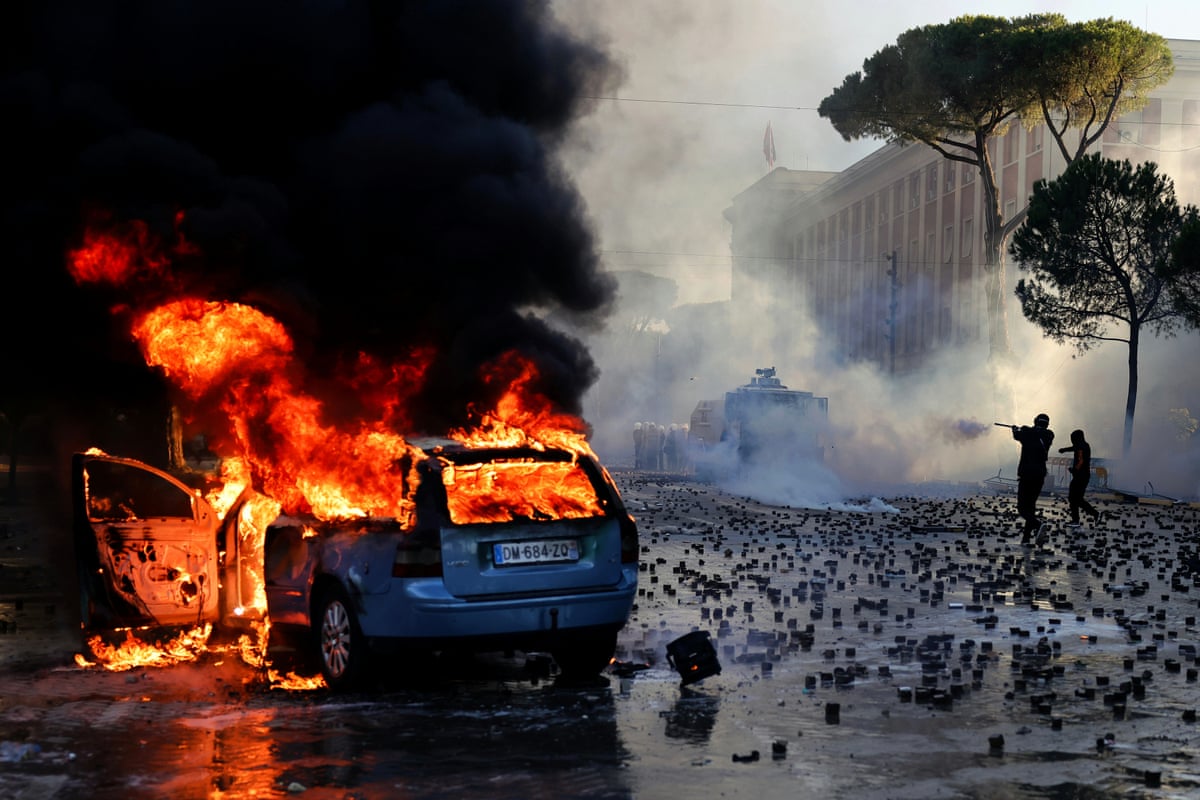
Albania has also experienced significant unrest, with demonstrators angry over university conditions and high tuition fees demanding the resignation of Prime Minister Edi Rama. On Saturday, protesters threw rocks, molotov cocktails, metal objects and pyrotechnic devices at police, torched cars and litter bins used as blazing barricades, and set fire to buildings including a court, banks and a post office. Police employed rubber bullets against demonstrators for the first time since the protests began. The unrest follows months of anti-government demonstrations initially sparked by corruption allegations linked to the family of US President Donald Trump.
What happens next?
In Lisbon, a public assembly at Rossio Square was scheduled for 7 p.m. on October 17, with protesters indicating their intention to maintain the encampment as a focal point for ongoing demands. The movement's trajectory will likely depend on government responsiveness to housing and wage demands, as well as the capacity of authorities to manage further demonstrations without escalating tensions.