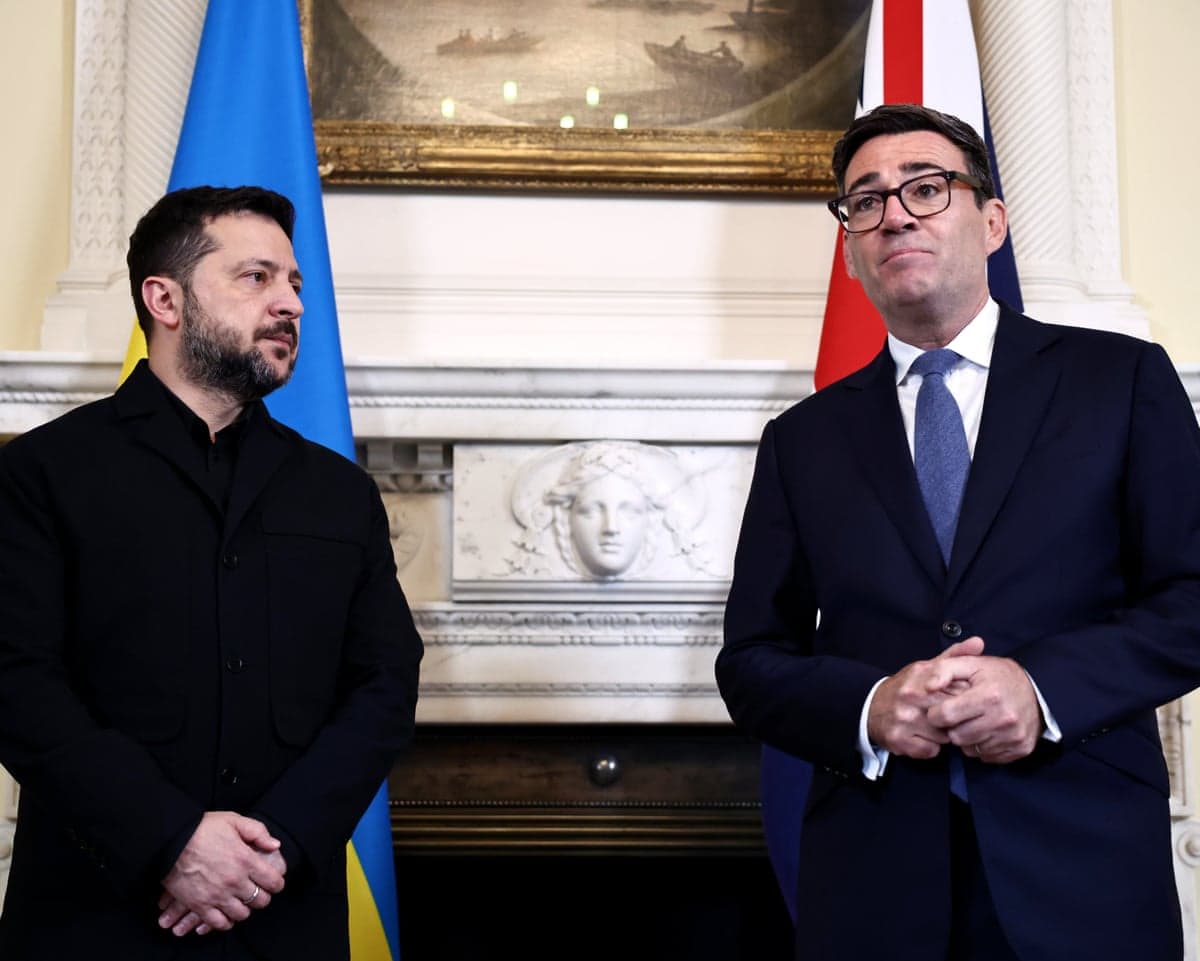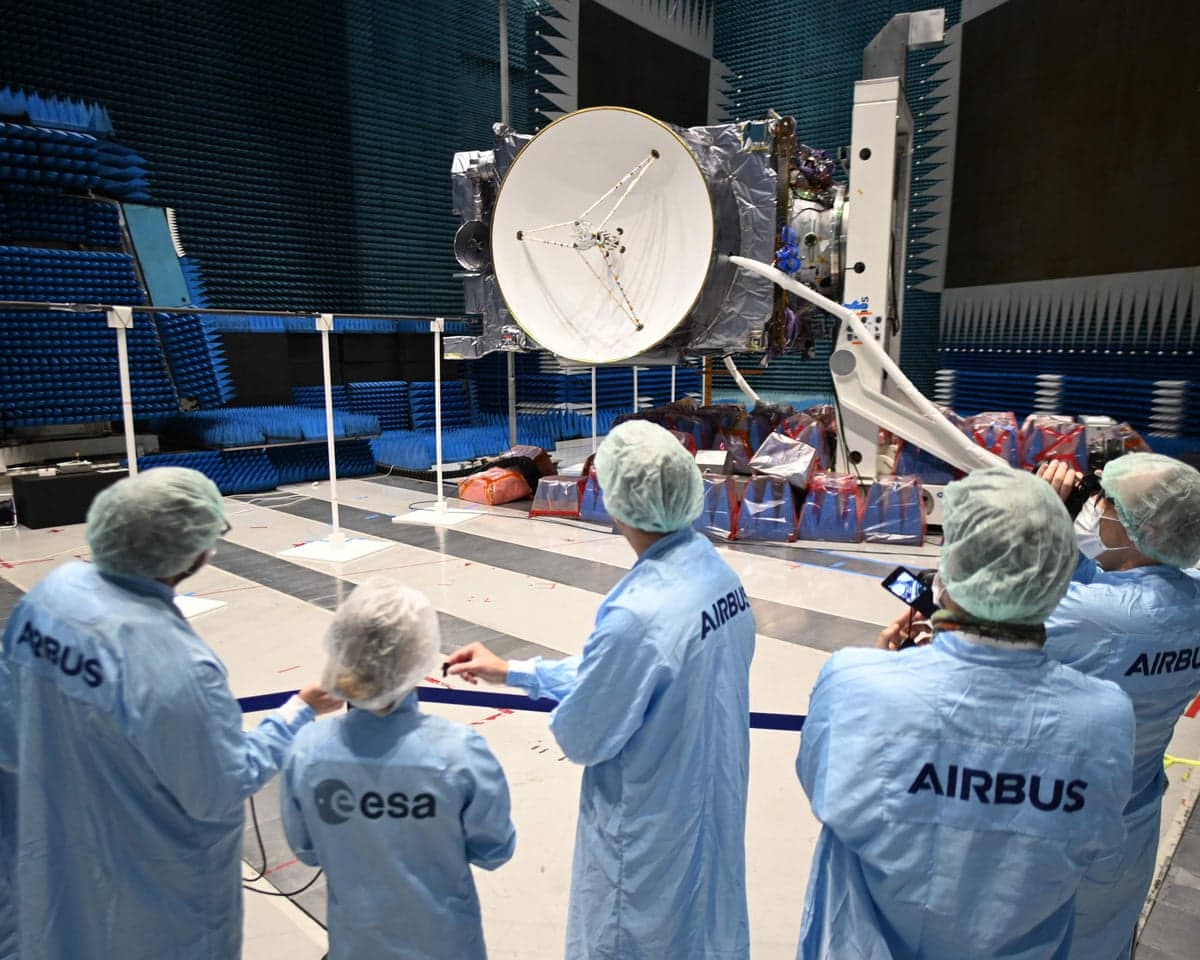
Guillaume Faury, chief executive of Airbus, has written to Prime Minister Andy Burnham cautioning that selecting US defence contractor Lockheed Martin to manufacture military satellites could undermine the UK's standing in the European space sector for decades, escalating a final push for the £2.4bn Skynet 6 contract. According to The Guardian, the decision on which company will build Britain's sovereign satellites has become a focal point of intense lobbying from competing manufacturers and regional politicians.
The Skynet 6 system will carry the British armed forces' most sensitive communications through to 2042. The contract decision comes at a moment of heightened scrutiny over US government influence on critical infrastructure, following concerns that Ukraine's access to Elon Musk's Starlink network was restricted apparently at the behest of the US government.
Multiple sources indicated that no final determination has yet been made, though some believe the Ministry of Defence favours Lockheed Martin's proposal. The ultimate decision rests with Burnham and Chancellor John Healey. According to Yahoo Finance UK, the Ministry of Defence was pushing for Lockheed Martin, while Downing Street had intervened to scrutinise the recommendation.
What are the stakes for Airbus and the UK space sector?
Faury's letter is understood to have warned of far-reaching consequences for Britain's participation in the European space industry should Airbus lose the contract. Industry figures have previously stated that Airbus's UK satellite operations would not remain economically viable without winning the Skynet 6 contract, potentially forcing the company to close its facilities at Stevenage and Portsmouth, which together employ 600 people.
Airbus, Thales and Leonardo are collaborating on a merger of their space subsidiaries, known as Project Bromo, with the goal of creating a single European champion capable of competing with leading American firms. Faury is believed to have cautioned that if the UK operation became unviable, Britain could forfeit the opportunity to serve as the European hub for military satellite communications once the merger concluded.
What is Lockheed Martin's position?
Lockheed Martin, one of America's largest defence prime contractors, maintains that its UK subsidiary will retain full control over satellites manufactured in the country. People familiar with the company's position have firmly rejected suggestions that the US government would exercise authority over the satellites.
A Lockheed Martin spokesperson stated the company was
unable to comment on the ongoing procurement process, but added:
Lockheed Martin UK, a British company, will establish facilities to develop an ecosystem alongside our regional partners in the north-east of England to provide the UK with a sovereign space capability. It will create jobs, supply chain opportunities and the potential for exports. It will have a UK design authority and a UK chief engineer.
According to Yahoo Finance UK, the Ministry of Defence requires both UK-based bidders to assemble, integrate and test their satellites within the country, and the successful supplier must establish a UK-based design authority capable of making changes independently. Lockheed Martin's proposed North East factory is valued at £85m and is projected to create around 500 jobs.
Why are north-east politicians backing Lockheed Martin?
Politicians in north-east England have actively campaigned in favour of the Lockheed Martin bid, which would establish a new manufacturing facility in Durham. Luke Akehurst, Labour MP for North Durham, described the proposal as delivering a
state-of-the-art new manufacturing facilityin the region, adding:
This represents a massive investment in the reindustrialisation of the north-east of England, building on our region's proud heritage of advanced manufacturing.
Kim McGuinness, mayor for north-east England, stated:
Bringing satellite manufacturing to the north east is a huge opportunity to build on what we have already achieved, including the close ties we have forged between our world-class universities and industry. If secured this investment would be a gamechanger for the space and security sector bringing £100m of investment and creating 500 high-skilled jobs as well as a much greater impact through the supply chain.
What security challenges do the satellites face?
A government document relating to a connected system identified satellites as vulnerable to
the proliferation of counterspace capabilities to disrupt, deny, degrade or destroy space-based enablers. The document highlighted radio jamming, hacking and direct physical attacks on satellites as potential threats. This concern reflects broader anxieties about space security; the RAF has deployed ground-based jamming systems to defend British satellites from hostile threats, coinciding with the launch of a new dedicated space defence unit.
What are the concerns about American control?
Unite, one of the Labour party's largest union backers, has cautioned against
handing the British space industry over to the Americansat a time when questions are mounting over whether the UK can depend on the US government. The union's warning reflects broader unease about defence sovereignty and the reliability of American support for British military capabilities.
Faury's personal intervention underscores the contract's significance to Airbus, headquartered in Toulouse. A decision had been anticipated in the summer but was postponed partly due to Burnham's arrival in office. Burnham must evaluate both bids on their financial terms and the capabilities each company can deliver.
What is the history of Skynet?
The first Skynet satellite was launched in 1969, well before the name became associated with fictional artificial intelligence systems. The Skynet programme has provided Britain's military with secure communications for more than five decades, and the Skynet 6 system represents the next generation of this critical infrastructure.
What are the broader programme challenges?
The wider Skynet 6 programme faces significant obstacles. According to The Register, the government's projects authority gave the programme a red delivery rating, citing schedule, budget and staffing constraints. The first Skynet 6A launch, originally scheduled for 2025, has been postponed to 2027. The wider Skynet 6 programme's estimated 26-year lifecycle cost has risen from £7.1bn to approximately £8.35bn, according to figures the Ministry of Defence provided to Parliament in 2022.
When will a decision be made?
The competing bids' final offers are reported to expire in mid-November, with a decision anticipated in the coming weeks. The outcome will determine not only which company manufactures Britain's next-generation military satellites, but also the trajectory of the UK's role in European space defence for the next two decades.