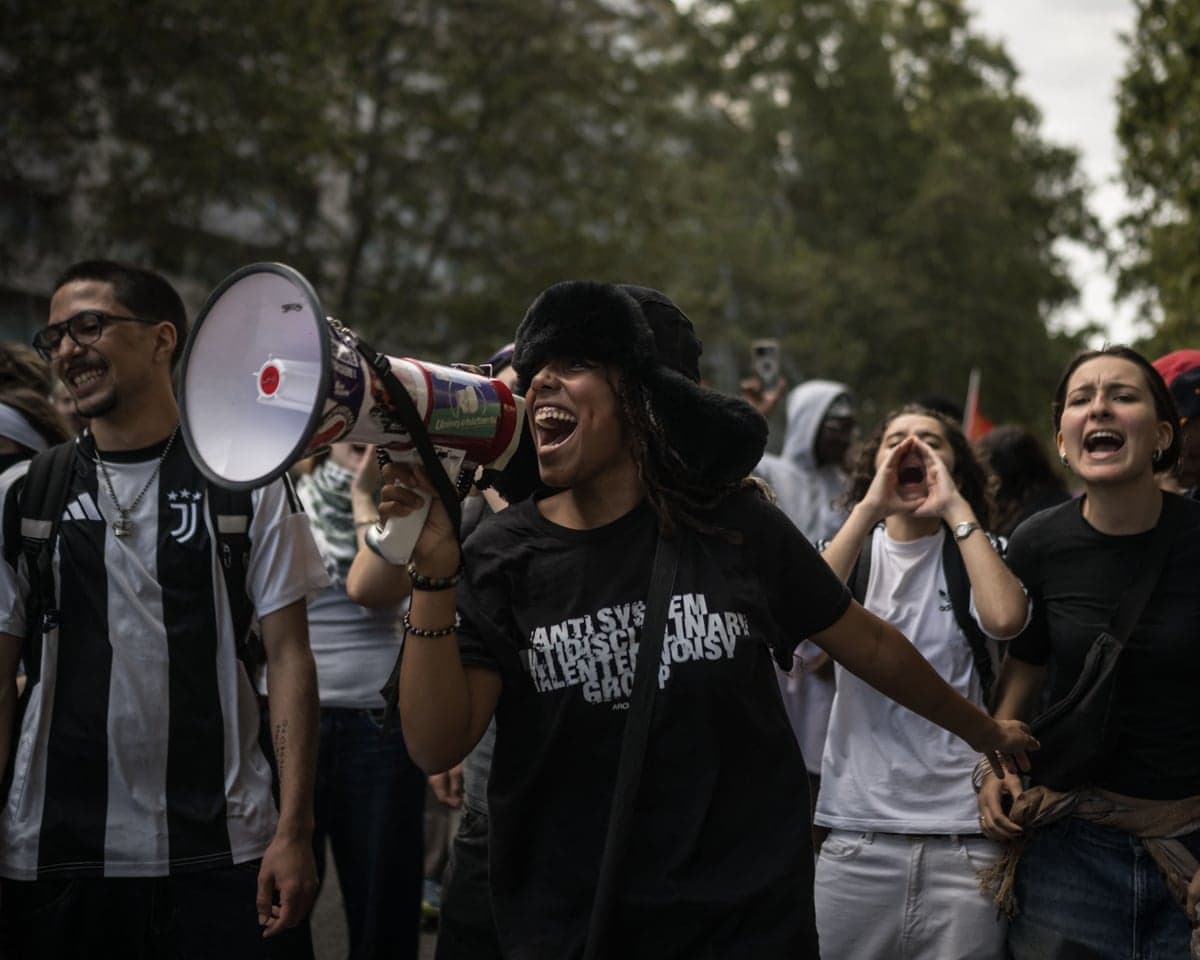
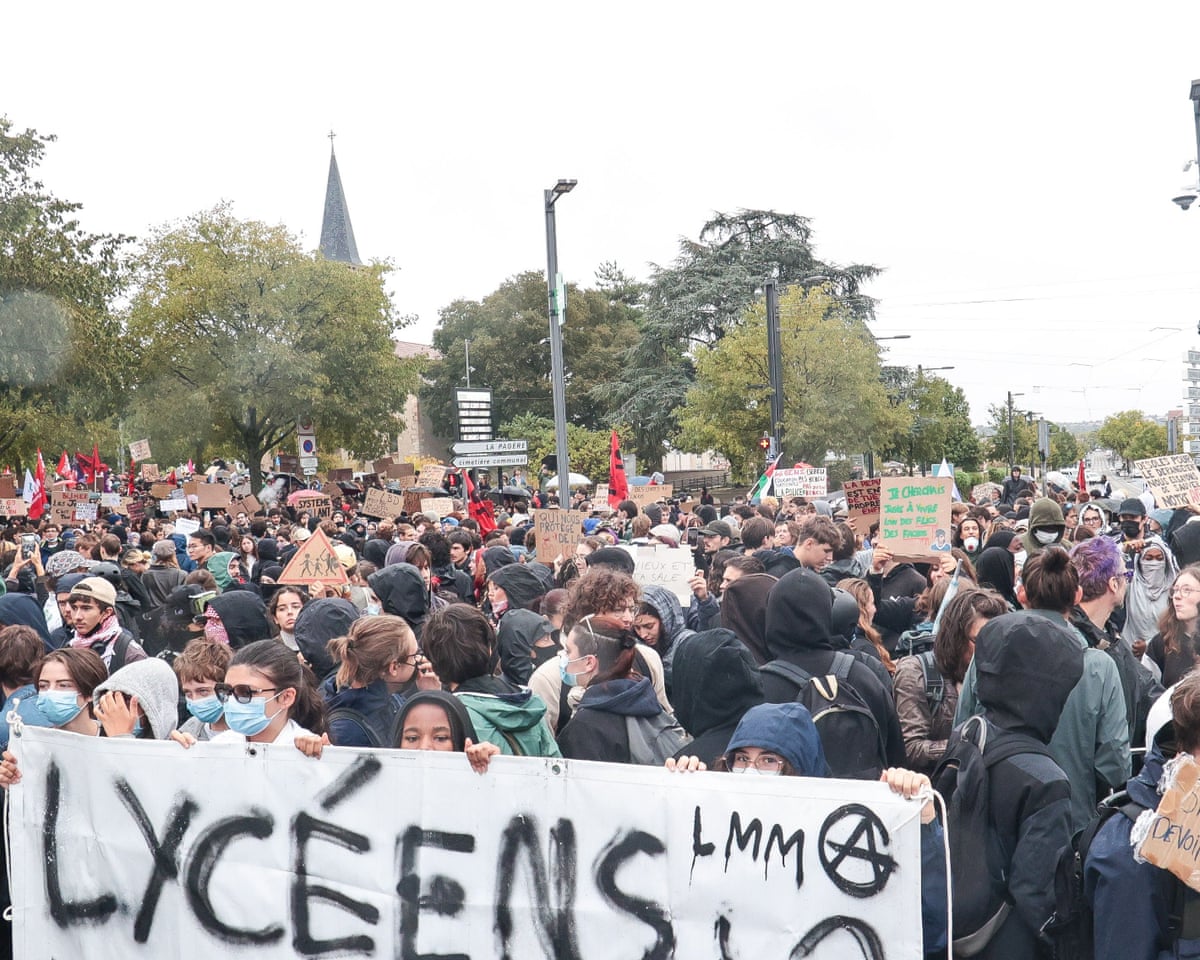
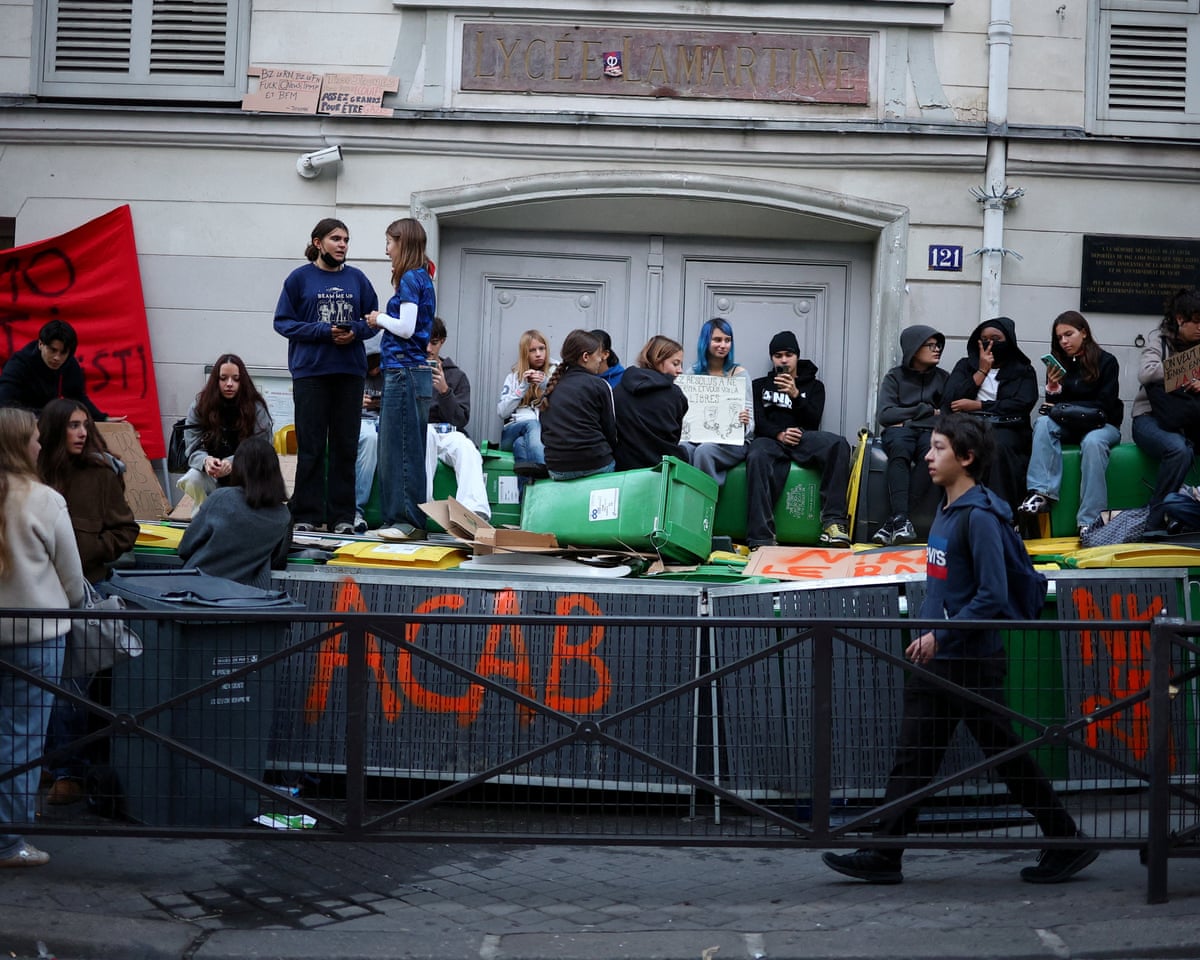
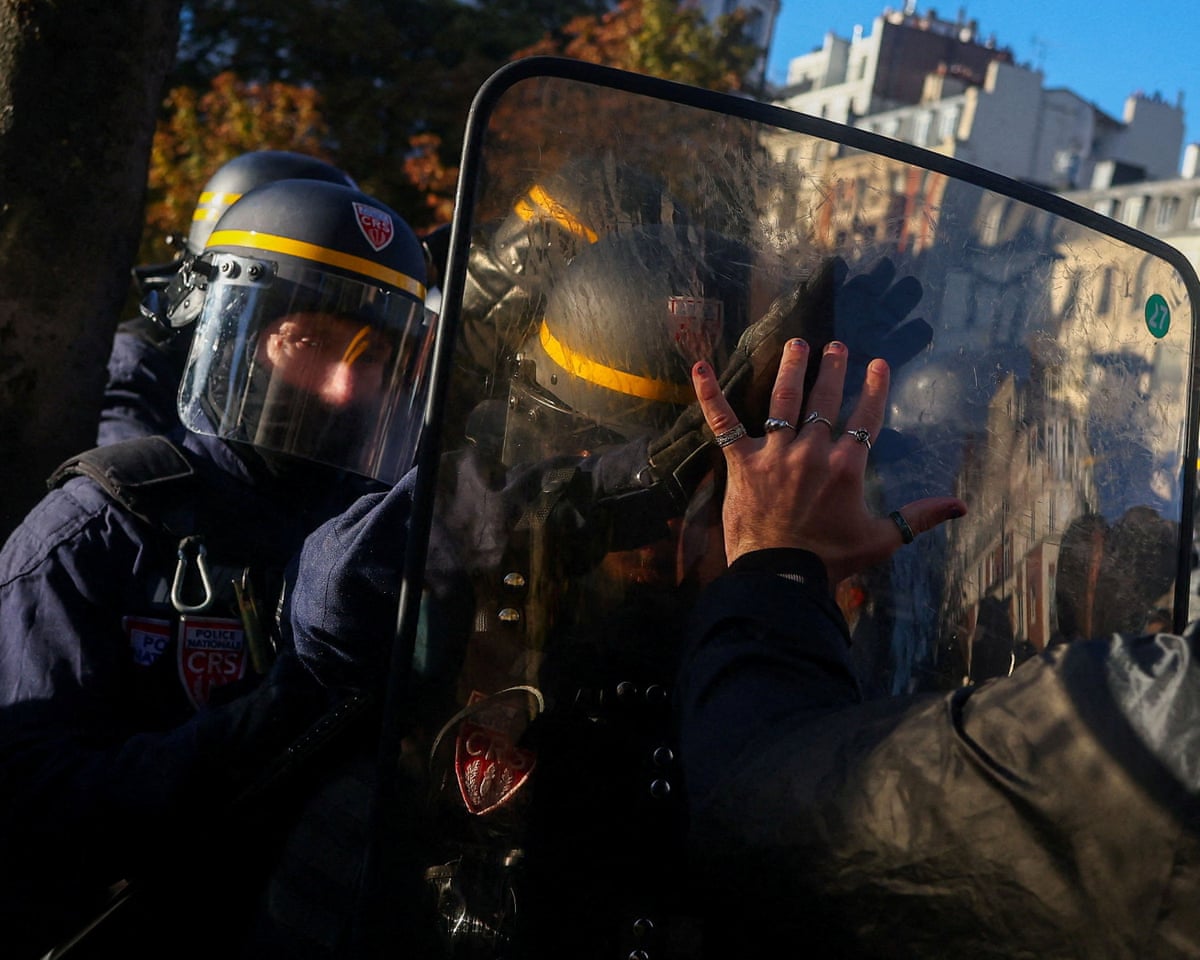
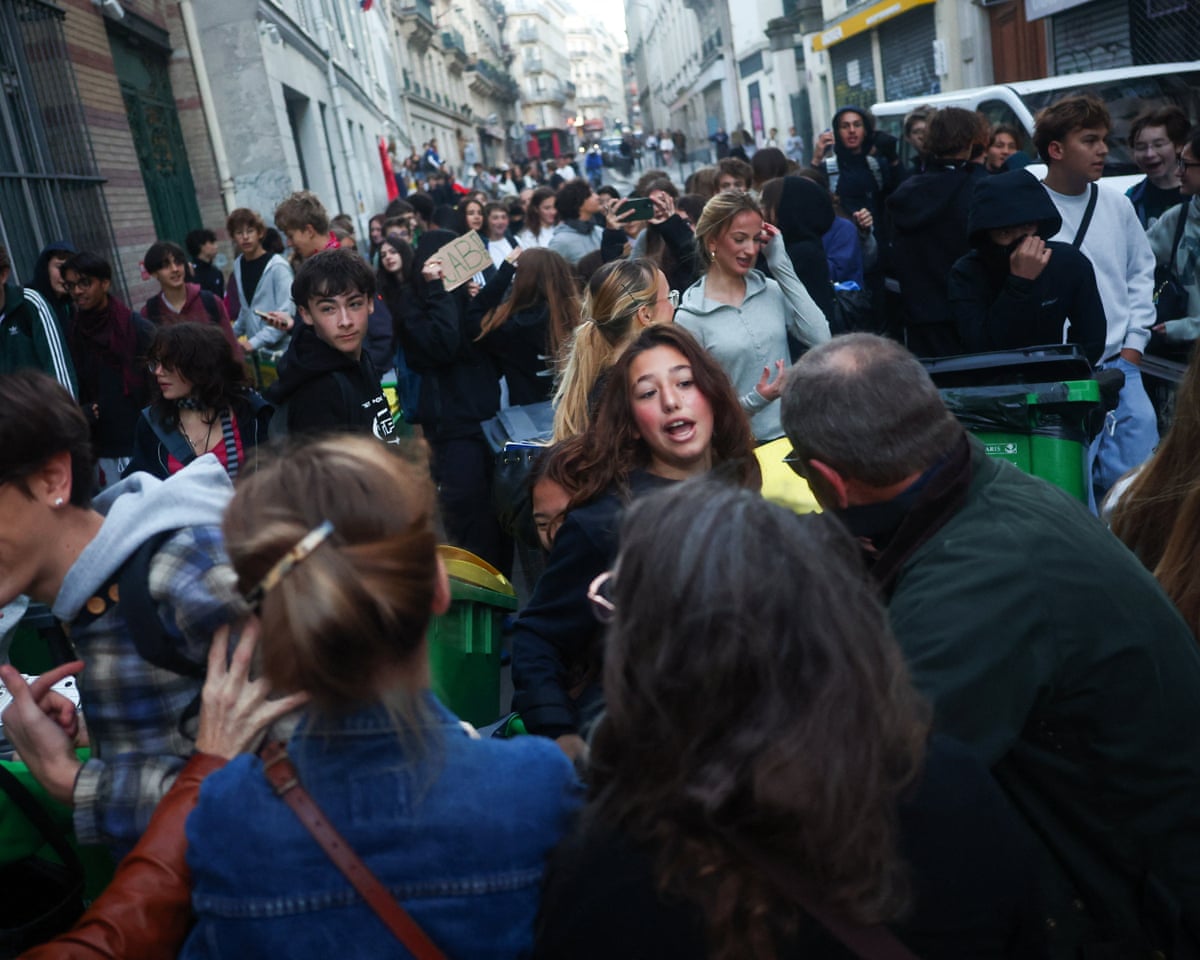
Demonstrations across France show no sign of abating, with nearly 400 educational establishments experiencing disruptions on Thursday, 8 October 2026. High school students have rejected a commitment by prime minister Sébastien Lecornu to unveil an education reform plan by the end of October, insisting instead on immediate engagement with their core demands. The rejection underscores the depth of frustration driving the movement, which has already resulted in significant disruption to the education system and widespread public attention.
What sparked the student movement?
The protests began in late September over longstanding grievances within France's education system. According to reporting on the crisis, students are demanding action on teacher shortages, overcrowded timetables, deteriorating school buildings and classrooms ill-equipped for high temperatures. These conditions have created an environment in which young people feel their education is being compromised by systemic neglect.
How has the government responded?
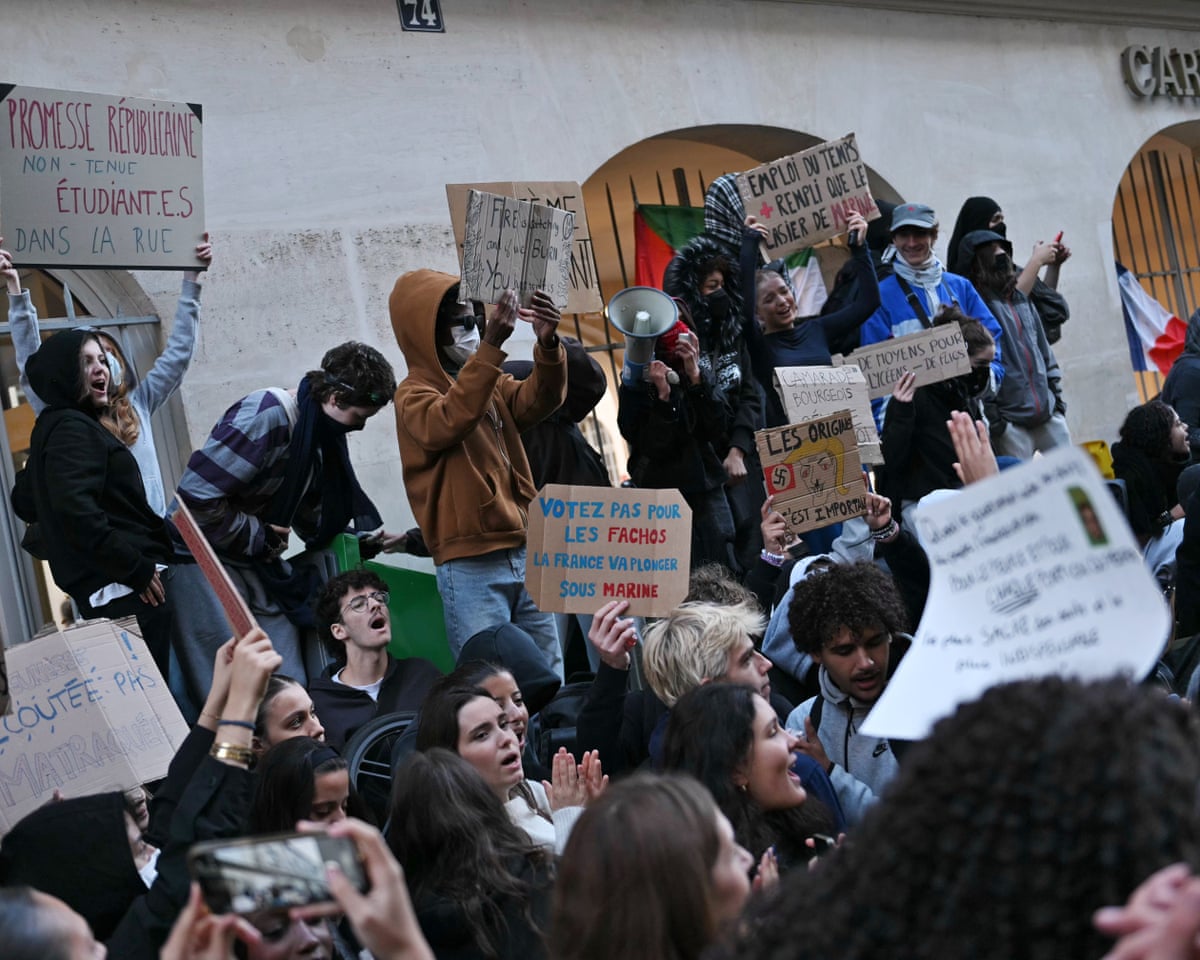
In a televised address on Wednesday night, Lecornu acknowledged that the country could not remain indifferent to student concerns and recognised that their anger "does not come from nowhere." However, he stopped short of making immediate, headline-grabbing announcements. Instead, he pledged to present a comprehensive plan to address the education system by the end of October. According to reports on the government's position, the prime minister framed this as a serious commitment to reform, though students view the timeline as insufficient.
Education minister Édouard Geffray has invited the three leading high school student associations for talks at the ministry on Thursday afternoon, signalling an attempt at dialogue even as the demonstrations continue.
What do students say about the government's offer?
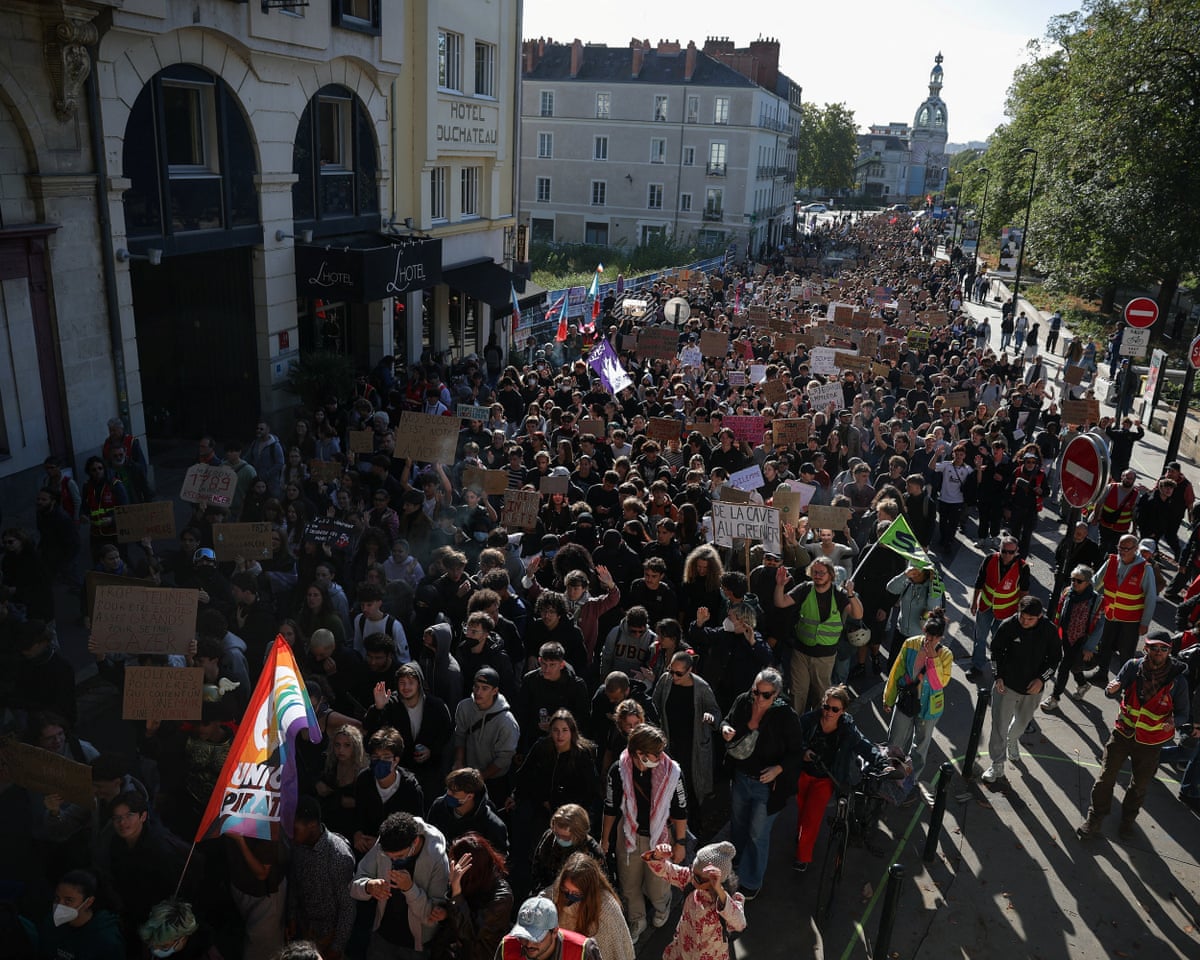
Demonstrators have made clear they will not accept promises of future action. A high school student named Marilou, speaking from Fontainebleau, told a news agency:
We want real action, and until we get it, we'll keep mobilising.This sentiment reflects the determination of young people to maintain pressure on the government rather than accept assurances of eventual reform.
How much public support do the protests have?
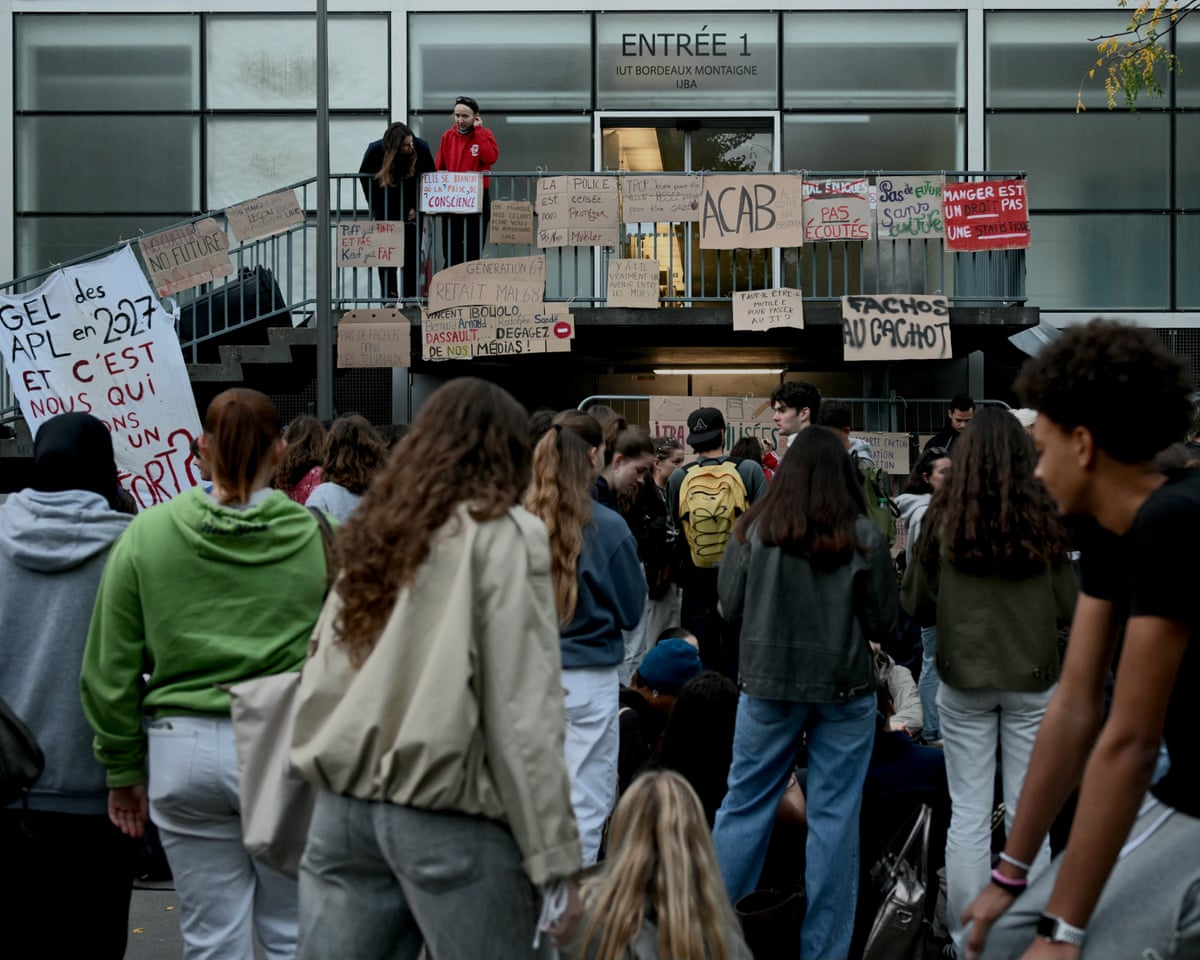
Recent polling indicates substantial backing for the student movement among the French population. An opinion survey showed that two-thirds of the public agrees with the students' core demands, while 55% support the demonstrations themselves. However, the public is divided on whether the protests should continue, suggesting that while sympathy for the underlying issues is broad, opinion on tactics remains mixed.
What has been the human cost of the unrest?
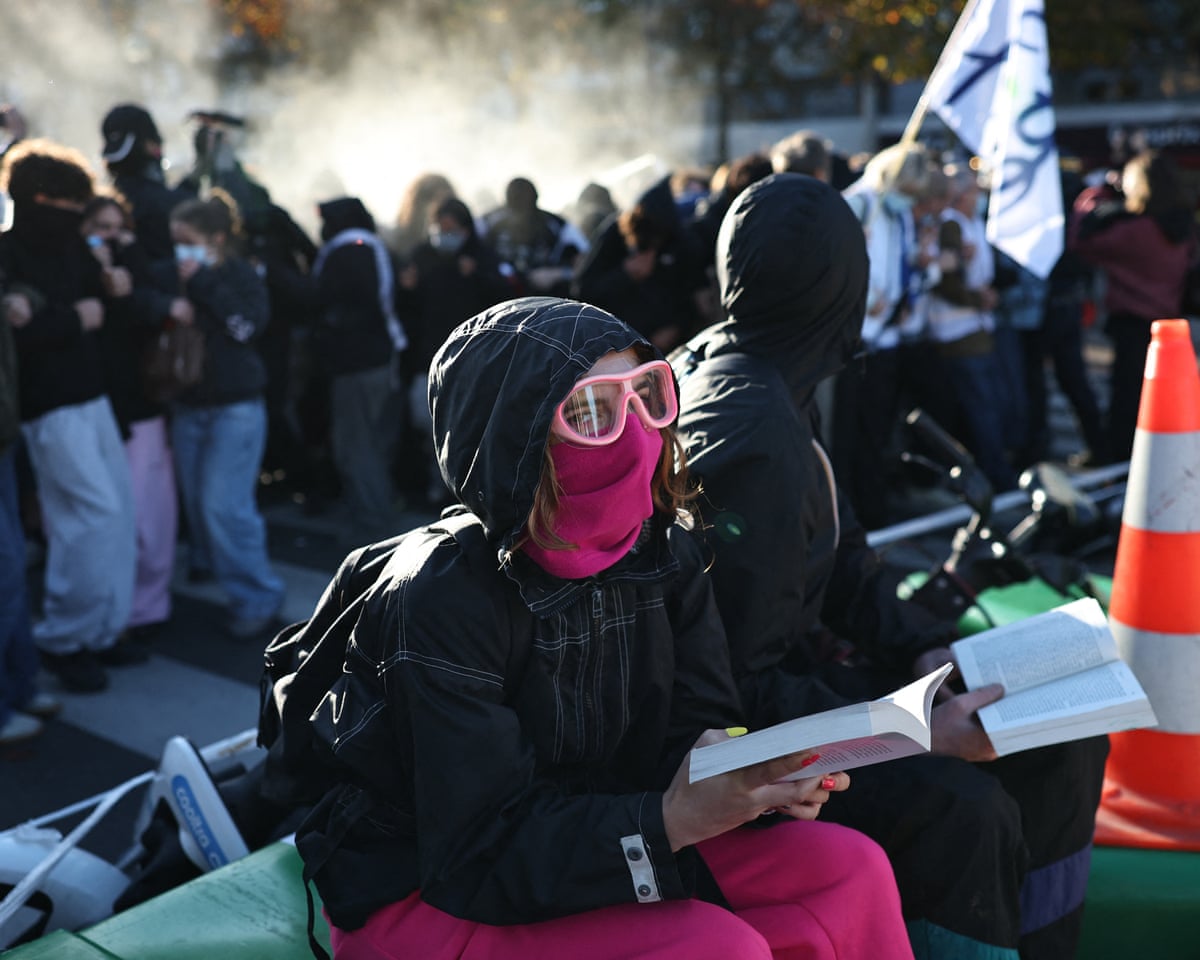
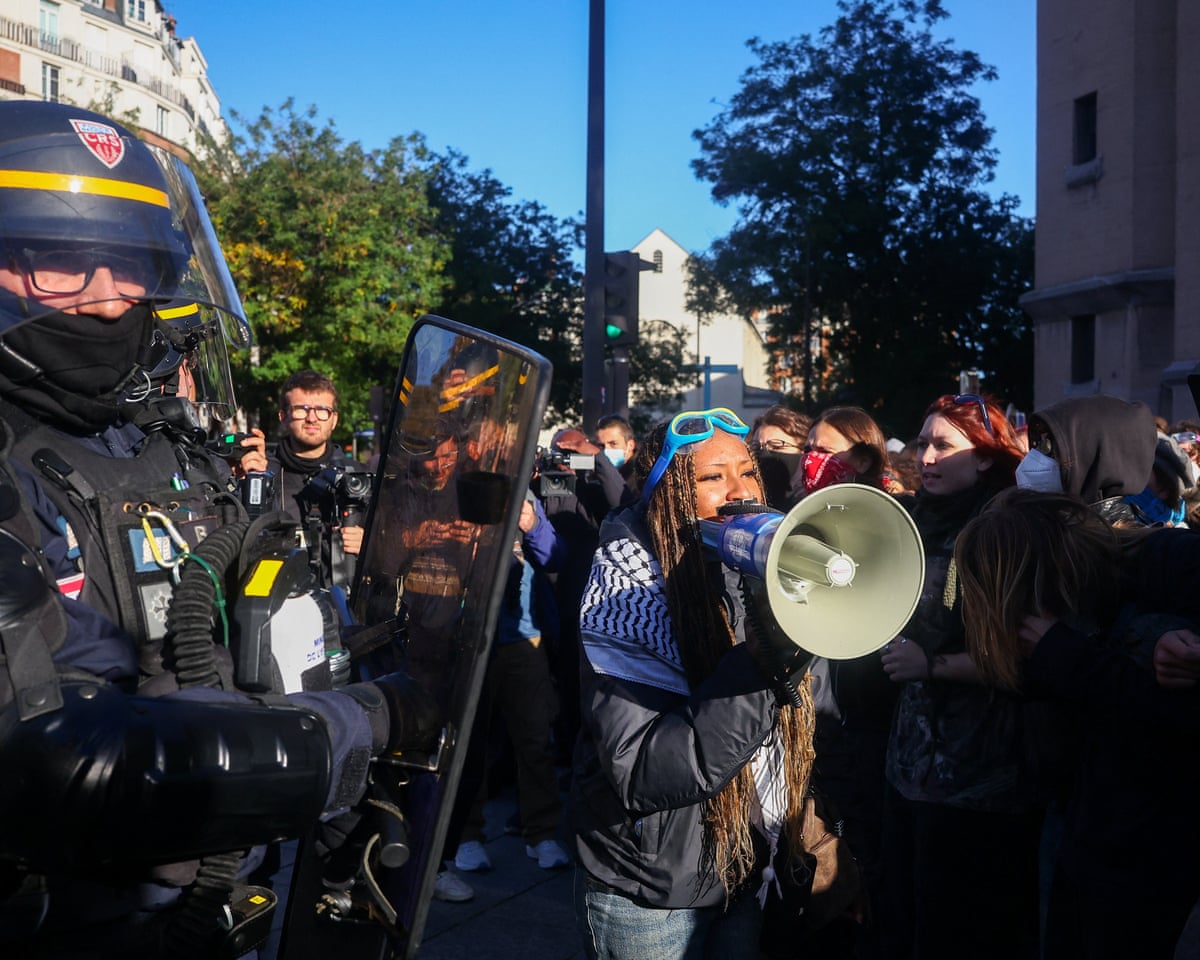
The scale of disruption and enforcement has been significant. According to available reporting, more than 6,500 people, the majority of them minors, have been arrested since the protests began. Additionally, hundreds of students, police officers and education staff have sustained injuries during clashes and confrontations.
What happens next in France?
Student organisers have called for further demonstrations on Thursday, with education unions backing nationwide strike action. The combination of student mobilisation and union support suggests the movement will maintain momentum in the coming days, even as negotiations continue between government officials and student representatives.
What is the broader European context?
While France grapples with education unrest, other parts of Europe are facing separate crises. In Ukraine, a Russian military strike on public transport in the eastern city of Kramatorsk has claimed lives and prompted a suspension of bus services. According to Ukrainian sources, the strike occurred around 10:00 a.m. and struck two scheduled passenger buses, killing 12 people and injuring 14 others, while also damaging an apartment building. Regional governor Vadym Filashkin responded by suspending public transport operations, warning that buses represent
an attractive targetfor Russian forces because
a single strike can kill the highest number of people.
Filashkin further stated:
Russia consciously disregards all conceivable rules of warfare and norms of international humanitarian law. It selects targets where it can inflict the greatest suffering on civilians.He added:
Under these circumstances, we have no right to risk the lives of passengers and drivers. The safety of the residents of Kramatorsk and Sloviansk is paramount.Ukraine's president Volodymyr Zelenskyy characterised the strike as targeting
an ordinary public transport stop.Authorities have launched a war crimes investigation into the incident.
What is happening in Poland?
Poland has been struck by a wave of knife attacks at schools. On Thursday, a 15-year-old boy carried out an attack at a primary school in Leszczydół-Nowiny in east-central Poland, killing a 37-year-old school employee and injuring two others. According to reports, the school director subdued the attacker before police detained him at the scene.
This incident follows a separate stabbing attack the previous day in which a 17-year-old boy injured nine people. An improvised explosive device was discovered in his backpack. Elsewhere in the country, another 17-year-old has been detained on suspicion of planning a similar knife attack. In response to the escalating violence, Polish police announced they will intensify spot checks near schools to scan for weapons and identify suspicious behaviour.
What is the situation with the disinformation conference?
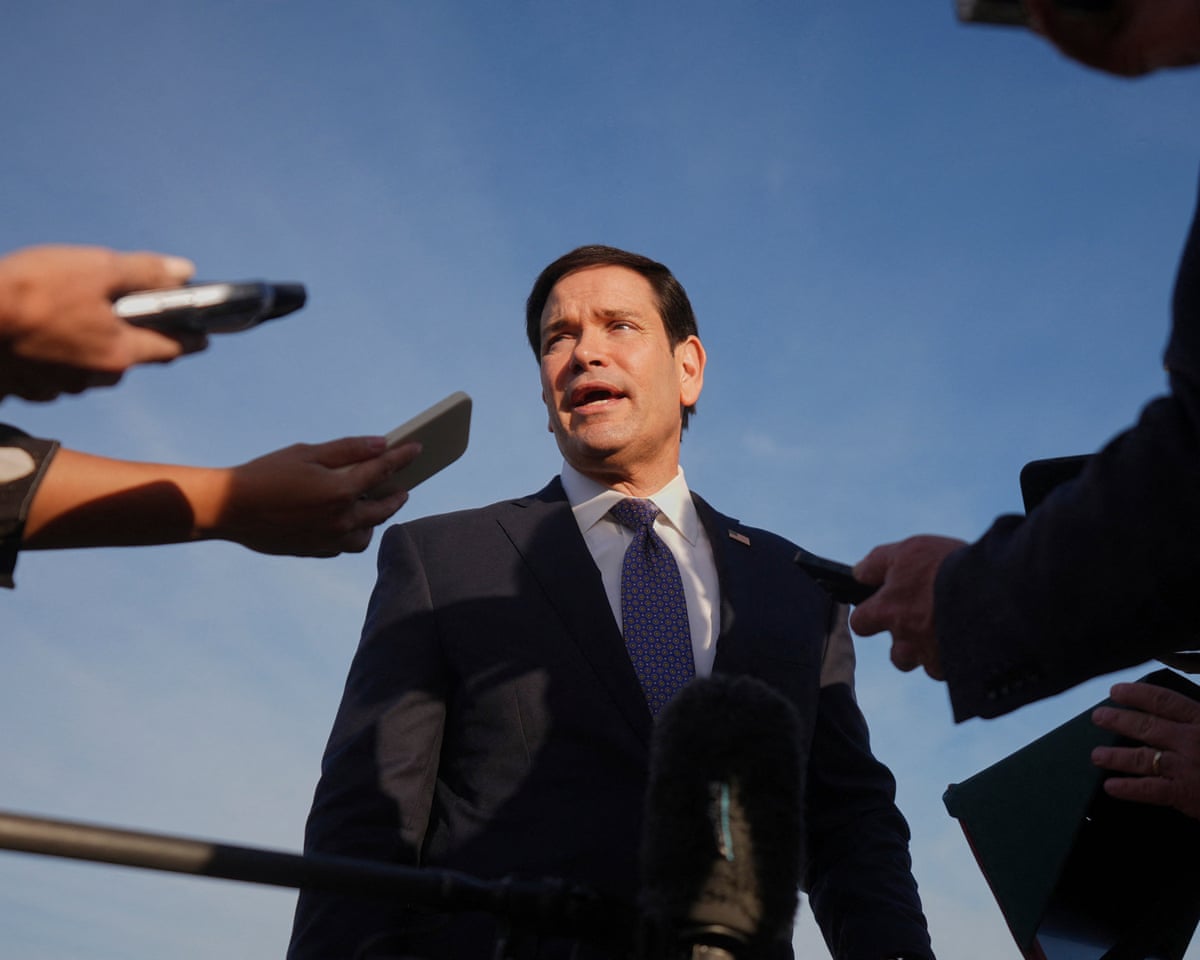
The Trump administration has pressured multiple countries to withdraw sponsorship from a leading European conference on disinformation, resulting in Canada, Lithuania and the European Union's diplomatic service agreeing to do so. The conference, #Disinfo2026, is scheduled for Wednesday and Thursday in Vilnius, Lithuania, and serves as the annual gathering of Europe's counter-disinformation community, drawing hundreds of researchers, journalists, technologists and policymakers.
The event is organised by EU Disinfo Lab, an independent Brussels-based non-profit. In the days before the conference, the logos of its main supporters—the Lithuanian ministry of foreign affairs, the European External Action Service (EEAS) and Global Affairs Canada—were removed from its website. Photographs of conference materials shared with news outlets show white stickers affixed over the logos of these organisations on official printed materials, suggesting they were withdrawn hastily from the programme.
Three individuals familiar with the matter, including European officials, confirmed that the United States state department had contacted multiple governments regarding their support for the conference. Internal state department documents indicate that US officials thanked Lithuania for
taking US concerns seriouslyand expressed gratitude that Lithuania found a panel framing the United States as a foreign information threat
reprehensible and surprisingand welcomed its decision to limit involvement in the conference.
Key Facts
- Nearly 400 French educational establishments faced disruptions on Thursday as high school protests continued despite the prime minister's pledge to present a reform plan by the end of October
- More than 6,500 people, mostly minors, have been arrested since the protests began in late September, with hundreds of students, police and education staff injured
- A Russian strike on buses in Kramatorsk, Ukraine killed 12 people and injured 14, prompting authorities to suspend public transport and launch a war crimes investigation
- Poland has experienced multiple school knife attacks within 24 hours, prompting police to increase security measures near educational institutions
- The Trump administration successfully pressured Canada, Lithuania and the EU to withdraw sponsorship from a disinformation conference in Vilnius