France is assessing the damage after experiencing its most severe civil unrest in recent years, with buildings set on fire and widespread looting across multiple cities on Saturday. According to The Guardian, more than 1,200 people were arrested during the demonstrations, which began as student-led protests over the cost of living but were infiltrated by violent fringe groups that caused events to spiral into chaos.
The unrest represents a significant escalation of a movement that began last month at a high school in Créteil over staff shortages, then spread through school strikes and blockades nationwide. What started as anger over teacher absences and inadequate facilities has evolved into a broader movement against inequality, weak public spending and declining living standards.
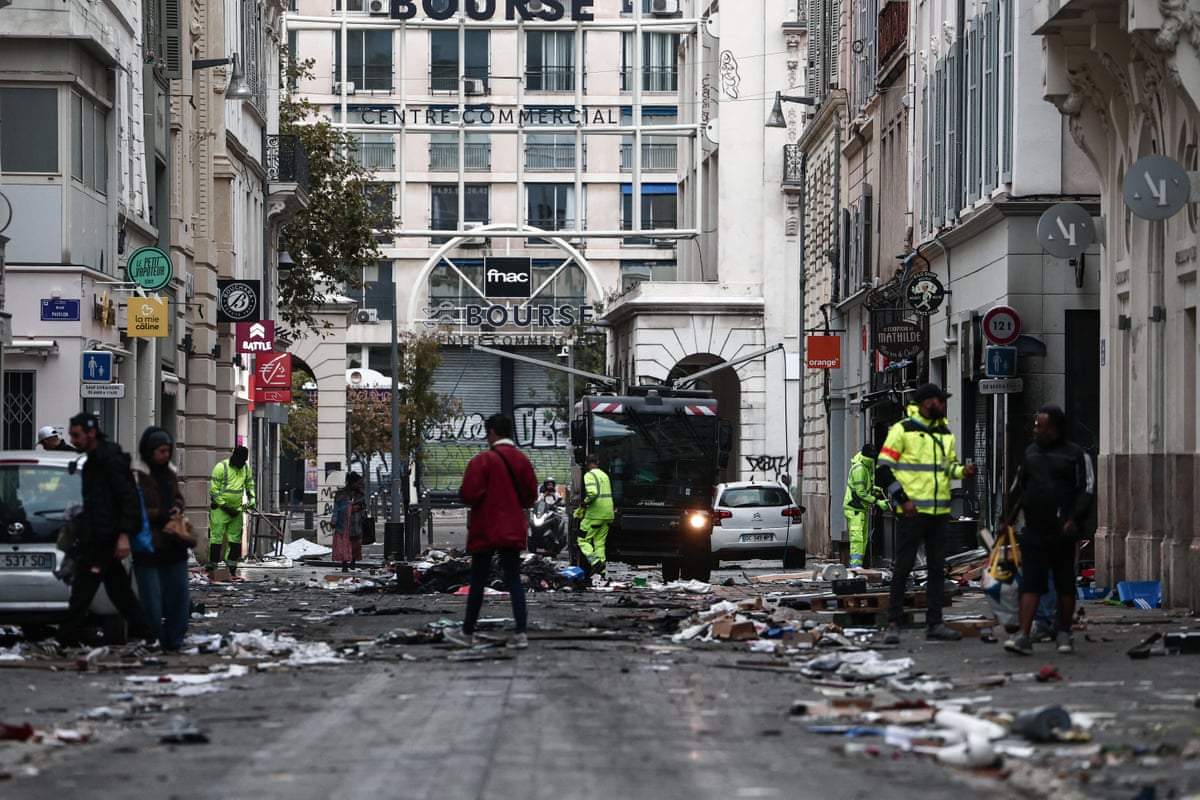
Paris bore the brunt of the violence, with the city's mayor Emmanuel Gregoire describing whole streets as having been devastated by the unrest. Police in the capital arrested 855 people during Saturday's demonstrations—a record figure for a single event, according to Agence France-Presse. Deputy Mayor Lamia El Aaraje characterised the capital as having experienced
a level of violence that I believe we had never seen before.
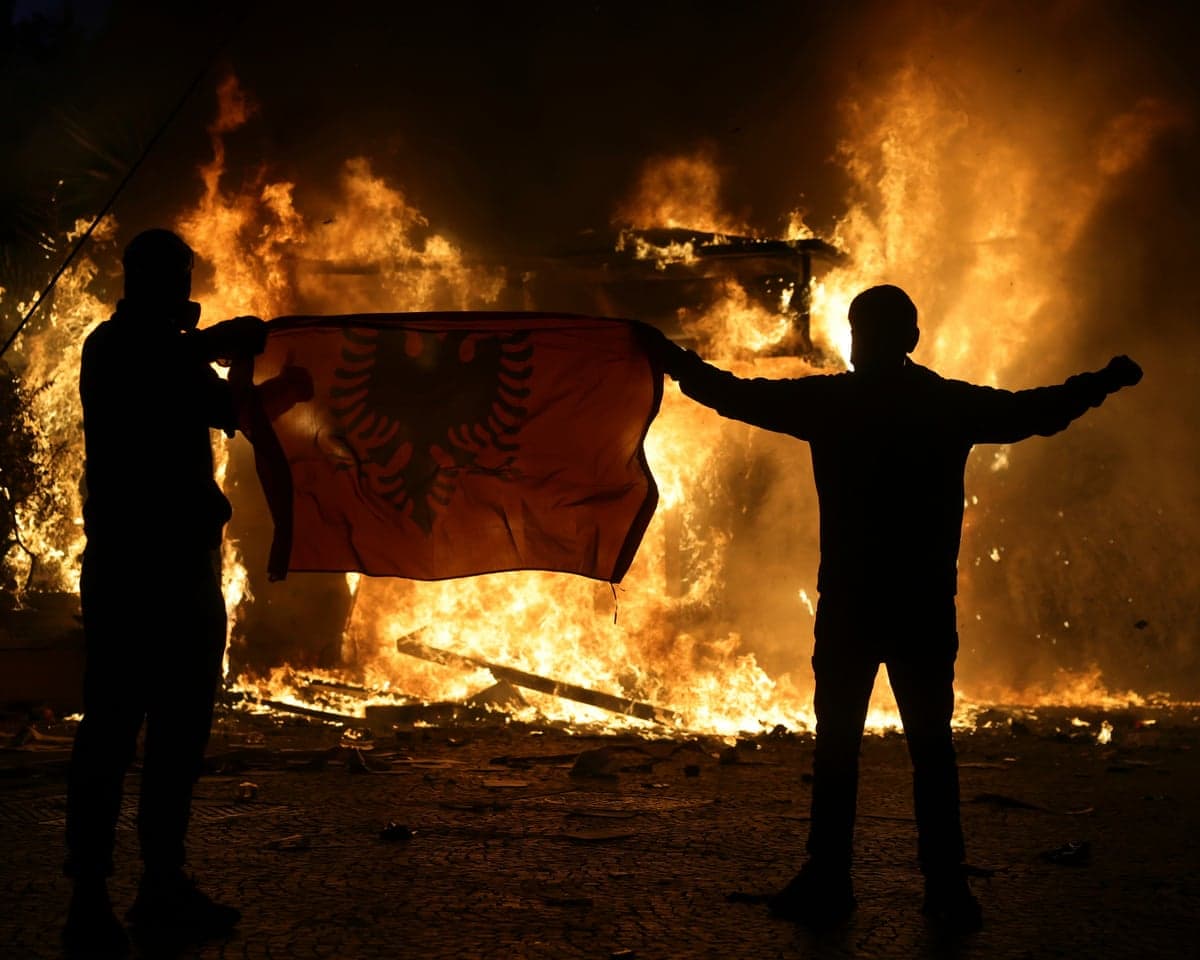
In Limoges, central France, the town hall—a 143-year-old building—was largely destroyed by a fire set by masked protesters, according to the top regional official. The prefect reported on Sunday that the blaze had been contained.
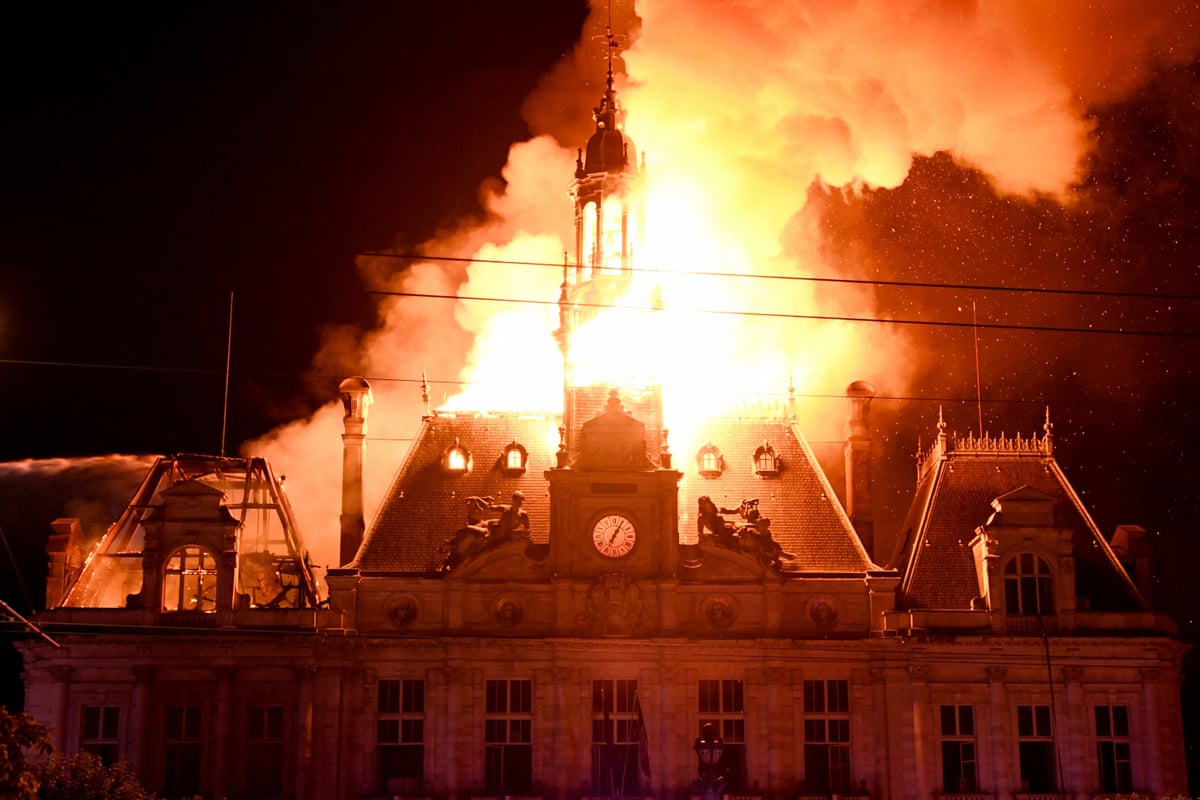
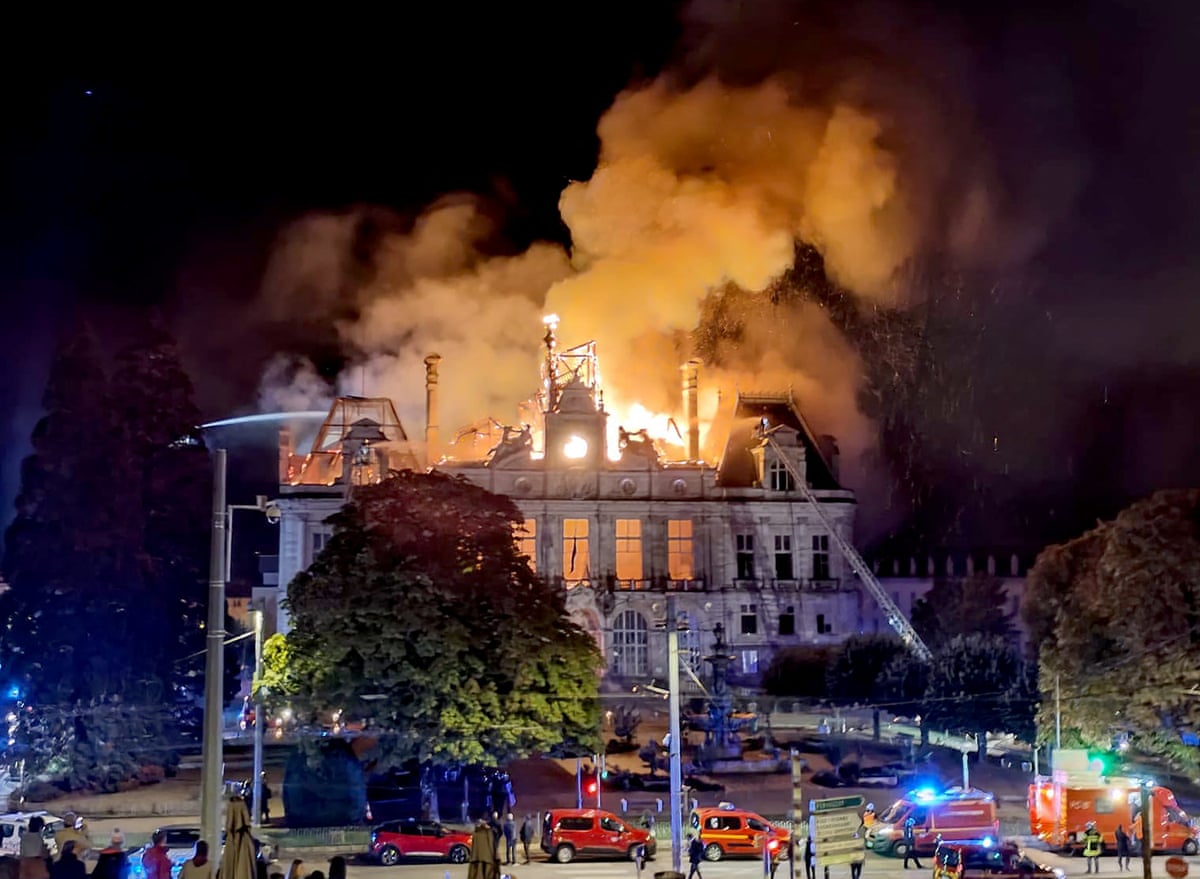
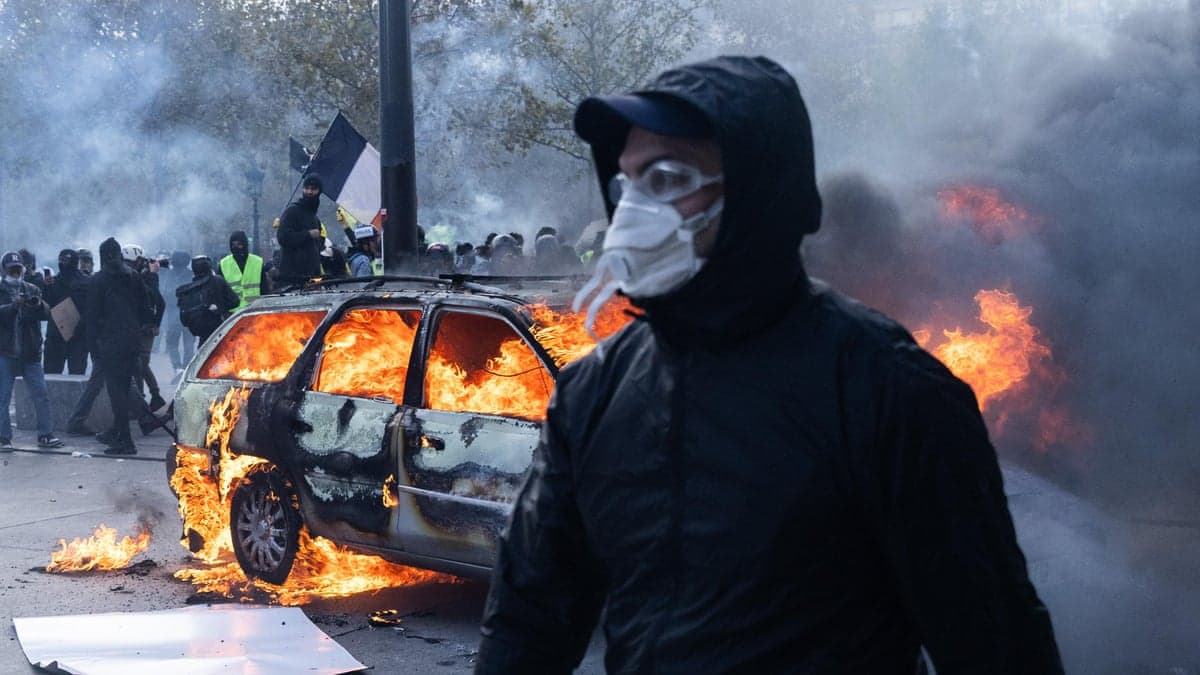
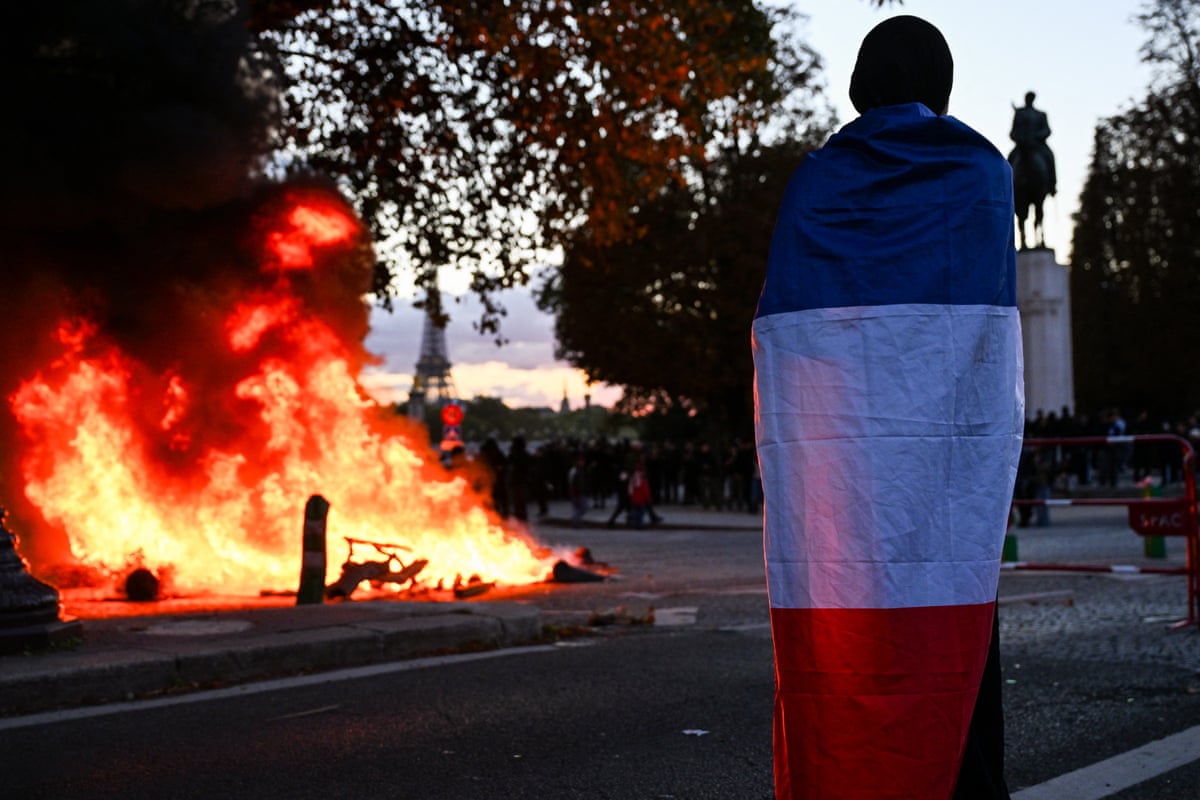
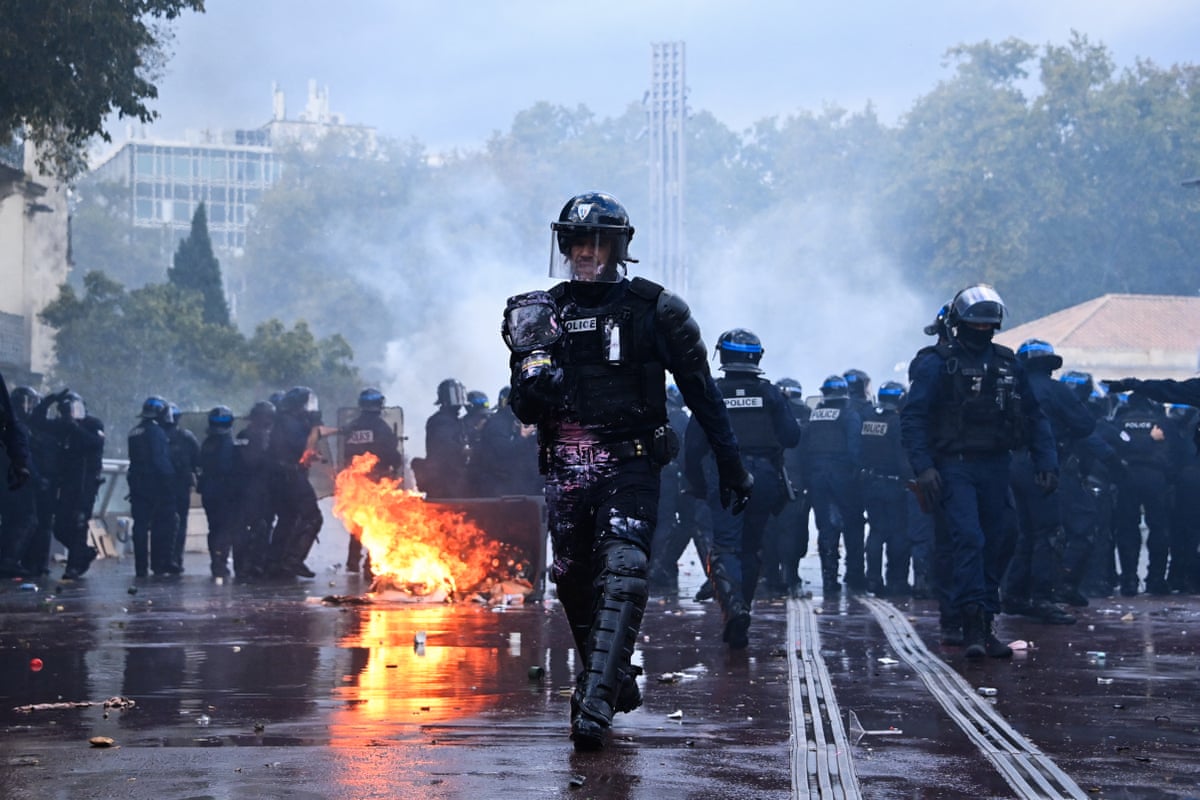
Across the country, violent groups targeted public buildings, luxury boutiques and supermarkets, attacked police vehicles and assaulted officers. Police deployed teargas in confrontations with protesters as demonstrations in numerous cities were bolstered by groups angry about high prices and the deterioration of the social welfare system. While hundreds of thousands participated in peaceful street marches in scores of cities, opportunistic elements exploited the situation for destruction and theft.
Prime Minister Sébastien Lecornu confirmed that 1,200 people had been arrested and 150 police officers were injured in clashes. Interior Minister Laurent Nuñez described the perpetrators as
opportunistic delinquents who had seen a chance to pillage and loot … we will find them and deal with them firmly.
The scale of participation in the demonstrations was substantial. The CGT union estimated turnout at 800,000, compared with the government's estimate of 550,000, highlighting disagreement over the movement's size.
How did the violence unfold?
The demonstrations began peacefully but deteriorated as the day progressed. Early in the day, more than 150 arrests had been made in Paris before midday, and the Interior Ministry reported 272 arrests nationwide by mid-afternoon, indicating that disorder was spreading rapidly across the country.
Masked individuals forced entry into public buildings and set fires, while looters targeted commercial premises. The violence was not confined to a single location but occurred in multiple cities, with police responding with teargas and other crowd control measures.
What is the broader context?
The current unrest has converged with longstanding grievances about living costs and public services. The protests have converged with the Yellow Vest movement, which began in 2018 over fuel taxes and living costs, suggesting that Saturday's demonstrations tap into deeper frustrations that have simmered for years.
The student movement itself has exposed what many young people view as a generational crisis. Beyond overcrowded classrooms and missing teachers, protesters are expressing fears about unstable employment prospects, unaffordable housing and the erosion of public services that previous generations took for granted.
What happens next?
Authorities in France are monitoring whether protests will continue into another day. The government has committed to announcing more concrete measures for students by the end of October, though the scale of Saturday's violence may influence how quickly those proposals are implemented.
President Emmanuel Macron condemned the violence and said those responsible would be prosecuted. The unrest is unfolding ahead of France's presidential election, scheduled for spring 2027, which may add political pressure on the government to respond decisively to both the students' demands and the breakdown in public order.
Additionally, a police watchdog has opened investigations into 34 allegations of violence against demonstrators during the preceding protests, suggesting scrutiny of law enforcement conduct alongside accountability for those who engaged in destruction and looting.
Key Facts
- More than 1,200 people arrested across France on Saturday, with 855 detained in Paris alone—a record for a single event
- 150 police officers injured in clashes; buildings set ablaze including the 143-year-old Limoges town hall
- Demonstrations began last month over teacher shortages and school conditions but expanded into a broader movement against inequality and weak public spending
- Hundreds of thousands participated in peaceful marches while violent fringe groups exploited the protests for looting and destruction
- Government pledged to announce education reform measures by the end of October