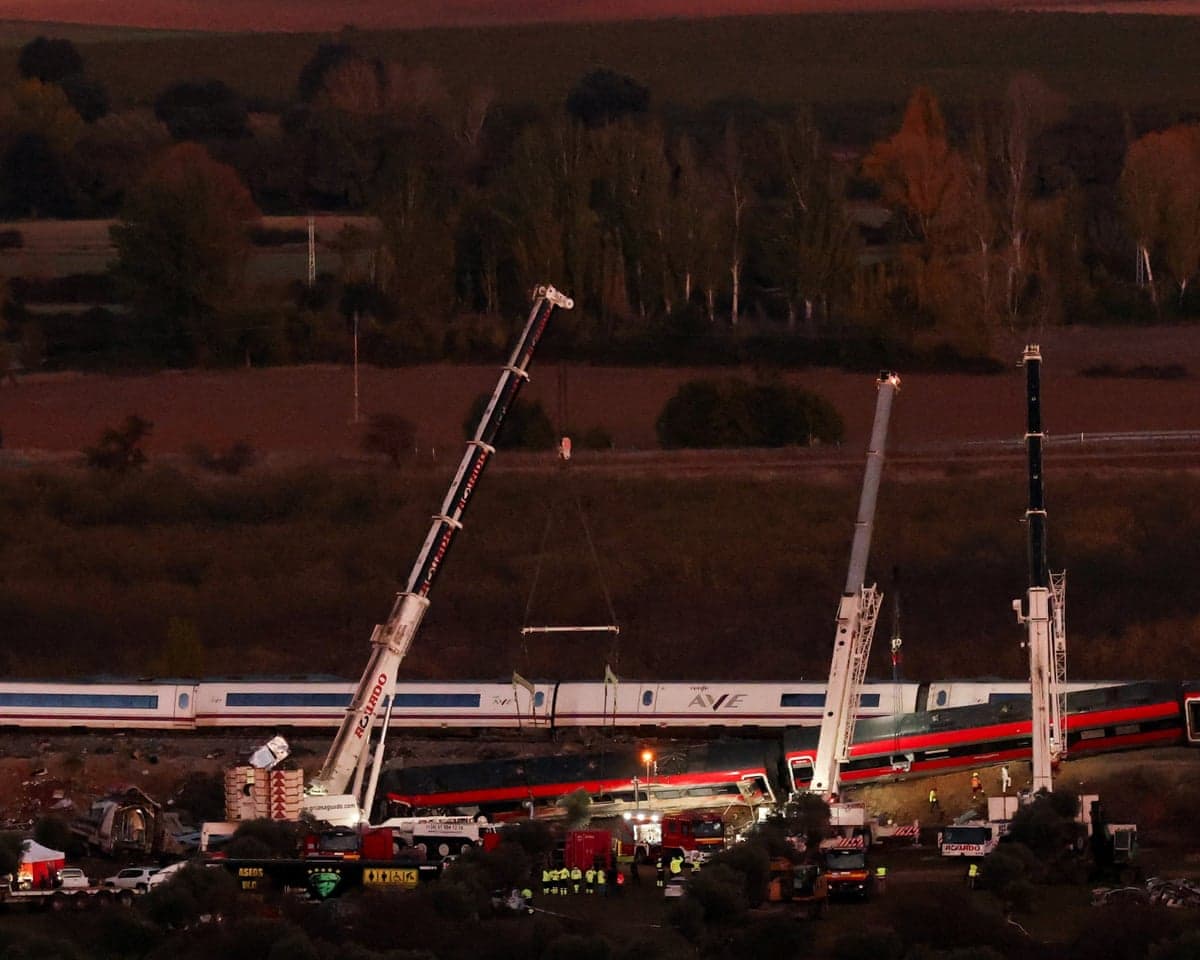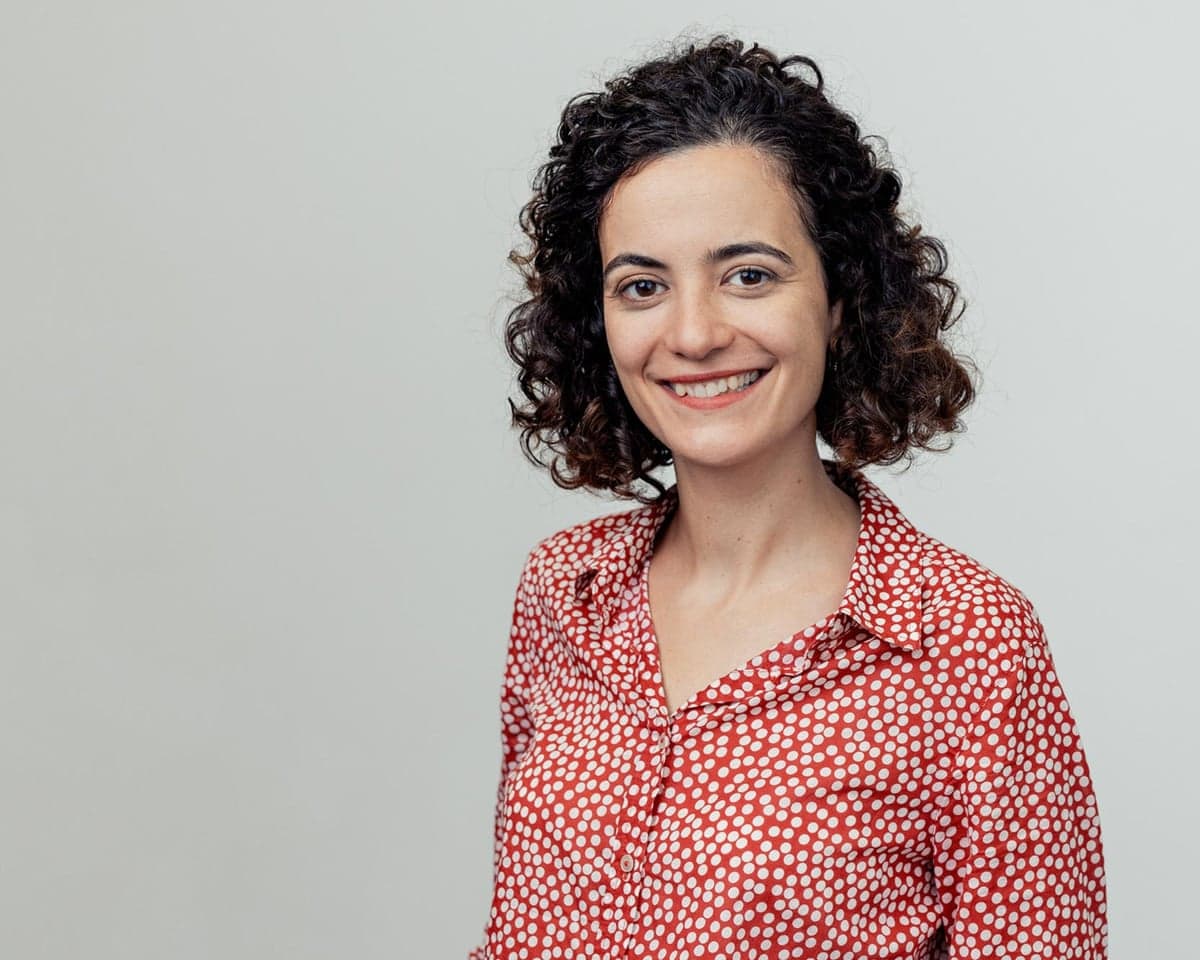
Dr Marta Shahbazi, an affiliate associate professor at the Cambridge Stem Cell Institute and group leader at the Medical Research Council Laboratory of Molecular Biology (LMB), died in a high-speed train collision in Spain on Wednesday. She was travelling to a conference where she was scheduled to receive an award for scientific excellence in developmental biology. The crash, which occurred near Urda in Toledo province, claimed at least 69 lives, making it Spain's second major rail disaster on the Madrid-Andalucía line this year.
According to The Guardian, the mother of two had recently won the Spanish Society of Developmental Biology's scientific excellence prize and was heading to El Rompido in Andalucía to be presented with the honour at the society's conference.
The LMB released a statement expressing profound sadness at her death. The institute described Shahbazi as an inspiring and talented researcher whose work illuminated the earliest phases of human embryo development and the mechanisms behind pregnancy failure. She had become known for writing openly about navigating motherhood and scientific research, identifying herself as a "mother scientist" and serving as a role model for others balancing similar responsibilities.
What was her research focus?
Shahbazi's scientific contributions centred on understanding human embryonic development at the molecular level. According to the Spanish Research UK network, she developed an in-vitro system that allowed researchers to study human embryo development beyond the implantation stage, a significant advancement in the field. Her research group created three-dimensional stem-cell models, including embryonic spheroids and placental organoids, to investigate both embryonic and extra-embryonic development. In 2024, she was selected for EMBO's Young Investigator Programme, which offers mentoring, training and support to emerging life scientists.
How are colleagues remembering her?
Dr Roser Vento-Tormo, a group leader at the Wellcome Sanger Institute near Cambridge, paid tribute to Shahbazi's character and professional impact.
Marta Shahbazi was a beautiful person: a close collaborator, a treasured friend, and an inspiration to me both as a scientist and as a mother. As a scientist, we shared so many dreams. We co-supervised two students together, and I cannot describe how much joy it was to work alongside her. Some of our work will still be published in the coming months, and anyone who reads it will feel the passion she poured into everything she did.Vento-Tormo added that her thoughts were with Shahbazi's family, noting how central they were to her life and how deeply she valued them.
The Center for Research in Molecular Medicine and Chronic Diseases (CiMUS), based in Santiago de Compostela, also paid tribute to Shahbazi as a brilliant young researcher whose contributions to science will be remembered.
What happened in the crash?
The collision involved two high-speed trains on the Renfe and Iryo services operating between Madrid and Andalucía. According to the Independent, the two trains carried 397 people on the Renfe service and 147 on the Iryo service, including an infant, with more than 100 people injured in the collision. The crash near Urda marked Spain's second high-speed rail accident on this route in 2026, raising serious questions about safety on the line.
Spain observed three days of national mourning beginning on Thursday following the disaster. Spanish Prime Minister Pedro Sánchez described the incident as a tragedy and called for a thorough investigation into its causes.
What is known about the cause?
Spanish investigators are examining potential failures in the automatic train-protection system and decisions made by the Madrid rail control centre, though the exact cause of the collision has not yet been determined. Authorities continue to analyse data and evidence from the crash site as part of their ongoing investigation.
What happens next?
High-speed rail services between Madrid and Andalucía remain suspended while authorities complete their investigation into the collision. The suspension will remain in effect until safety assessments are completed and investigators determine what led to the crash.