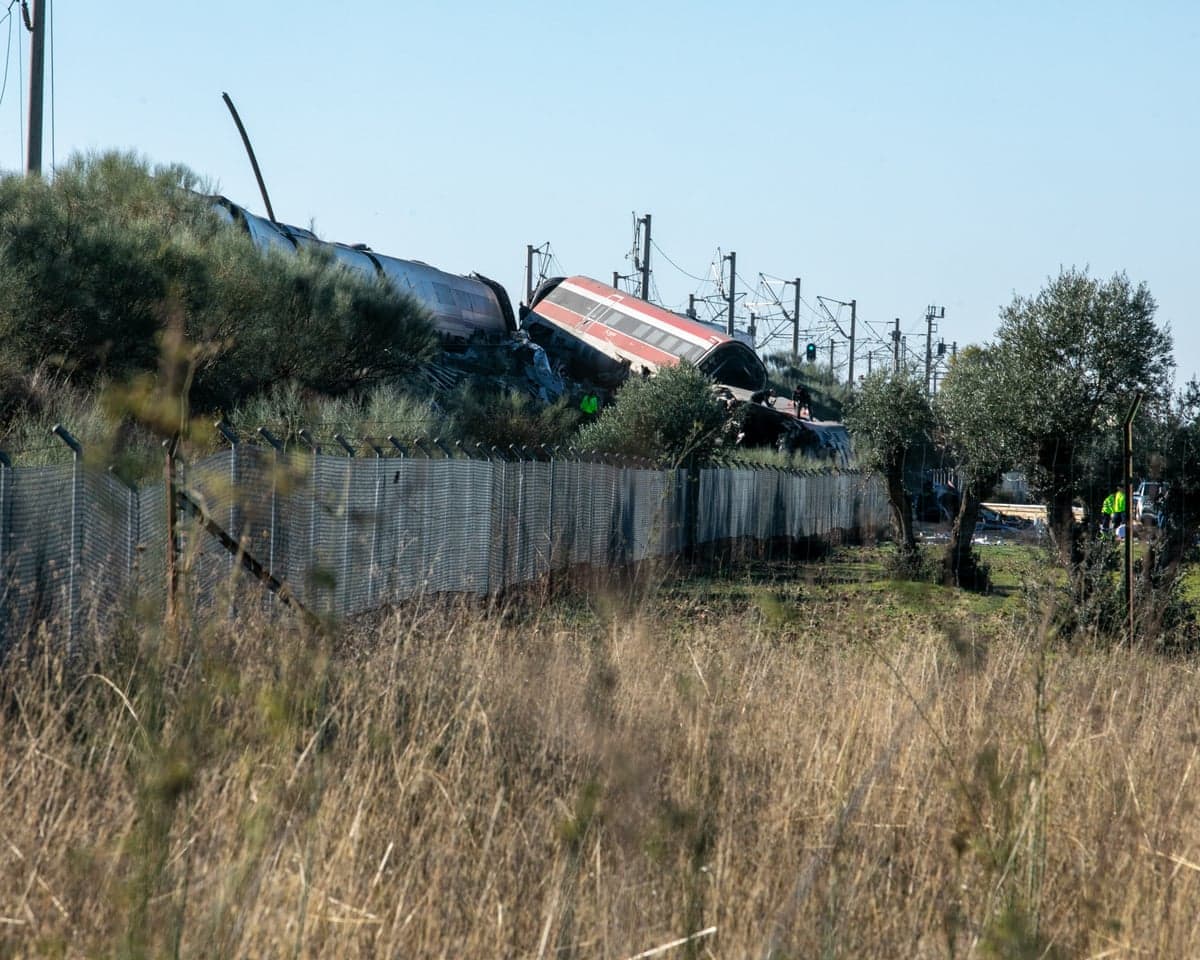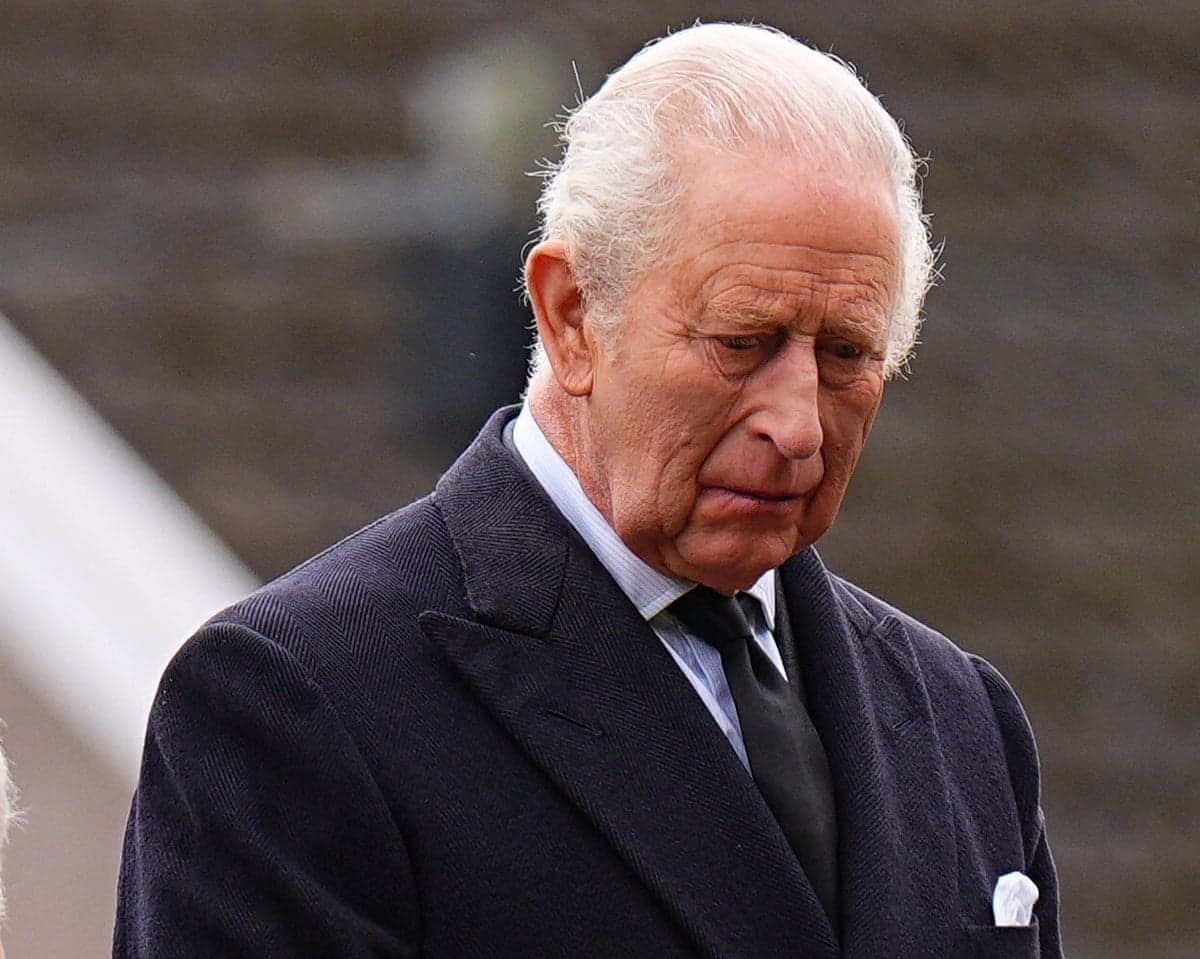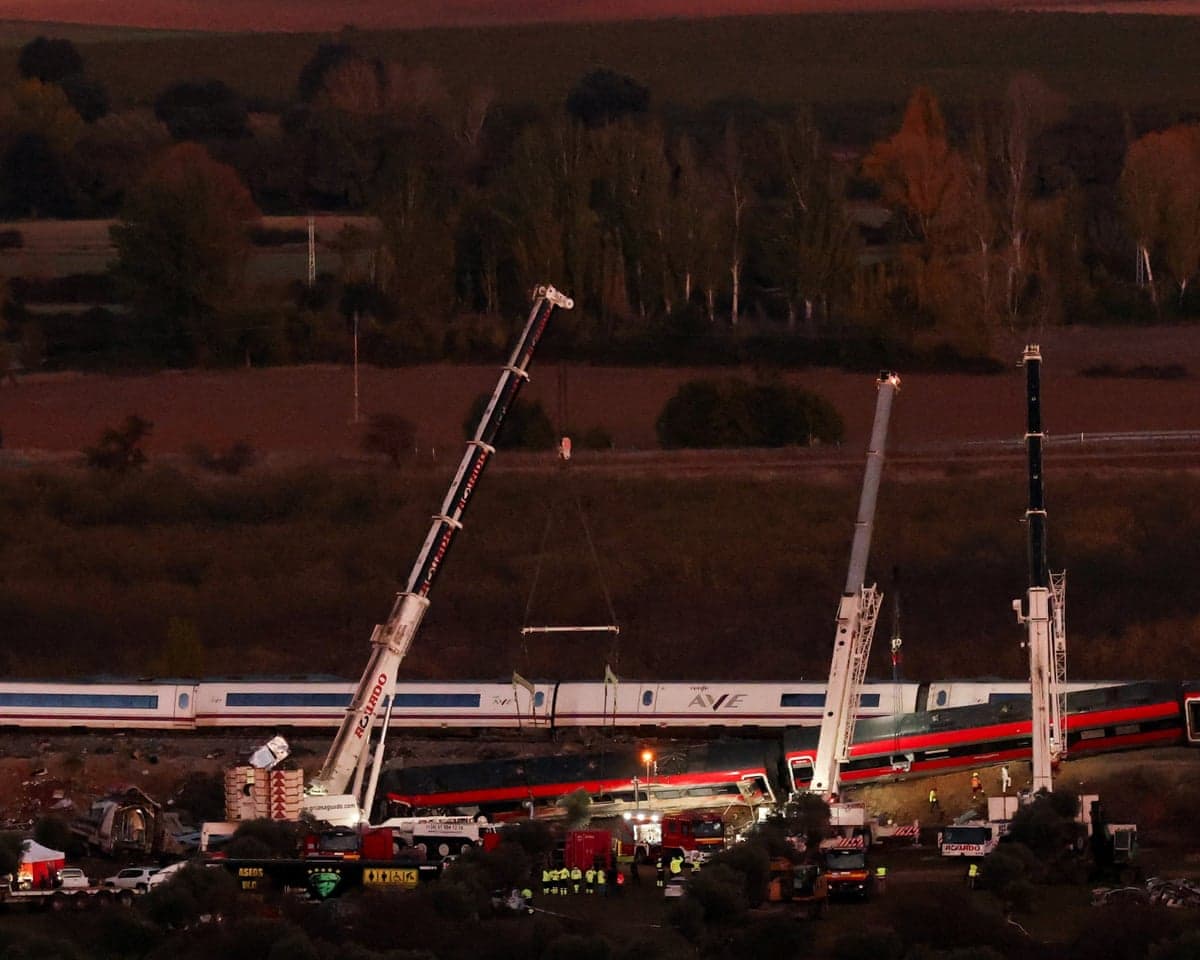
Spain is continuing its investigation into a catastrophic train collision in Toledo province that claimed 69 lives on Wednesday, with authorities working to establish the precise sequence of events that led to the disaster. An interim report from the independent investigative body has confirmed that the high-speed AVE train was travelling between 160 and 200km/h at the moment it struck a stationary train ahead of it. According to The Guardian, the full investigation is expected to take weeks or even months to complete.
The interim report notes that investigators have been unable to interview some key witnesses so far, which may slow the fact-finding process. Leaked recordings of conversations between the operations centre and affected drivers have drawn significant public attention, particularly regarding a signalling failure in the Urda area. Spain's transport minister Óscar Puente has characterised the control-centre operator's decision to allow the AVE train to proceed as
"inexplicable,"noting that the system displayed a red alert for the occupied track at the time the authorization was given.
According to reporting on the incident timeline, the LZB safety-system failure occurred at approximately 8:30am, the authorization to resume operations came at 8:36am, and the collision took place at 8:53am. This narrow window has raised questions about whether adequate time existed for proper safety protocols to be followed.
Spain has entered a three-day national mourning period following the disaster, with rescue teams continuing their work in the wreckage. The collision has also prompted the suspension of all 24 Copa del Rey matches scheduled for Wednesday, with Spain's football federation making the decision in solidarity with victims and their families.
How will the crash affect Spain's political landscape?
The timing of the disaster poses a significant challenge for Prime Minister Pedro Sánchez, whose political momentum has recently strengthened ahead of parliamentary elections scheduled for next month. The crash threatens to overshadow his efforts to defend his government's record and secure another term in the Moncloa palace. The issue of rail safety now risks dominating the election campaign, potentially diverting attention from other policy areas where Sánchez had hoped to build support.
What is happening with protests across Europe?
Beyond Spain, France and Italy are experiencing escalating civil unrest. French interior minister Laurent Nuñez has warned of
"a very high risk"of violent disorder this weekend, attributing the threat to
"the radicalised far-left"and the Yellow Vest movement, which he says are encouraging demonstrators to participate with
"quite radical"messages. The protests reflect broader European frustrations over education policy, the cost of living, and other social concerns.
In Italy, student movements are preparing for what they describe as
"massive"protests in Rome and Milan. These demonstrations form part of a wider pattern of civil discontent across the continent as populations voice their dissatisfaction with government responses to pressing economic and social issues.
What is the status of Canada-EU relations?
At a summit in Montreal, Canada and the European Union are discussing a new framework for their relationship. Mark Carney has indicated that Canada is working toward becoming an "associate member" of the EU, a status that would deepen policy alignment between the two entities. European Commission President Ursula von der Leyen has endorsed this terminology as a pathway to strengthen ties.
The summit, scheduled for 29–30 October in Montreal, is expected to focus on trade, defence and security, energy and critical minerals, and technology cooperation. As part of the discussions, Carney has announced a government investment of up to C$1.6 billion in Cohere, signalling Canada's commitment to technology sector development alongside the broader partnership negotiations.
The EU's proposal for Canada to assume associate member status follows von der Leyen's State of the Union address and represents an effort to establish an
"Alliance for the Future"between the two partners. The outcome of these discussions could reshape the institutional relationship between Canada and Europe for years to come.