Albania's prime minister has refused to step down amid escalating street violence in the capital, insisting that leadership changes must occur through democratic elections rather than demonstrations. The unrest, which erupted over a controversial Trump family-backed resort proposal, has intensified dramatically over three consecutive days, with clashes between riot police and protesters leaving dozens injured and significant property damage across Tirana.
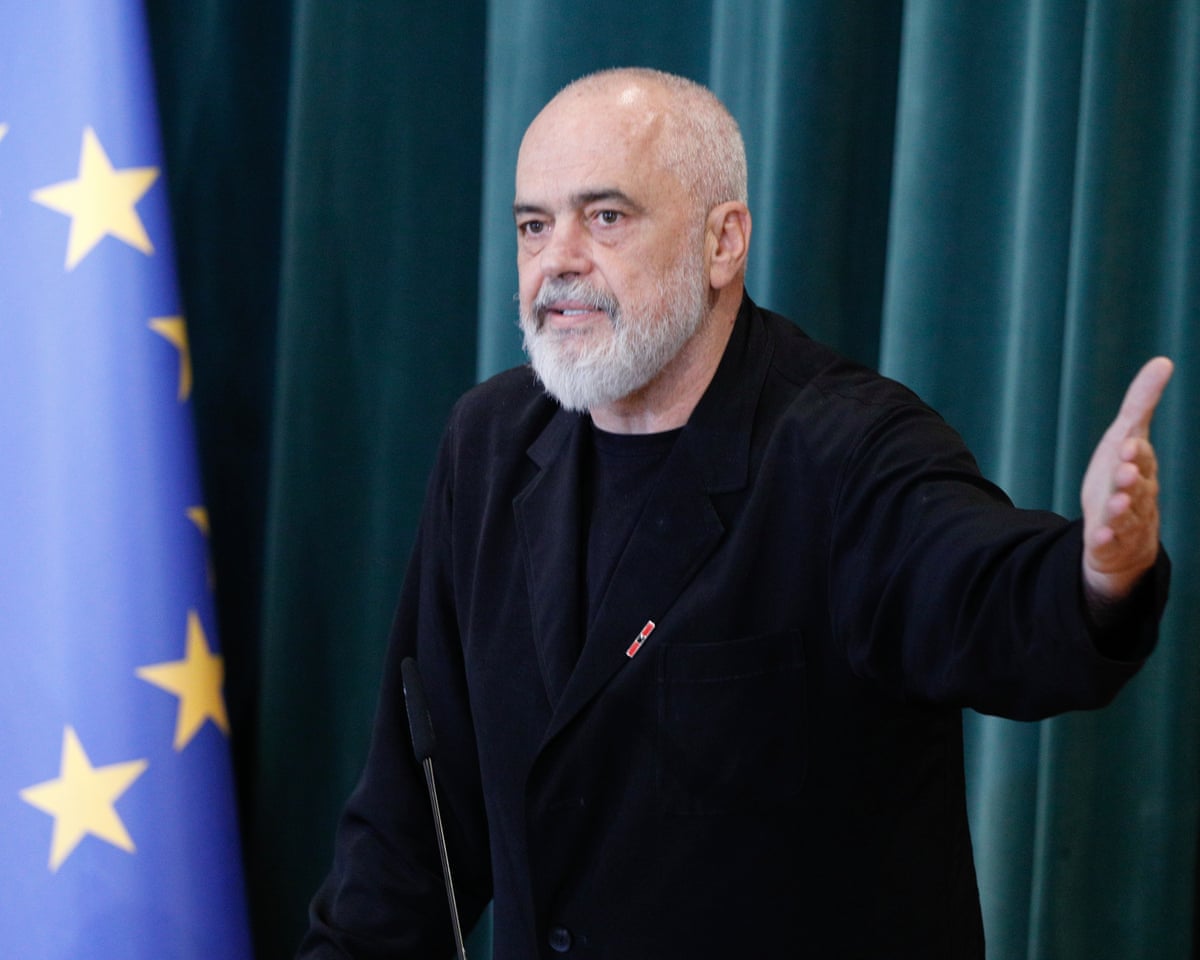
Speaking on Thursday after student activists took the helm of the anti-government movement, Edi Rama declared:
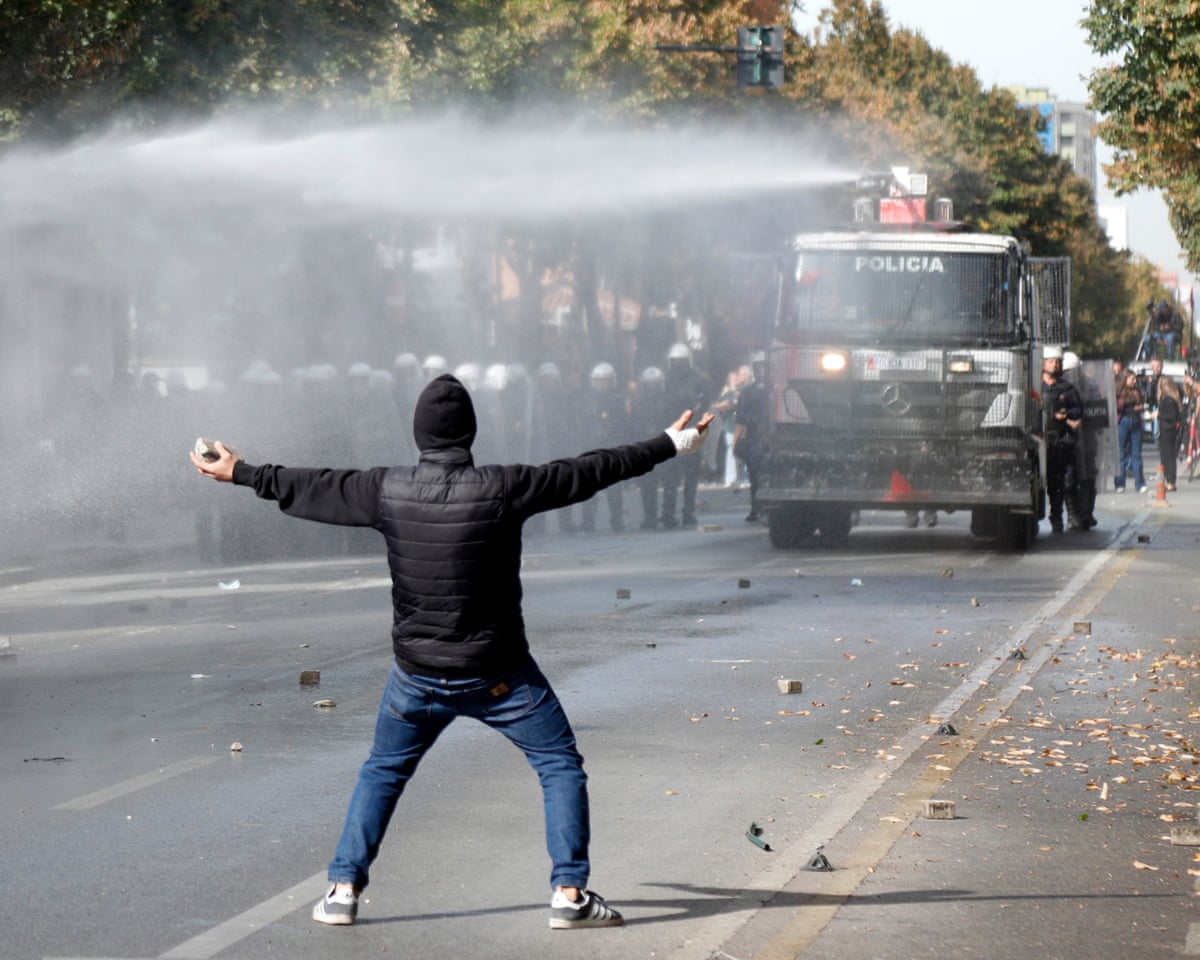
Governments are changed through democratic elections. We had elections last year, not a revolution.His remarks came to just hours before fresh violence erupted outside the education ministry, where officers deployed teargas and water cannon against rock-throwing demonstrators. He continued:
My responsibility is to listen, address legitimate concerns and keep moving forward.
The prime minister framed his refusal to resign as a matter of principle regarding Albania's future.
To a betrayal of the Albanians who gave me a strong mandate to complete negotiations on European Union membership … I will not allow violence to derail Albania's European future.Rama has committed to bringing the former Stalinist state into the 27-member European bloc by 2030.
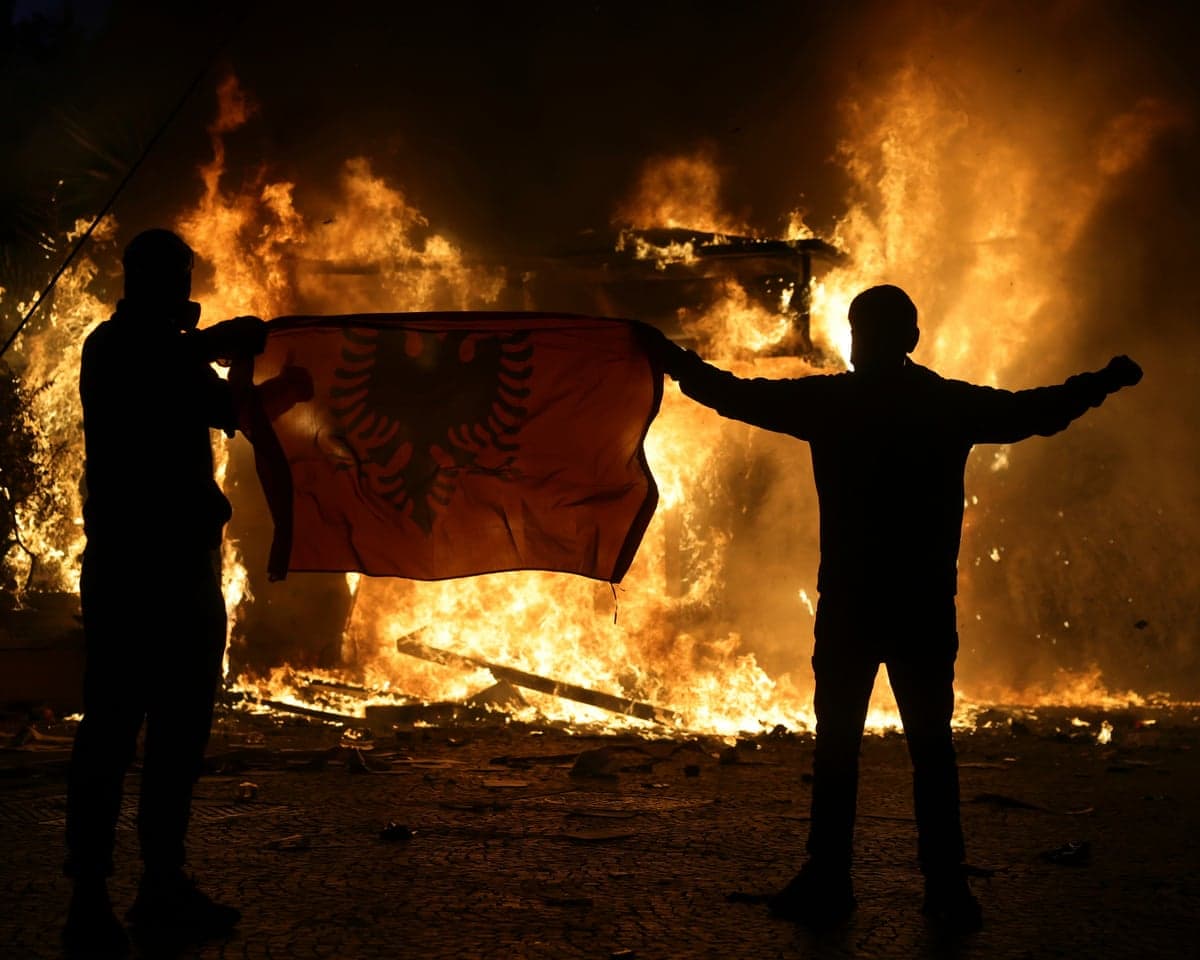
The escalation marks Rama's most serious challenge since taking office. On Thursday morning, residents discovered smashed shop windows, destroyed traffic signals, and burned government buildings and banks throughout the city. According to France24, police reported 65 arrests during Wednesday's clashes, with four officers and two protesters hospitalized and one officer in intensive care. The original source article documented 89 total injuries, including 61 police officers.
The violence has created profound uncertainty about the government's stability. Afrim Krasniqi, director of the Albanian Institute for Political Studies in Tirana, observed that the situation has become unpredictable after 13 years of socialist rule.
Young Albanians are tired of all the corruption, tired of all the arrogance. They want to live in a better country and they are not afraid to use violence,he said.
There is no prognosis. Nobody can say what will come next.
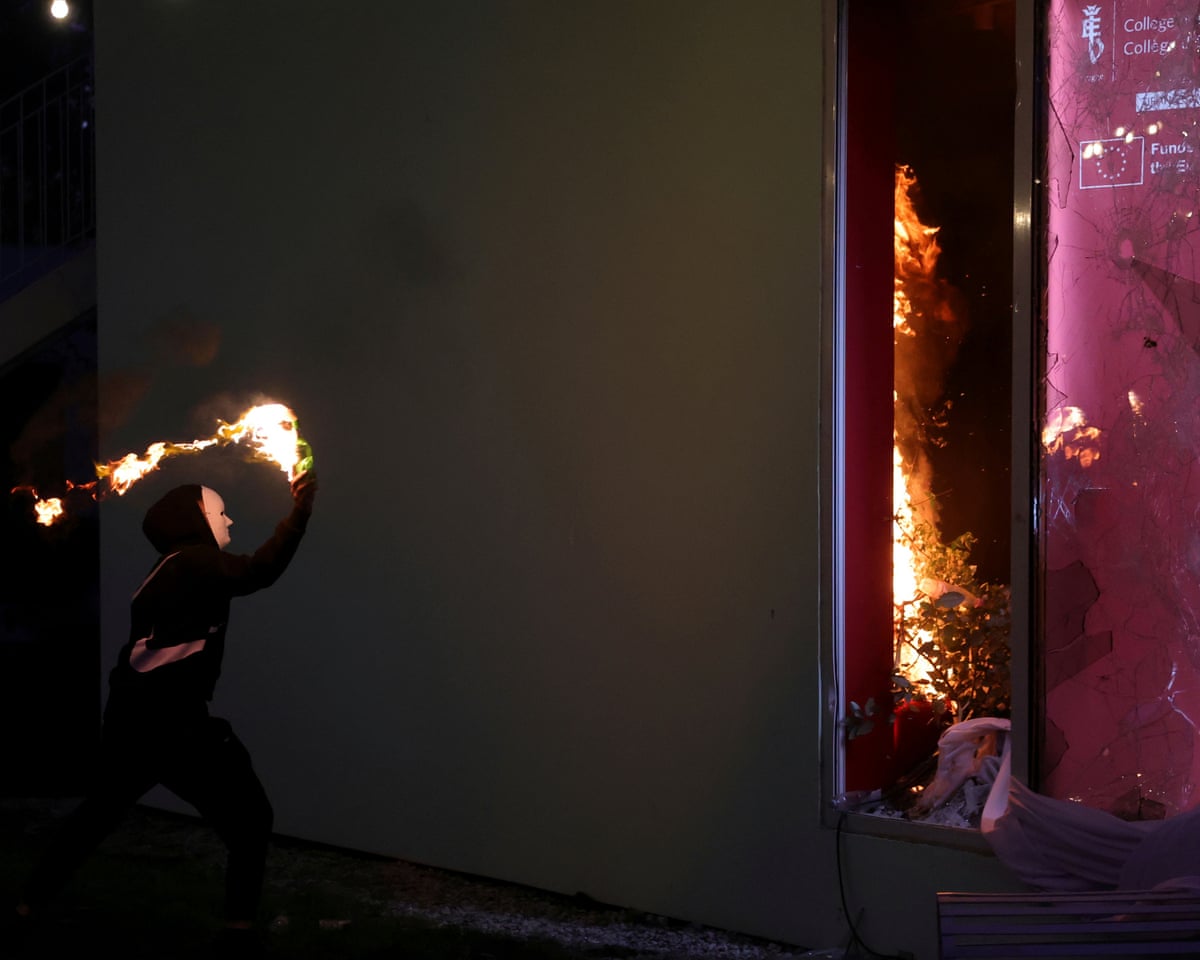
Rama, who himself emerged from protest movements three decades ago when he criticized Albania's first post-communist government, doubled down on his position. Visiting the fire-damaged College of Europe on Thursday, he stated:
Students are the future. They are the ones who look ahead, who want to go further and faster. Today, this is the ruin left by hands that are not, and can never be, the hands of students. These are the hands that try to push Albania down every time Albania tries to rise.He acknowledged willingness to discuss rising education costs but made clear that vandalism would not be tolerated.
What sparked the demonstrations?
Nearly five months of daily protests originated from environmental concerns over a luxury tourism complex championed by Jared Kushner, the US president's son-in-law. The development would be constructed along pristine southern coastline designated as a conservation zone of exceptional natural value. Dubbed the "flamingo revolution" for the threat it poses to wildlife and fragile ecosystems, the movement initially attracted varying crowd sizes but consistently demanded Rama's resignation.
Despite sustained opposition, Rama has refused to abandon the project, characterizing it as an economic "gift" that will generate employment and transform Albania into a premium tourist destination. At €4 billion, the resort would represent the largest investment the nation has ever received. Last week, Kushner acknowledged the venture's scale and risk, stating:
There are no guarantees. We are taking that risk because we believe in Albania and we believe in Albanians. If successful, the project would represent approximately €4bn of investment and create significant jobs, economic activity and international visibility for Albania.
However, environmental groups have warned that the development threatens protected ecosystems. Aleksandër Trajçe, who leads the Protection and Preservation of Natural Environment in Albania, argued that the government's dismissive approach fueled the violence:
Anger over the [Kushner] project has prepared the ground for the violence we are seeing, because day after day protesters have been faced with the arrogance of a government that has refused to listen to them, or give an inch.
How did student activism reshape the movement?
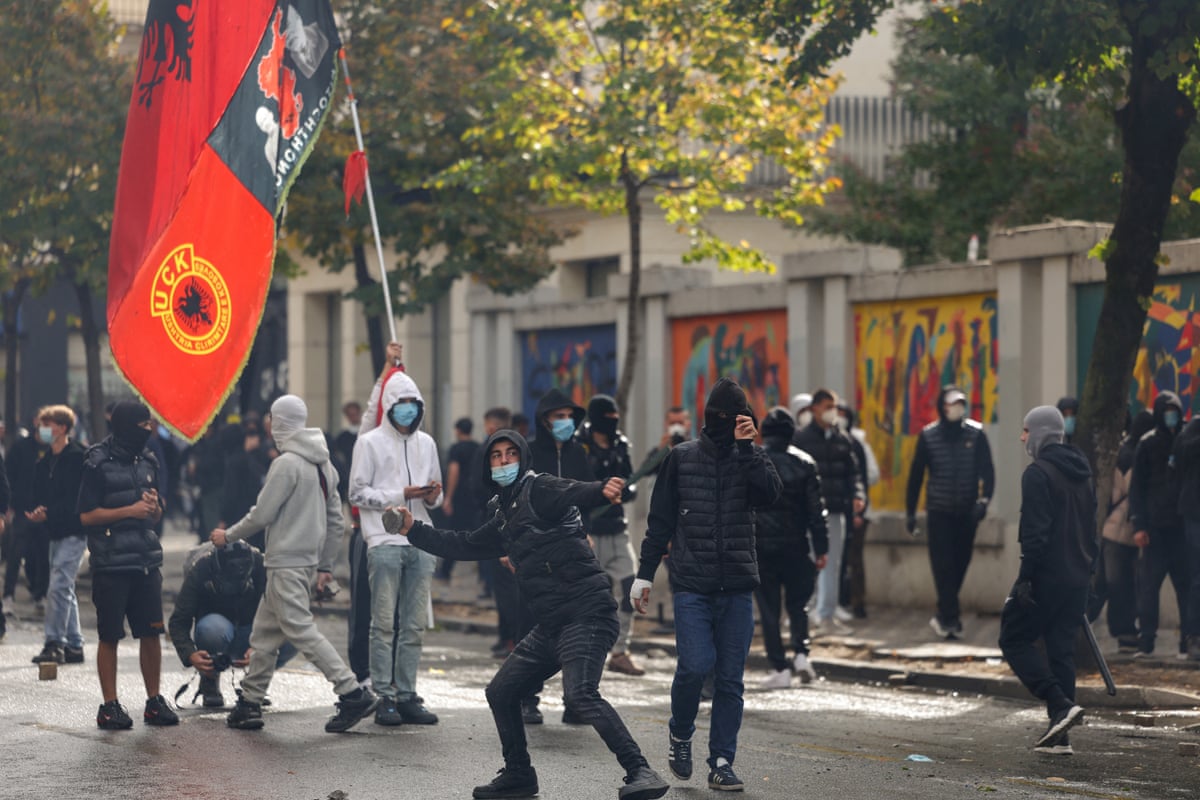
This week, university students assumed leadership of the demonstrations, transforming the character of the protests. Their grievances extend beyond the resort to encompass broader social concerns. According to , protesters cited high tuition fees, poor university conditions, cost of living, and weak job prospects among their primary complaints.
Krasniqi identified this shift as a turning point.
I think this week we reached a turning point,he said.
The government had more than four months to talk to people, who every day have been out on the street. It chose to belittle and dismiss them instead. And now students have joined in, and they appear to have the upper hand.He noted that student demands differ substantially from environmental concerns, focusing instead on education quality, university infrastructure, and broader economic opportunity.
Their demands are very different to the [flamingo] protesters. They want better education, better university buildings, a society that offers them hope. They also don't believe Albania should be for sale.
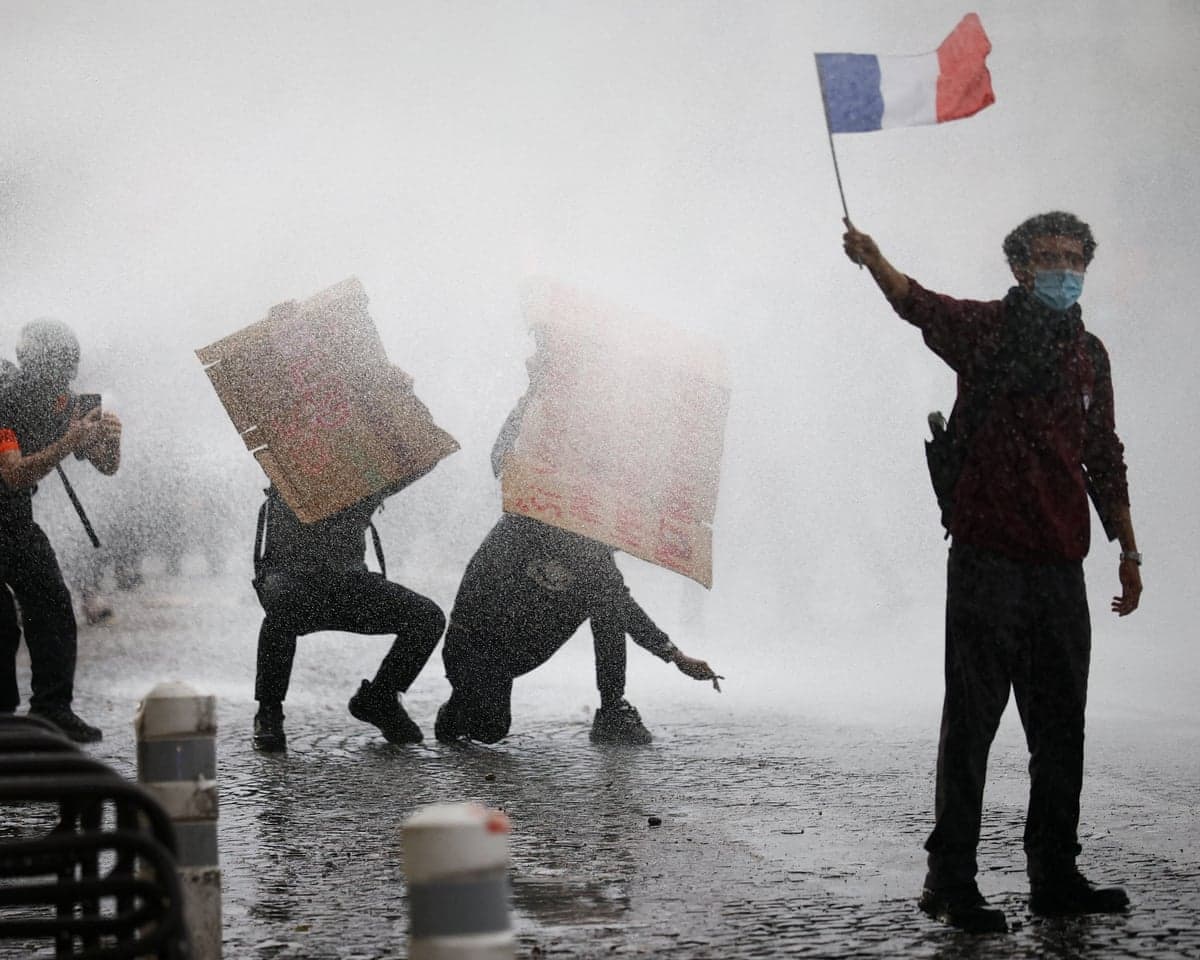
For the first time, Krasniqi observed, young people expressed willingness to endure injury or imprisonment to secure democratic change. The student movement has also drawn inspiration from similar unrest sweeping Europe, particularly in France.
How widespread is the unrest?
The violence has extended beyond Tirana's boundaries. On Thursday, protests spread to smaller cities across Albania, and students launched university boycotts. Parliament cancelled its Thursday session as clashes erupted in the vicinity of the legislature. The EU delegation in Tirana condemned the escalation and called for a prompt investigation into allegations of excessive police force.
What happens next?
Protest organizers set a 1:00 p.m. Thursday deadline for Rama to resign; the deadline passed without his resignation. The situation remains fluid, with no clear indication of how long the unrest will persist or whether further negotiations between the government and student leaders might occur. The international community, particularly the European Union, is monitoring developments closely given Albania's ongoing accession negotiations.
Key Facts
- Edi Rama has committed to securing EU membership for Albania by 2030 and refuses to resign over the protests
- The unrest began as environmental opposition to a €4 billion Kushner-backed resort on protected coastline and evolved into broader anti-government demonstrations
- Student activists have assumed leadership of the movement, expanding demands to include education costs, university conditions, and economic opportunity
- Police reported 65 arrests and multiple hospitalizations during Wednesday's clashes, with significant property damage across Tirana
- Protests have spread beyond the capital to smaller cities, with university boycotts underway