The British military has been jamming or blocking satellites operated by other nations as part of its defence against hostile threats, according to information disclosed to the BBC.
The Royal Air Force has operated a ground-based electronic warfare system for approximately one year, which a defence source indicated had already been deployed "to deter our adversaries". The capability is designed to prevent hostile nations' satellites from tracking sensitive British military operations, including the movement of the UK's nuclear-armed submarines and special forces deployments.
This development coincides with the RAF's establishment of a new dedicated unit to protect Britain's orbital assets. No. III Space Effects Squadron has been launched as the RAF's first unit specifically tasked with countering hostile threats to UK satellites, with the Ministry of Defence stating it will focus on "disrupting, degrading and denying hostile threats in space".
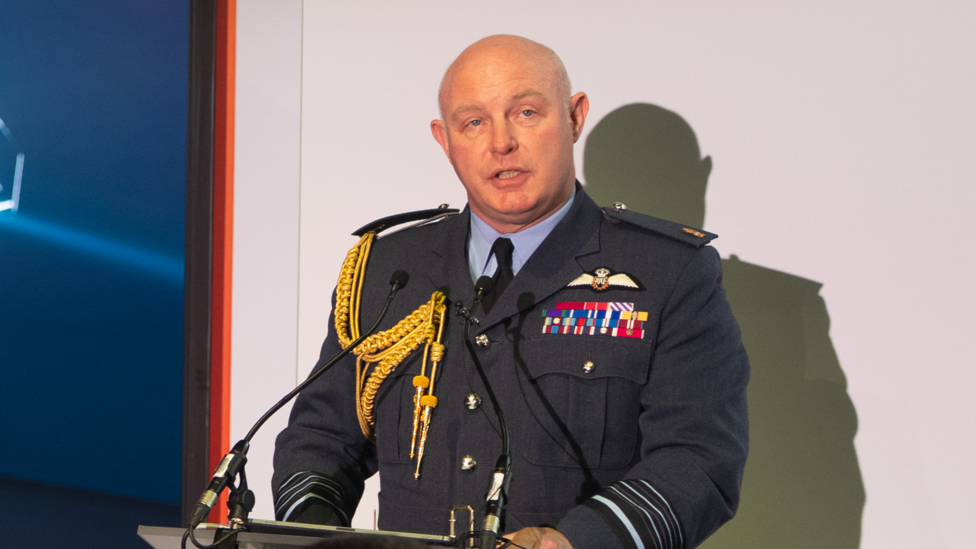
Air Chief Marshal Sir Harvey Smyth, head of the RAF, warned that Britain faces "unprecedented threats" from adversaries operating in space.
"Unfortunately we are seeing more and more irresponsible and provocative actions from our adversaries,"he said.
Why satellites matter to Britain's economy and security
Defence Secretary Wes Streeting emphasised the critical importance of satellite infrastructure to everyday life and national prosperity. Speaking at the UK Space Conference, he outlined the scale of Britain's dependence on orbital systems, noting that the loss of GPS alone would cost the UK economy £1.4bn daily.
"Our dependency on space is precisely why it is increasingly under threat from our adversaries,"Streeting said. He highlighted that satellites underpin weather forecasts, energy supplies, financial transactions, navigation systems, mobile phone connections and e-commerce deliveries.
"We depend on them for everything from weather forecasts, energy supplies, and financial transactions to sat-navs, mobile phone connections, and Amazon deliveries,"he added, warning that disruption to these "everyday conveniences would undermine our daily freedoms, and trust in our institutions."
Streeting characterised the threat landscape as evolving in "scale, speed and sophistication", noting that "the challenges in space increasingly mirror the geopolitics on Earth".
How widespread is satellite jamming?
Multiple nations possess similar ground-based electronic warfare systems targeting satellites. In 2025, the then-head of UK Space Command disclosed that Russia had been attempting to interfere with British military satellites on a weekly basis, employing both ground-based jamming and by manoeuvring spacecraft near UK orbital assets.

A defence source characterised the UK's terrestrial electronic warfare capability as "world leading, and more". The new squadron is being formed under RAF Space Command and builds on No. I Space Operations Squadron and No. II Space Warning Squadron, which watch and warn rather than act against threats.
In May, the RAF tracked a series of "dangerous manoeuvres" by five Russian satellites moving close to two Finnish commercial satellites. Air Chief Marshal Smyth reported in June that a Russian satellite constellation had caused disruptions to GPS signals across Europe and Canada.
The emerging space arms race
Last week, the United States confirmed for the first time that it had deployed an unspecified "weapon" in space to defend its own satellites. Both China and Russia condemned the move, warning of an escalating arms race in the orbital domain.
Washington has already accused both Russia and China of developing their own space weapons, ranging from electronic jammers and lasers designed to blind other satellites to projectiles that can be fired from satellites in orbit.
The UK maintains a limited number of military satellites in orbit for surveillance and military communications but works closely with the US Space Force, which operates a substantially larger constellation.
What the new RAF squadron will protect
The unit is meant to protect satellites supporting navigation for British ships, mobile communications, and missile warning systems. Without such orbital infrastructure, Air Chief Marshal Smyth warned that critical services would be severely compromised.
"Sat-nav systems would fail, congestion on our roads would be severe and our emergency services would take longer to help those in need,"he said. He added that satellites are also essential for monitoring weather patterns and tracking the effects of climate change, making their protection vital to national resilience.
What happens next
The new squadron's operational role will form part of Britain's broader space-defence effort. The MoD and RAF will present the unit at the UK Space Power Conference on 23 September 2026, marking a formal acknowledgement of the growing importance of space operations to national defence strategy.
This initiative reflects broader concerns within the UK defence establishment about emerging threats. Earlier this year, BAE Systems chief Dr Charles Woodburn warned that the UK has been complacent about war threats and that far more defence spending will be needed, particularly as adversaries develop autonomous weapons and other advanced capabilities.