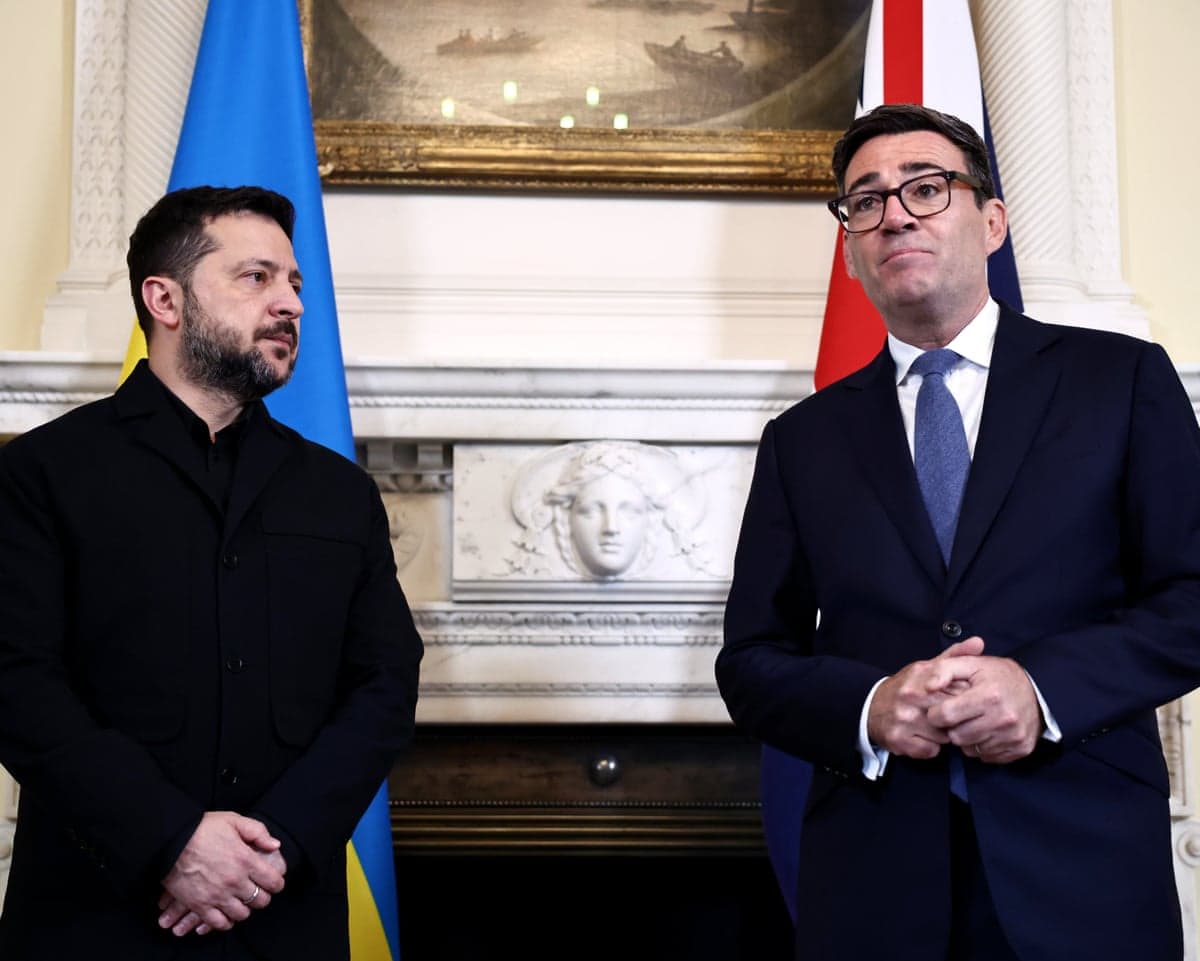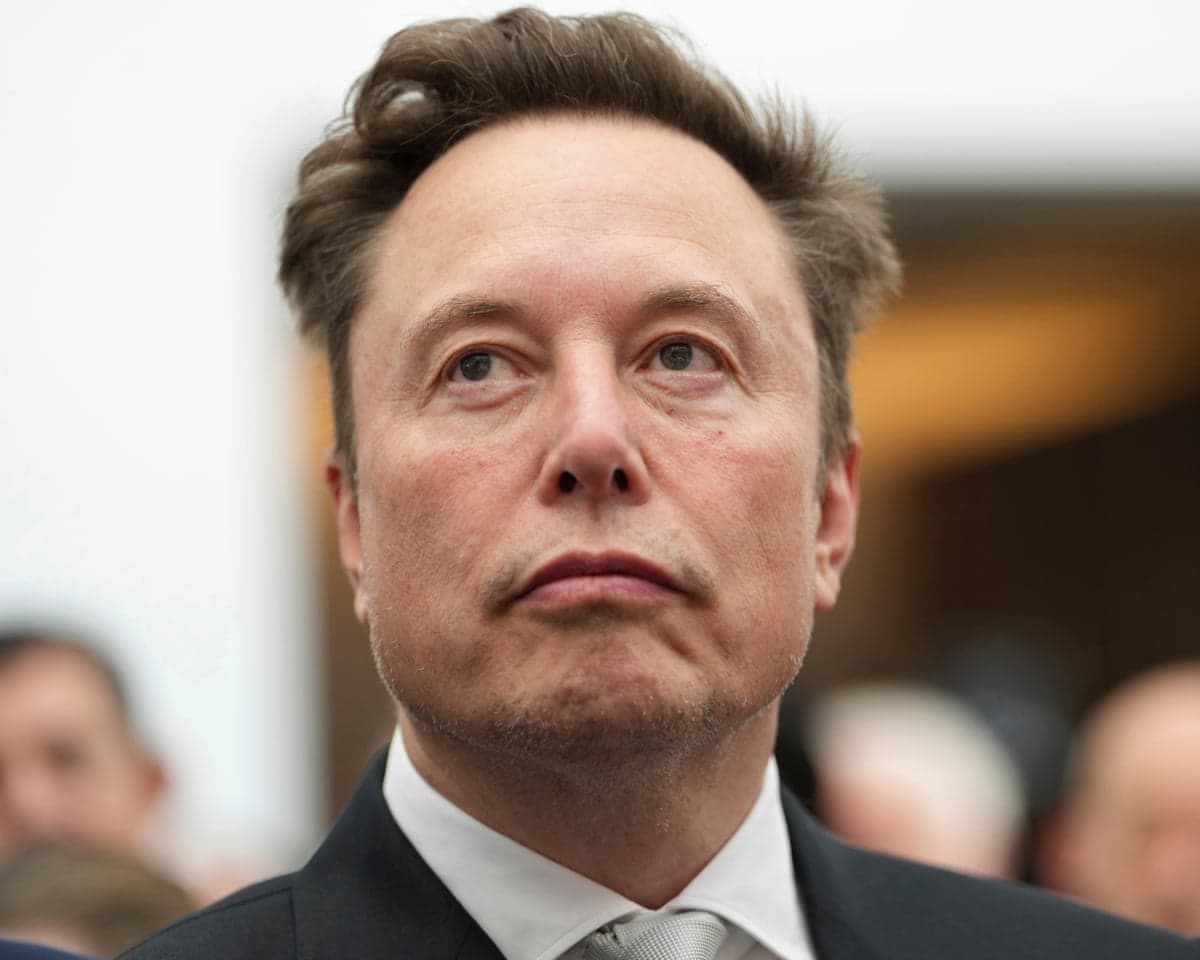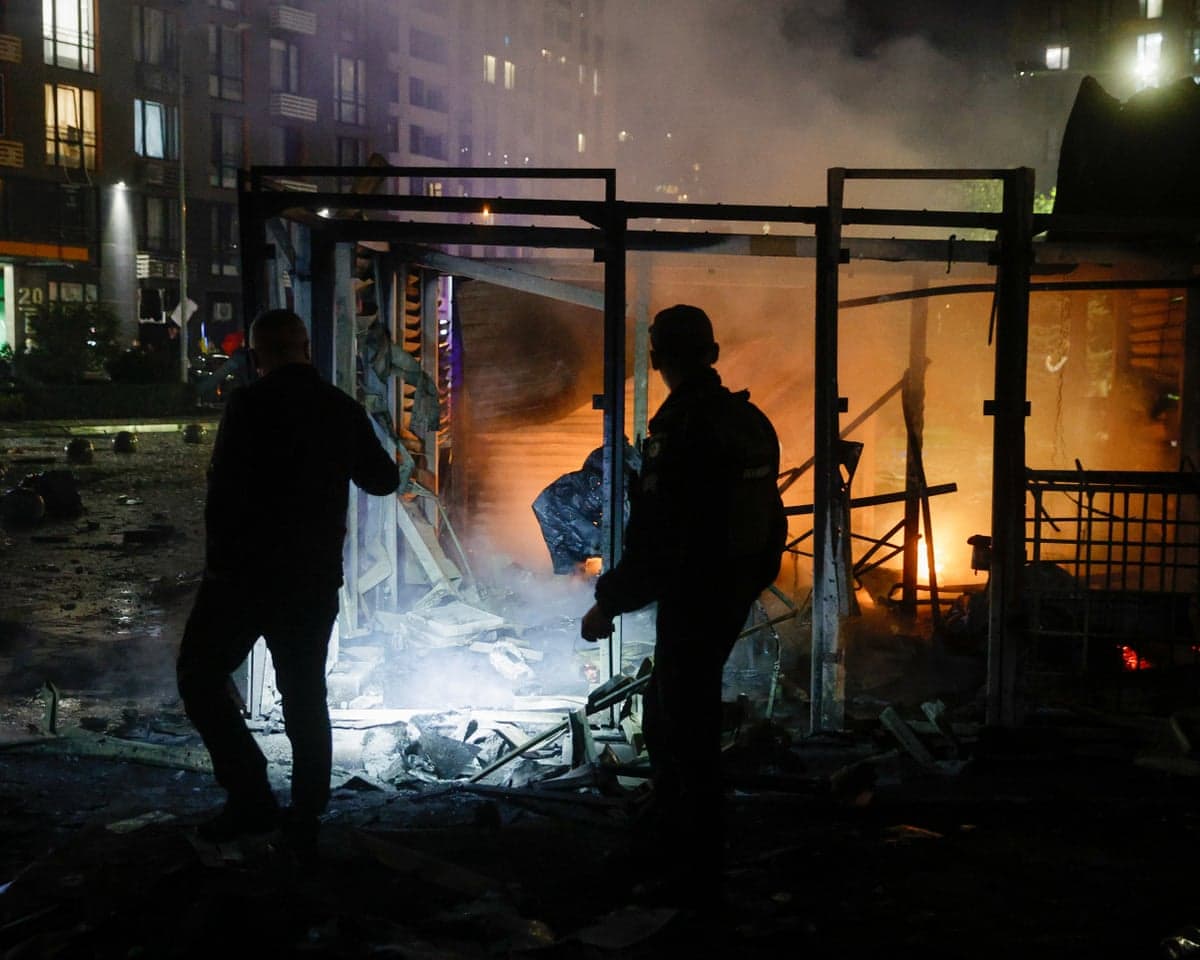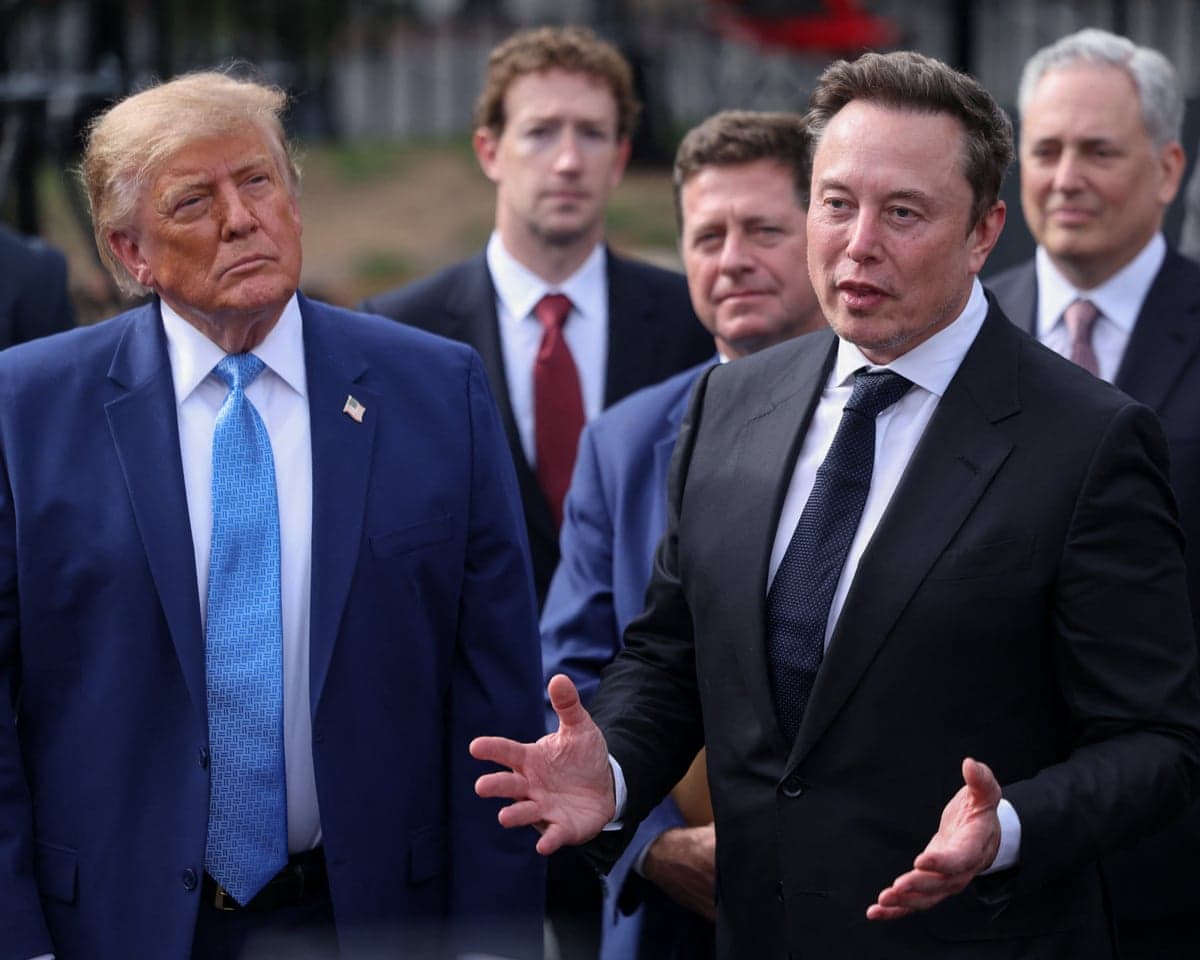
Billionaire entrepreneur Elon Musk has suggested that the Trump administration may have ordered restrictions on SpaceX's Starlink satellite service used by Ukraine's military, intensifying a diplomatic row between Washington and Kyiv over critical defence technology. The allegation comes as Ukraine grapples with operational challenges caused by speed limitations on Starlink terminals, and as President Zelenskyy has expressed feeling "betrayed" by recent US policy decisions affecting the country's defence capabilities.
What restrictions has Starlink faced?
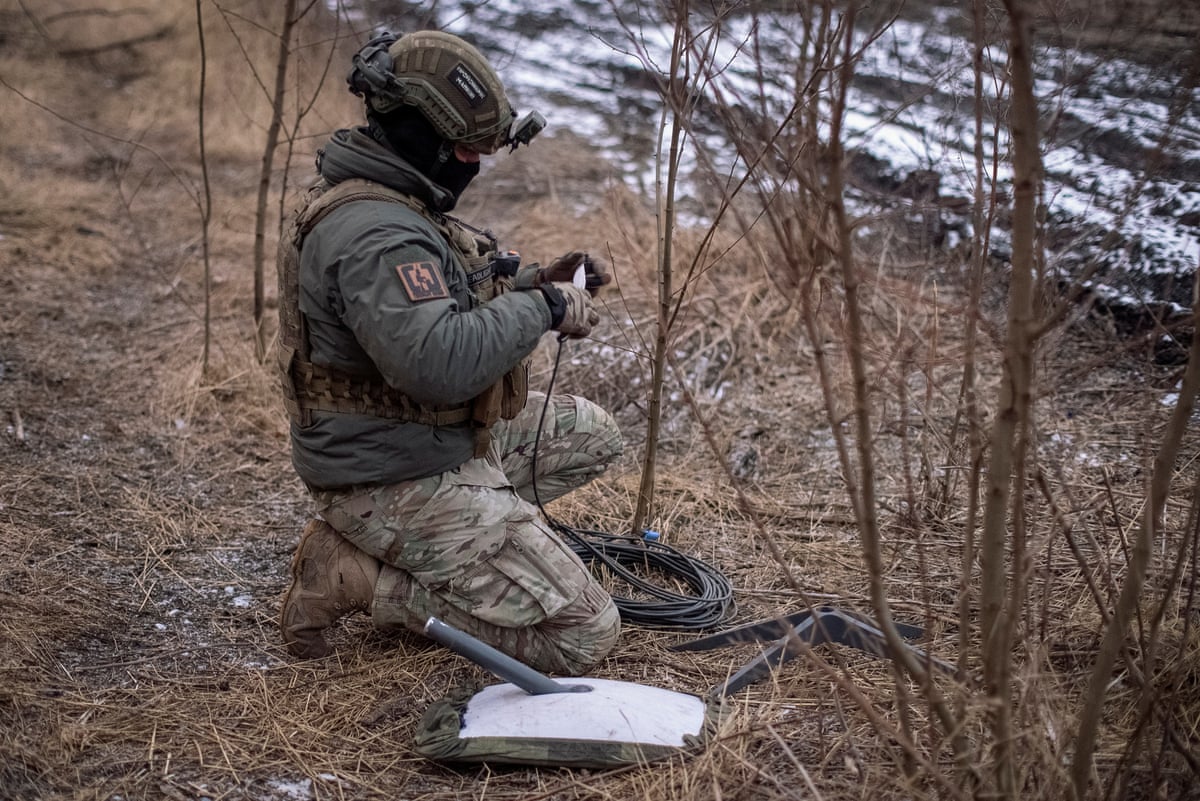
Ukraine's military has reported significant operational difficulties following speed limitations imposed on Starlink terminals. According to reports from US media outlets, Ukraine's defence technology adviser Serhii Beskrestnov stated that the speed limits caused several military missions to fail, and the 7th Rapid Reaction Corps reported connectivity problems affecting drones controlled in flight. The restrictions appear to have affected terminals moving at speeds above a certain threshold, limiting their use in mobile military operations.
However, there are indications of potential relief. Ukraine's former defence minister Mykhailo Fedorov said that Starlink connectivity for terminals moving up to 160 km/h was being restored, though military officials had not yet confirmed the restoration as of Thursday, 15 October 2026.

Who is responsible for the restrictions?
Musk has claimed that responsibility for any Starlink limitations rests with the US government rather than SpaceX. In posts on X, he stated that
Starshield systems are owned and controlled by the US government. Any limits on speed or usage are decided by the US military and ultimately POTUS. Starlink is a commercial service owned and controlled by SpaceX. Usage of Starlink is limited to civilian or defensive activities and cannot be used for offensive military action, as doing so would be inappropriate for a commercial company.
Musk's comments appeared to implicate the Trump administration in the decision. The entrepreneur went further in subsequent posts, reacting to Zelenskyy's recent statements about his relationship with the incoming US president, and appeared to suggest that Zelenskyy should step down from his position, stating it was
time to go.
The Trump administration has denied involvement in restricting intelligence sharing with Ukraine. However, according to reports from major US news organisations, a former US official indicated that military operations crossing into Russian territory require explicit US permission, suggesting conditions do exist on certain forms of support.
What has Zelenskyy said about US support?
In a television interview with broadcaster Piers Morgan, Zelenskyy expressed that he felt
betrayedby Trump's decisions and worried about
losing a strong partnerplaying a critical role across Ukraine's defence. In a separate interview with a US broadcaster aired on Wednesday, Zelenskyy stated that military advisers had received threats from the US that intelligence sharing could be limited in the future, even though the Trump administration has publicly denied cutting such sharing.
How does this reflect Europe's vulnerability?
The Starlink restrictions have exposed a fundamental dependency that Ukraine and its European allies face regarding American technology. Europe currently lacks ready-made alternatives to Starlink that Ukrainian soldiers could attach to their drones, despite European governments and companies working on long-term options. Similarly, Ukraine relies on the US Space-Based Infrared System for early missile warnings, a capability that no European system can currently replicate.
This technological gap has created market opportunities for European providers. Shares in European satellite operator Eutelsat rose on Wednesday following news of Ukraine's difficulties, fuelled by investor expectations that European companies could benefit from growing tensions between Washington and Kyiv. The situation underscores the continent's strategic vulnerability to decisions made in Washington.
What is Poland's position on the dispute?
Poland has emerged as a vocal critic of Musk's role in the controversy. Poland's foreign minister Radosław Sikorski directly challenged Musk, questioning whether he was
playing politicswith Starlink. Poland has emphasised that it pays for Ukraine's Starlink subscription, suggesting that commercial arrangements should not be subject to political interference. Musk has previously stated that Starlink would not turn off its terminals in Ukraine or use the service as a bargaining chip, despite disagreeing with aspects of Ukraine policy, though recent events have raised questions about the consistency of that position.
What happens next?
Ukraine has contacted both the US government and SpaceX seeking an explanation for the restrictions. As of the latest reports, it had not received a response to these inquiries. The issue is expected to feature prominently in discussions among EU leaders meeting in Brussels on Thursday and Friday, 15 and 16 October 2026. While Thursday's agenda focuses on internal EU matters including the bloc's next budget, Ukraine is scheduled to join other leaders in Brussels on Friday. The ongoing crisis in Ukraine's relations with the US risks overshadowing the entire meeting and shaping European discussions about the continent's strategic autonomy and technology independence.