

Independent MPs staged a colourful protest inside Parliament House on Tuesday, wearing merchandise emblazoned with slogans such as "debt365", "sportsdebt" and "ladsbroke" as debate on the government's gambling advertising bill stretched late into the evening. At the same time, Tasmanian independent Andrew Wilkie confirmed he had written to the National Anti-Corruption Commission alleging that individuals within the federal government had been "improperly influenced" by private sector figures when drafting the legislation. The commission, which is independent and under no obligation to act on any referral, had not indicated whether it would examine the claim.
What did the teal independents do and why?
Several crossbenchers turned up to a doorstop outside the chamber dressed in sporting-style T-shirts mocking gambling brand names, part of a sustained push to convince both the government and opposition to adopt tougher restrictions on gambling advertising. It was not the first outing for the tees, but Tuesday's display was larger, with staffers and volunteers also wearing the merchandise around the building. The independents have lodged numerous amendments to the gambling bill, though most are expected to be rejected once the Coalition and Labor settle on their own compromise.
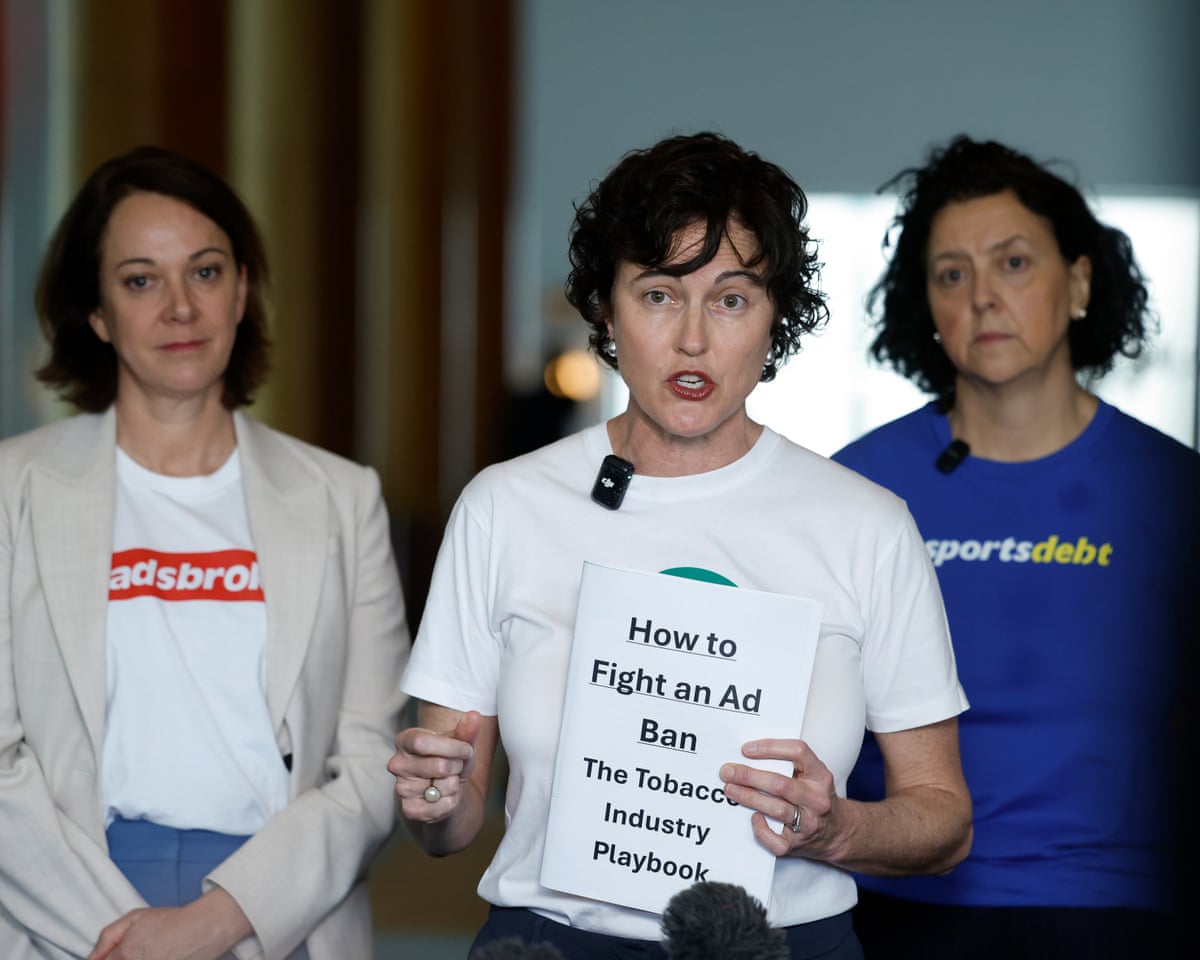
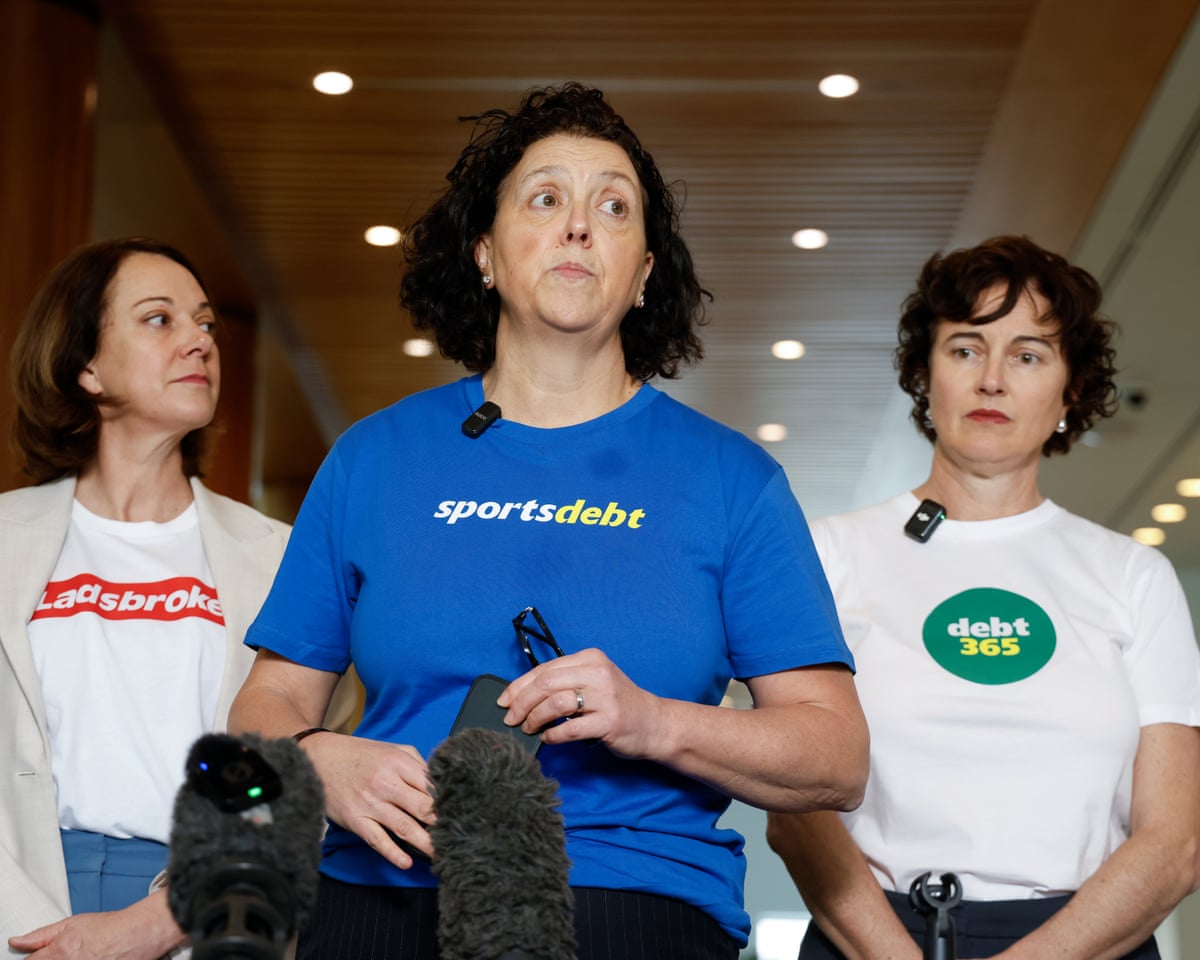
The protest echoes an argument independent MP Kate Chaney made earlier this month, when she accused Anthony Albanese of repeating gambling industry talking points on advertising reform rather than following the recommendations of the Murphy inquiry.
What exactly has Andrew Wilkie alleged?
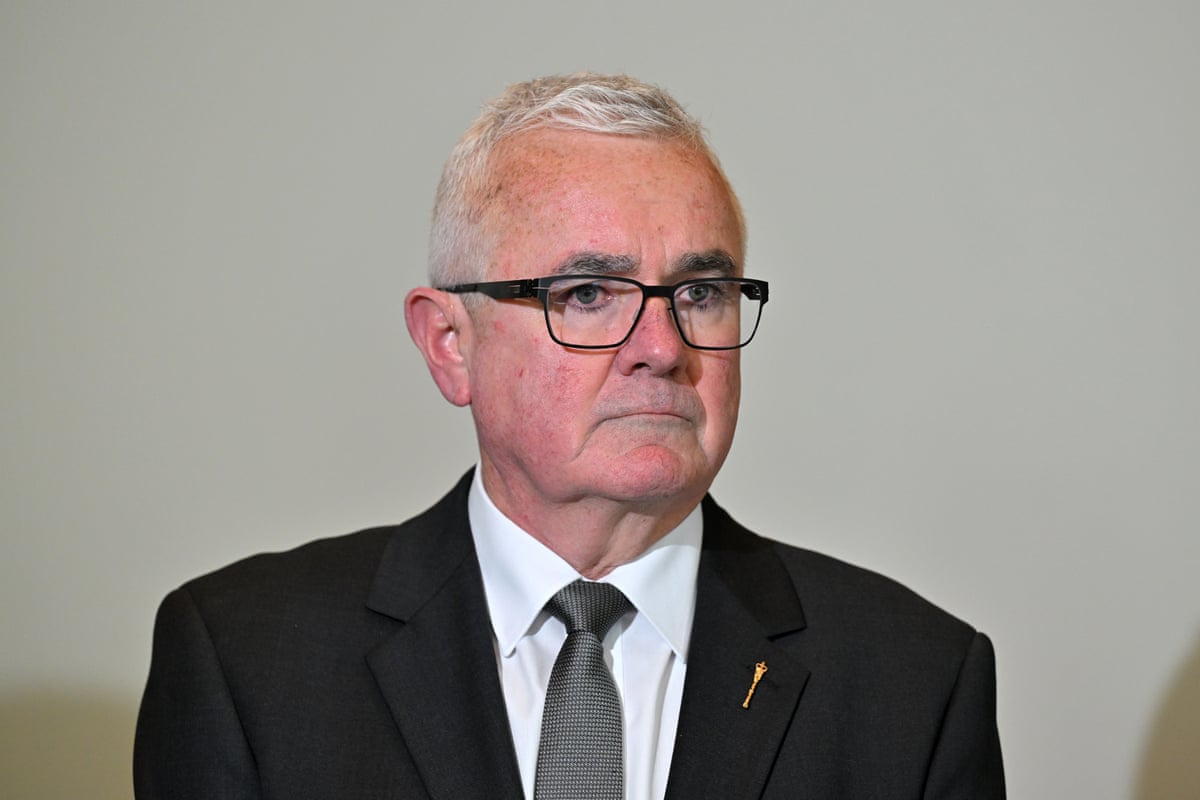
Wilkie said he had referred concerns to the National Anti-Corruption Commission that "individuals in the Federal Government", when shaping gambling reform policy, had been swayed by private interests "most obviously but not exclusively through donations, gifts, hospitality and personal relationships". He stressed he was not accusing any specific person by name.
This has resulted in policy so clearly at odds with research, public opinion and the public interest, that the implementation of such policy could be characterised, in my opinion, as serious corruption in the Commonwealth public sector.
Wilkie attached a newspaper article detailing sizeable donations Labor had received from betting companies to support his case. He acknowledged that governments are entitled to accept donations, be lobbied and set their own policy, but argued that in this instance "individuals in the Government are acting so egregiously in response to individuals in the private sector that all reasonable limits on government behaviour have been exceeded".
If this doesn't 'cross the line', then I dread to think what would.
The office of the communications minister, Anika Wells, was contacted for a response to Wilkie's allegations.
Has Wilkie raised these concerns before?
Wilkie's suspicion of the major parties' closeness to the gambling industry is longstanding. He famously withdrew his support for Julia Gillard's minority government in 2012 over a broken commitment to introduce mandatory pre-commitment technology on poker machines, having originally backed Labor's minority government in 2010 on the strength of promises to curb problem gambling. Broader reporting has previously described the gambling industry's political donations as a significant source of influence over both major parties' votes and policy settings, according to a national broadcaster's investigation published in 2021.
The issue of harm caused by gambling operators has also featured in parliamentary inquiries this year. Earlier in August, gambler Luke Bateman told a parliamentary inquiry that betting firms had supplied him with cocaine and alcohol and failed in their duty of care, telling the inquiry his addiction had cost him roughly $1m.
How did Helen Haines criticise the bill in the House?
Independent MP Helen Haines used her time in the House of Representatives to attack the government's approach, arguing that partial bans on gambling advertising do not work and can, in some circumstances, increase the number of ads broadcast. She told MPs the evidence in favour of stronger action "couldn't be clearer" and said the bill as drafted "falls so far short of what we know is needed".
Haines said she intends to move several amendments, including one that would ban gambling advertising during all G-rated programming. She also wants gambling operators legally required to collect and publicly disclose harm indicators such as aggregate customer losses, self-exclusion requests and complaints.
It is unconscionable the bill also does not establish a gambling regulator despite the Murphy report identifying a glaring need for a national regulatory framework, overseen by a dedicated body with the sole objective of reducing harm.
So often in this place, we're dealing with problems that don't have an obvious solution. This is not one of those times. The evidence couldn't be clearer. Everyone in Australia, except the gambling companies, and apparently this government knows what needs to be done.
Haines said she had received hundreds of emails from constituents expressing disappointment and outrage that the government would not commit to a complete ban since the bill was introduced.
What happened during the broader House debate on the gambling bill?
The government scheduled the House to sit until roughly 10pm to allow MPs adequate time to debate the gambling legislation, with proceedings effectively in a holding pattern while Anthony Albanese and opposition leader Angus Taylor negotiated a deal on the bill's final form.
Labor MP Shayne Neumann, who served on the committee chaired by the late Peta Murphy that produced the landmark "You win some, you lose more" report, told the chamber he continued to back all 31 of the inquiry's recommendations, even though the government's own bill does not implement several of them, including a ban on inducements and the creation of a national regulator.
This committee has made 31 recommendations that apply a public health lens to online gambling to reduce harm across the whole of the Australian population. I was a member of that committee. I support the 31 recommendations, and don't resile for one minute from those recommendations.
Neumann said the reforms were about "reducing gambling harm and making sure our children grow to love sport for the game, not seeing gambling as an essential part of it".
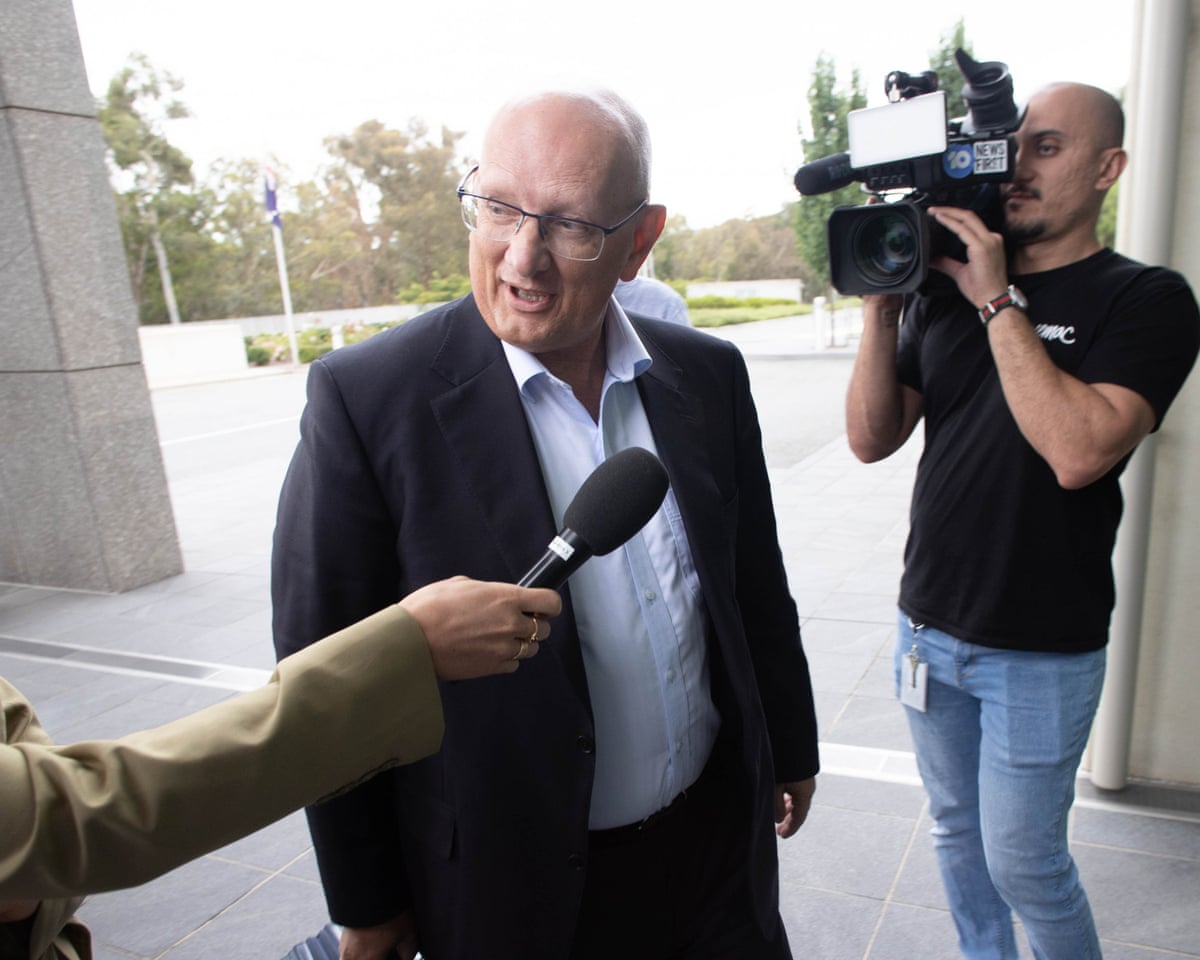
The debate follows months of pressure on the government over its gambling reform package. In July, the prime minister defended the reforms against criticism from Senator David Pocock and other crossbenchers, while earlier this month Chaney's intervention on the RBA's rate decision day kept scrutiny on the government's ties to the wagering industry.
What is Pauline Hanson claiming about migration policy?
One Nation leader Pauline Hanson told News24 that both major parties were now following her lead on migration because "they realise that I'm right in what I'm saying". Her comments came as shadow housing minister Andrew Bragg announced the Coalition would set net overseas migration at 180,000 a year across the forward estimates.

The current permanent migration level sits at 185,000 a year, while net overseas migration in the last financial year was estimated at roughly 295,000. Net overseas migration measures the total number of people entering the country minus those leaving, a figure that is generally harder to predict and control than the permanent migration intake.
They [Labor] brought in 1.5 million people in their term of being in government, and they intend to bring in another 1 million people over the next four years. We can't cope with this. The people are saying it, and that's why now I've set the agenda.
Both the political parties, Labor and Liberal, are pulling back their numbers because they realise that I'm right in what I'm saying.
I'm bringing in 130,000 a year, net migration in the country.
Hanson's stated figure of 130,000 net overseas migration differs only slightly from her party's published position, with One Nation's website stating it would "cap visas at 130,000 per year to ease pressure on housing, wages, and infrastructure".
What is 'melon-gate' and why did Ted O'Brien apologise to Japan?
Shadow foreign affairs minister Ted O'Brien and shadow defence minister James Paterson have called on the Australian Federal Police to investigate the apparent leaking of a diplomatic cable to The Australian newspaper, suggesting officers examine whether the prime minister's office was involved. The demand came even as the Coalition separately expressed "deep regret" to Japan over comments Anthony Albanese made about the Japanese prime minister, despite the cable at the heart of their AFP request suggesting Tokyo did not want to escalate the matter.
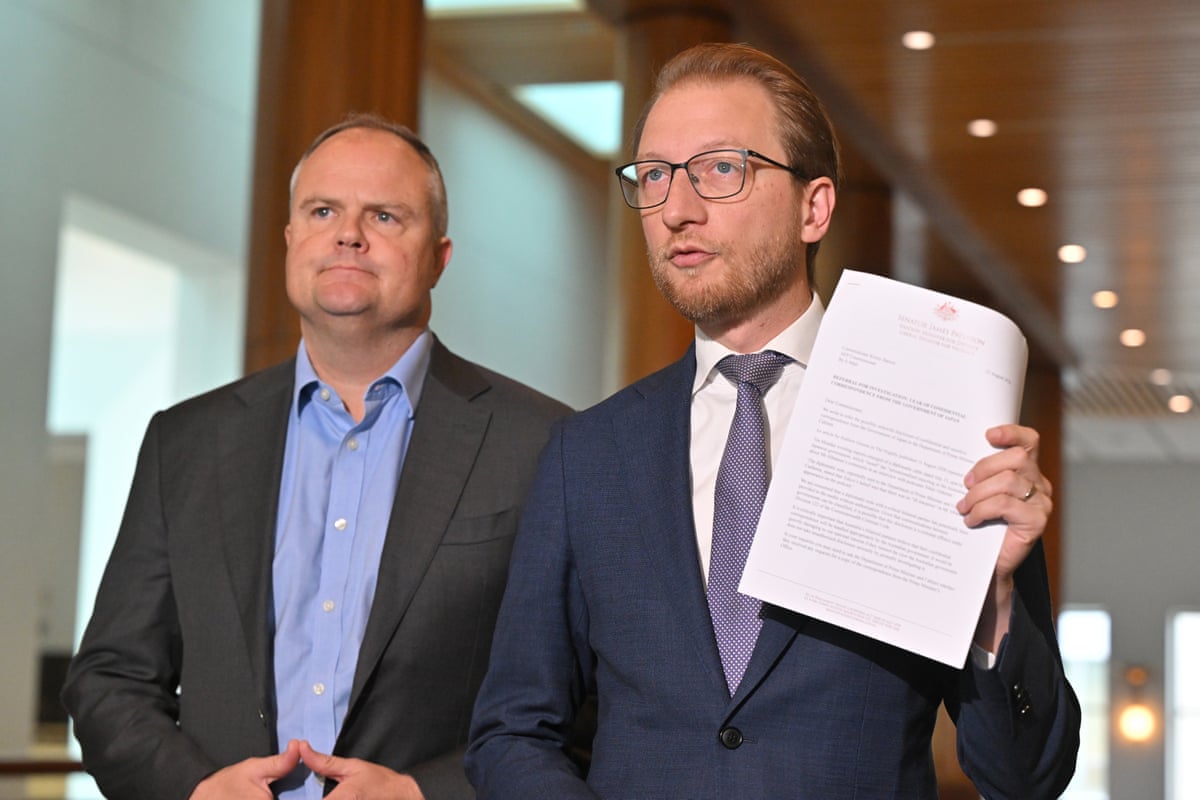
O'Brien said he met the Japanese ambassador the previous evening and "expressed my deep regret of the prime minister's actions", adding he had "no authority to speak on behalf of the government or prime minister, but if I did have such authority, I would have apologised … but I did make that expression to the ambassador".
According to reporting in The Australian, the diplomatic cable in question stated there had been "sensationalised reporting in the Australian media", that Tokyo believed there was no "ill intention" behind Albanese's remarks, and that Japan would take "no action" in the hope the Australian media would "move on". Asked to reconcile the Coalition's public apology with the cable's more measured tone, O'Brien declined to comment on how Tokyo interpreted the situation, before addressing the Japanese-Australian community and visitors from Japan directly, saying "Australia takes our relationship with your country very seriously".
Why did Angus Taylor try to suspend standing orders?
Opposition leader Angus Taylor moved to suspend standing orders in the House on Tuesday morning in an attempt to force the prime minister to apologise over the melon-gate affair. The motion had no realistic chance of success given the government's numbers, but it kept the controversy in the spotlight.
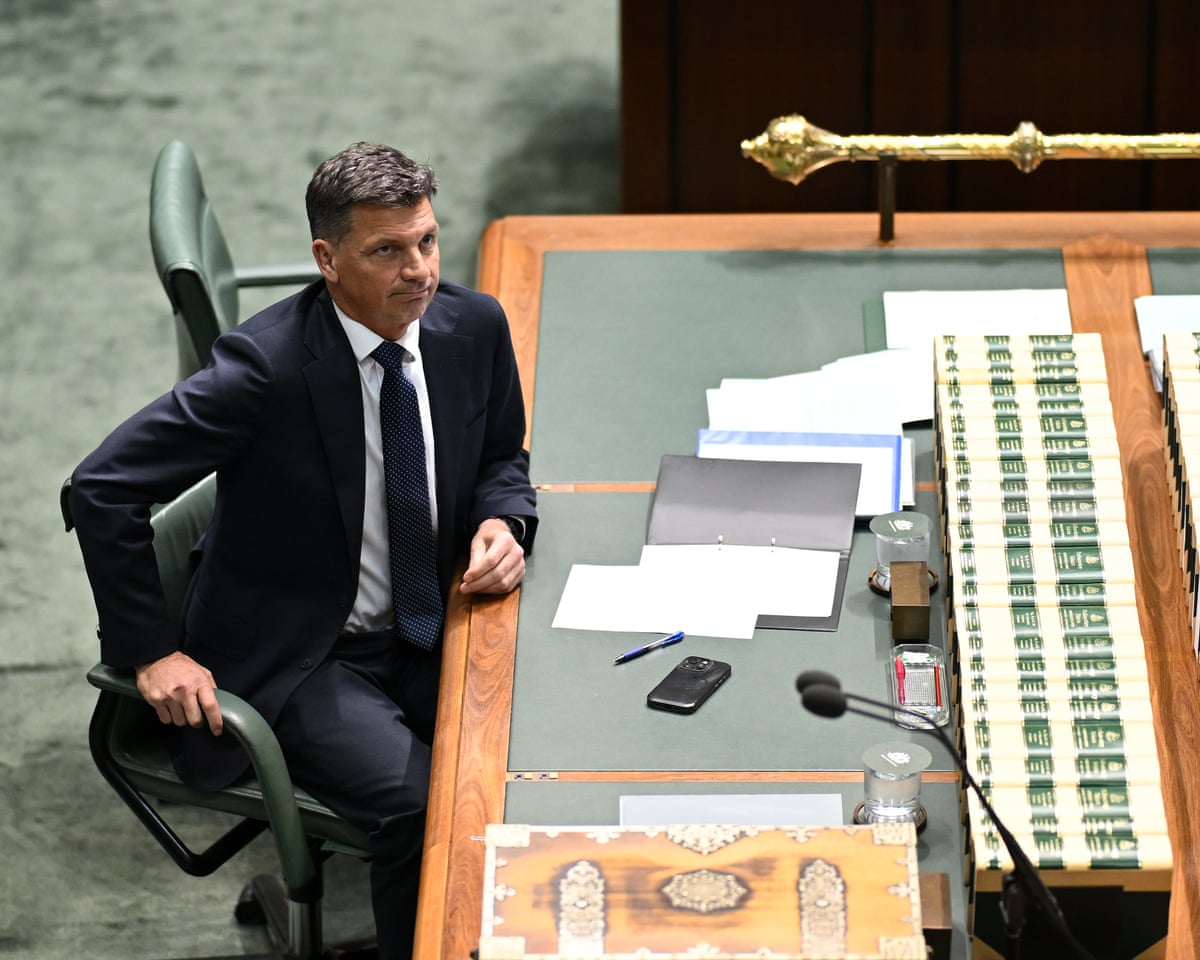
Taylor argued an apology would demonstrate that Albanese, "who is known for his hubris, can be capable of humility".
This prime minister has stuffed up. He has made an egregious error. He had earlier posted on social media and I quote, No matter who you support in politics, it is completely unacceptable to demean, objectify, belittle, or offend women. Oh, really? Nice words.
If this is the standard, the prime minister sets for others, it's the standard he should also hold himself to. I call on the prime minister to pick up the phone and apologise to the Japanese prime minister.
How has the opposition defended referring the leak to the AFP?
Paterson rejected suggestions the AFP referral was politically motivated, telling reporters at Parliament House that a prompt apology from the prime minister would have ended the controversy long ago.
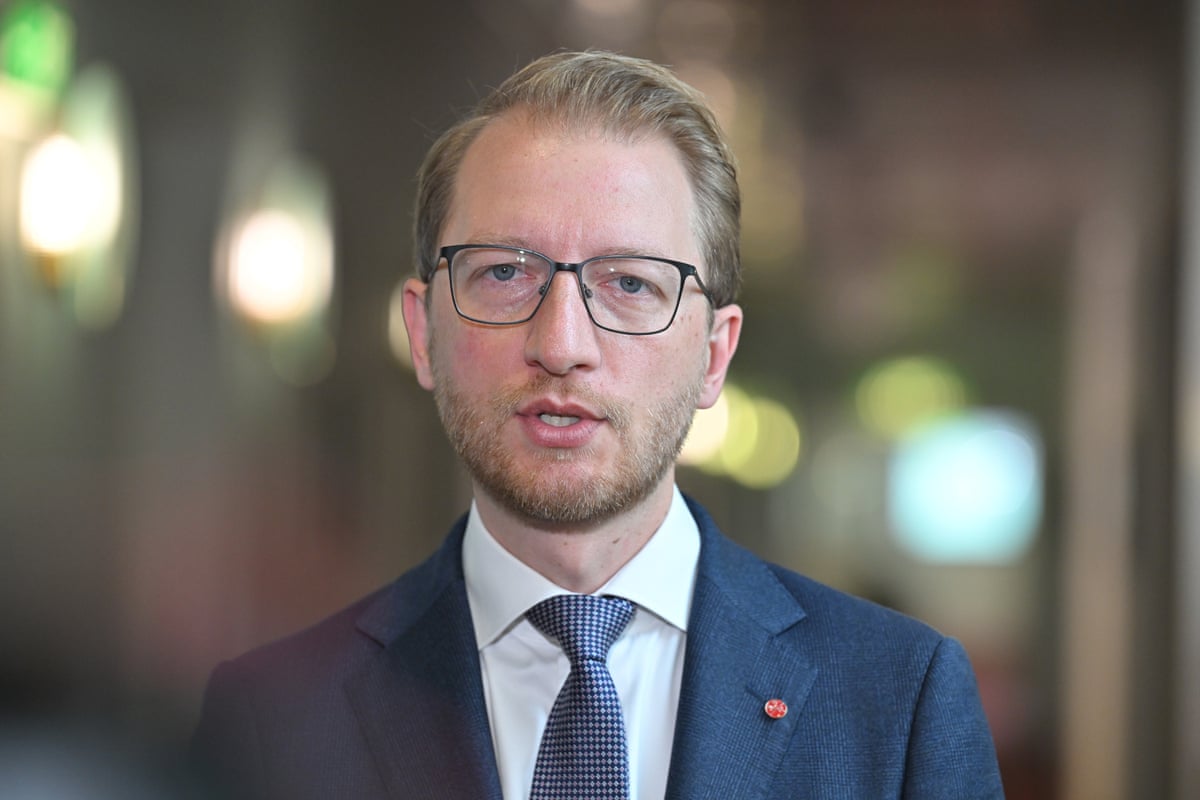
We're still talking about this a month later because the prime minister has stubbornly refused to admit that he got it wrong, and now he's trying to cover his tracks.
It was bad enough to make disrespectful comments about the Japanese prime minister. It is worse, that now the government appears to be leaking confidential correspondence from the government of Japan to the media to try and exonerate the prime minister and downplay the seriousness of what he has done.
Paterson cited past examples of Labor itself referring leaks to the AFP, including messages exchanged between French President Emmanuel Macron and former prime minister Scott Morrison.
In Senate estimates, senator Katy Gallagher pursued the government about whether or not there had been an AFP referral into that apparent leaking of those messages. So Labor can't have it both ways. It's either always wrong for confidential communications from our allies to find their way into the media, or it's wrong only when their political opponents do it, not they do it.
Why is Victoria vaccinating thousands of little penguins?
Victoria will begin vaccinating approximately 5,000 little penguins at Phillip Island and St Kilda from next week to guard against the H5 strain of bird flu, in what is believed to be the largest vaccination program of wild birds ever undertaken anywhere in the world.
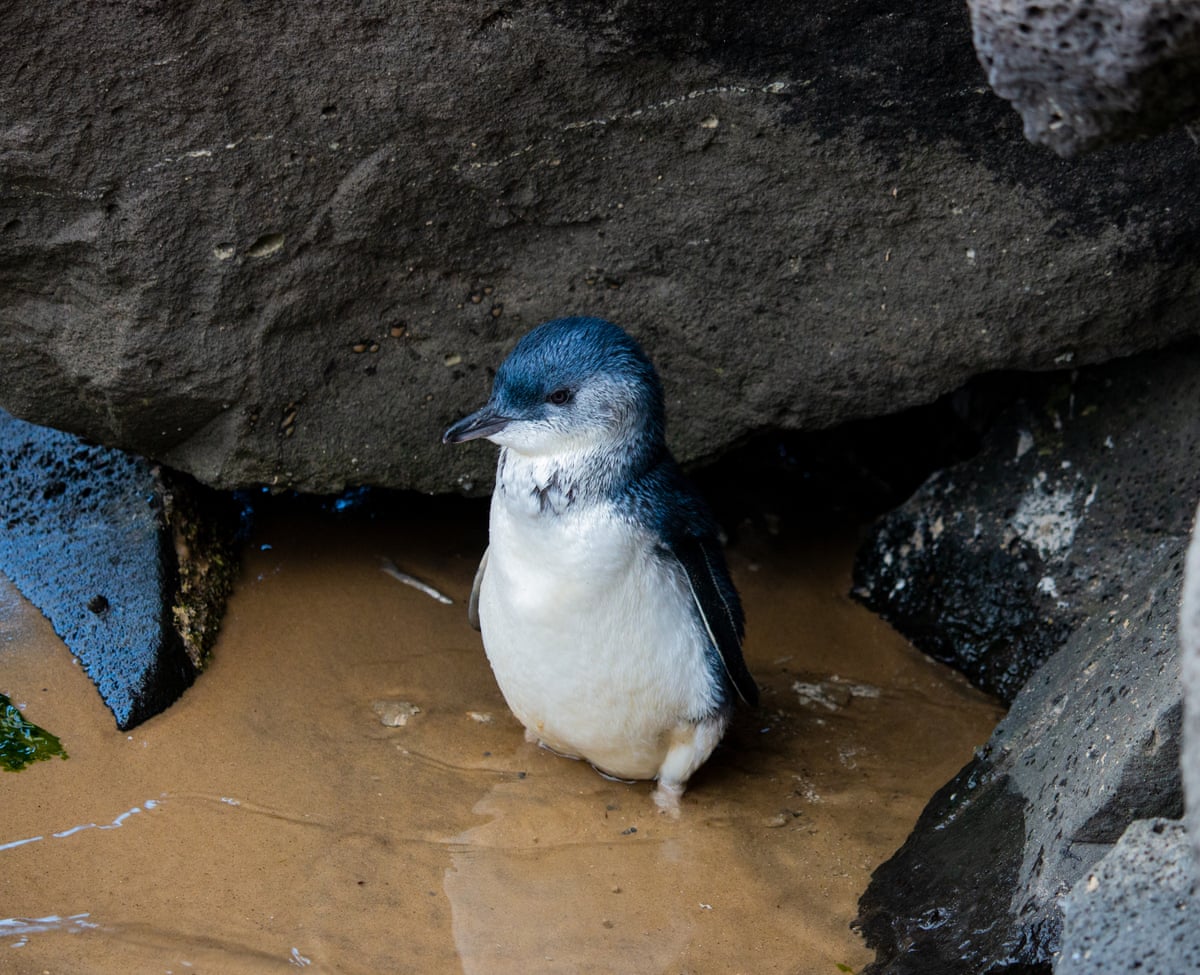
Vaccinating wild birds is normally difficult, but because the penguins return to their colonies at Phillip Island and St Kilda each night, authorities can administer the two required doses over a fortnight. Victoria's environment minister, Jaclyn Symes, said the state could not stop H5 bird flu circulating among wild birds but could take practical steps to protect vulnerable, iconic species.
We can't stop H5 bird flu circulating in wild birds, but we can take practical steps to protect vulnerable species like our little penguins from its impacts.
We know how people love little penguins, we know how iconic they are to Victoria.
Catherine Basterfield, chief executive of Phillip Island Nature Parks, said trials conducted so far had shown no adverse effects on the birds, describing the scale of the program as a world first for wildlife vaccination. The doses, supplied by the federal agriculture department, will cover only a fraction of the roughly 40,000-strong penguin population and are being held at Phillip Island pending final regulatory approval, expected early next week. Birds will be microchipped as they are vaccinated.
James Todd, the state's chief biodiversity officer, cautioned that vaccination is not a "silver bullet" and would not be a viable option for many of the hundreds of other species vulnerable to the virus. The program follows the detection of a positive H5 bird flu case on a rocky section of Phillip Island, although no infections have yet been found among the little penguins themselves.
What did Australia sign with the US, UK and other nations on missile testing?
Australia has joined the United States, the United Kingdom, France, Germany, the Philippines and dozens of other countries in a joint statement calling on nations to give advance notice before conducting ballistic missile launches. In total, 40 countries signed the statement, though only a small number of Pacific nations — including Palau and the Marshall Islands — were among the signatories.
The statement follows a series of recent missile launches in the Pacific, including a ballistic missile test by North Korea and a nuclear-capable missile test by China last month. It calls for 24 hours' notice ahead of the launch of intercontinental ballistic missiles, submarine-launched ballistic missiles and space launch vehicles.
Conducting nuclear-capable ballistic missile tests without sufficient advance notice and detail is dangerous and disrupts the peace and security of relevant nations in proximity to these tests.
It increases the risk of miscalculation, undermines global stability and security, and is incompatible with the responsibilities that come with possessing long-range missile capabilities.
Why did Victoria abolish group voting tickets?
Victoria's parliament voted to scrap group voting tickets for its upper house, ending the state's status as the last Australian jurisdiction to use the system. Under group voting tickets, voters could choose only one party above the line, with that party then controlling how preferences flowed if its candidate was eliminated during counting.


