New Zealand elected a new government on Saturday as fog enveloped Wellington, yet the atmosphere reflected the grey weather—subdued and uncertain. According to BBC News, voters expressed widespread apathy and exhaustion with politics, with many describing themselves as tired and disillusioned. The election delivered a historic result: preliminary figures showed Labour narrowly ahead of National in the party vote at 29.36% to 29.21%, leaving neither major party with a clear mandate.
The mood on the streets captured a deeper malaise. A 21-year-old voter described the atmosphere as "pretty flat" with "apathy and a bit of dread," while others admitted to feeling tired or even declining to vote at all. One resident noted that Wellington, though a bubble of discontent, reflected a pervasive national sentiment: faith in politics has collapsed, and large portions of the population no longer believe in New Zealand as a land of opportunity.
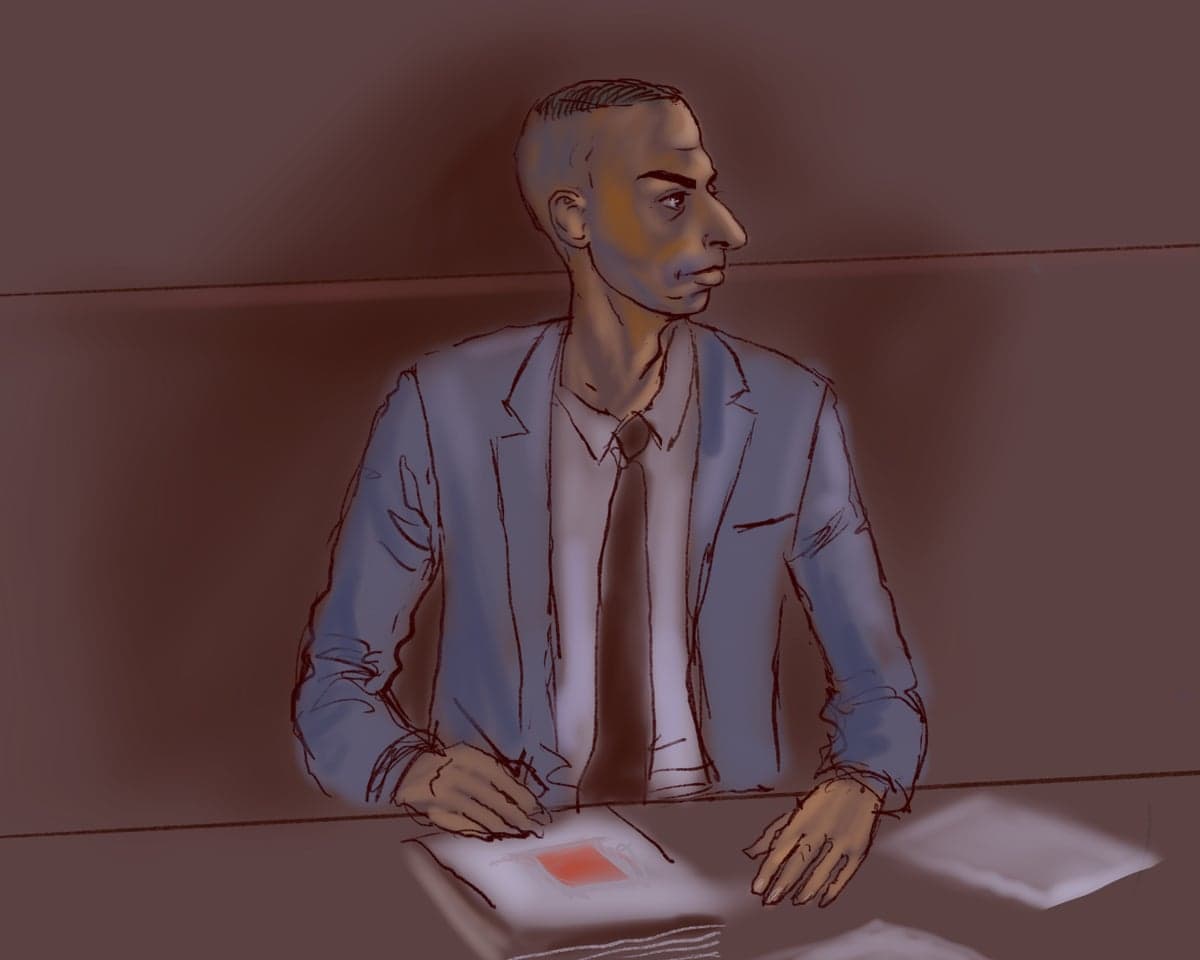
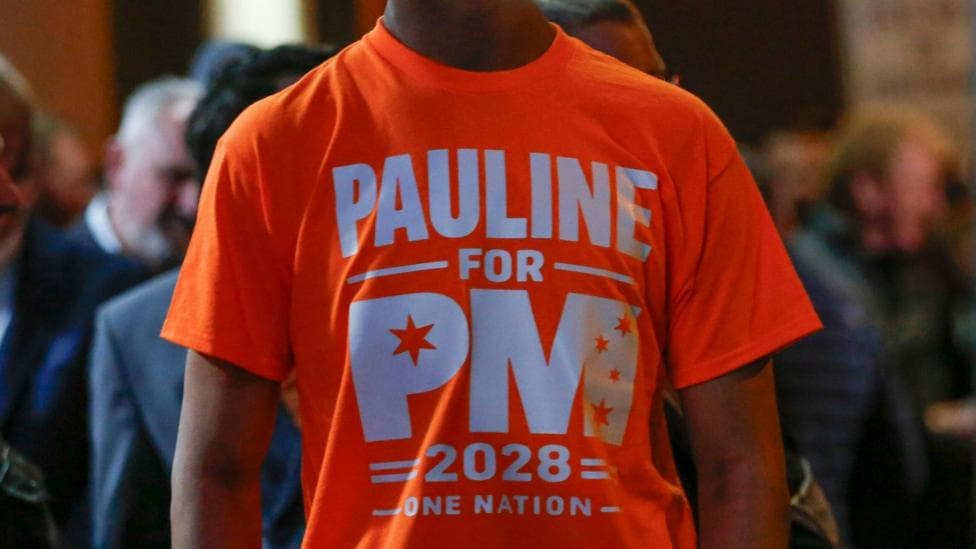
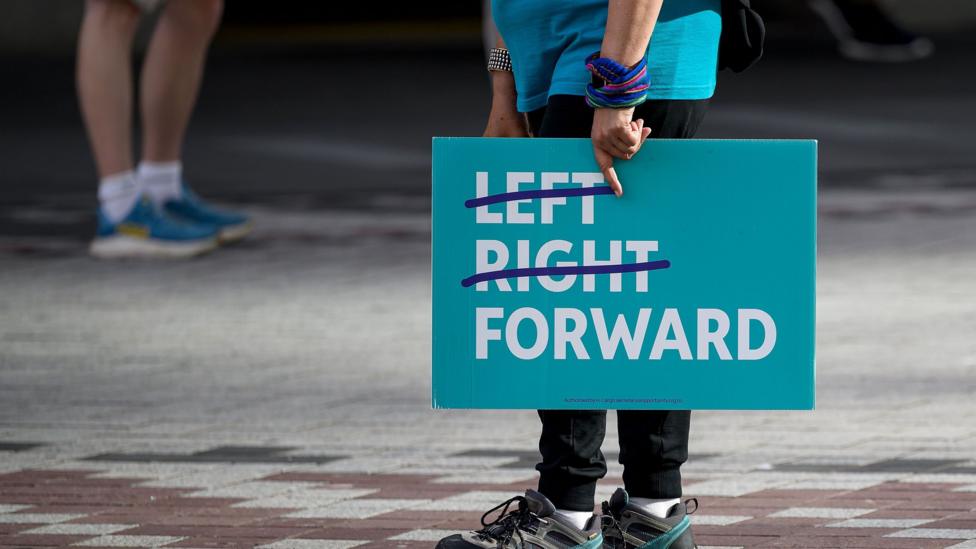
The election saw record numbers of voters abandon the two major parties, instead backing smaller parties across the political spectrum. The left-leaning Greens, the right-wing libertarian Act Party, and the centrist Opportunity Party all achieved new highs. Most dramatically, Opportunity secured approximately 6% of the party vote, projecting seven MPs and becoming the first party to enter Parliament under the Mixed Member Proportional system without a former sitting MP. The party's leader, Qiulae Wong, declared on election night:
You have voted to change New Zealand politics for good. I personally came into this because I was frustrated at the slow pace of change.Wong, 38, was born in Fiji, raised in Auckland, and returned to New Zealand in 2022 after nine years in Britain. The projected seven Opportunity MPs include deputy leader Daniel Eb, Jessica Hammond, Kayla Kingdon-Bebb, Eden Skipper, Jodie Kuntzsch and Sarah Lucas.
Coalition negotiations are expected to dominate the coming weeks. Wong indicated she would first negotiate with whichever party holds the most seats, while Opportunity considers whether to join a coalition, offer confidence-and-supply support, or operate from the crossbench. The Electoral Commission is due to declare official results, including special votes, on 27 November.
Why has voter confidence collapsed?
New Zealand once stood as a beacon of prosperity and contentment. For decades, the nation was regarded as a land of milk and honey for those willing to work, with its citizens ranking among the world's most optimistic. According to University of Auckland Professor Robert MacCulloch, a leading researcher in happiness economics, the country offered the essential ingredients for a satisfying life: rewarding careers, quality healthcare, and strong family networks.
The lifestyle was good. You weren't the highest paid, but you could get by nicely.
That foundation has crumbled. Recent research found that more than half the country no longer views New Zealand as a land of opportunity, while a similar proportion fears the future looks even bleaker. Many citizens believe the economy is in freefall, employment is scarce, the cost of living has become unaffordable, the sense of community that once defined national identity is fragmenting, and genuine policy solutions remain elusive.
The deterioration accelerated sharply during the Covid pandemic. Unemployment has reached an 11-year high and continues rising. For those under 24, conditions are the worst in three decades: one in three young people either cannot secure sufficient work or have no employment at all.
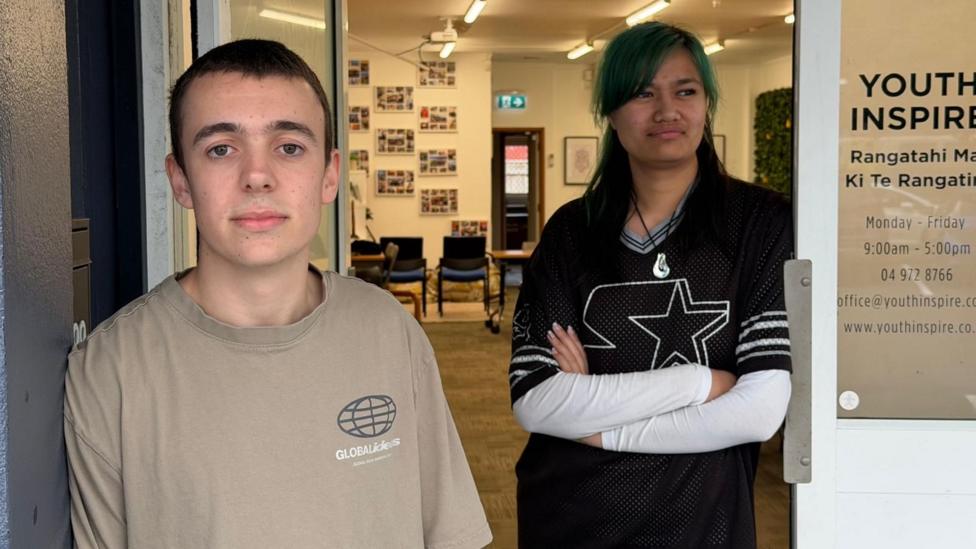
Michael Dawson, 20, followed the prescribed path—completing school, studying a trade, obtaining qualifications—and applied for dozens of positions. Yet after a year of searching, he has not received a single interview.
It has sucked. A lot... I'm somewhat cynical with the way I think [about the future] now,he says. Zainab Ali, chief executive of Youth Inspire, a support service, reports unprecedented demand for employment assistance, with waiting lists for workshops stretching into the hundreds. The young people who attend are visibly disheartened.
The things we used to hear from everyone's grumpy uncle around the Christmas table sometimes, our young people are now starting to give us that same feedback: like, 'What's the point?'
Beyond employment, households face mounting pressures. Electricity bills have surged, partly due to global supply disruptions. New Zealand remains among the least affordable places on Earth to rent or purchase a home. High inflation means every dollar stretches thinner. Despite producing enough food to feed its population eight times over, about a quarter of adults skip meals because supermarket prices—controlled by a duopoly—rank among the developed world's highest.
The healthcare system is in visible crisis: lengthy waiting lists, chronic understaffing, deteriorating infrastructure, and climbing patient costs dominate headlines. One death crystallised the system's failure: a man collapsed in an emergency department toilet after waiting nine hours in July.

Political scientist Luke Oldfield from Victoria University of Wellington observes that
There's a segment of the population that are facing real material hardship... and then there's another segment of New Zealanders that are quite anxious that they could be next.Increasingly polarised public debate—centred on Māori rights and the Treaty of Waitangi, healthcare for LGBT+ people, and immigration—has intensified the mental burden on affected communities. Dr Lara Greaves, who studies Indigenous politics, notes:
There's been a few groups feeling like they're being used as a political football.
This convergence of crises is driving an exodus of historic proportions. Approximately 180 people leave New Zealand every day—a record-breaking departure that is fracturing families, hollowing out communities, and depleting talent pools. Siblings Sam and Emily told the BBC they love their country but struggle to find reasons to stay as friends depart en masse and their parents consider relocating to Australia.
It's not just that you're being rewarded for going to Australia, it's that you're kind of actively being punished for staying here,Sam explains.
Is there any optimism left?
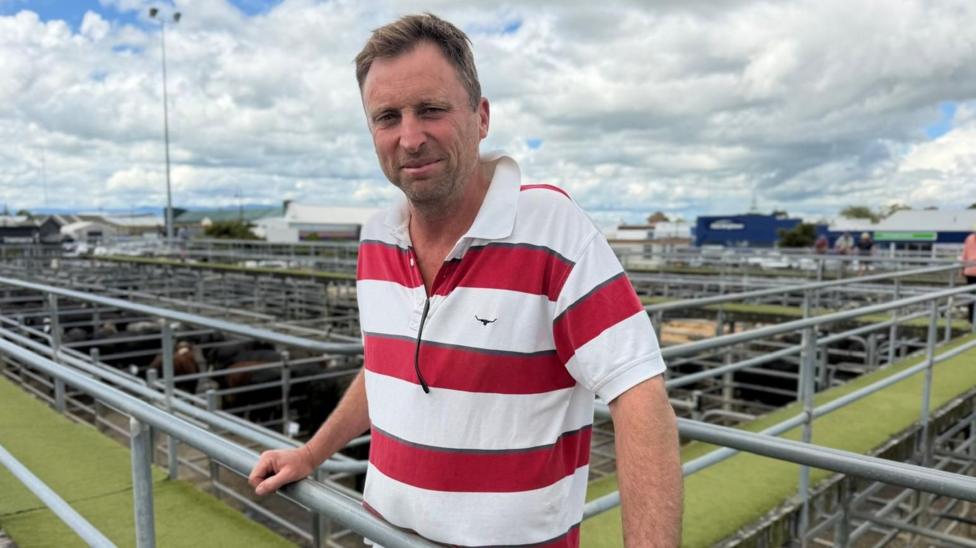
Not all regions share the prevailing gloom. At New Zealand's largest livestock saleyard in Fielding, where farmers converge from across the island, agricultural worker Stu Morton, with 30 years of experience, reports that last year was his best on record. The cattle industry, which comprises about 3% of New Zealand's GDP, had struggled under the previous Labour government's emissions reduction scheme but has recovered under the National Party. Morton believes broader economic recovery will follow.
We've been through those times where you're questioning 'Where's the future?' What helps is having a stable government... [and] it comes down to a positive attitude - appreciating that what you've got is actually okay.
How did the major parties lose public trust?
Many of New Zealand's challenges reflect global trends, and living standards remain superior to many nations. Yet their cumulative effect has corroded the nation's sense of self. Helen Clark, prime minister from 1999 to 2008, tells the BBC:
It leads to a crisis of confidence about what New Zealand is and where it's going.Her foundation surveys New Zealanders annually on social cohesion. The latest report reveals that citizens—particularly young people—feel far more isolated than a generation ago, attitudes toward multiculturalism are hardening, and hope is fading.
Trust in institutions has plummeted alarmingly. Only two of five New Zealanders trust the government to act in their interest, while fewer than half trust the courts.
There's a feeling that, really, there's no-one who cares,Clark observes.
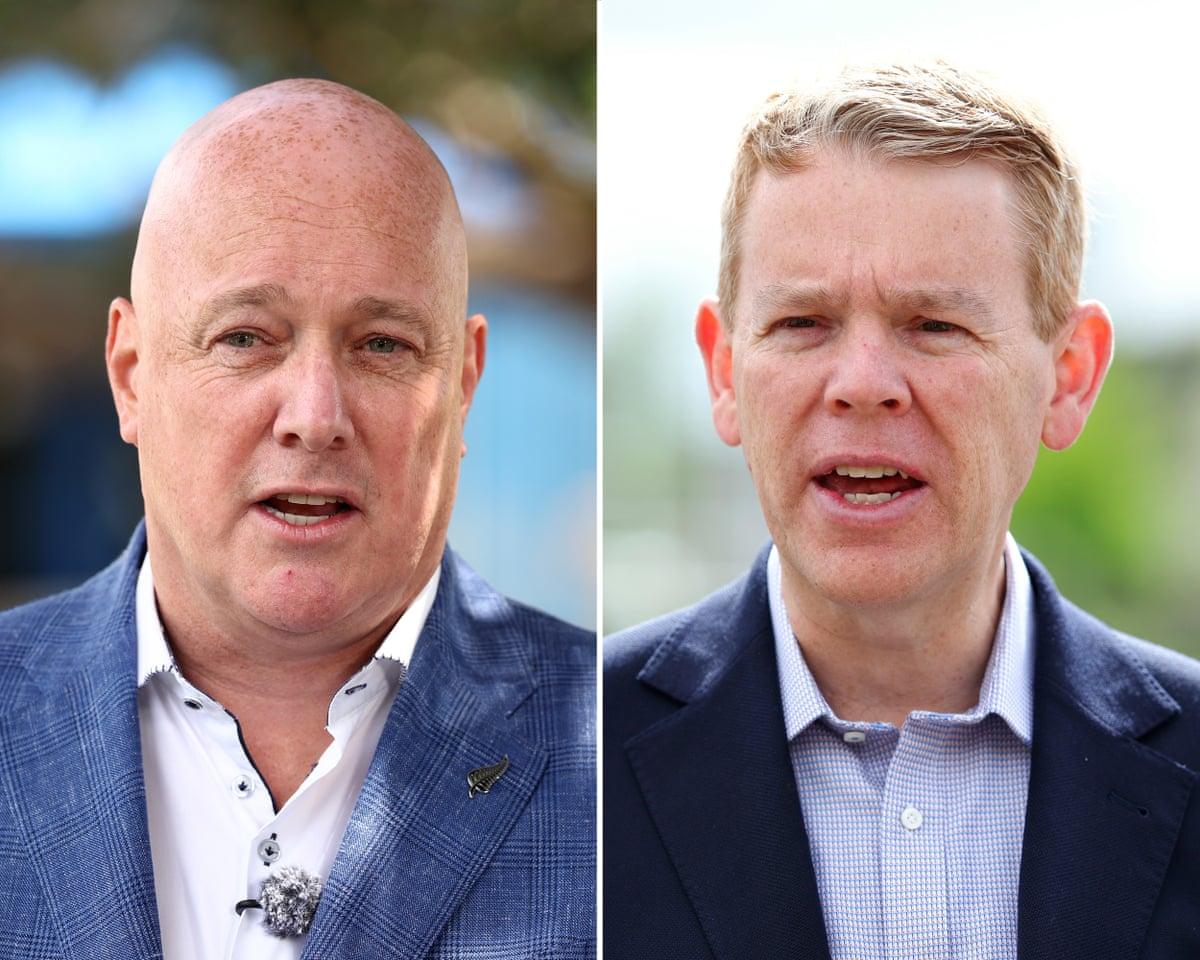
The Labour Party, led by Jacinda Ardern when elected in 2017, promised transformation on healthcare and housing. Those pledges were never realised, and her successors have wound back her achievements. Her legacy is dominated by polarising Covid decisions, as is that of Chris Hipkins, who served as health minister before his eight-month tenure as prime minister following Ardern's resignation.
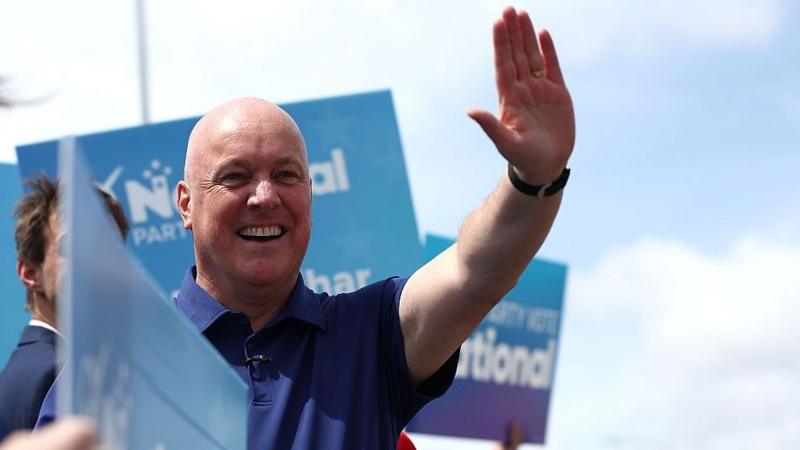
The National Party assumed power in 2023 vowing to "get our country back on track" and rebuild the economy. Political commentator Grant Duncan assesses their performance bluntly:
You'd have to say they've had very limited success. And the Luxon government can only blame the previous government for so long.National delivered its promised education overhaul, but the defining moment of their tenure was the massive hikoi—a protest march led by Māori—against their coalition partner's unpopular bill to redefine the Treaty of Waitangi. Additionally, Prime Minister Christopher Luxon fought off two leadership challenges in the past six months.
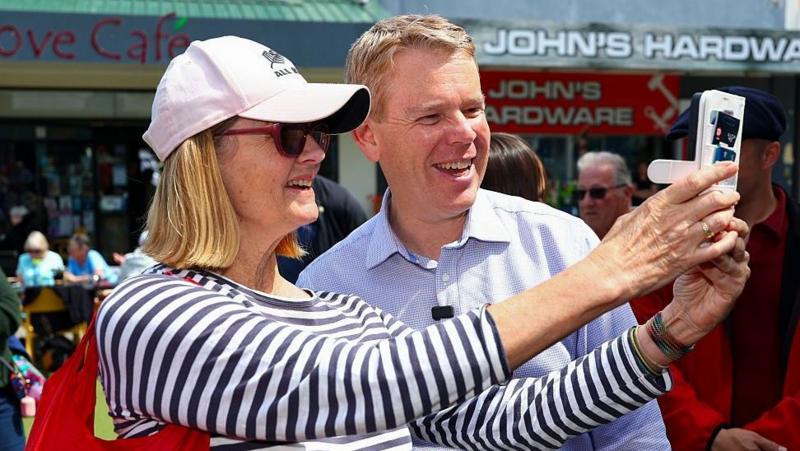
A pattern emerges: Labour appeared to harbour excessive ambition, much of it costly and unfulfilled, while National lacked sufficient vision, spending much of its energy managing internal conflict. Both governments blame external crises—Covid, the Iran war, US trade antagonism—for thwarting their plans. Duncan dismisses this reasoning as unconvincing with voters. He has never witnessed the country in this state:
Neither of the parties has been able to field a really strong, inspiring leader. Both of them have a track record of disappointing results.
Sam, the young voter considering emigration, remains sceptical that meaningful change lies ahead.
It does just feel stale... a lot of the population probably feels like we could do a bit better,he says, adding with wry humour:
I don't think it helps that they're two white guys named Chris.
What happens next in coalition negotiations?
The path to government formation remains uncertain. Wong has signalled that Opportunity will first engage with whichever major party secured the largest vote share, though the party is evaluating multiple options including a formal coalition, a confidence-and-supply arrangement, or a crossbench position. Official results, including special votes, will be declared on 27 November, after which coalition negotiations are expected to intensify. The outcome will determine not only the composition of the next government but also whether New Zealand's incoming leadership can address the deep wells of voter disillusionment that shaped this historic election.