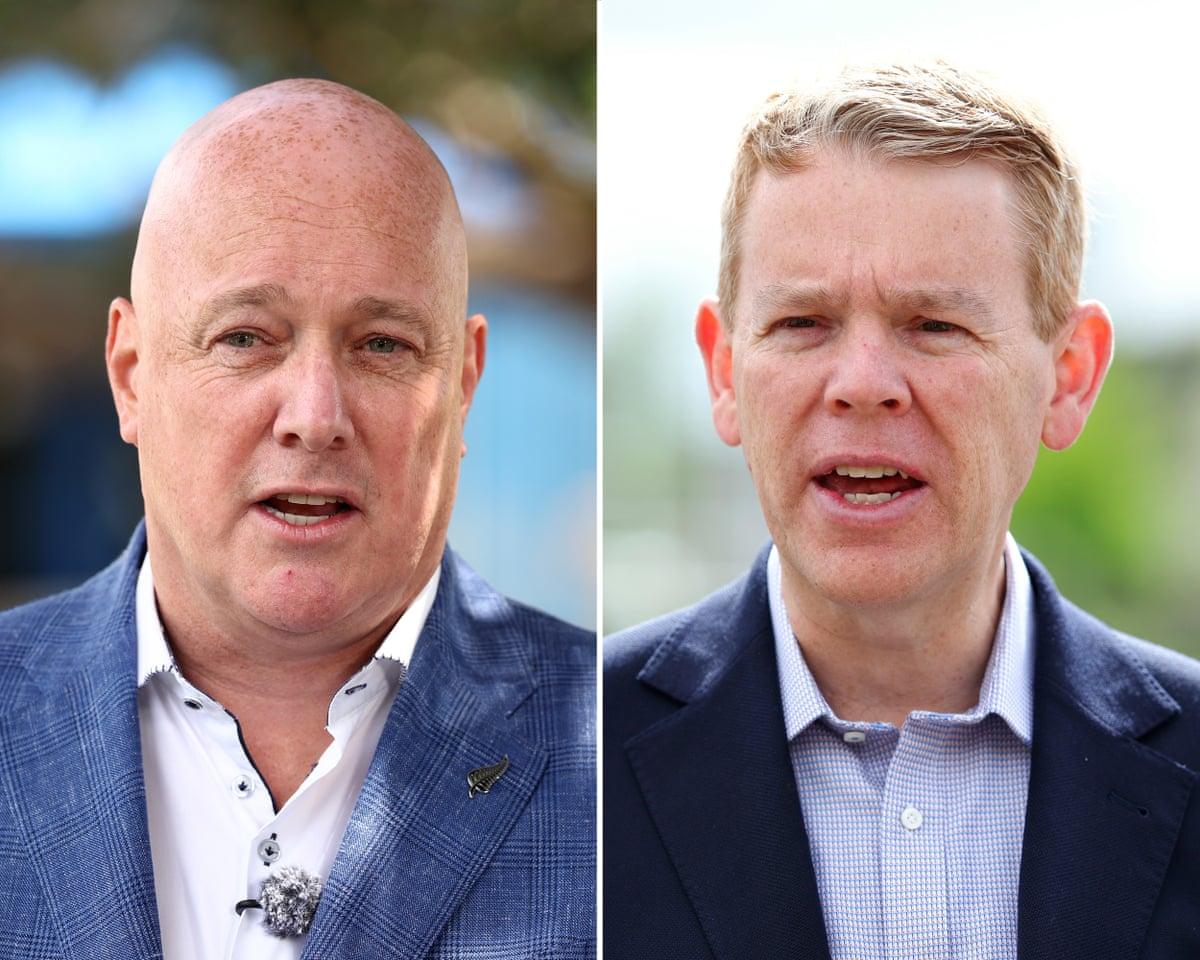
New Zealand's 2026 general election is unfolding as an extraordinarily tight contest, with the centre-right National Party and centre-left Labour Party locked in a dead heat as votes are counted on 7 November 2026. According to The Guardian, with a quarter of the vote tallied, both major parties are registering 29.7% of the party vote, setting up what could be a protracted negotiation to form the next government under New Zealand's Mixed Member Proportional (MMP) electoral system.
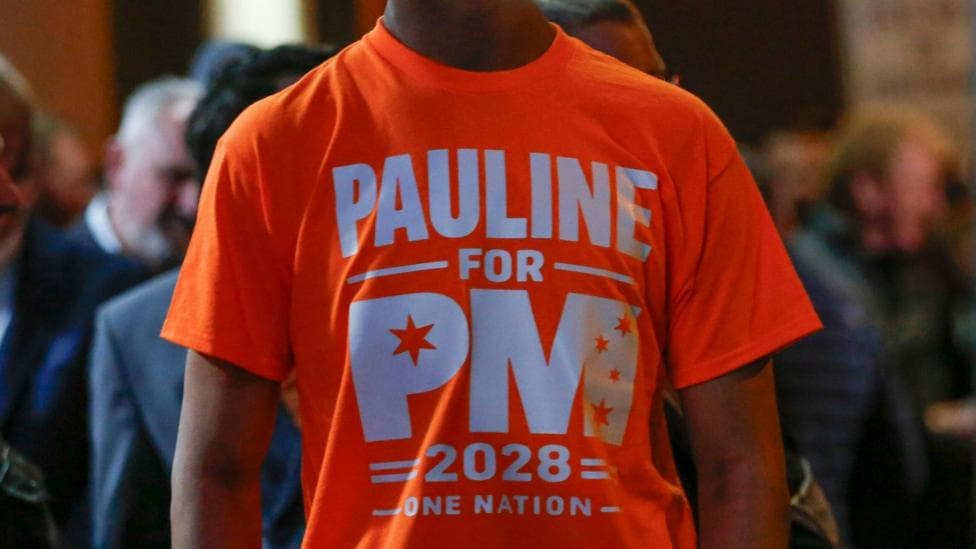
The Opportunity Party, led by businesswoman Qiulae Wong, 38, has emerged as a potential kingmaker after polling suggested it would clear the 5% threshold needed to enter Parliament. Early results reported Opportunity at 5.8%, according to the New Zealand Herald, putting the party on track to secure parliamentary representation. However, National leader Christopher Luxon has repeatedly ruled out working with Opportunity, citing its proposed land tax as incompatible with his party's "no new taxes" pledge.

How does the current vote breakdown look?
With 25% of votes counted, the party vote stands at Labour 29.7%, National 29.7%, Greens 13.8%, Act 10.6%, NZ First 9.5%, Opportunity 5.4%, and Te Pāti Māori 0.5%. In terms of electorate seats with 20% of the vote counted, National holds 42 seats alongside Act's 13 and NZ First's 12, totalling 67 seats. Labour has secured 35 seats, with the Greens on 16 and Te Pāti Māori on 5, bringing their coalition to 56 seats. The projected parliament would contain 130 seats due to an overhang—additional seats created when a party wins more electorate seats than its party vote entitles it to under MMP rules.
What is the significance of the overhang?
National may secure more seats than Labour through the overhang mechanism, potentially providing enough numbers to nudge a centre-right coalition back into power. However, the results remain precarious. A disproportionately high number of National-leaning seats have been counted in early phases, while several Labour strongholds remain outstanding. Additionally, a number of National's high-profile MPs face the risk of not returning to parliament on the party list if National's vote share declines further.

Which electorate races are proving decisive?
The inner Auckland suburb of Mt Albert has become a focal point. Held by two Labour prime ministers—Helen Clark and Jacinda Ardern—the seat was won by Labour's Helen White by only 20 votes in 2023. This year, the Greens have mounted a strong campaign, as has Opportunity leader Wong. Labour had feared a vote split that could allow National's Melissa Lee to claim the seat, but with 13% of votes counted, White leads Lee by 465 votes.
In Hutt South, Labour's Ginny Anderson has edged ahead of incumbent National MP Chris Bishop by a handful of ballots with more than 20% of the vote counted. Green MP Julie-Anne Genter is holding off Labour challenger Craig Renney in Wellington North, while Labour's Kieran McAnulty is winning against National's Mike Butterick in Wairarapa. In Wellington, Labour MP Ayesha Verrall had hoped to win Wellington North from incumbent Green MP Tamatha Paul, but early votes suggest Paul is leading comfortably at almost twice Verrall's count in an electorate where the Greens are also leading the party vote.
Which senior politicians are at risk of losing their seats?
Several senior National figures face the prospect of losing their parliamentary positions if the party's vote share deteriorates. Finance Minister Nicola Willis and Chris Bishop, both tipped as potential future party leaders, are among those at risk. Willis is a list-only candidate, while Bishop is engaged in a marginal electorate battle in Hutt South. Justice Minister Paul Goldsmith, contesting Epsom, and Gerry Brownlee, the Speaker of the House, are similarly vulnerable. All four had faced poor polling prospects heading into election day, with list-dependent candidates particularly exposed if National's party vote underperforms.

What is the Opportunity Party's policy platform?
The Opportunity Party's policies include a land tax and a proposed $370 per week universal basic income. The party describes itself as seeking "market-driven solutions" while remaining committed to a low-emission future and evidence-based policy. Under MMP rules, Opportunity will negotiate first with whichever party secures the highest number of votes, giving it significant leverage in coalition talks despite its modest size. Media outlet Stuff has suggested that Opportunity could hold the balance of power by the end of the night given current voting trends.
What turnout figures have been recorded?
More than 1.6 million people voted in advance, and counting of those votes began at 9am on election day. In total, 1.9 million people cast early votes, representing 50.4% of all enrolled voters. This figure is substantially higher than the advance voting rate in 2023, though it falls just short of the 2020 election, when the voting period was extended due to the Covid pandemic. According to RNZ, the Electoral Commission's progress percentage reflects the share of voting places that have reported, not the share of individual votes counted.
How does the MMP electoral system work?
Under New Zealand's Mixed Member Proportional system, voters cast two votes: one for their preferred party and a second for their preferred electorate MP. Parliament normally comprises 120 MPs, though the overhang can increase this number. It is exceptionally uncommon for a single party to form a government under MMP. If no party achieves a majority, the major parties begin negotiations after the election and can form either a coalition government or confidence-and-supply agreements with minor parties. Importantly, the party with the largest number of votes does not automatically win; negotiations can extend over days or weeks.
What happens next?
The Electoral Commission is scheduled to declare the official election results on 27 November, with the official count including special votes and verification checks. Parliament must convene by 14 January at the latest following the election. The intervening weeks will likely see intensive coalition negotiations as the major parties attempt to secure the numbers needed to form a government.