

Independent MP Kate Chaney has accused the Albanese government of adopting the gambling industry's own talking points as Labor negotiates a watered-down advertising reform package with the Coalition and crossbench. The accusation came on the same day the Reserve Bank of Australia was widely expected to hold the cash rate at 4.35% for a second consecutive meeting, with the decision due at 2.30pm.
Chaney, who sat on the parliamentary inquiry alongside the late Labor MP Peta Murphy that produced the landmark "You win some, you lose more" report on gambling harm, told the ABC's RN Breakfast program that negotiations between the government and the Coalition on gambling reform have so far been disappointing. She argued that ministers have prioritised the industry's position over the inquiry's evidence base.
What is Labor actually proposing on gambling ads?
The government's draft reforms would cap online gambling advertisements on television at three per hour between 6am and 8.30pm. Chaney warned this mirrors a 2017 partial restriction that simply pushed advertising into unrestricted time slots rather than reducing overall volume.
In 2017, when the last round of partial restrictions came in, the money just moved around. And for example, gambling ads after 8.30 more than doubled, increased 131%. And I suspect that that's what we're going to see here too: is the money moving around.
I think it is about the government listening to the money and the power, not the people. The gambling companies make big political donations. They are present lobbyists in this building. We're hearing their talking points coming out of the prime minister's mouth. And the media companies and the sports codes make a lot of money out of gambling too. Unfortunately, Australians pay the cost for that. And the average Australian household loses more in gambling than they pay for in electricity. So this is our blind spot.
According to a report on the ongoing negotiations, Labor has been in active talks with both the Coalition and the crossbench, with the package under pressure from opposition demands and Senate arithmetic. The same reporting suggests the government is more open to amending wagering inducements than to loosening the proposed advertising-frequency limits.
Further detail reported by the national broadcaster's investigation indicates the bill would also ban gambling logos on player jerseys and stadium promotions, and would introduce a "triple lock" system intended to stop underage Australians from being shown gambling advertising at all. That same reporting confirms the three-per-hour cap between 6am and 8.30pm would be paired with a ban on gambling ads during live sport broadcast in that window.
Is the government negotiating on inducements?
Finance minister Katy Gallagher confirmed the government is negotiating with the Coalition over gambling inducements as it searches for a path through the Senate. Anthony Albanese hinted at further action on inducements during his televised address to Labor caucus, while the opposition has called for "predatory inducements" targeting problem gamblers to be banned outright — though the emerging compromise appears to be a partial rather than full block.
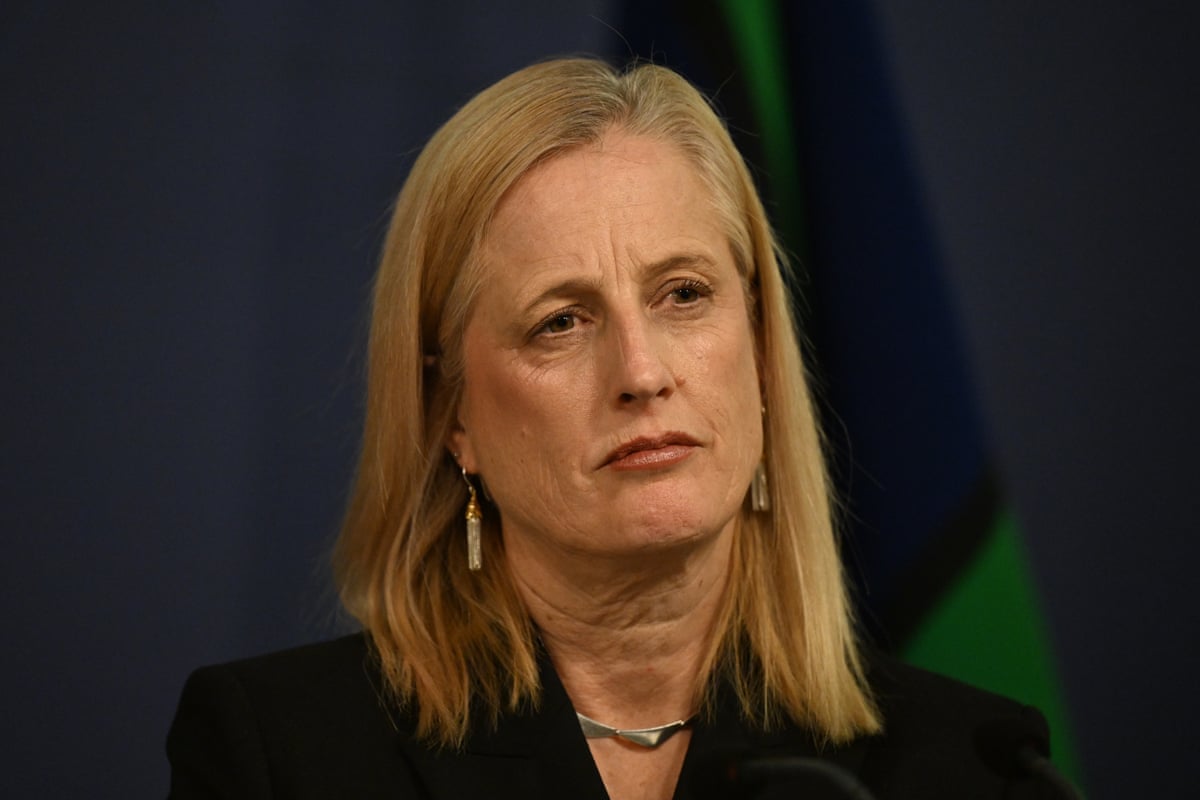
Gallagher told RN Breakfast she had no further detail on how talks were progressing but pointed to last month's Labor national conference, which agreed to examine how to stop online gaming platforms and social media services from offering embedded inducements within games and social accounts. She also defended the government's overall record on the issue, despite the roughly three years it took the prime minister to formally respond to the Murphy inquiry's findings.
I accept it's not where everyone wants to be, but it's a very, very strong response to a problem that exists in our community.
The push for tighter gambling rules has also been shaped by testimony to a parliamentary inquiry from former NRL player Luke Bateman, who told the inquiry gambling firms had supplied him with cocaine and alcohol and failed in their duty of care, saying his gambling addiction had cost him roughly $1m. Albanese has previously had to defend the reform package against criticism from crossbench senator David Pocock and others over its perceived weaknesses, as detailed in earlier coverage of the prime minister's response to Senator Pocock.
Why did Tony Burke's migration speech disappear?
Canberra remains puzzled over the fate of a scheduled National Press Club address by home affairs minister Tony Burke, in which he was expected to announce significant immigration reforms. The speech did not go ahead, and notably no one raised the issue at yesterday's Labor caucus meeting.
Asked on RN Breakfast whether the new migration measures had been finalised when cabinet met yesterday, Gallagher declined to confirm details.

This is a big piece of work. Obviously we've been making a number of reductions. We've seen net overseas migration come down about 45% from its peak. There's some additional work that Minister Burke is undertaking and when that work is complete he will announce what those measures are.
The delay to Burke's speech has previously drawn comment from deputy prime minister Richard Marles, who defended the postponement in the context of broader economic pressures, including Australia's trade surplus falling to a nine-year low amid a surge in electric vehicle imports.
What is being said about the prime minister's melon comments?
Gallagher was also drawn into the ongoing controversy over remarks Albanese made about a gift of melons from Japanese prime minister Sanae Takaichi. Speaking on Channel Nine, Gallagher appeared visibly weary of the topic but insisted the prime minister's comments had been misconstrued.
I accept that he did not intend those comments to be made the way that some media are reporting them. It's an important relationship, he has a good relationship with the Japanese.
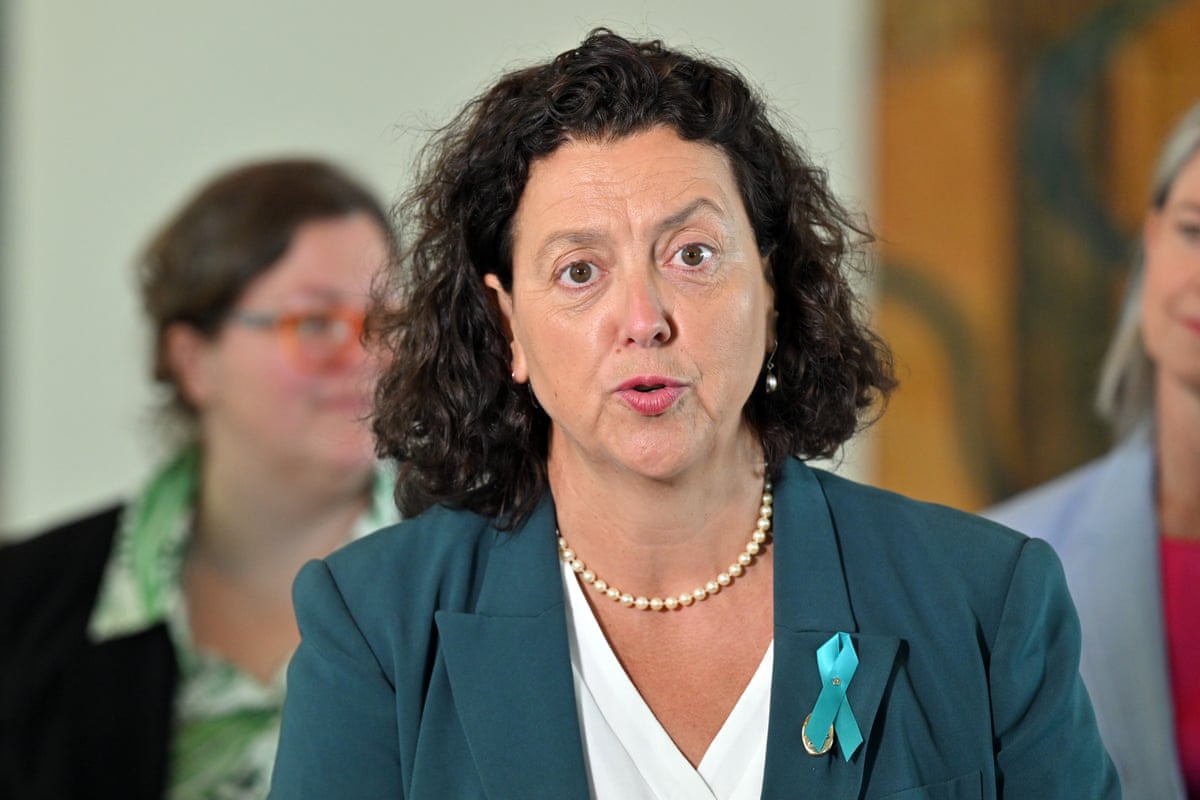
The controversy stems from remarks Albanese made last month on the Bush Deep podcast, in which he described Takaichi gifting him two Japanese melons and appeared to make hand gestures in front of his chest. Independent MP Monique Ryan told the Today Show the interview was "pretty cringe" and suggested Albanese should apologise directly to the Japanese prime minister.
I think that that whole interview was pretty cringe. Let's face it, the prime minister didn't really cover himself with glory with that. And it's disturbing to hear that the Japanese government has expressed some concerns about it.
We're talking about a really special gift that the Japanese state has given to the country. And if I was the PM, I'd pick up the phone to the Japanese prime minister and apologise to her on this one.
Shadow cabinet minister Michaelia Cash escalated the criticism, describing the episode as a diplomatic incident.
When the prime minister's crude and dirty podcast banter is formally raised by the Japanese government. Anthony Albanese just has embarrassed himself. He's embarrassed Australia. This is now a diplomatic incident because of the appalling behaviour of the prime minister.
Not all government figures share that assessment. Some cabinet ministers have dismissed the affair as something "people are trying to blow up." Separately, News.com.au has reported that the Japanese government characterised coverage of the incident as "sensationalised reporting" in an internal memo, stating it did not believe there was "ill intention" behind Albanese's comments and that no formal action would be taken.
Is the government to blame for the cooling housing market?
Gallagher rejected suggestions that Labor's tax changes are solely responsible for the recent slowdown in the property market, pointing instead to Treasury advice included in the federal budget that projected house prices would keep rising, just at a slower pace of around 2%. Westpac reported yesterday that mortgage applications fell 20% between mid-May and the end of July, the period immediately following the budget's release.
There are other factors that influence the housing market, including the interest rate increases that we have seen over the last few months … the Treasury advice to us was that house prices would continue to grow slightly slower. Our focus on the housing market is making those tax changes so that first home buyers can get into the housing market, but also focusing on supply to make sure we're building enough houses for people to buy.
The housing debate follows earlier remarks from Senator David Pocock, who backed a housing market correction while Labor separately expanded solar discounts for commercial buildings and adjusted other policy settings, including scrapping the so-called widow tax.
What is the Reserve Bank expected to decide?
The Reserve Bank's rate decision, due at 2.30pm, is widely tipped to leave the cash rate unchanged at 4.35% for a second straight meeting. Annual inflation to June sat at 3.8%, well above the RBA's 2.5% target, but more recent data has come in softer than forecast while unemployment has ticked slightly higher — both factors supporting a hold.
Financial markets see almost no chance of a rate move today but still price in close to a 50% probability of a hike before the end of the year. Some economists regard a November increase as the most likely next move, while others expect the following shift to be a cut, though not before the second half of 2027. Attention will focus on the RBA board's accompanying statement, whether the hold decision is unanimous, and comments from governor Michele Bullock at her 3.30pm press conference. The bank is also due to release updated economic forecasts in its quarterly statement on monetary policy, which analysts expect will still show inflation returning to target within 12 months; any deterioration in that outlook would raise the odds of a further hike.
What is the wider history behind the gambling reform push?
The current negotiations trace back to the 2023 Murphy review, whose "You win some, you lose more" report has continued to anchor the debate over whether Australia should move toward a full advertising ban, according to coverage of the reforms' introduction to parliament. At Labor's national conference in Adelaide last month, party members revived calls for a dedicated national gambling regulator, with some also pushing to strengthen the role of the Australian Communications and Media Authority, according to the national broadcaster's report on the conference. The government first announced its gambling reform package on 2 April 2026, with the associated bills introduced into parliament on 2 July 2026, according to the Department of Infrastructure's official reform outline.
What happens next?
The government intends to introduce the gambling reform legislation into parliament this week, aiming to have the package in force by next year, according to footage of the announcement. The Department of Infrastructure's published timeline states the reforms are scheduled to formally commence on 1 January 2027. Meanwhile, the Reserve Bank's rate announcement remains due at 2.30pm today, with the accompanying statement on monetary policy and Governor Bullock's press conference at 3.30pm expected to shape market expectations for the remainder of the year.
Key Facts
- Kate Chaney says gambling ads increased 131% after 8.30pm following the 2017 partial restrictions.
- Labor's proposed cap limits online gambling ads to three per hour on television between 6am and 8.30pm, alongside a ban during live sport in that window.
- Inflation stood at 3.8% for the year to June, above the RBA's 2.5% target, with a decision on holding the cash rate at 4.35% due at 2.30pm today.
- Westpac reported a 20% drop in mortgage applications between mid-May and the end of July.
- The gambling reform package, announced 2 April 2026 and introduced to parliament 2 July 2026, is due to commence 1 January 2027.


