Australia's fertility rate is projected to fall to 1.34 children per woman by 2065–66, prompting the government to argue that expanded early childhood education and care—potentially through universal access—offers a more effective response to declining births than direct financial incentives such as a revived baby bonus.
The Treasury's 2026 Intergenerational Report, released on 21 September 2026, forecasts that deaths will outnumber births within four decades, a demographic milestone already reached by South Korea, Italy, Germany and Japan. This marks the first time the three-yearly report has made such a projection. According to Treasury, population growth will slow to 0.9% annually over the next 40 years, down from 1.4% over the past four decades.
The decline reflects a complex interplay of economic, social and cultural factors. Greater access to contraception, extended time in education, career priorities, longer periods living with parents, and delays in partnership formation and childbearing have all contributed to fertility rates remaining below the replacement level of 2.1 children per woman for half a century. This trajectory will result in a projected population loss of 1.7 million people and an increase in median age of 1.7 years by 2065–66.
Why is the government rejecting a baby bonus approach?
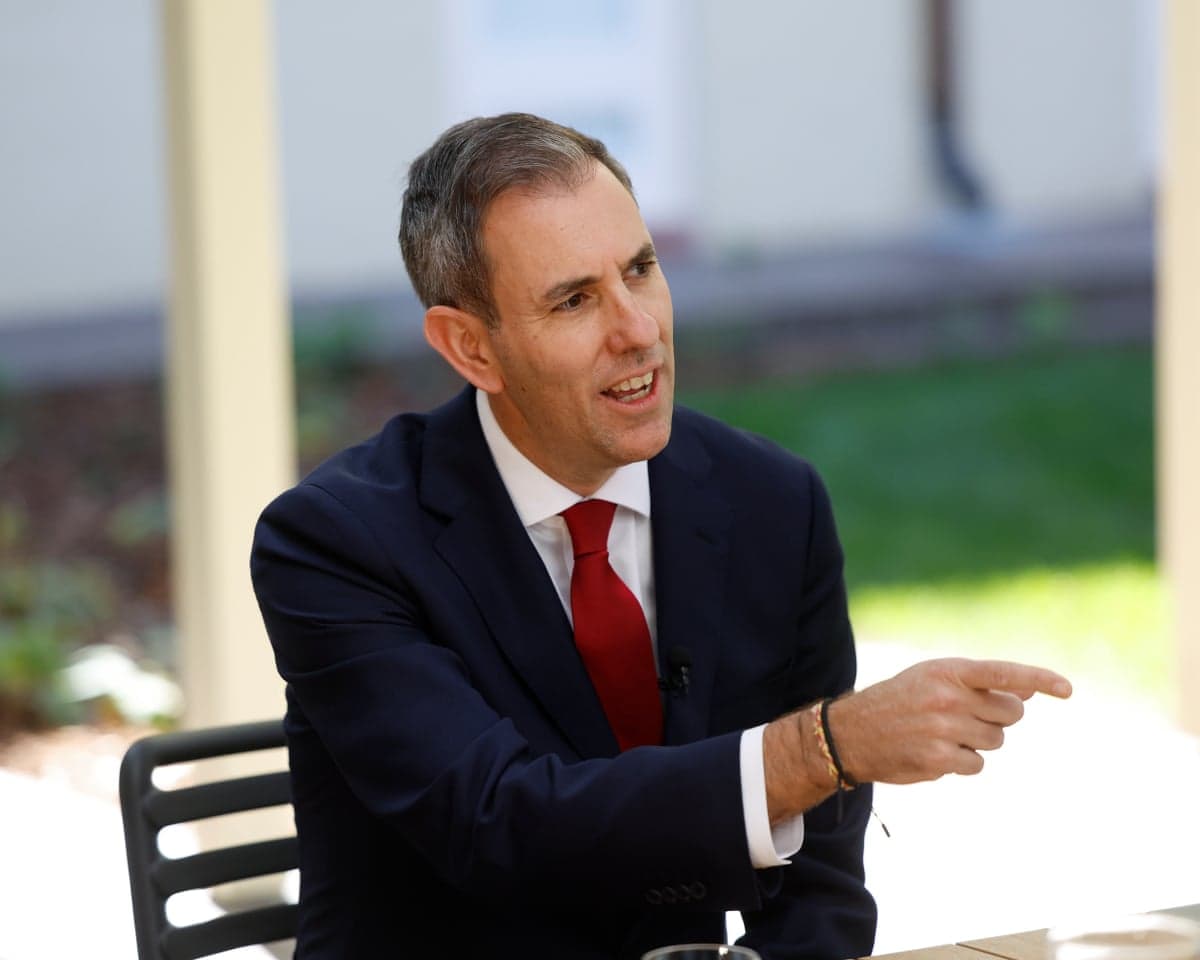
The treasurer declined to advocate for direct cash payments to families, stating that decisions about family formation are deeply personal. Instead, the government has prioritised making parenthood more feasible through expanded paid parental leave, superannuation adjustments and improved childcare access. The government's $4.7 billion Cheaper Child Care investment has already benefited more than one million Australian families, according to Budget Paper No. 1.
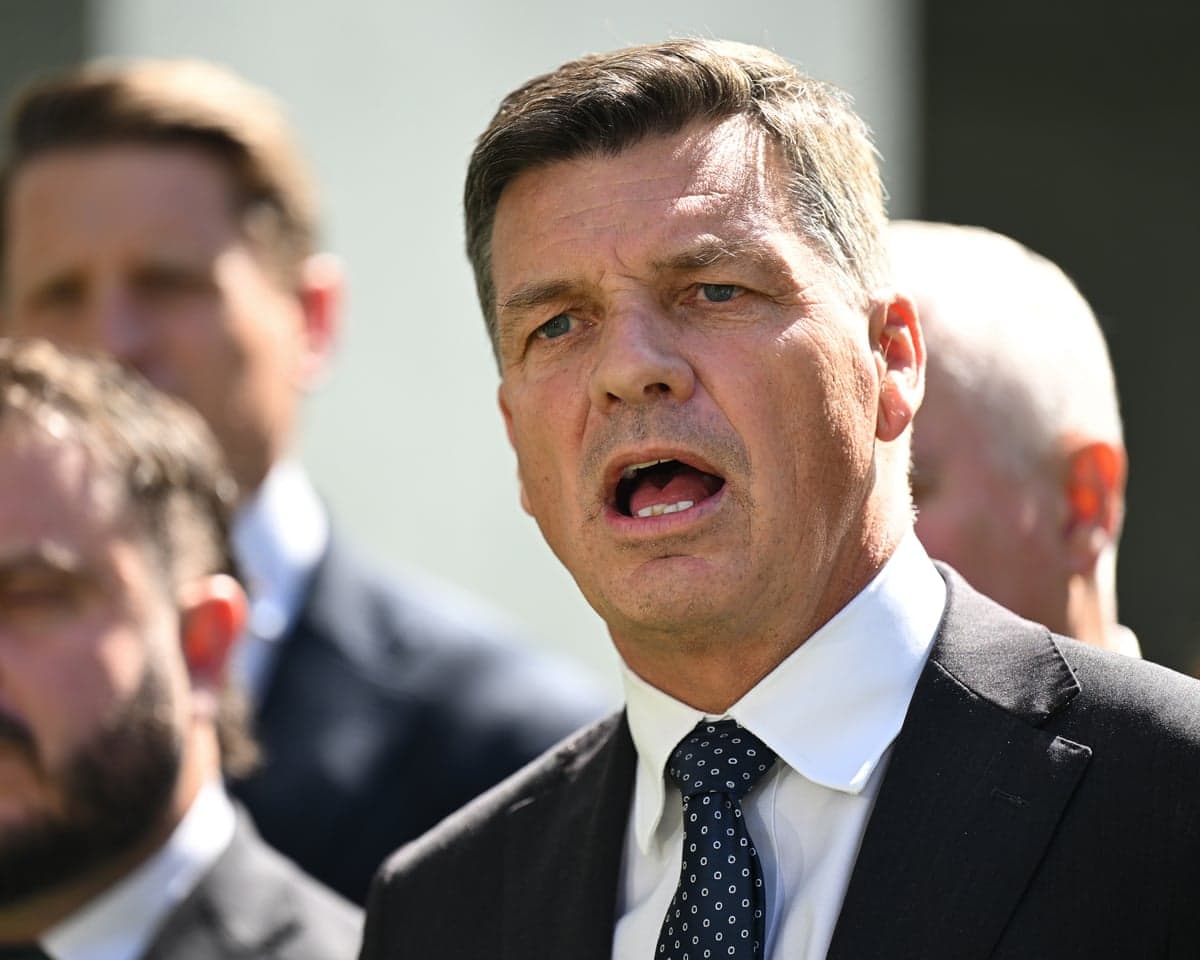
The assistant minister for productivity, Andrew Leigh, emphasised that childcare affordability and access represent the most significant levers for supporting family formation.
My read of the evidence, as an economist, is that the biggest impact you have is around childcare, and that's why we made it such a priority upon coming to government, improving access to childcare, ensuring that it is affordable for Australians.
Prime Minister Anthony Albanese has positioned universal childcare as a defining achievement of his government. The administration has commissioned consulting firm Deloitte to design a universal childcare framework, with the pathway report expected in early 2027 ahead of the next federal election scheduled for mid-2028.

What do opposition figures say about financial incentives?
Not all political voices reject the baby bonus model. A Liberal frontbencher expressed openness to economic incentives similar to the Howard government's baby bonus scheme, arguing that housing affordability and family formation are inseparable priorities.
The real problem is of course that family formation is being delayed because people can't get into home soon enough, and families are having less children.
Research by the e61 thinktank found that the original baby bonus, introduced by then treasurer Peter Costello in 2004, increased births by 6.5% overall. The effect was more pronounced among lower-income mothers: births rose by 10% among mothers with no taxable income and 8% among below-median income mothers, while high-income mothers showed no change. Third-child births increased by 9%, and mothers who received the bonus had 6.8% more children in total by 2022.
The Nationals leader, Matt Canavan, rejected the baby bonus as a solution, arguing instead for support mechanisms tied to family effort and advancement.
The baby bonus, it was just 'Here's some cash', without you having to put in the effort as well.
How does Australia's situation compare internationally?
Australia's demographic challenge mirrors trends across developed economies. Scotland registered 45,067 live births in 2025, the lowest since records began in 1855, with deaths outnumbering births by 16,659 for an 11th consecutive year. Other nations have experimented with policy responses with mixed results. Hungary's ambitious pronatalist policies initially raised birth rates but later declined, highlighting challenges in boosting fertility through financial incentives alone amid broader social and cultural factors.
What role will childcare subsidies play?
The Treasury report indicates that the Child Care Subsidy is projected to rise as a share of GDP through 2026–27 before declining later in the century. This trajectory reflects the government's commitment to making childcare more accessible as a foundation for family formation decisions. The broader policy framework also acknowledges that demographic shifts will occur alongside transformations driven by artificial intelligence and clean energy, according to the Intergenerational Report.
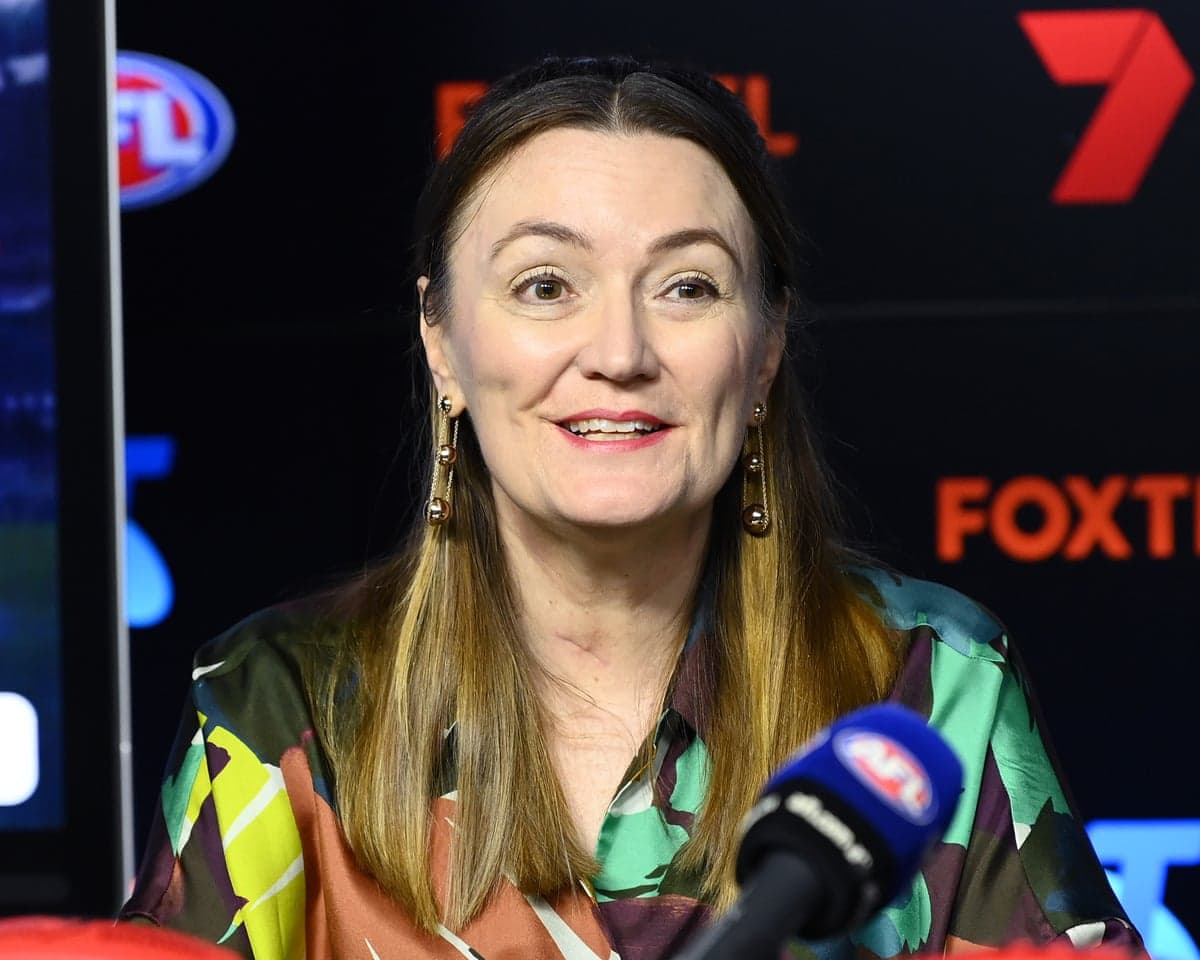
Finance Minister Katy Gallagher stated that the government will not resurrect the baby bonus, emphasising instead a philosophy of supporting families in their own choices without directing those choices.
Our government doesn't get into promoting choices for individual families, but we recognise that people making those choices should be supported.
What happens next?
Deloitte's universal childcare pathway report is scheduled for delivery in early 2027, positioning the policy as a potential centrepiece of Labor's pre-election agenda ahead of the mid-2028 federal election. The government's approach reflects a belief that removing structural barriers to parenthood—particularly through affordable, accessible childcare—will prove more effective than financial incentives in addressing Australia's demographic transition.