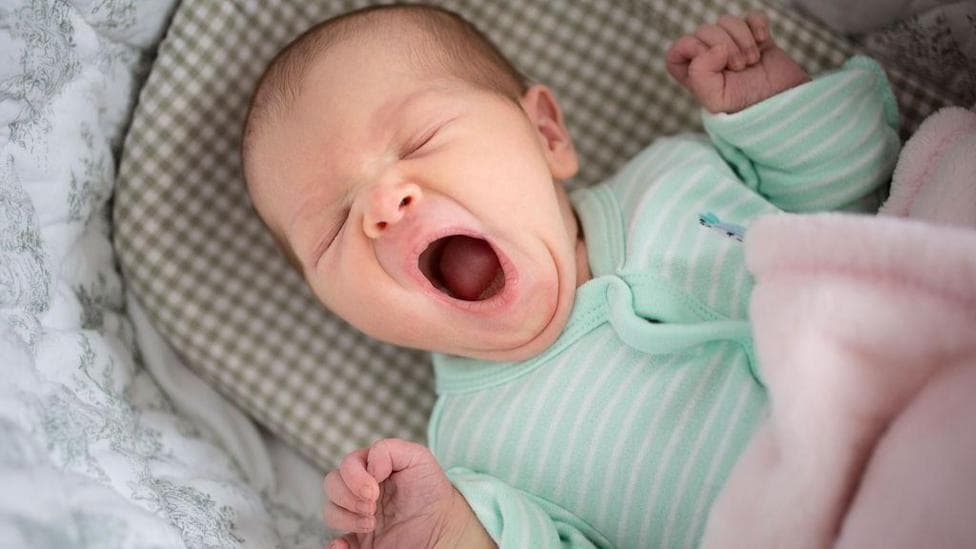
Scotland's annual live birth count has fallen to its lowest level since official record-keeping began in 1855, marking the third year in succession that the nation has registered a new minimum. According to data released by the National Records of Scotland on 25 August 2026, there were 45,067 live births registered in 2025, representing a decline of almost 696 from 2024 and continuing a downward trajectory that has reshaped the country's demographic profile.
The figures underscore a deepening demographic shift: for the 11th consecutive year, deaths have outnumbered births across Scotland. According to reporting on the data, there were 16,659 more deaths than births in 2025, with deaths recorded at 61,726—a figure 6.3% lower than expected. The gap between deaths and births has generally widened since 2014, signalling a population structure increasingly weighted towards older age groups.
Alison Byrne, Registrar General and Chief Executive of the National Records of Scotland, said:
"This is the eleventh year in a row where deaths have outnumbered births and the third in a row where we have a new record low for the number of births in Scotland. Generations of change are captured in these figures. This data will inform debate and decision-making across the public and private sectors, as we consider what this means for our future."
Why is Scotland's fertility rate falling?
Scotland's total fertility rate—the average number of children born to each woman—dropped to 1.23 in 2025, down from 1.24 in 2024. This represents the lowest rate since the National Records of Scotland began publishing this metric in 1951. For a population to sustain itself without migration, demographers estimate a total fertility rate of approximately 2.1 is required. Scotland last exceeded this threshold in 1973, more than five decades ago.
The decline in births has been consistent throughout 2025. According to quarterly data from the National Records of Scotland, the first quarter saw 11,431 births, the second quarter recorded 10,832 births, and the third quarter registered 11,747 births—all falling below their respective quarterly averages. The final quarter of 2025 saw 11,081 births, representing a 5.8% decrease below the quarter-four average of 11,760.
Despite the record low in births, Scotland's overall population increased slightly in the year to June 2025. This growth was driven entirely by migration rather than natural increase, highlighting the nation's dependence on international movement to offset the deficit between births and deaths.

Which areas recorded the most births?
According to analysis of the 2025 figures, the five local authorities with the highest number of births were Glasgow, Edinburgh, North Lanarkshire, South Lanarkshire and Fife. These areas accounted for a significant proportion of Scotland's total live births, though all regions experienced the downward trend reflected in the national figures.
What do the stillbirth and infant mortality figures show?
Stillbirths in Scotland increased in 2025, rising to 188 from 159 in 2024, representing a rate of 4.2 per thousand live and stillbirths. However, this increase should be contextualised: the 2024 rate of 3.5 per thousand was the joint lowest stillbirth rate on record, and the 2025 rate remains historically low by comparison to earlier decades. The third quarter of 2025 saw particular concern, with 67 stillbirths recorded—the highest third-quarter figure since 2011.
Infant mortality showed a more positive trend. The infant death rate decreased from 3.5 per thousand live births in 2024 to 3.3 per thousand in 2025, continuing a long-term improvement in outcomes for newborns.
How did marriages and civil partnerships change?
In contrast to the decline in births, Scotland recorded an increase in formalised partnerships during 2025. A total of 27,191 marriages took place, representing an increase of 236 from 2024. Of these marriages, 4% were same-sex unions and 96% were between partners of different sexes.
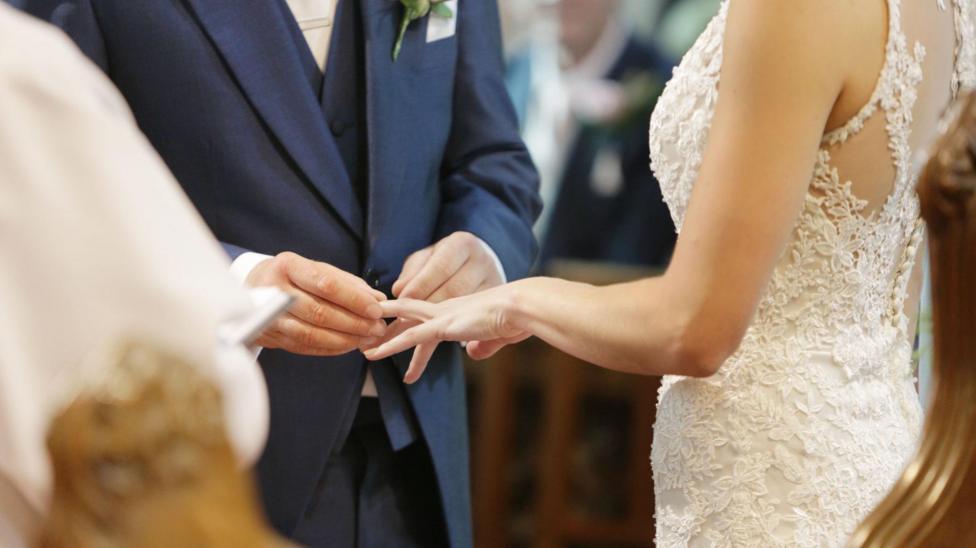
Civil partnerships also rose significantly, reaching 944 in 2025—the highest annual total since 2006, when the first full year of civil partnership data became available. This increase reflects growing uptake of civil partnership as a legal status alongside traditional marriage.
What happened to adoption numbers?
Adoptions fell from 369 in 2024 to 340 in 2025, continuing a separate trend within Scotland's vital events data. The National Records of Scotland publishes adoption figures alongside births, deaths, marriages and civil partnerships as part of its comprehensive annual vital-events release.
What happens next?
The National Records of Scotland has scheduled its next quarterly release on births, deaths and other vital events for 8 December 2026. Additional releases tracking births registered weekly and monthly in Scotland are also scheduled for the same date, providing ongoing granular monitoring of demographic trends as they develop.