As the UK prepares for a chilly weekend with powerful winds and heavy rain, households are seeking practical ways to maintain warmth indoors while managing rising energy costs. BBC News has gathered advice from families and experts on keeping homes warm and cost-effective during the colder months ahead.
With energy bills set to increase significantly in January, taking action now could deliver substantial savings. However, experts caution that elderly and vulnerable people should not compromise their health in pursuit of lower bills.
Storm Boelo is forecast to bring gusts of 60–70 mph to parts of Scotland, Northern Ireland and northern England, with heavy rain and strong winds spreading across the UK on Saturday 24 October, with further unsettled weather continuing into early next week. This makes preparation for winter conditions increasingly urgent for many households.
How can you warm your body without relying on heating?
Layering clothing effectively is one of the simplest ways to retain body heat. The British Heart Foundation recommends wearing multiple thin layers rather than a single thick garment, as this approach traps warmth more efficiently. Natalie, 29, has found that replacing her everyday house clothes with supermarket thermal leggings and tops has made a noticeable difference to her comfort levels.
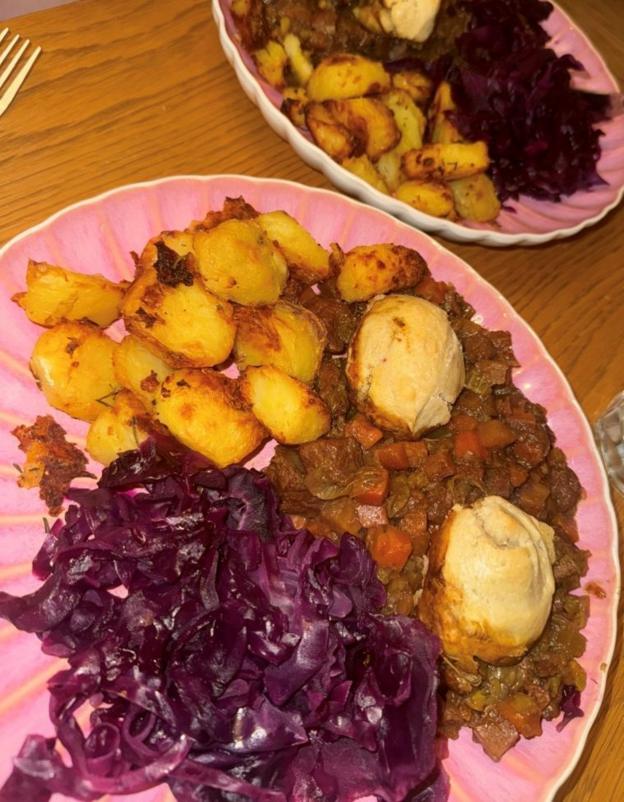
Warm meals also contribute to maintaining body temperature throughout the day. Amber Waring, 27, from Devon, prepares warming dishes such as pasta bakes, fish pies and stews, and combines cooking with movement—dancing around the kitchen with her toddler—to generate additional heat while preparing food.
What are the best ways to keep your bed warm?
As clocks go back this weekend and nights lengthen, upgrading bedding becomes increasingly important. Winter duvets rated at 10.5 tog or higher are widely available from supermarkets for under £20. Many retailers stock these items specifically for the colder season.
Layering blankets strategically can also improve warmth retention. Rebecca, 44, from Hertfordshire, places a blanket underneath her mattress to prevent draughts—a technique passed down from her grandmother. Others achieve similar results by positioning a blanket above the mattress but beneath the bedsheet.
Hot water bottles offer an affordable way to pre-warm beds before getting in. According to NHS Scotland guidance, water from the kettle should cool for a few minutes before filling, the bottle should be filled only two-thirds full, air should be squeezed from the top before sealing, and the bottle should never be held directly against skin.
Electric blankets represent one of the most economical heating options available. Testing by consumer organisation Which? shows that running an electric blanket at its highest setting typically costs between 2p and 8p per hour. The London Fire Brigade advises unplugging the blanket before getting into bed unless it has a thermostat control, avoiding simultaneous use with hot water bottles, and replacing the blanket every 10 years.
How can natural light help reduce heating needs?
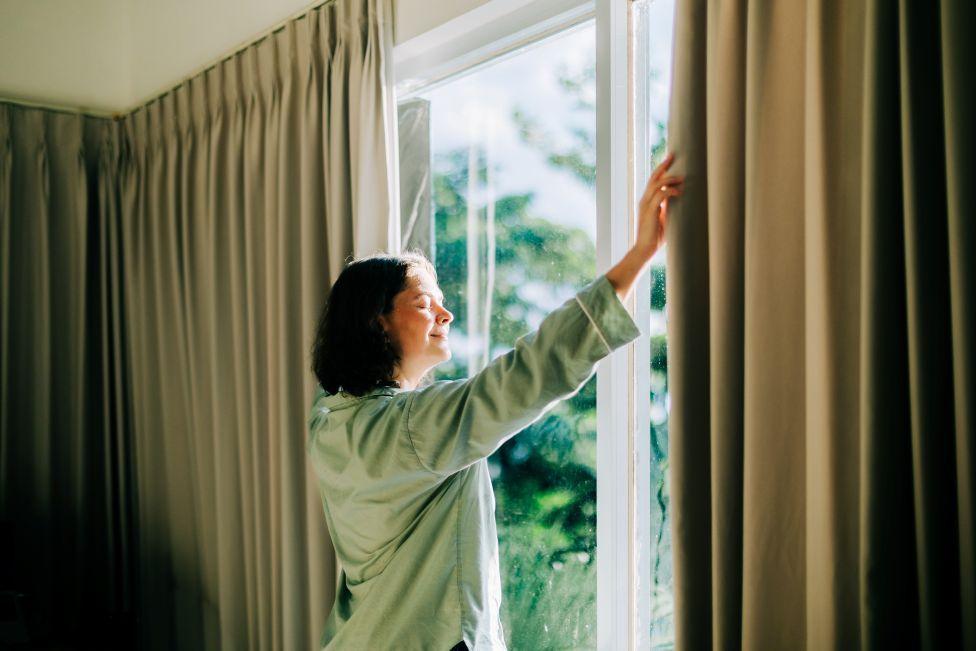
Maximising daylight exposure during winter months can delay the need to switch on heating systems. Rebecca recommends opening curtains during sunny periods to allow the sun to warm rooms naturally, then closing them as the sun sets to retain that heat. This simple practice can extend the period before artificial heating becomes necessary.
Keeping doors closed throughout the home helps concentrate warmth in occupied rooms. Additional insulation can be achieved by placing curtains or blankets over doorways. Soft furnishings such as rugs also contribute to maintaining room temperature, according to Emily Seymour, energy editor at Which?.
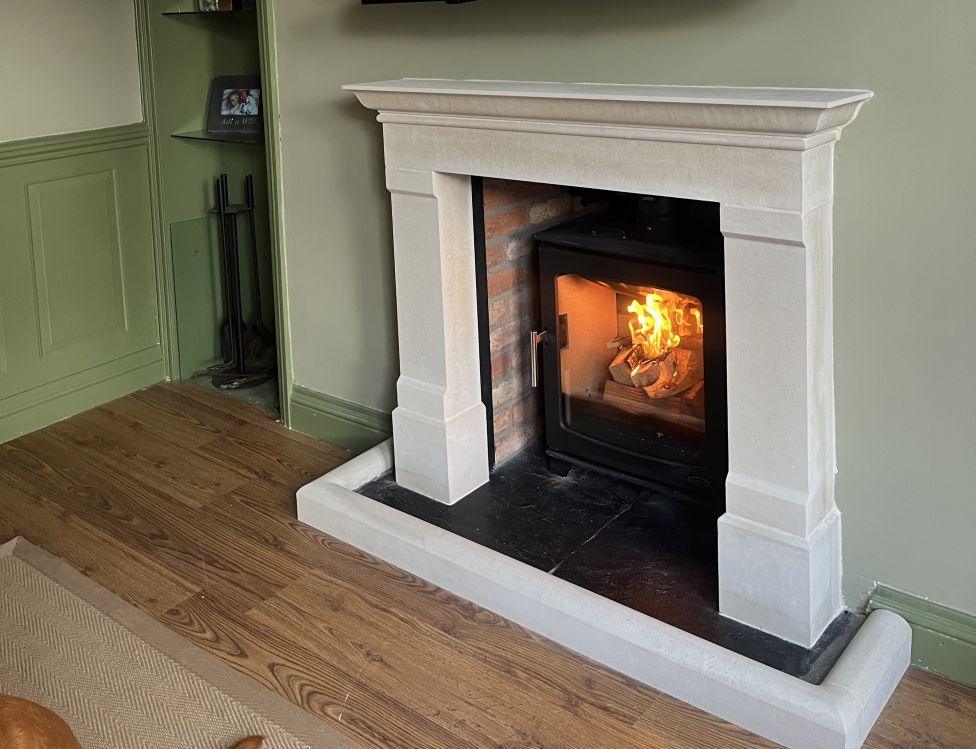
If you have access to a fireplace, lighting a fire to warm a single room can prove more economical than activating central heating for the entire house. Elin Davis, 30, from South Wales, finds her log burner more cost-effective than turning on her heating system, though she notes that log prices have increased considerably in recent times.
What practical steps reduce heat loss through doors and windows?
Gaps around door frames allow significant heat to escape. Draught excluders can be purchased, but affordable alternatives include using towels or filling old tights with material and positioning them around door frames. On windy days, Emily Seymour recommends systematically checking your home for additional draughts and sealing them using foam strips, sealant, or specialist chimney draught excluders if your fireplace is unused. Extractor fans and purpose-built ventilation systems should never be blocked, as they serve essential functions.
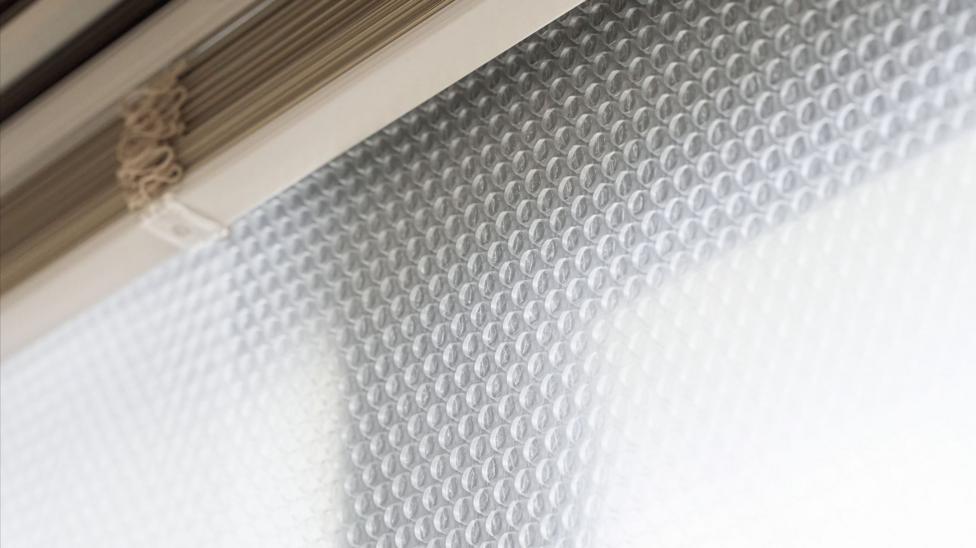
For homes with single-glazed windows, secondary glazing or thermal curtains help retain heat. A budget-friendly alternative involves placing bubble wrap on window panes, which provides insulation without significant expense. However, maintaining some ventilation is essential to prevent damp accumulation, so windows should not remain closed continuously.
How should you use central heating efficiently?
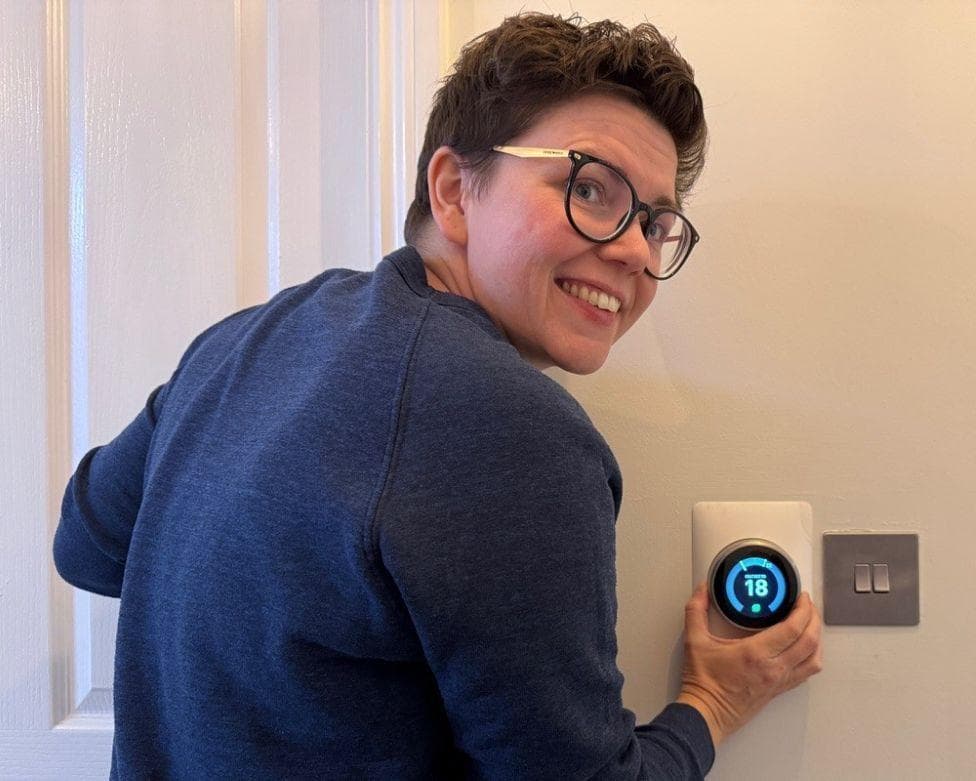
Completely switching off heating systems is not advisable, as this creates health risks and can cause pipes to freeze. Instead, heating should be used strategically. Checking whether your energy supplier offers cheaper off-peak rates, bleeding radiators to improve efficiency, and adjusting temperature in small increments until reaching comfort levels are all effective approaches. Furniture positioned in front of radiators should be moved to avoid blocking heat distribution.
Radiator foil—either purchased or made from kitchen foil—reflects heat back into rooms rather than allowing it to escape through walls. Sophie Burr of charity National Energy Action notes that approximately 35% of heat from radiators is lost through walls without this protection. Cora Harrison, 34, from Wakefield, reduces energy consumption by turning radiators on only in rooms her family actively uses and maintaining low heating levels during holidays to prevent mould growth and pipe damage. Some radiators feature a snowflake symbol on the valve that activates frost protection, warming slightly if room temperature drops dangerously.
Lowering the flow temperature of a combi boiler represents another potential saving strategy. During a boiler service, an engineer can adjust this setting. Additionally, many communities offer free warm spaces such as libraries and community centres, which often provide complimentary hot drinks.
What do energy price forecasts indicate for households?
Ofgem's price cap for default tariffs rose by 4% for the period from 1 October to 31 December 2026, and further increases are anticipated. Consultancy Cornwall Insight forecasts that household energy prices will soar in January, with a typical bill expected to jump by £276 annually—a 16% increase representing the largest rise in four years.
Rising costs create particular hardship for families with children, people with health conditions, and elderly households. Emily Jeremy, project manager at Manchester South Central Foodbank, emphasises that these price increases are especially concerning for vulnerable populations. Government figures show that an estimated 9.4% of households in England lived in fuel poverty in 2025.
Rodney Winchester, 65, from Thetford, who spoke to BBC News through the charity Christians Against Poverty, expresses extreme concern about affording heating throughout winter due to health conditions requiring consistent warmth. He has begun cutting food spending and reports becoming ill more frequently in cold weather.
It's so scary, he says, highlighting the difficult choices facing many households.
The broader context of energy insecurity reflects ongoing challenges documented in earlier reporting. Pensioners are cutting heating and lights as inflation rises and energy bills reach £1,723 annually, with nearly two-thirds of low-income families struggling to afford essentials. For households dependent on heating oil, the situation is particularly acute, as domestic oil prices have nearly doubled in recent months, affecting 1.7 million UK households.
What support is available for households struggling with energy costs?
If you are experiencing difficulty affording energy bills, the debt charity StepChange recommends checking eligibility for additional support schemes such as the Warm Home Discount and Winter Fuel Payment. Contacting your energy supplier directly may also yield results, as many companies can negotiate affordable repayment plans or discuss available support schemes tailored to individual circumstances.