A new personalised cancer vaccine administered alongside an established immunotherapy medication has demonstrated a 42% reduction in the risk of death or disease recurrence among melanoma patients in a large-scale clinical trial. According to BBC News, the trial enrolled more than 1,100 patients and also showed a 38% decrease in the likelihood of melanoma spreading over a two-year period. Researchers involved in the study suggest these findings could represent a significant shift in cancer treatment approaches, advancing personalised medicine closer to widespread clinical use.
The drug manufacturers MSD and Moderna have indicated that the same treatment strategy is currently undergoing testing against additional cancer types, including kidney, bladder and lung cancers. Independent cancer specialists have characterised the trial results as noteworthy, though they emphasise that extended follow-up studies remain necessary to confirm whether the treatment genuinely extends overall survival for the majority of patients.
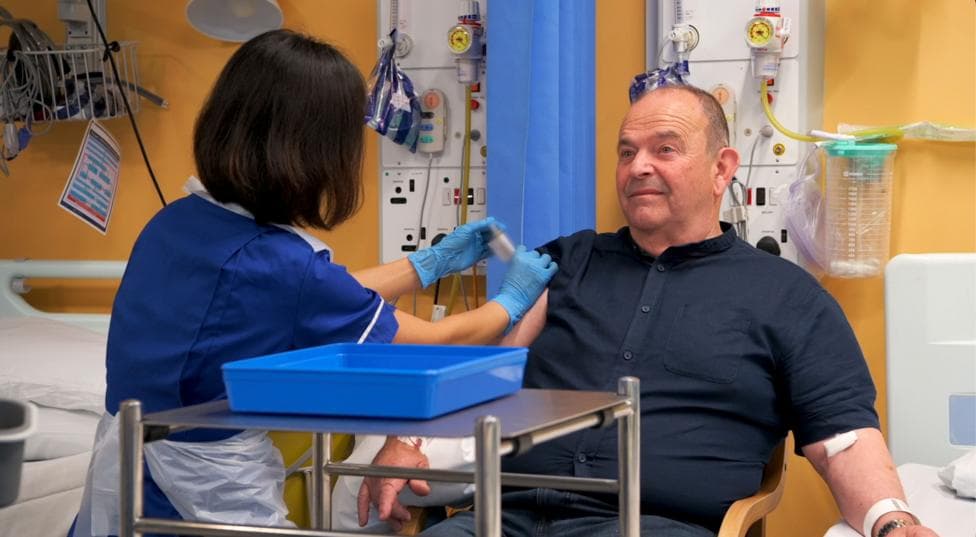
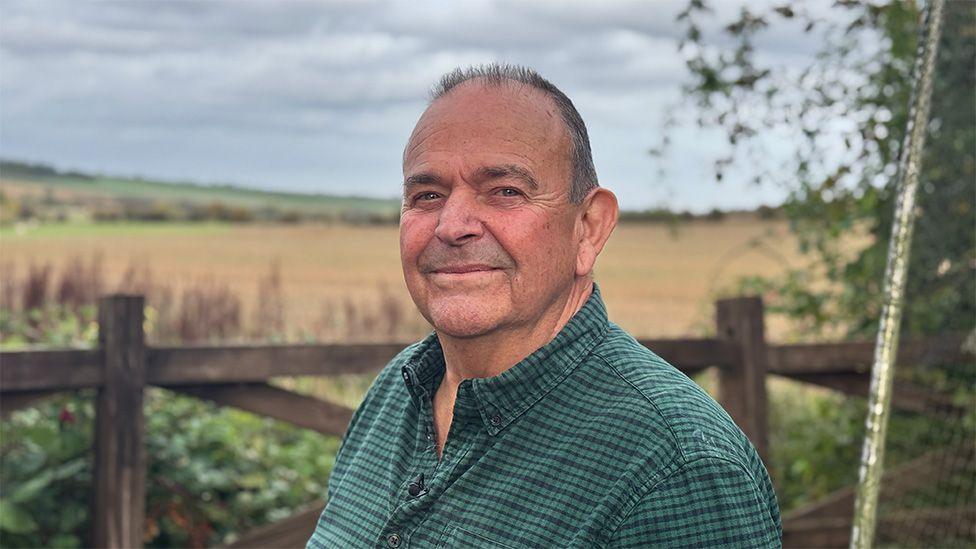
Tony Chapman, a 75-year-old from Corby in the East Midlands, was among the 1,100 melanoma patients who participated in the vaccine trial. He was initially diagnosed with melanoma in 2019 and underwent surgery to remove the tumour from his chest. However, a subsequent lump developed under his arm, indicating cancer recurrence, which required a second surgical intervention. Chapman volunteered for the study, though like all participants, he remains unaware of whether he received the experimental vaccine or a placebo alongside his immunotherapy treatment.
How does the personalised vaccine work?
The new treatment targets cancer patients who have already undergone surgical removal of their tumour. In the trial, 1,137 adults received Keytruda, an established immunotherapy drug that enhances the body's immune system's capacity to identify and eliminate cancer cells. Approximately two-thirds of participants also received an experimental vaccine based on mRNA technology, the same platform used in certain Covid vaccines, while the remaining third received either a placebo or dummy medication.
The vaccine, designated Intismeran, employs mRNA technology similar to some Covid immunisations. It is tailored to each individual patient, incorporating genetic information derived from their own tumour to train their immune system to recognise malignant cells and target them should they reappear. Two years following the start of treatment, patients who received the vaccine demonstrated substantially reduced rates of melanoma recurrence or systemic spread throughout the body.
Prof Pippa Corrie, a consultant medical oncologist who directed part of the study at Addenbrooke's Hospital in Cambridge, emphasised the significance of the personalised approach.
Personalisation is the next step up and it's really exciting, it's a fabulous technology. The question is how much can we really demonstrate it's worth and this trial was the first proof of principle.Corrie worked directly with trial participants, including Chapman, throughout the research.
What was the patient experience?
Chapman described his decision to participate in the trial as straightforward.
This just seemed like a really good example of moving science forward, as well as getting some benefit for yourself, so what's to lose?Three years after enrolling, Chapman continues to undergo checks every six months and remains cancer-free, representing a positive outcome for one of the trial's participants.
The trial will continue monitoring enrolled patients to observe whether cancer returns over extended periods and to assess whether the drug ultimately improves long-term survival rates. This ongoing observation is crucial for establishing the treatment's true clinical benefit beyond the initial two-year follow-up period.
What do independent experts say?
Professor Alan Melcher from the Institute of Cancer Research in London, who was not involved in the research, characterised the results as
very impressiveand described them as
an important proof of principle for the field, although we shouldn't get ahead of the evidence.Melcher cautioned against premature generalisation of the findings, noting that
we can't assume from one melanoma trial that the same approach will work across all cancers, and longer follow-up will be important to understand the effect on overall survival.
What happens next with regulatory approval and NHS access?
Both MSD and Moderna have announced they are
engaging with authoritiesregarding potential regulatory approval, with both companies suggesting they could submit applications to medicine regulators as early as next year. However, widespread adoption within the NHS will depend significantly on cost considerations, as each patient will require individual tumour genetic analysis and personalised vaccine manufacturing.
Stock prices for both drugmakers surged following initial hints of the vaccine's success during the summer, though investors subsequently sold shares on Thursday after financial analysts determined the results were not quite as robust as those observed in an earlier, substantially smaller trial. This market reaction underscores investor expectations regarding the treatment's commercial viability and the importance of sustained positive data for long-term confidence in the approach.