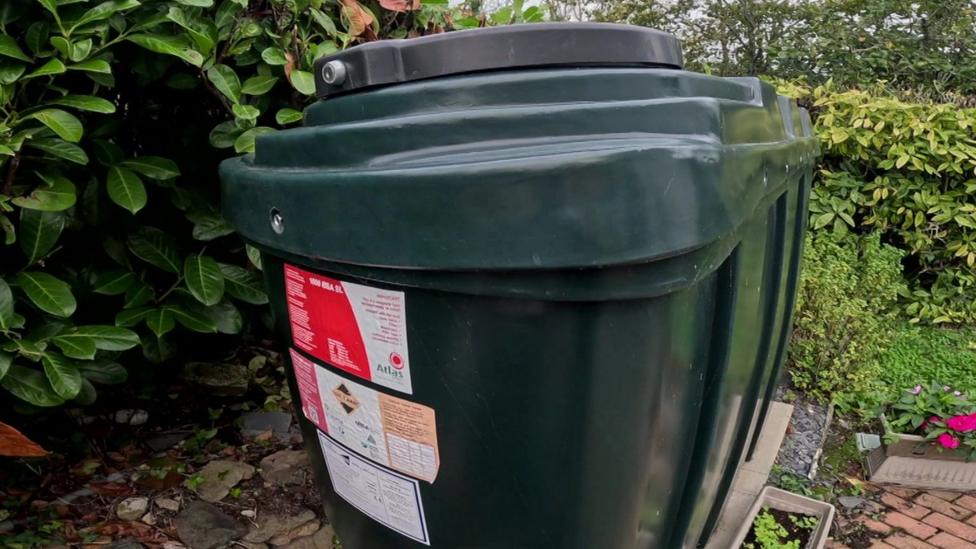
A 76-year-old woman in south Devon has expressed deep anxiety about turning on her heating due to the dramatic surge in domestic oil prices, which have nearly doubled in recent months. Roslynn Garner-Gatley lives in a three-bedroom semi-detached cottage in Yealmpton with no access to mains gas and depends entirely on oil for both heating and hot water. According to BBC News, her situation reflects a broader crisis affecting rural households across the UK.
Garner-Gatley's experience illustrates the scale of the price increases. Six months ago, she purchased 500 litres of heating oil for £317 plus VAT. When she recently sought a fresh quote from her supplier for the same quantity, she was informed the cost would now be £600 plus VAT—nearly double the earlier price.
I did not expect at my age after working for 50 years to be in a situation where I am terrified of putting on the heating because of the price of it.
To cope with the financial strain, Garner-Gatley has adopted several cost-cutting measures. She has begun retiring to bed earlier in the evening to conserve warmth while watching television, and now relies on a hot water bottle and bed socks as temperatures drop. Rather than maintaining hot water on a continuous timer, she switches it on only when needed for washing, cooking or bathing, then immediately turns it off again.
After working all my life I didn't expect to be constantly worrying about how to keep warm at my age. It is really quite frightening.Garner-Gatley emphasised that rural residents dependent on oil heating have no alternative suppliers and must accept whatever prices are offered to them.
What is driving these price increases?
Heating fuel costs have risen by up to 82% since the start of the US-Israeli conflict with Iran, according to Minister for Energy Consumers Polly Billington. This geopolitical tension has disrupted global energy markets and pushed domestic oil prices to levels not seen in recent years. Earlier reporting indicated that heating oil prices have surged from 60p to 97p per litre as global tensions drive costs higher, leaving thousands of south-west households facing difficult winter choices.
What government action has been taken?
In early October, the government announced measures intended to address the crisis in the heating oil sector. Ministers committed to tightening regulatory oversight, promoting greater competition among suppliers, and establishing clearer compensation mechanisms for customers when service failures occur. The government also pledged to review minimum order levels that some suppliers impose on customers, which can force buyers to purchase larger quantities than they need.
Beyond regulatory reform, both Cornwall Council and Devon County Council have allocated funding from their crisis resilience funds—money provided by the government—to support households struggling with rising heating oil costs. Cornwall Council has already distributed payments ranging from £300 to £1,386 to affected households, totalling £415,800 in spending. The council has since decided to award an additional £300 to the same households, effectively doubling the initial support.
Devon's crisis resilience fund, valued at approximately £8.4 million annually, operates through district councils and targets low-income households facing essential costs they cannot afford. Plymouth City Council and Torbay Council have also established their own crisis resilience funds to assist residents in their areas.

Who is affected by this crisis?
The problem extends far beyond individual cases like Garner-Gatley's. Approximately 1.7 million UK households rely on heating oil, and many face bills of £550 or more to fill a 500-litre tank as prices have surged 74% over seven months. For those living on fixed incomes or pensions, these rising costs force impossible choices between heating their homes and purchasing food. Rural areas, which lack access to mains gas networks, are particularly vulnerable, as residents have no alternative heating fuel options and must purchase oil at whatever price suppliers demand.
Key Facts
- Heating oil prices have increased by up to 82% since the start of the US-Israeli conflict with Iran
- Approximately 1.7 million UK households depend on heating oil for warmth and hot water
- Cornwall Council has distributed over £415,800 in crisis support payments, with plans to double this amount
- Devon's annual crisis resilience fund is worth approximately £8.4 million and targets low-income households
- The government has committed to regulatory reforms including tighter oversight, increased competition promotion, and review of minimum order levels