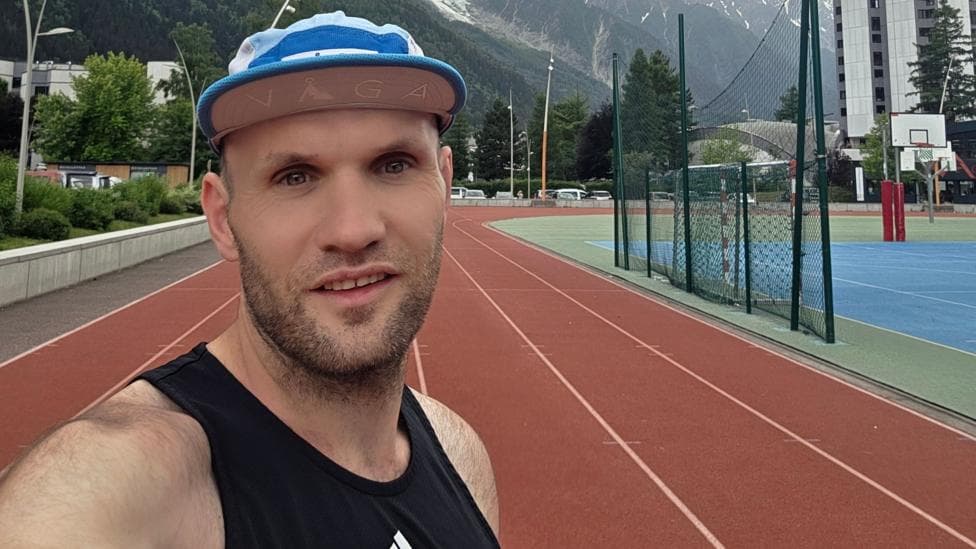
Wayne Davies, a sales engineer from Newtown in Powys, spiralled into anxiety and sleep deprivation after becoming consumed by a fitness addiction that left him constantly worrying about race times, training plans and fitness data. According to BBC News, the 40-year-old compared himself relentlessly to other runners on social media before seeking help through NHS Wales, where he regained control of his life. His experience highlights a growing recognition of fitness addiction as a genuine mental health concern affecting increasing numbers of people.
Davies began running approximately 10 years ago as a straightforward way to maintain fitness, but his relationship with the activity transformed dramatically over time. He progressed rapidly from casual jogs to marathons, then to ultra-distance races, including a gruelling 75-mile (120-kilometre) run around the Llŷn Peninsula in Gwynedd.
I became obsessed with trying to do longer and longer distances, then I started focusing on times. I was never happy, and always chasing the next challenge or trying to get a better time.
The turning point came when Davies experienced a heart scare during a training run, which resulted in a diagnosis of atrial fibrillation—a heart rhythm condition. Although he resumed running following treatment, he found himself consumed by anxiety about the condition recurring.
It felt like the end of the world if he did not hit his target.This fear intensified his obsessive behaviour, and he eventually recognised that his fitness routine had become an addiction rather than a healthy pursuit.
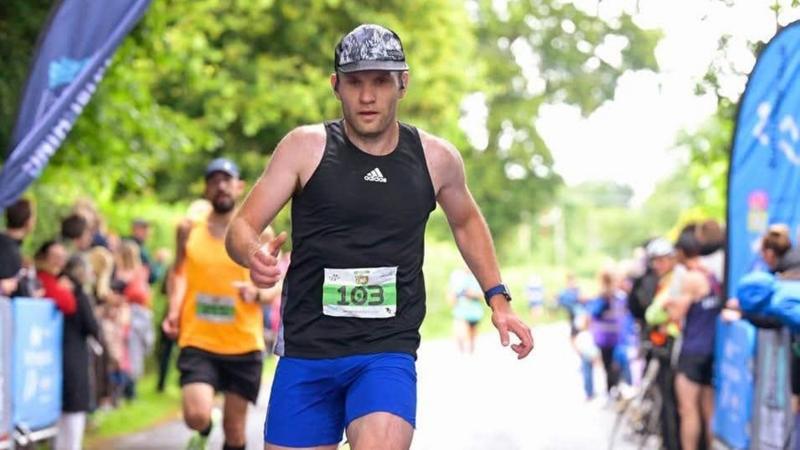
Davies did not initially understand that fitness addiction was a recognised condition.
I never realised a fitness addiction existed until I spoke up about it, adding that he was just trying to get better all the time. Since I shared the story I've had a lot of people saying they can relate to it.He acknowledged that shame and fear of judgment had prevented him from speaking openly earlier.
I probably wasn't open about it before because you feel like you're going to get judged. A lot of men think talking about how they feel is a sign of weakness, and I admit I did feel a bit ashamed at first. But taking that first step was probably the best thing I ever did.
With encouragement from friends and family, Davies approached his GP, who referred him to Ponthafren, a Powys-based charity. He enrolled in NHS Wales's SilverCloud Space from Anxiety programme, completing a 12-week course that taught him how to manage his thoughts and let go of unhelpful patterns. According to the health board's report, breathing exercises helped him feel calmer during the process.
I don't tend to look at the data as much anymore. I just accept it for what it is.
Davies's recovery has fundamentally altered his approach to running. He sometimes uses his watch as a guideline, but no longer obsesses over the numbers, instead choosing to
go by how I feel on the day.This shift in mindset has allowed him to rediscover enjoyment in the sport without it dominating his life or affecting his relationships, sleep and concentration as it once did.
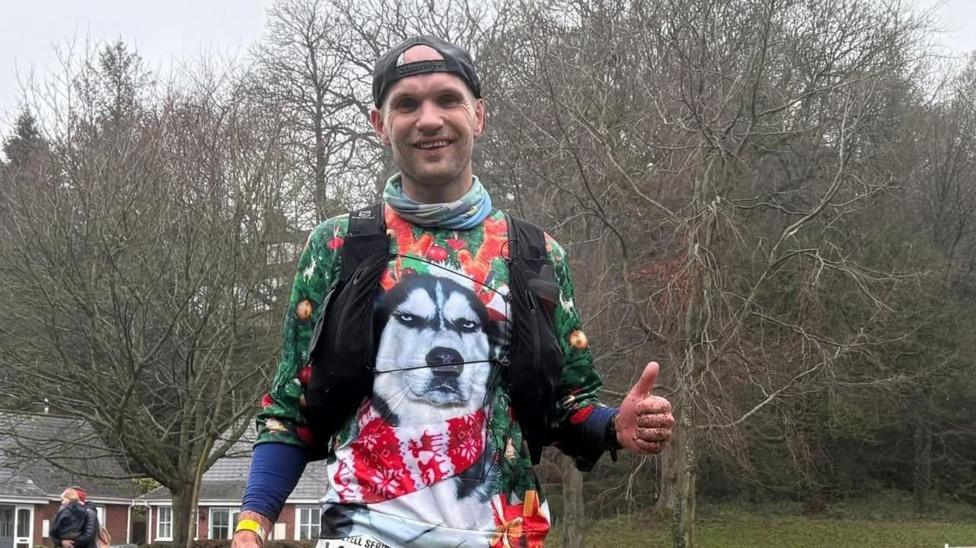
What does fitness addiction look like?
Zaheen Ahmed, head of therapy at UK Addiction Treatment Centre, has observed a marked increase in fitness addiction cases, with more than 57,000 people seeking help from their exercise addiction page in the past six months.
Typically this stems from clients embarking on sobriety and cross-addicting into fitness, to the point where that in itself then becomes the problem instead of substances.She attributes part of this rise to fitness apps, which have introduced a competitive element that was impossible a decade ago.
If fitness has overtaken your daily joy sources, then it's likely a problem has developed.
Ahmed emphasised that addictions themselves are not changing, but rather society is becoming more willing to discuss these behaviours openly.
We just have the means and desire to talk more openly and honestly about these behaviours. As life evolves and as a society we're exposed to more things to do, more ways to be engaged, there are more opportunities for unhealthy relationships develop.
Dafydd Judd, a personal trainer based in Cardiff, has noticed the boundaries blurring between fitness and technology addiction. He highlighted how calorie-counting apps can become
highly addictive if you are weighing, measuring and adjusting your calorie intake. There's way more food to track than there is with exercise, so I can see how that can get extremely obsessive.Judd encouraged people to seek help if their relationship with fitness becomes unhealthy, ensuring they are
channelling your energy in the right way.
Judd also cautioned against placing too much trust in fitness records shared online, noting an increasing trend of people
fudging the numbers and lying to create this illusion that they're better than they are.He described social media as a
double-edged swordin fitness culture. While companies use social media to promote their businesses and healthy competition can motivate people, the platforms simultaneously create unrealistic standards and foster comparison.
How does treatment work?
Fionnuala Clayton, project manager of NHS Wales's Online Cognitive Behavioural Therapy Service, expressed gratitude that Davies reached out during a challenging period in his life. She acknowledged that while exercise offers genuine mood-boosting benefits,
too much can have negative impacts on both mental and physical health.Clayton stressed the importance of seeking support when a fitness routine begins to dominate other areas of life.
Talking to someone and exploring other sources of support can be an important step towards a healthier balance. Stories like Wayne's remind us why accessible mental health support matters.
SilverCloud Wales provides free online support for people aged 16 and over for common mental health challenges including anxiety, depression, stress and poor sleep. The service can be accessed without requiring a GP referral, making it accessible to those who might otherwise hesitate to seek help through traditional routes.
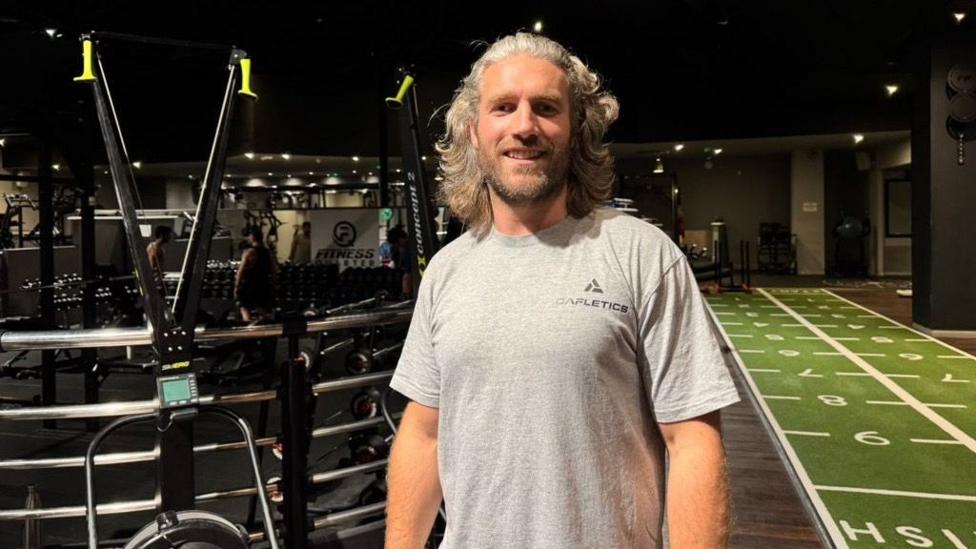
What comes next for Davies?
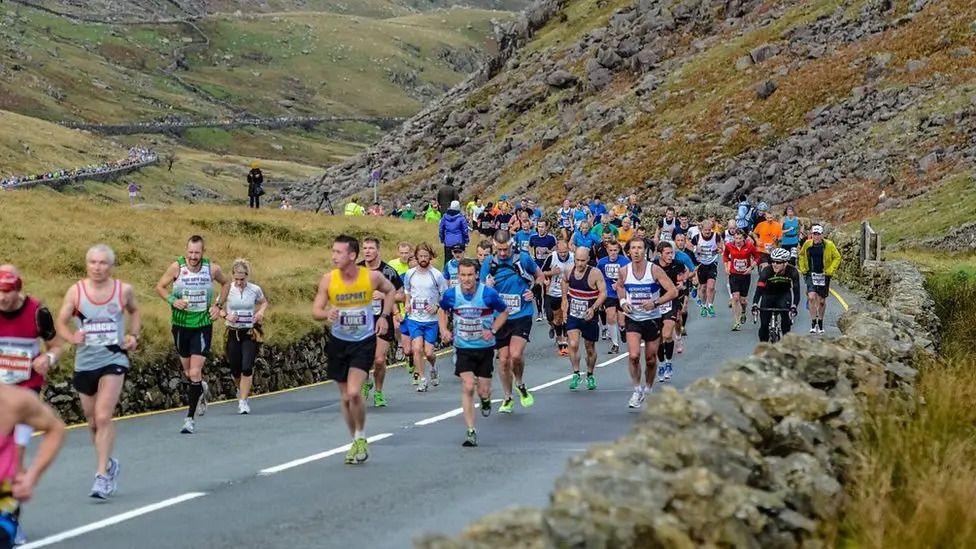
Davies has been training for the Marathon Eryri, formerly known as the Snowdonia Marathon, but with a fundamentally different perspective than before.
I'm not worried about times anymore. I just want to do the best I can on the day and enjoy it.The inaugural Marathon Eryri took place in 1982 and continues to attract runners seeking a challenging course through the Welsh mountains. Davies now views his participation as an opportunity to test himself while maintaining the balance and joy that had been absent during his addiction.
Davies is keen to encourage other men to seek support when fitness or any other behaviour begins to negatively affect their wellbeing.
People do want to listen and there are tools out there that can help. It's not as scary as you think.His willingness to share his story publicly has resonated with others experiencing similar struggles, demonstrating that recovery is possible and that reaching out for help is a sign of strength rather than weakness.
Key Facts
- Davies completed a 12-week NHS Wales SilverCloud Space from Anxiety programme with support from Ponthafren, learning breathing exercises and techniques to manage obsessive thoughts.
- More than 57,000 people sought help from fitness addiction resources in the past six months, according to UK Addiction Treatment Centre data.
- Fitness apps and social media have created new opportunities for compulsive behaviour by introducing competitive elements and constant comparison that were not possible a decade ago.
- SilverCloud Wales offers free online mental health support for people aged 16 and over without requiring a GP referral, covering anxiety, depression, stress and sleep issues.
- Davies shifted from obsessing over race times and training data to focusing on how he feels during runs and enjoying the experience itself.