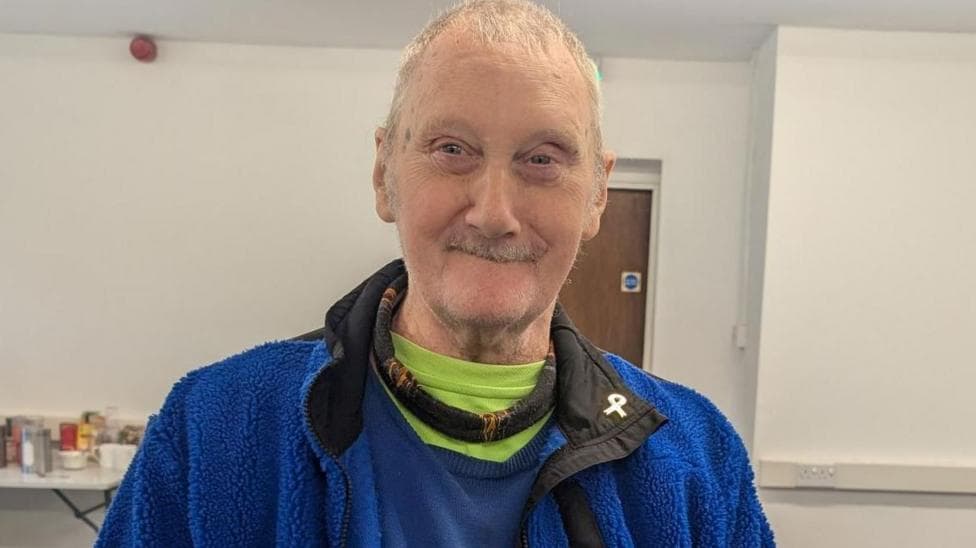
As autumn weather arrives and household budgets face mounting pressure, pensioners across the UK are adopting drastic measures to manage spiralling costs. Seventy-nine-year-old Errol McGuiness has restructured his entire daily routine, collecting rainwater, confining himself to a single room and layering clothing rather than using heating. His most striking economy involves darkness itself: he avoids switching on lights in the evening, navigating by memory to the toilet and kitchen instead.
According to BBC News, McGuiness's approach reflects a broader crisis affecting millions of households. The Ofgem price cap rose 4% on 1 October, taking the typical annual household energy bill to £1,723, while inflation reached 3.5% in September—its highest level for almost a year. Fuel prices drove much of this increase, with petrol averaging 169.5p per litre and diesel 192.5p, both sharply higher than in August.
McGuiness acknowledges he has a health condition and his daughter regularly urges him to activate the heating. Yet he remains determined to keep costs minimal, joking about his unconventional approach:
"You don't need a light on to watch telly. You don't need a light on when you go to bed. You know the way to the toilet and the kitchen, so you don't need a light on."
How widespread is the struggle?
McGuiness's situation is far from isolated. The Joseph Rowntree Foundation estimates that 7.4 million low-income families could not afford at least one essential in the previous six months, up from 7.1 million a year earlier. Four years into the cost-of-living crisis, nearly two-thirds of low-income households report struggling to afford basics including food, heating and clothing.
The impact on daily behaviour is stark. The JRF survey found 47% of respondents had cut back on meals, skipped meals or gone hungry in the previous 30 days, representing an estimated 5.6 million households.
Another pensioner, 83-year-old widower Bryan, has adopted a similar strategy to McGuiness. He now spends most of his time in a single room, using a fan heater to warm only that space.
"I put a cardigan on and whatever it is you put on to keep yourself warm, shut the door, put the fan heater on to warm the house up. When you see the price keep going up, I think, 'well, I'm sitting in one room'."
What are support services observing?
At Affordable Foods in Blurton, Stoke-on-Trent, centre manager Melissa Baydilly witnesses these struggles daily. The organisation operates a food bank, social supermarket and outreach service helping people with debt, benefits and employment issues. She reports that stories like McGuiness's and Bryan's are becoming routine.
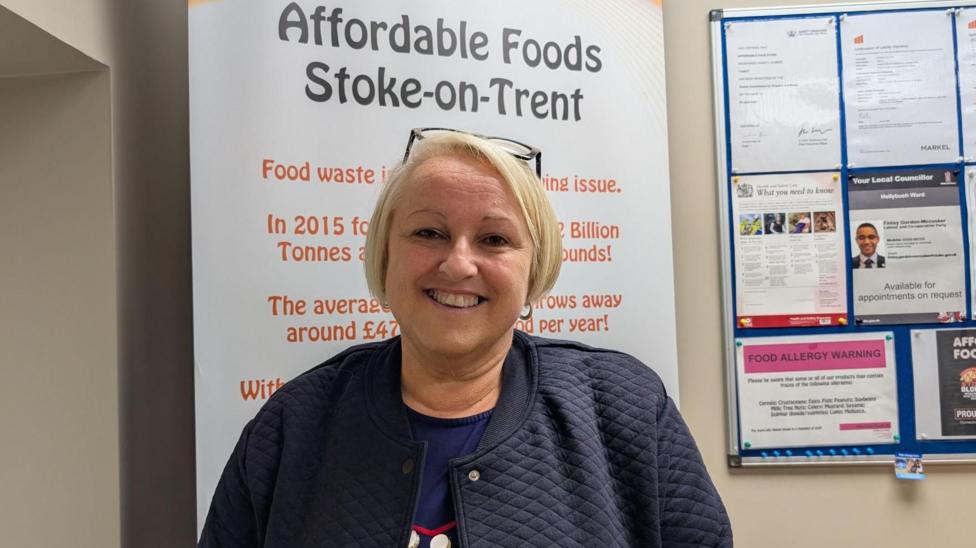
Baydilly notes that price inflation is visible everywhere.
"Every supermarket you go into, everything's gone up. There isn't a place where you would go now and not say there's at least a 25% to 30% hike on prices."She believes pensioners are experiencing the strain most acutely, questioning whether older people should be forced to choose between different fruits and vegetables at the supermarket after a lifetime of work.
What policy responses are being proposed?
Prime Minister Andy Burnham has announced measures intended to ease pressure on household finances, including removing standing charges from gas bills. These proposals come as the government acknowledges the severity of the crisis facing millions of households.
What happens next?
The next UK inflation figures, covering October, are scheduled for publication on 18 November at 07:00. These figures will provide further insight into whether price pressures continue to mount or begin to ease for struggling households.