Clinics across England are promoting time-limited discounts on liquid Brazilian butt lifts (BBLs) and other cosmetic procedures, prompting warnings from medical experts and advertising regulators about the risks of rushing into such treatments. According to The Guardian, the Advertising Standards Authority (ASA) has taken enforcement action against multiple clinics for marketing these procedures irresponsibly, while plastic surgeons have raised concerns that seasonal offers could pressure vulnerable consumers into decisions they might otherwise avoid.
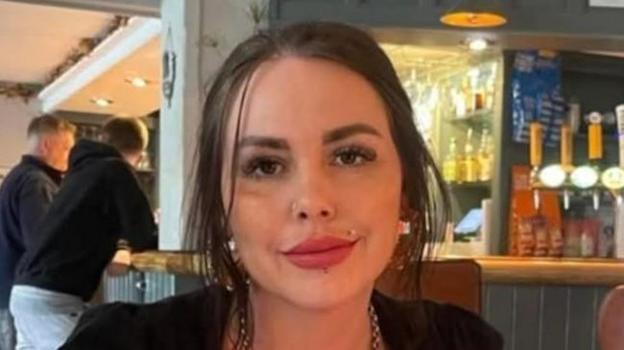
The controversy follows the death of Alice Webb, a 33-year-old mother of five, who died after receiving a liquid BBL at a salon in Gloucester in 2024. Her family has called for regulatory measures to prevent further deaths. The incident has intensified scrutiny of an industry where unqualified practitioners currently operate with minimal oversight, though England plans to restrict high-risk cosmetic procedures like liquid BBLs to qualified healthcare professionals by 2027.
What are the medical risks of liquid BBLs?
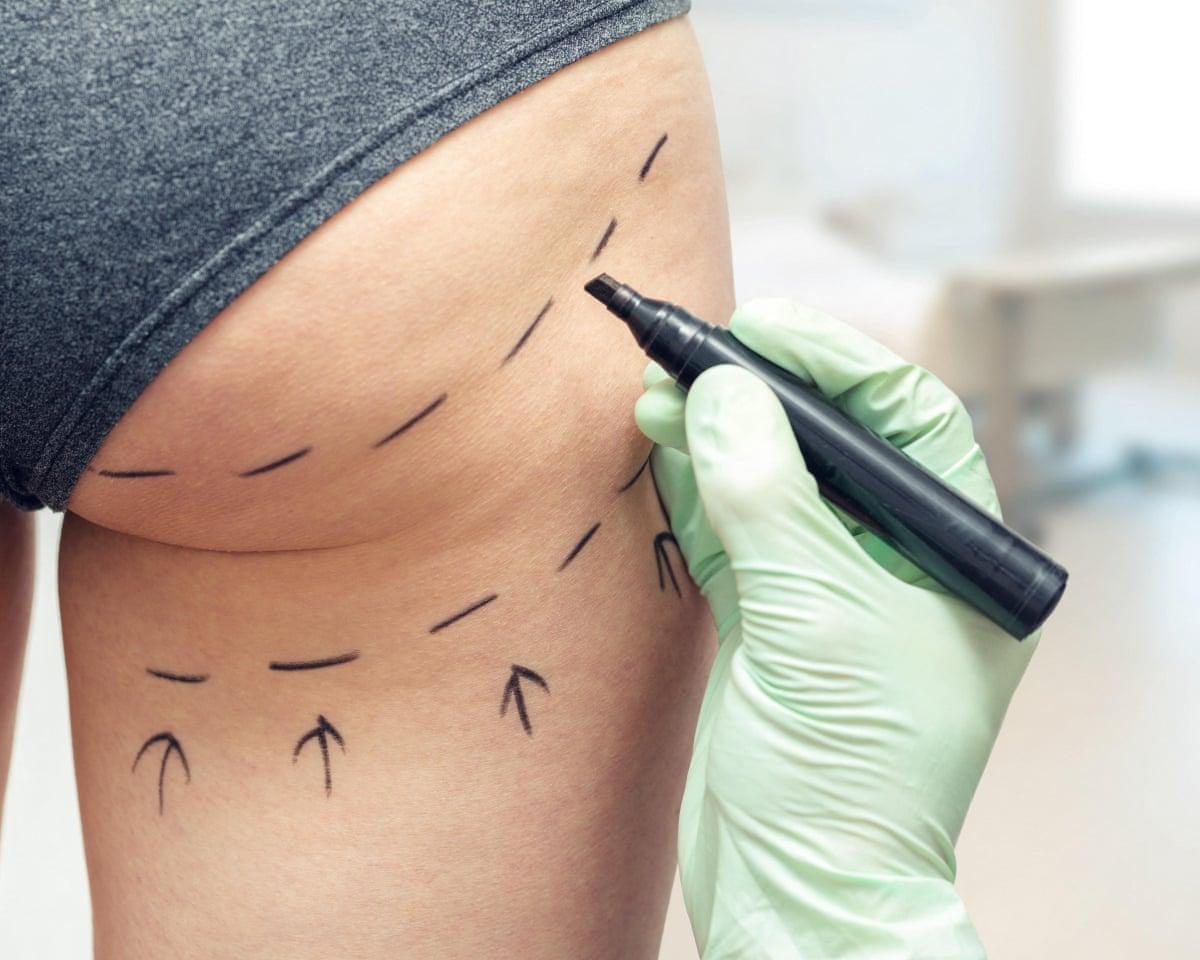
A liquid BBL involves injecting dermal filler into the buttocks, a procedure that plastic surgeons say carries substantial risks and demands expert skill and training. Large volumes of filler can trigger serious complications including blood clots, fat embolisms and sepsis. According to Ashton Collins, director of Save Face, a government-approved register of accredited non-surgical treatment practitioners, the procedure is far from routine.
These are not routine beauty treatments; they are serious medical procedures that can lead to devastating complications,she said, adding that
marketing them this way trivialises the risks, and pressures people to make snap decisions without the time, information or proper consultation they need to make an informed choice.
Save Face has received 1,004 patient-reported complaints about non-surgical BBLs, hip-dip and breast-augmentation procedures since 2023. The data reveals the severity of outcomes: more than 50% of complainants experienced sepsis, 94% required hospital treatment and 43% required surgery. Collins emphasised that
the impact on people's lives can be profound and lasting.
How widespread are the promotional offers?
Between April and December 2025, the ASA captured 928 unique paid liquid-BBL advertisements on Meta, with only 11.5% of checked ads complying with the regulator's rules. The ASA found that some advertisements made unsupported claims such as
0% infection rateor described procedures as
safewithout properly reflecting the risks involved. Other ads exploited body insecurities, promising to
boost your confidenceor
transform your body effortlessly.
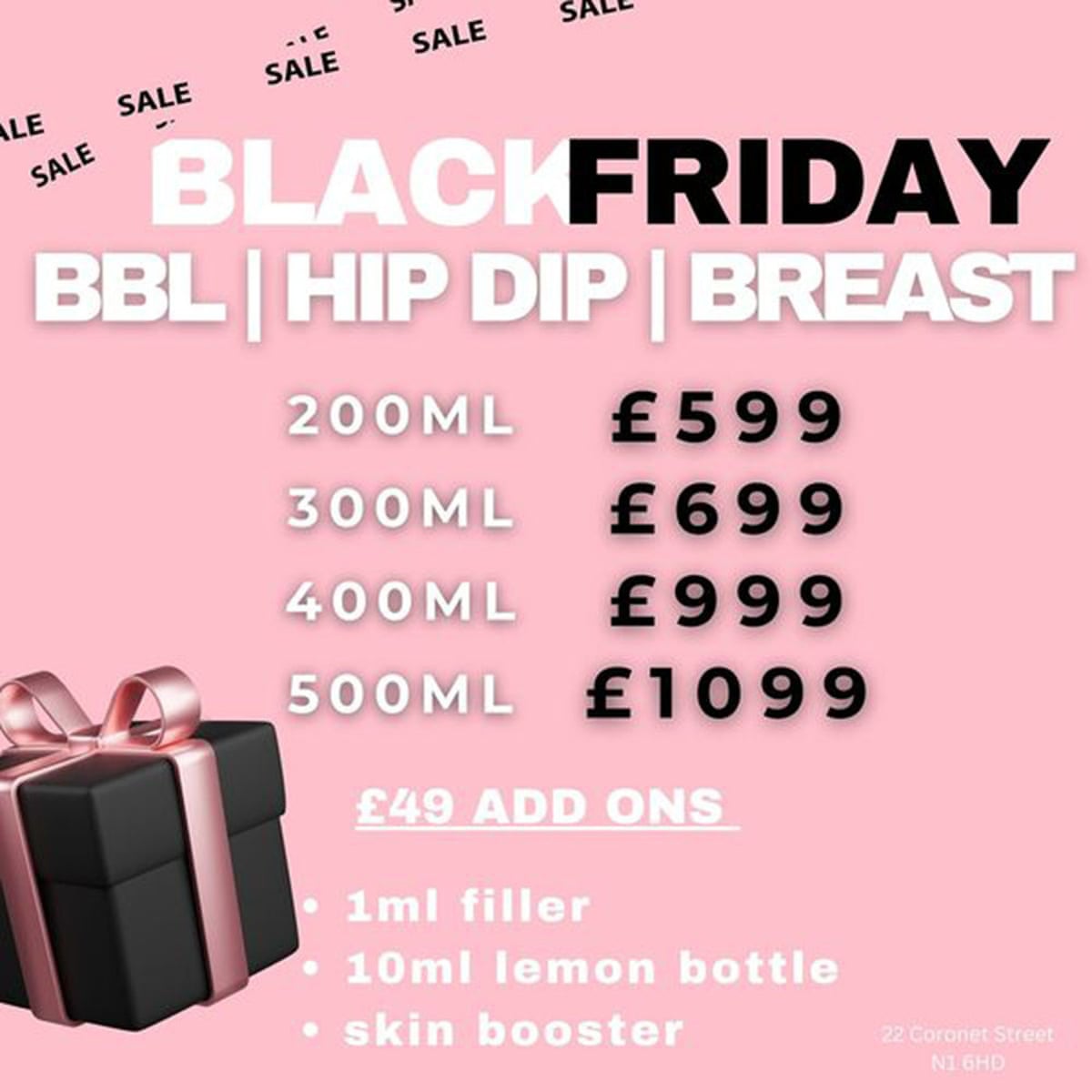
Specific clinics have run aggressive promotional campaigns. Clinic Blvd recently advertised on social media a 48-hour deal offering 800ml of filler plus 200ml free for £1,300, accompanied by imagery of a woman's bottom and claims that demand was at
an all time highand that deals would not be available to everyone. The clinic also listed breast filler at £799 for 400ml. De Vere Signature Aesthetics promoted 100ml of complimentary filler as a
special limited time offeradded to procedures, with pricing that fell from about £5 per millilitre at lower volumes to about £1.50 at higher volumes, effectively rewarding customers for choosing larger amounts. The Belle Clinic advertised 40% off a liquid BBL in autumn to
get ready now for your Christmas party.
What action has the regulator taken?
The ASA instructed six clinics to amend or remove non-compliant advertisements, with three complying and Meta removing ads from the other three. The regulator contacted 15 advertisers in total and referred non-responders to Meta for action. An ASA spokesperson said the authority's rules made clear that adverts for liquid BBLs must be socially responsible.
We've taken widespread and targeted enforcement action against advertisers breaking the rules, including by trivialising the risks of these procedures, using time-limited promotions to create a sense of urgency and exploiting women's insecurities,the spokesperson said, adding that
we support the introduction of further government measures to regulate the sector.
Compliance with ASA rules has fluctuated significantly. The regulator's September 2025 sweep found compliance at 31.5%, but this fell to 11.5% by December, suggesting that seasonal advertising around Black Friday and the festive period may have contributed to the decline.
What do medical professionals say about discounting cosmetic procedures?
Nora Nugent, a consultant plastic surgeon and former president of the British Association of Aesthetic Plastic Surgeons (BAAPS), expressed concern over time-limited discounts.
This is a sales ploy that makes people make quick decisions in case they lose out on the offer,she said. She warned that any special offers, even if not time-limited, could encourage people to have treatments they might not otherwise choose.
Gerard Lambe, a consultant plastic and cosmetic surgeon and spokesperson for BAAPS, was more emphatic about the dangers.
People encouraging you to have increased volumes and reduced prices, that's the worst thing that you could ever do. [You] should never ever do that to people. It increases your risk of complications.
However, Lambe acknowledged complexity in the issue. He noted that some private plastic surgeons do offer deals on procedures, and that lack of affordability could lead people to seek cheaper surgery abroad, where the risk of complications may be even greater.
The issue of finance is complex,he said.
How have clinics responded to criticism?
Clinic Blvd stated that patient safety and informed consent were its top priorities.
All treatments are subject to individual consultations and clinical suitability assessments,a spokesperson said.
We take responsible advertising seriously and remain committed to maintaining appropriate professional standards.
The Belle Clinic's spokesperson said the promotion was an autumn and winter seasonal offer.
It is not intended to create urgency or pressure anyone into making a decision about an aesthetic procedure. We take the ASA's guidance seriously and are willing to review our promotional wording to ensure it communicates our approach responsibly.De Vere Signature Aesthetics was approached for comment but did not respond.
What regulatory changes are planned?
The government plans to consult on draft cosmetic-procedure rules, with proposals expected to go through Parliament in spring 2027. These measures would build on existing calls for regulation following high-profile cases. In November 2026, a mother-of-five's death from a liquid Brazilian butt lift was ruled accidental after she received seven times the recommended filler amount, with the coroner warning of significant risks and planning to issue a report on regulating the aesthetics industry.
The proposed regulations are expected to restrict high-risk procedures to qualified healthcare professionals and impose penalties on rogue operators. Collins of Save Face said she was
outragedby BBLs being advertised as
party-season bargainswith time-limited discounts, emphasising that such marketing trivialises serious medical risks and pressures consumers into uninformed decisions.
Key Facts
- The ASA found only 11.5% of liquid-BBL advertisements complied with its rules between April and December 2025, with compliance falling from 31.5% in September as seasonal promotions increased.
- Save Face received 1,004 patient complaints about non-surgical BBLs since 2023, with 94% requiring hospital treatment and 43% requiring surgery.
- Liquid BBLs can cause blood clots, fat embolisms and sepsis, with more than 50% of Save Face complainants experiencing sepsis.
- The government plans to consult on draft regulations restricting high-risk cosmetic procedures to qualified professionals, with proposals expected in Parliament in spring 2027.
- The ASA has instructed six clinics to amend or remove non-compliant advertisements, with three complying and Meta removing ads from the other three.