The government has unveiled plans to restrict high-risk cosmetic procedures such as liquid Brazilian butt lifts, vampire facials and chemical peels to properly trained healthcare professionals in England, with implementation expected in 2027. Under the new framework, only doctors will be permitted to perform injectable fillers into body parts other than the face, while certain nurses, dentists, midwives and pharmacists with appropriate training may offer other high-risk non-surgical treatments. According to BBC News, the measures aim to eliminate unqualified "cosmetic cowboys" from the market and protect consumers from procedures that can cause serious harm or death when performed unsafely.
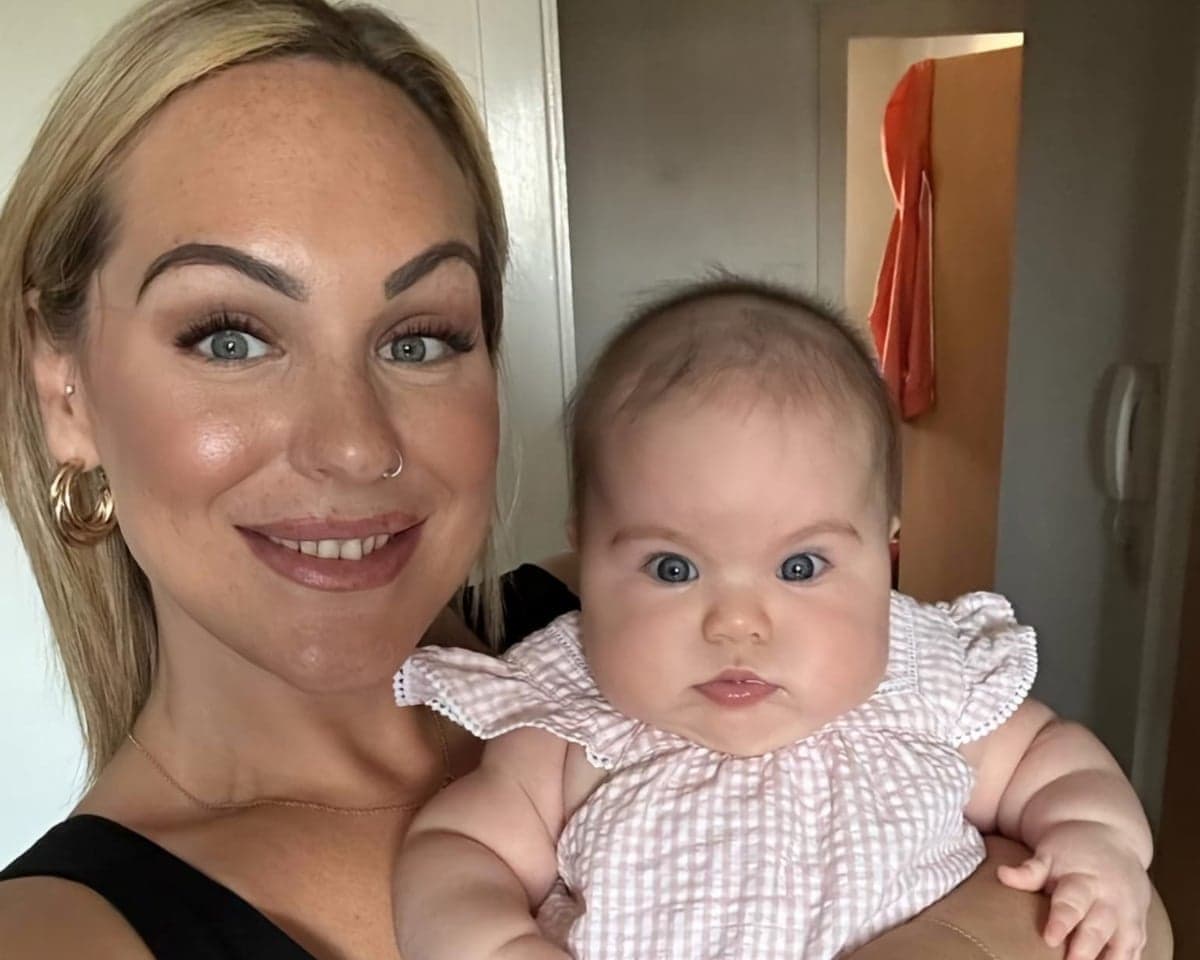
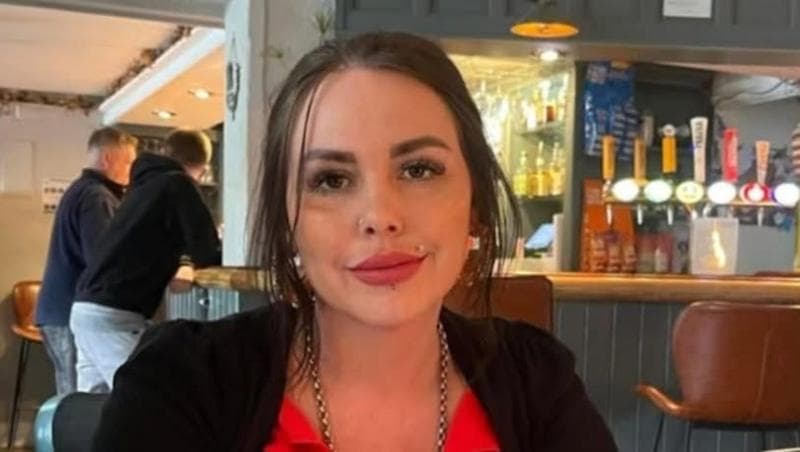
The proposals follow years of documented cases in which vulnerable people suffered severe complications or death after treatment by rogue operators working in unsuitable locations. Alice Webb, a mother-of-five from Gloucestershire, died within hours of receiving a liquid Brazilian butt lift in 2024. That same year, Sasha Dean from Bedfordshire fell into a coma after undergoing the procedure, during which part of her treatment took place in a private house. She subsequently developed sepsis and experienced multiple organ failure.
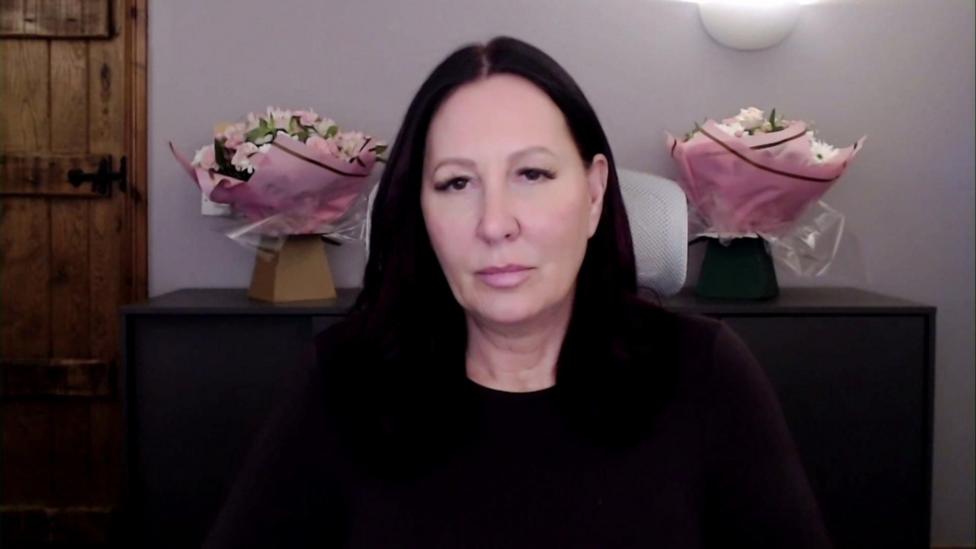
Sasha Dean described the rapid deterioration of her condition to BBC News:
"Very quickly it turned into a complete nightmare. I had a heart attack, one of my lungs had collapsed, my kidneys were failing. My body was just completely shutting down."
The government's consultation on cosmetic industry regulation began in 2023, but pressure for stricter rules has mounted for considerably longer. Procedures have been reported to take place in Airbnbs, hotel rooms, garden sheds and public toilets, carried out by practitioners with no formal qualifications. Women have reported dangerous complications, persistent pain and permanent scarring following treatment by unregulated operators.
What will the new rules require?
Under the government's framework, fillers injected into parts of the body other than the face—such as those used in liquid Brazilian butt lifts—will be legally classified as cosmetic surgical procedures, meaning only doctors could perform them. High-risk non-surgical or wellbeing treatments, including deep chemical peels, vampire facials, dermal micro-coring and certain laser procedures, would be restricted to doctors, dentists and some nurses, midwives and pharmacists who have received appropriate training. Cosmetic surgery and risky treatments will be banned entirely for people under 18 years old, extending existing restrictions on lip fillers and Botox in children.
Rogue providers who breach the new rules will face criminal offences and fixed fines of up to £4,000. The government's consultation received more than 11,800 responses, according to the government's consultation response, and the planned framework separates highest-risk procedures—to be overseen by the Care Quality Commission—from lower-risk procedures that would be licensed by local authorities. The lower-risk licensing scheme would cover both practitioners and the premises where they work.
What are these high-risk procedures?
A liquid Brazilian butt lift is a non-surgical cosmetic procedure in which dermal fillers are injected into the buttocks to alter their size or shape. Vampire facials involve drawing a patient's blood and then separating out platelet-rich plasma using a centrifuge, with the plasma subsequently injected back into the face through tiny needle punctures. Dermal micro-coring removes tiny sections of skin using thin hollow needles, small enough to allow scarless healing. Chemical peels are skin resurfacing procedures that use a chemical solution to remove the top layers of skin.
Who supports and opposes the plans?
Health Minister Karin Smyth stated:
"We want to drive cosmetic cowboys out of the market and raise standards across the board, giving reputable businesses a fair chance to thrive by helping people identify safe, qualified providers they can trust."The British Beauty Council said the government should be congratulated for addressing the issue directly.
However, Keith Allison from the Royal College of Surgeons of England argued that the consultation was "long overdue" and, while welcome, the proposals did not go far enough.
"Ministers must ensure they do not create a new loophole in patient protection by regulating non-surgical cosmetic procedures more robustly than cosmetic surgery itself. A doctor should not be able to carry out cosmetic surgery simply because they hold a medical license."On 24 September 2026, a parliamentary committee called for immediate action on high-risk cosmetic procedures, warning that further consultations could delay regulation and raising the possibility of a central record of procedures.
How does this compare to other parts of the UK?
Scotland has already moved ahead with regulation. Laws passed in March 2026 require cosmetic procedures to be performed by, or alongside, certain healthcare professionals in a registered setting, with non-surgical procedures banned for under-18s. Wales and Northern Ireland currently have no dedicated regulations around cosmetic procedures. A licensing scheme for Botox clinics in England to improve safety standards has already been announced.
What happens next?
The government will now seek input from doctors, businesses, regulators, the public and other experts on the draft rules. The government intends to launch a public consultation on the high-risk restrictions early in 2027, with proposals then requiring passage through Parliament as secondary legislation. Under Section 180 of the Health and Care Act 2022, the government has the power to create a licensing scheme, and the reforms will require secondary legislation and parliamentary approval. The plans are scheduled to go through parliament in spring 2027.
Key Facts
- Only doctors will be allowed to perform injectable fillers into body parts other than the face under the new rules
- High-risk cosmetic procedures will be banned entirely for people under 18 years old
- Rogue providers will face criminal offences and fixed fines of up to £4,000
- The government's consultation received more than 11,800 responses before finalising the framework
- Scotland has already implemented similar regulations, while Wales and Northern Ireland have no dedicated cosmetic procedure regulations