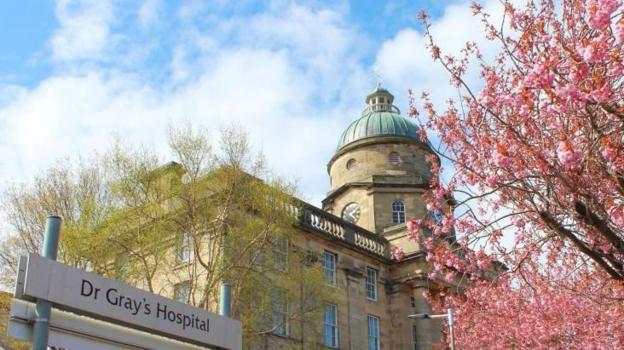
Healthcare Improvement Scotland has delivered a scathing assessment of NHS Grampian's management, identifying major problems at Dr Gray's Hospital in Elgin alongside systemic deficiencies spanning the entire region. The watchdog found evidence of a failure to learn from mistakes and recurring patterns of harm affecting patient safety. According to BBC News, the report represents the most serious review Healthcare Improvement Scotland has ever undertaken, pointing to weak leadership across the whole organisation that has undermined recruitment, management and governance.
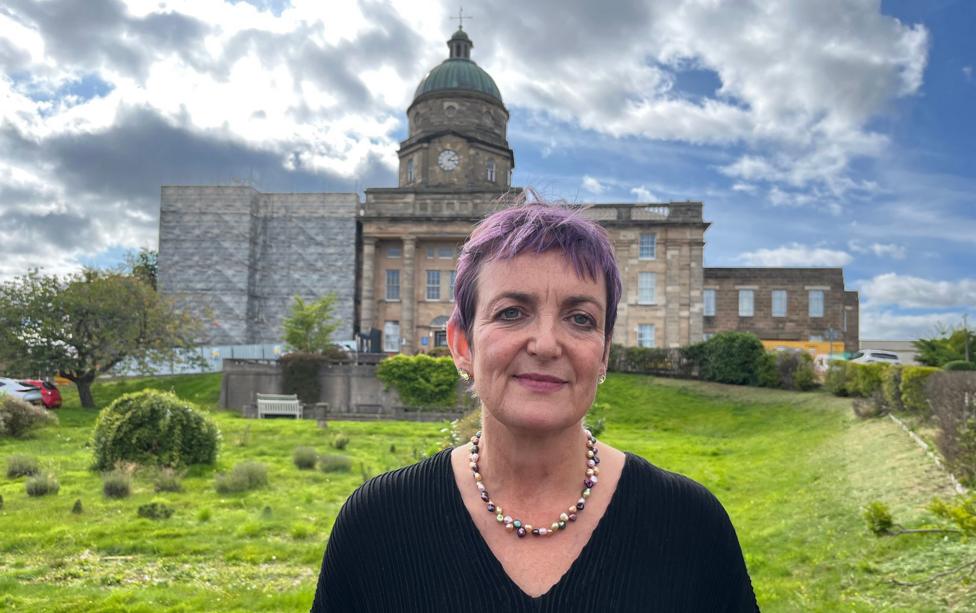
At the centre of the controversy is chief executive Laura Skaife-Knight, who earns between £170,000 and £175,000 annually. Although she commissioned the review, she has not escaped criticism. The investigation revealed that Skaife-Knight was forced to issue a humiliating public apology earlier this year after providing misleading information to the watchdog about a review into a patient's death during surgery.

The watchdog discovered that the initial investigation into the patient's death was inadequate and failed to meaningfully examine the surgeons' actions and clinical decisions. More seriously, Skaife-Knight then misled Healthcare Improvement Scotland by claiming that senior executives had neither seen nor signed off on the review. In reality, executive medical director Hugh Bishop had been sent the review and had discussed it in a meeting, though he subsequently claimed to have
no recollectionof this. Bishop has since left his post.
The misinformation provided by Skaife-Knight caused
significant distressto staff at lower levels, who felt management had attempted to shift blame onto them. She subsequently apologised to both Healthcare Improvement Scotland and the affected staff, taking steps intended to rebuild trust. However, the watchdog's findings suggest the problems extend far beyond a single individual's conduct.
The diagnostic review, commissioned in May 2026 after significant concerns about services emerged, identified a pattern of management failure affecting the entire health board. NHS Grampian has accepted the review's findings and committed to publishing details of who is accountable for implementing changes and how progress will be measured.
Healthcare Improvement Scotland made six recommendations in response to its findings, including developing a long-term plan for Dr Gray's Hospital, strengthening board assurance mechanisms, and establishing clearer medical workforce planning. Separate inspection reports published alongside the diagnostic review identified 15 requirements and one recommendation for NHS Grampian's improvement plan, following unannounced visits in April 2026 to maternity services at Dr Gray's and Aberdeen Maternity Hospital, and mental health and acute services at Dr Gray's.
Health Secretary Angela Constance has indicated she is maintaining confidence in Skaife-Knight, stating that
she has operated with candourand
put her hands up when she made mistakes. Constance noted that almost half of the board has changed and a new chairperson is about to take up post, with expectations that they will hold senior executives to account.
What triggered the investigation?
The diagnostic review was prompted by concerns that emerged in 2026 regarding patient safety at NHS Grampian. The review examined a critical incident involving a patient death during surgery, where the initial adverse-event review failed to adequately scrutinise the clinical decisions made by surgeons involved. The investigation into how this case was handled revealed systemic problems in how the health board manages serious incidents and communicates with its workforce.
The problems at NHS Grampian had been building for some time. In June 2026, the health board temporarily suspended paediatric surgery at Dr Gray's, but senior management discovered in August that the suspension had not been fully enacted, highlighting failures in implementation and oversight. Additionally, staff sickness was identified as a major factor in NHS Grampian's critical incident declared in late September, when emergency departments at Aberdeen Royal Infirmary and Dr Gray's Hospital in Elgin struggled with severe operational pressures.
Is this a wider problem across Scotland's NHS?
The failings identified at NHS Grampian reflect broader concerns about leadership and accountability across Scotland's health service. In July 2026, emergency medicine consultants in Glasgow wrote to Healthcare Improvement Scotland warning of a risk of
whole-system failureand ongoing risks to patient safety at Queen Elizabeth University Hospital. The doctors reported that the situation in the emergency department had deteriorated since an inspection in 2024 and held health board executives responsible for the decline.
Staff at the Glasgow hospital scored their confidence in leadership at just 32 out of 100 in a recent survey. The consultants questioned the transparency of their chief executive, Prof Jann Gardner, claiming she encouraged them to engage with a 2025 independent review of culture and relationships, the results of which have never been published. Senior emergency doctors at Glasgow's Queen Elizabeth University Hospital have warned Healthcare Improvement Scotland of patient harm from care delays, describing an uncontrollable system failure and overcapacity forcing staff to move patients.
NHS Greater Glasgow and Clyde responded by stating it continued to address the issues raised and that a programme of improvement work was ongoing. Elsewhere, the chief executive of NHS Ayrshire and Arran also stepped down during 2026 following the health board's financial near-collapse.
These recurring problems across multiple health boards suggest that the issues are not isolated to individual leaders or organisations but reflect systemic challenges in how Scotland's NHS is managed and held accountable. Frontline staff across the country appear to feel they are bearing responsibility for failures in leadership by highly-paid executives at the top of health boards.
What happens next?
The health secretary is scheduled to outline a comprehensive set of actions on Tuesday, 17 November 2026. She has indicated she is considering further escalation measures and expects demonstrable improvements before the end of 2026. With NHS Grampian already in special measures because of financial difficulties, further escalation is inevitable.
An interim medical director is due to start on 16 November 2026. NHS Grampian has announced it will consider immediate actions at its public board meeting on 3 December 2026. These decisions will be closely watched by staff and patients across the region.
The government's response to the NHS Grampian crisis will also inform broader discussions about structural reform. In September, the Scottish Government announced plans to cut the number of health boards from 14 to two. There is ongoing debate about whether this is the right move for patients, but there is also a fundamental question over whether huge structural changes can improve the accountability of NHS leadership or address the cultural problems that have emerged at multiple health boards across Scotland.