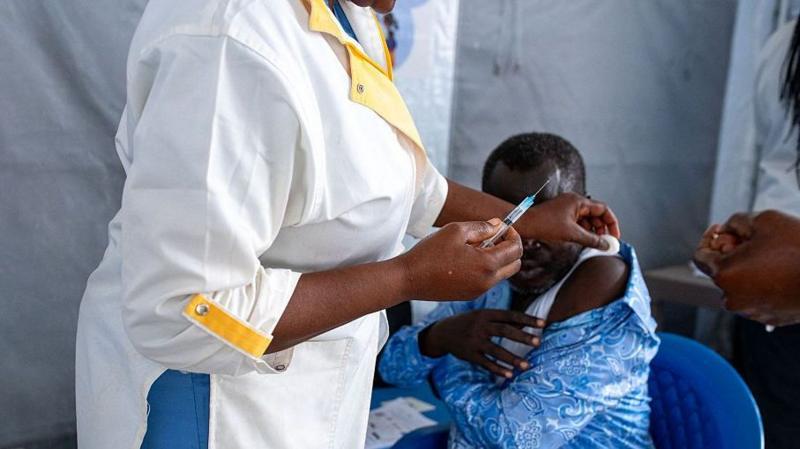
Hundreds of millions of dollars allocated to combat Ebola in the Democratic Republic of Congo are failing to reach frontline workers and patients, according to a warning issued by Médecins Sans Frontières (MSF). The medical charity reports a severe gap between funds disbursed and resources actually deployed to tackle an outbreak that remains beyond control. According to BBC News, more than 5,400 deaths and 11,000 infections have been recorded since the outbreak was declared in May, making it the second deadliest Ebola epidemic on record.
MSF highlighted a troubling pattern in its assessment:
Despite the vast amounts of money provided for the response, many frontline responders are left trying to contain the outbreak with empty hands and empty pockets.The charity documented cases of healthcare workers operating without payment or training, ambulances unable to function due to lack of fuel, and surveillance teams that exist only on paper. The organisation has called on the Congolese government and UN agencies to strengthen financial oversight and accountability mechanisms to ensure resources reach those who need them most.
The scale of the funding gap became apparent when the Africa Centres for Disease Control and Prevention (Africa CDC) disclosed that $700 million out of $962 million distributed to implementing organisations could not be accounted for. Africa CDC chief Jean Kaseya characterised this as a major transparency and financial reporting failure rather than deliberate embezzlement, though the distinction offers little comfort to communities struggling with inadequate response capacity.
How are resources failing frontline workers?
MSF teams have documented systematic failures in resource allocation across affected areas. Healthcare facilities lack basic supplies including water, chlorine and triage systems, transforming some into transmission centres rather than places of treatment. According to Moneyweb, on 9 November fewer than 80% of nearly 34,000 identified contacts had been reached, falling short of the government's 95% target, while some North Kivu workers were three months behind on pay.
MSF president Javid Abdelmoneim expressed frustration with conditions on the ground:
Our teams are often left speechless by the dysfunctions they witness in many areas. Six months into the response, this situation is simply unacceptable.The charity observed that in Ituri province, only 9% of Ebola patients treated by MSF teams had previously been identified as contacts, while in Beni nearly three-quarters of patients contracted the disease within health facilities themselves, indicating failures in early detection and isolation protocols.
Why is contact tracing proving so difficult?
Contact tracing represents one of the most critical tools for stopping Ebola transmission, yet it remains deeply problematic across the outbreak zone. Despite official resource allocation for this activity, MSF found that surveillance efforts are inadequate and inconsistently implemented. Two-thirds of deaths are occurring in communities rather than treatment centres, suggesting that people are dying before reaching care facilities or avoiding them altogether due to mistrust or inaccessibility.
The geographic distribution of the outbreak compounds these challenges. The epicentre lies in eastern Democratic Republic of Congo, a region ravaged by decades of conflict with some areas under rebel control. Poor road infrastructure makes travel extremely difficult, hampering both the delivery of supplies and the ability to conduct effective contact tracing. MSF identified an excessive concentration of response efforts in certain areas while other provinces with urgent needs remained dramatically overlooked, with North Kivu receiving insufficient resources and Haut-Uélé particularly neglected.
What is the current scale of the outbreak?
The outbreak involves the Bundibugyo species of Ebola virus, a relatively rare strain for which no approved vaccine or treatment currently exists, though clinical trials are underway. According to the World Health Organization, the outbreak spans the Democratic Republic of the Congo, Kenya and Nigeria. On 10 November, authorities reported 72 new cases and 46 deaths, including 30 deaths occurring in communities outside treatment centres.
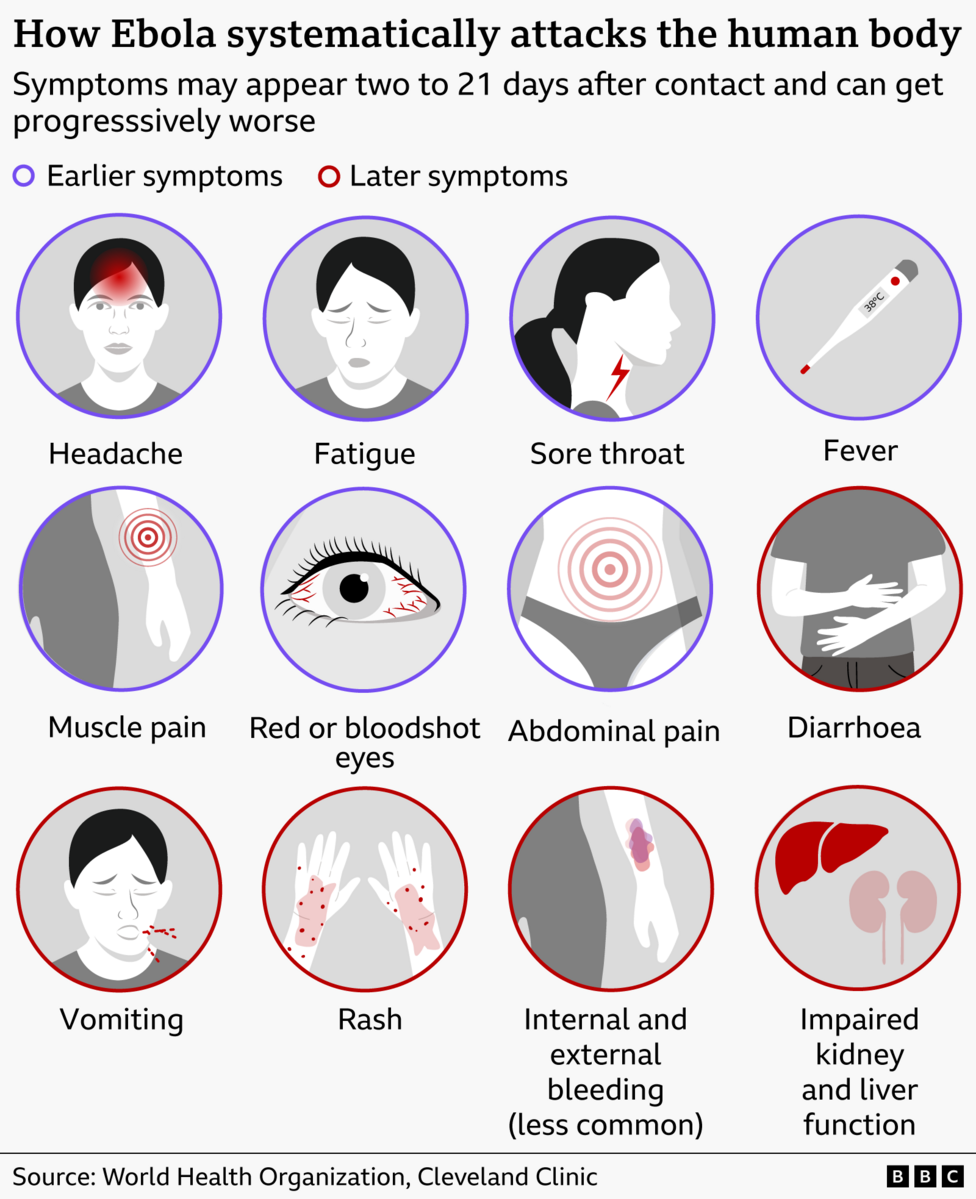
The outbreak has grown significantly since earlier phases. Previous reporting documented the death toll climbing from over 2,300 in August, and by late October the total had exceeded 5,000, making it the deadliest outbreak in the country's history. The Bundibugyo virus has proven particularly challenging to contain, with symptoms appearing between two and 21 days after exposure and potentially progressing to severe complications including internal and external bleeding, organ failure and death.
A significant development occurred on Wednesday when the last person infected with Ebola in Kenya was discharged from hospital, marking a major milestone in containing the disease within that East African nation. However, the broader regional threat remains substantial, with cases confirmed across multiple countries and ongoing transmission in the Democratic Republic of Congo.
What is MSF's assessment of resource allocation?
MSF's own response operations provide a window into the scale of international effort. As of early November, the organisation was operating eight treatment centres and deploying three rapid-response teams across five of the eight affected provinces. MSF had allocated €64.6 million and deployed nearly 2,900 personnel to its response efforts, yet even this substantial commitment proved insufficient to address the outbreak's full scope.
The charity has urged authorities to prioritise several critical measures: ensuring response personnel receive proper training and compensation, equipping frontline workers adequately, and directing resources toward areas where needs are greatest.
Despite the resources officially allocated to this critical activity, surveillance remains deeply problematic,MSF stated, emphasising that the disconnect between funding and implementation represents a fundamental obstacle to outbreak control.
International support has been mobilised at scale. A November report noted that the United States had reported $887 million in assistance in September, while the World Bank described $426.6 million in financing in October. The WHO and Africa CDC launched a six-month continental response plan in June seeking $518 million for preparedness and response through November 2026, yet these substantial commitments have not translated into effective field operations in many areas.
What happens next in the response?
The WHO has indicated that response operations are being scaled up across multiple fronts, including enhanced surveillance, expanded contact tracing, improved clinical preparedness, accelerated supply delivery and strengthened cross-border preparedness measures. However, no specific decision dates or operational milestones have been publicly announced for these escalations.
The fundamental challenge remains bridging the gap between financial resources and operational effectiveness. MSF's warning underscores that without dramatic improvements in financial accountability, personnel support and resource distribution, the outbreak will continue spreading despite the billions of dollars committed to its control. The coming weeks will be critical in determining whether international pressure and internal reforms can transform funding into functioning response systems on the ground.