
Workforce shortages were a significant contributor to the critical incident declared by NHS Grampian in late September, according to the health board's chief executive. Laura Skaife-Knight emphasised that patient safety concerns prompted the decision to escalate the situation, which affected emergency departments across the region.
The board-level critical incident was declared on Saturday 26 September after accident and emergency departments at Aberdeen Royal Infirmary (ARI) and Dr Gray's Hospital in Elgin both experienced severe operational strain. The board-level status was lifted on Monday 28 September, though the hospital-level incident at Dr Gray's continued until 29 September, when NHS Grampian confirmed it had been stood down.
This marked the first critical incident declared by NHS Grampian since December 2024. Under Scottish Government definitions, such a status indicates any localised disruption in which a health board loses its capacity to deliver essential services or where patients and staff face potential harm. The most recent comparable incident in Scotland occurred at NHS Highland in June 2025, triggered by an IT system failure.
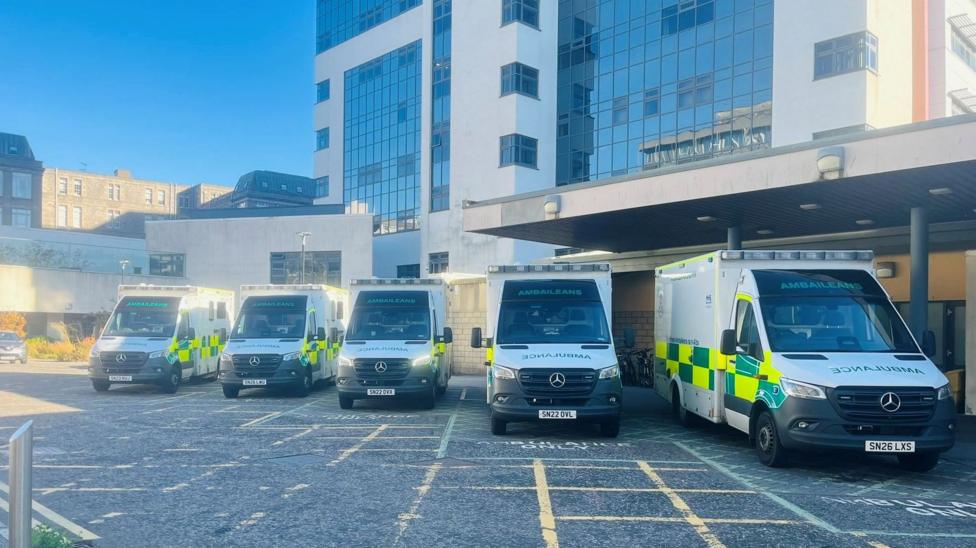
What caused the system to reach breaking point?
Skaife-Knight explained that the health board had entered the weekend with comprehensive contingency plans, including arrangements for the public holiday period. However, Saturday became a turning point when operational pressures suddenly intensified across both sites. She stressed that staff absences on the day itself—rather than holiday scheduling—created a significant challenge to service delivery.
Saturday was a challenge including for staff sickness across both sites. And just to be really clear we called the critical incident because of concerns ultimately over patient safety. That was absolutely our priority.
Beyond staffing difficulties, the Scottish Government identified delayed discharges at both hospitals and ambulance delays as contributing factors. At Dr Gray's specifically, the health board reported that it had lost the capacity to safely admit new patients, citing a combination of ambulance delays, insufficient community capacity, and staffing shortages. A small number of Dr Gray's patients were diverted to Raigmore Hospital to manage demand.
Skaife-Knight noted that pressures had been mounting for approximately a week before the critical incident, particularly at Dr Gray's. She clarified that the timing relative to the public holiday was coincidental rather than causal, and that staff time off for the holiday was not a determining factor in the crisis.
What does this reveal about wider NHS Grampian challenges?
The incident reflects deeper structural pressures facing the health board. A Scottish Government assurance-board report has previously identified that NHS Grampian's operational challenges are linked to geographic factors, an ageing population requiring more complex care, greater patient acuity levels, and reduced overall system capacity. The health board is currently working through a whole-system improvement plan to address these underlying issues.
Skaife-Knight acknowledged that the decision to declare a critical incident was not made without careful consideration.
I can understand the concern that causes from our local community from a public perspective. Clearly there's lessons that we need to reflect on and tighten up on from an organisational perspective.
What happens next for NHS Grampian?
The health board plans to conduct structured debriefs to extract lessons from the incident and disseminate findings across the workforce. Skaife-Knight indicated that a full debrief exercise would take place over the following two weeks, with findings incorporated into the organisation's winter preparedness strategy.
When asked whether another critical incident was likely during the winter months, Skaife-Knight stated that the board would take all available steps to prevent escalation.
We'll do everything we can to avoid that. My top priority is making sure we deliver safe patient care that was the single biggest reason we took the decision to call the critical incident a couple of weeks ago. We will learn from that, we've got a full debrief exercise coming up in the next couple of weeks, and we will implement that work and learning as we go into winter as part of our winter plan.
What other security concerns emerged?
During the same period, NHS Grampian faced a separate incident involving an individual who gained unauthorised access to hospital wards and patient records. Stephen Simpson, aged 22, posed as a medical student for several weeks at Aberdeen Royal Infirmary, wearing medical scrubs, NHS-branded clothing, and carrying a stethoscope.
Simpson appeared at Aberdeen Sheriff Court and admitted fraud covering the period from 9 December 2023 to 26 January 2024. Sentencing was deferred until later in the month pending the preparation of reports.
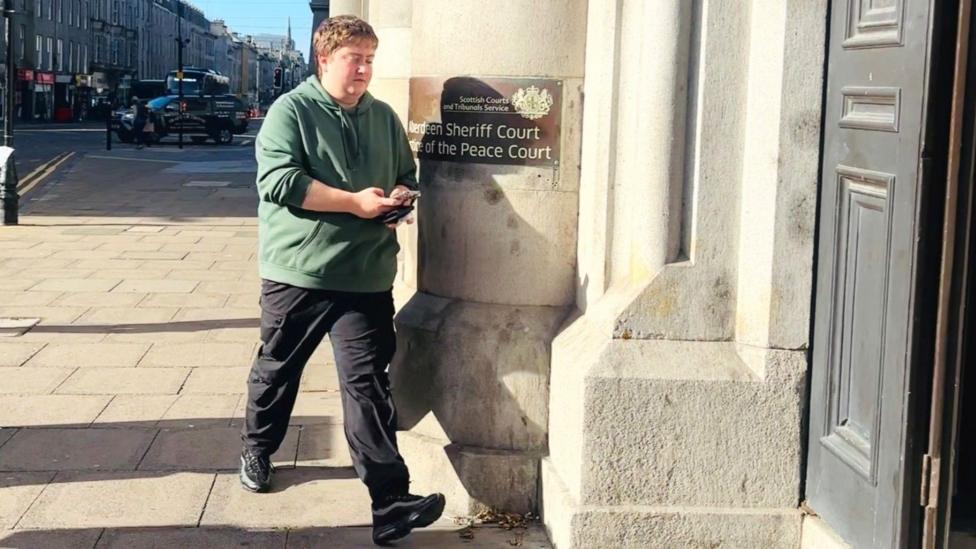
NHS Grampian stated at the time that hospitals are large facilities where all staff members share responsibility for maintaining security protocols. Skaife-Knight acknowledged the legitimate concerns raised by the local community regarding the breach and committed to reviewing and strengthening organisational security measures.
Key Facts
- A board-level critical incident was declared on 26 September at Aberdeen Royal Infirmary and Dr Gray's Hospital due to severe emergency department pressures; it was stood down on 28 September, with the hospital-level incident at Dr Gray's ending on 29 September
- Staff sickness, delayed discharges, ambulance delays, and reduced community capacity were identified as contributing factors to the operational crisis
- This was NHS Grampian's first critical incident since December 2024; the most recent comparable incident in Scotland was an IT failure at NHS Highland in June 2025
- A man admitted fraud for impersonating a medical student and accessing wards and patient files at Aberdeen Royal Infirmary between December 2023 and January 2024
- NHS Grampian plans structured debriefs to capture lessons and integrate findings into winter planning and wider system improvement efforts