The Centers for Disease Control and Prevention has confirmed six measles-related deaths in the United States during 2026, marking a sharp escalation in a disease that had been declared eliminated nationally more than two decades ago. According to The Guardian, the figure represents a doubling of fatalities compared with 2025 as the country contends with its most severe measles resurgence in 35 years. The outbreak has spread to nearly every state, with more than 5,400 cases documented nationwide.
The newly confirmed deaths underscore the severity of a virus that was officially eliminated from the United States in 2000. However, a discrepancy has emerged between the CDC's official count and reports from individual state health departments. According to ABC News, state health departments have reported eight measles deaths in 2026—six in Pennsylvania, one in New York and one in Wisconsin—suggesting the actual toll may exceed the CDC's published figure.
Pennsylvania has borne the heaviest burden of the outbreak. The state reported 73 new cases in the seven days before November 12, according to The Philadelphia Inquirer, and officials were investigating a possible seventh state-reported death. The outbreak in Pennsylvania marks a significant resurgence in a state that had not recorded measles deaths in 35 years until this year.
Beyond Pennsylvania, a child died on election day, and an infant in Wisconsin succumbed to the disease days later. New York recorded its first known measles-related fatality in more than three decades. The Wisconsin Department of Health Services confirmed the infant's death.
The scale of the current outbreak is unprecedented in recent decades. CDC data show 5,182 confirmed cases as of November 5, including 5,164 reported by 47 jurisdictions and 18 among international visitors, with 96 percent classified as outbreak-associated.
Why has the death count become disputed?
The discrepancy between state-reported and CDC-reported deaths stems from a methodological change implemented by the CDC under the leadership of US health secretary Robert F. Kennedy Jr. The agency shifted to using data from the National Center for Health Statistics (NCHS) to track mortality trends, a change documented on the CDC's website on September 4.
Kennedy had previously argued without evidence that two of the deaths in Pennsylvania may not have been caused by measles. He requested that Erica Schwartz, the CDC's director, exclude these deaths from the official CDC tally, according to reporting by Reuters. The day after the Reuters report was published, the CDC changed its data source on measles deaths, raising questions about the independence of the agency's reporting.
How does this outbreak compare historically?
The current outbreak represents the largest measles resurgence in the United States since 1991, when the country last experienced a comparable surge in cases. The disease had been considered eliminated in the US for 26 years before this year's dramatic rebound. The resurgence mirrors developments in other countries that had previously eliminated measles, including Canada and several nations in Europe and Asia, where the disease has made comebacks in recent years.
What role has vaccination played?
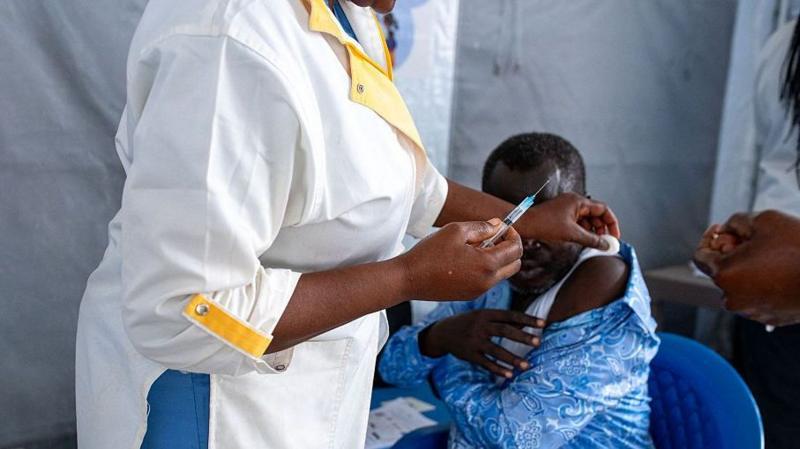
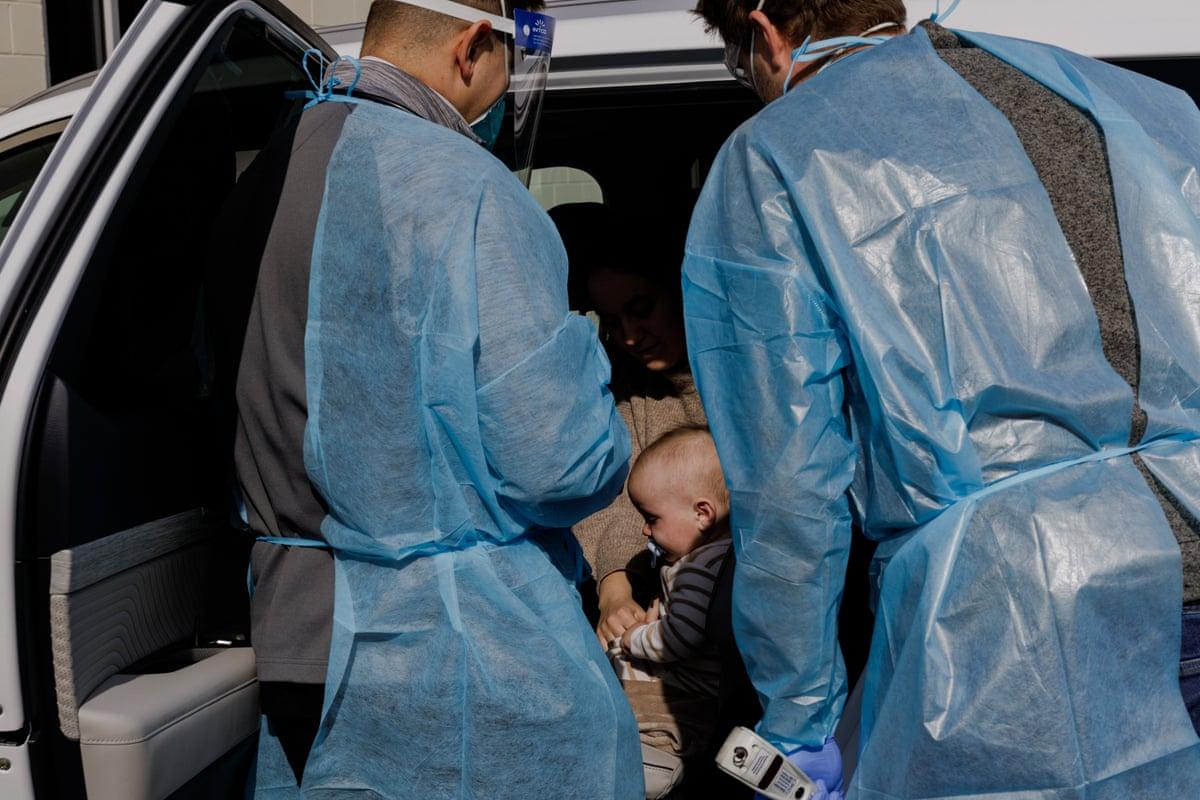
Measles is preventable through the measles, mumps and rubella (MMR) vaccine, which offers approximately 97 percent protection after two doses. The outbreak has been concentrated among unvaccinated populations, though Pennsylvania officials documented a rare breakthrough infection in a vaccinated person during the seven-day period before November 12. The resurgence has occurred against a backdrop of declining vaccination rates and increased vaccine hesitancy in parts of the country.
What happens next for US elimination status?
The United States faces the prospect of losing its measles-elimination designation this week, a development that would reshape the country's standing in global disease control. The Pan-American regional panel's decision on US measles-elimination status is expected on November 17. The international review considers whether measles transmission has continued uninterrupted in the US for at least 12 months, the threshold for losing elimination status. If the designation is revoked, the United States would join Canada and several countries in Europe and Asia where measles had previously been eliminated before making a comeback.
This potential loss of status would mark a significant setback in public health and likely define the legacy of Kennedy's influence over vaccine policies and CDC operations during 2026.
Key Facts
- Six measles deaths confirmed by the CDC in 2026, double the 2025 total, though state health departments report eight deaths
- More than 5,400 cases documented nationwide, the largest outbreak since 1991
- Pennsylvania accounts for the majority of cases and deaths, with 73 new cases reported in a single week
- The MMR vaccine provides approximately 97 percent protection after two doses
- The US may lose its measles-elimination status following a Pan-American regional panel decision expected November 17