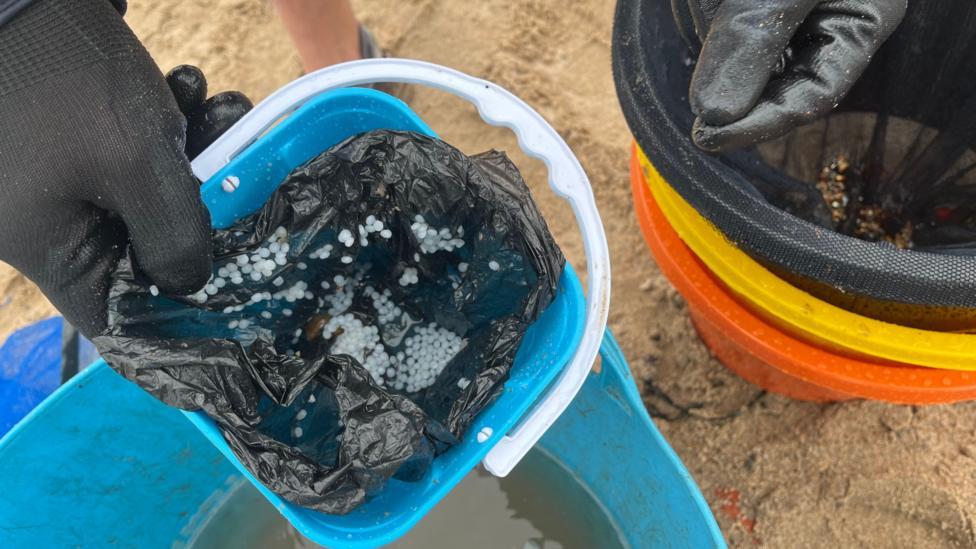
A comprehensive research programme examining the effects of a major microplastic spillage on marine life and seabirds will run for the next 12 months following the award of significant funding. According to BBC News, the initiative was triggered by tonnes of plastic pellets—known as nurdles—that entered the River Tyne on 19 July after a collision between vessels at the Port of Tyne.
Scientists and volunteers across North and South Tyneside have mobilised to investigate how the pellets affect birds, fish and other marine organisms, while also tracking their dispersal across wider areas. The National Environment Research Council (NERC) has provided funding to support the year-long investigation, which will be led by teams at Newcastle University and the University of Liverpool, working alongside the Environment Agency, Tyne Rivers Trust, Groundwork North East and Cumbria, and members of the public.
This research builds on earlier work examining dead seabirds to assess the spill's immediate impact, with scientists concerned that birds may have ingested the pellets.
What have researchers found so far?
Necropsies on deceased seabirds have been conducted at the Dove Marine Laboratory in Cullercoats, North Tyneside, over the past six weeks. The current phase involves stomach rinsing to determine whether nurdles have been ingested by the birds. Dan Turner, co-ordinator of North East England Beached Bird Surveys and leader of the seabird research component, explained the findings to date:
We haven't found any evidence of plastics in the stomachs just yet but we have more to check and have evidence that nurdles have been found in regurgitated material.
Turner highlighted the potential dangers posed by the spillage, noting that
This will be a long-term issue, securing the grant now gives us room to conduct more research not just in the North East but worldwide.The primary concern is that birds may mistake the pellets for food, potentially leading to starvation if their stomachs become filled with indigestible material. Turner added that
It's concerning plastics can also break down over time which could have a big effect on the wider food chain as well.
How far have the nurdles spread?
The plastic pellets have been discovered on beaches across Tyneside, Wearside and Teesside, with evidence suggesting they may have reached the coast of Denmark. According to earlier reporting, only 28% of the nurdles have been recovered so far, with researchers warning that additional pellets will continue washing ashore. Dr Geoffrey Abbott, a reader in geochemistry at Newcastle University, stated:
We hope to visit Denmark to determine if the pellets found are the nurdles from the Port of Tyne spill.
Abbott highlighted the potential for long-distance dispersal, noting that
There have been cases where they can travel great distances, for instance a spill in South Africa led to nurdles washing up in Perth, Australia, in no time at all.The research team plans to map the travel patterns of the plastic pellets across the year to better understand their movement and eventual destinations.
What is the scale of the incident?
The July collision at the Port of Tyne released approximately 18 tonnes of plastic nurdles into the river, making it Europe's worst microplastic incident in recent times. The spill prompted widespread concern about environmental contamination and the potential for the pellets to spread across European coastlines. Months after the incident, key questions remain about recovery rates, the full extent of environmental damage, and how far the pellets will ultimately travel.
What happens next?
Over the coming year, the research team will continue stomach rinsing of deceased seabirds and expand investigations into the broader impacts on marine ecosystems. Members of the public are being encouraged to submit photographs of nurdles found on beaches to support the research effort. The team will also conduct a planned visit to Denmark to verify whether pellets discovered there originated from the Port of Tyne spill, helping to establish the maximum distance the microplastics have travelled and informing understanding of how future spillages might disperse across international waters.