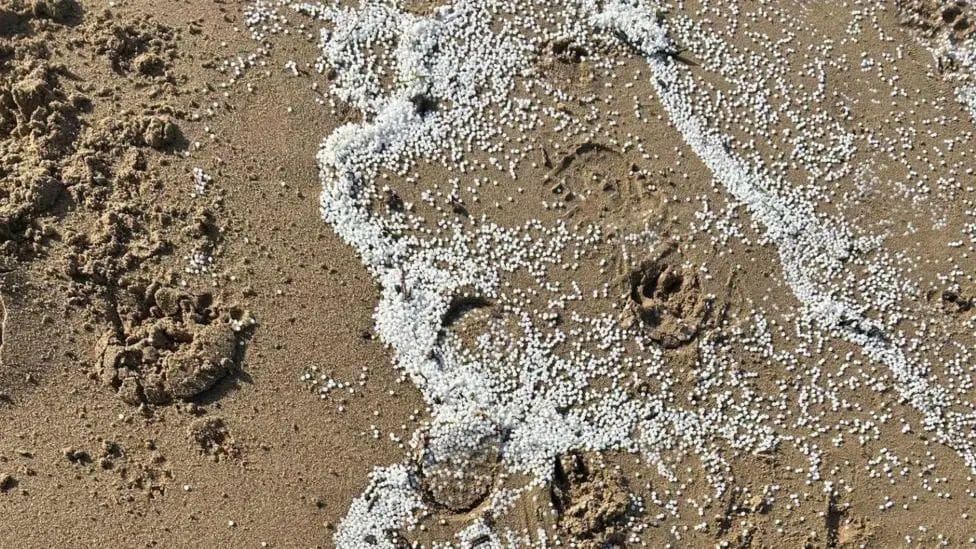
Scientists are investigating the impact of a microplastic spillage on coastal seabird populations following a collision at the Port of Tyne. On 19 July, tonnes of plastic pellets known as nurdles were released into the River Tyne after two vessels collided, with the incident involving the wind turbine installation vessel Wind Orca and the berthed container ship BG Orange. A dockside crane collapsed during the collision, which prompted the Marine Accident Investigation Branch to open a formal investigation.
A series of necropsies—detailed post-mortem examinations—are now underway at the Dove Marine Laboratory in Cullercoats on dead birds collected from the region after the spill. The research aims to determine whether seabirds have ingested the nurdles and, if so, what harm may result.
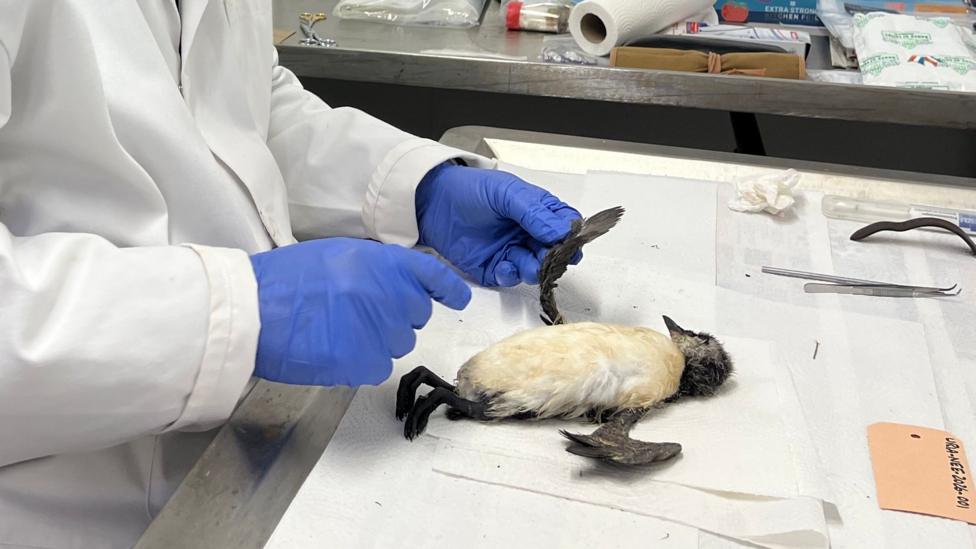
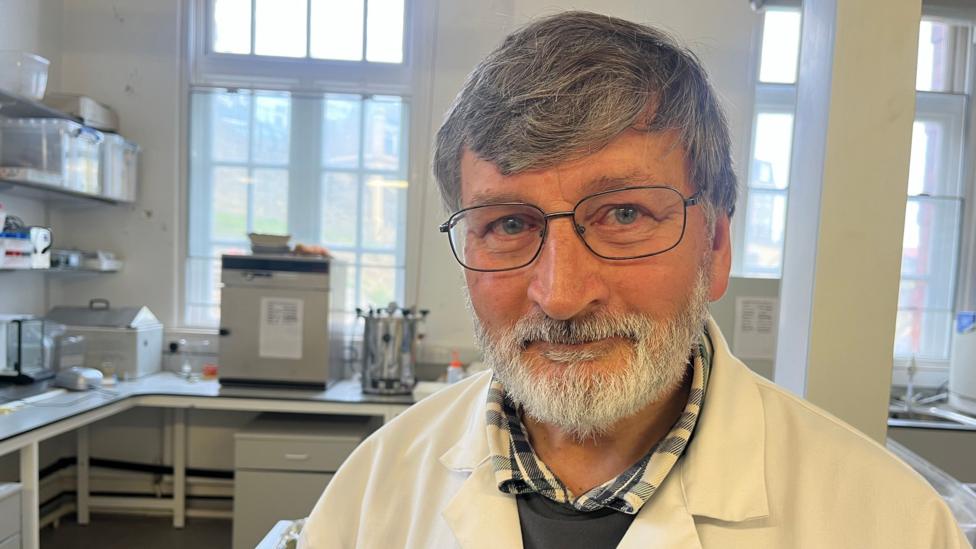
Dan Turner, coordinator at North East England Beached Bird Surveys, described early findings from the examination process:
We've already seen samples from contents of stomachs of suspected regurgitation which contain nurdles.The necropsies are examining a diverse range of species gathered across the North East, including eight guillemots, five herring gulls, a gannet and a pink-footed goose.
How could the nurdles harm wildlife?
The primary concern is that birds may mistake the plastic pellets for food and consume them, potentially causing starvation if their stomachs become filled with indigestible material. Turner explained the mechanism of potential harm:
It is quite possible that the seabirds have mistaken the plastic for fish eggs. The nurdles when they float attract pollutants and contaminants, which stick to them, if the birds swallow them it can be the case that they get into the bird's system. We may need more testing to see if the plastic can make its way into the bird's bloodstream which could cause a drop in the bird's fitness.
Previous research provides cause for concern. Turner noted:
We've seen evidence previously of fulmars eating plastic and they've been found in their stomachs, so it is highly likely we could come across the same in some cases.Charities including the RSPB have warned that the pellets could extend beyond seabirds, potentially entering the wider food chain and affecting fish, seals and dolphins.
What testing is being conducted?
Researchers are conducting both external and internal examinations of the collected seabirds, with stomach rinsing also taking place to determine whether the birds have been consuming nurdles. Beyond the necropsy work, Newcastle University researcher Dr Geoff Abbott collected nurdle samples at Longsands to test for toxins, with the testing expected to take two or three months to complete.
The Environment Agency has deployed additional resources to monitor the situation, using drone surveys, vessels and specialist response teams to strengthen monitoring and target recovery work. However, Newcastle University and Cefas estimated that 5.14 tonnes of nurdles had been recovered by early October, with some potentially remaining in the river system and washing ashore later depending on weather, winds and tides.
What has been recovered so far?
Researchers have confirmed that 28% of the 18 tonnes of plastic nurdles which spilled into the river have been recovered since the incident. Scientists predict that the plastic pellets will continue to wash up on North East beaches as the cleanup continues, though complete recovery of every nurdle is not considered achievable. The timing and locations of future beach wash-ups cannot be predicted with accuracy.
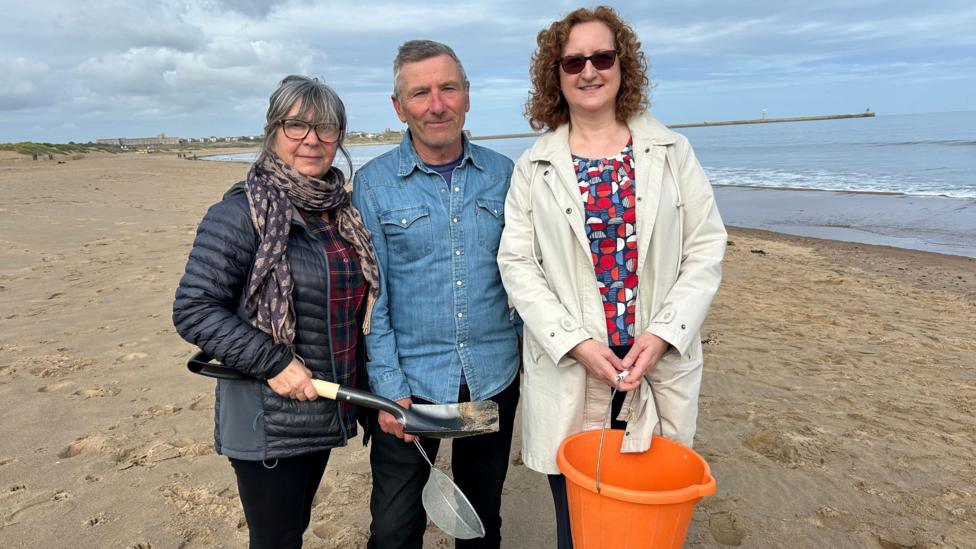
Volunteers across North and South Tyneside have been actively involved in cleanup efforts. Colin Porter, who has been assisting the cleanup in South Tyneside, expressed concern about the broader environmental impact:
We are very concerned about the wildlife populations, we've seen birds eating them and we know the fish have too.
What do authorities say about wildlife impacts?
The Environment Agency stated it had no reports of impacts on seabirds or marine mammals at the time of its assessment, while noting it was considering implications for wildlife and fisheries. The agency's investigation into the spill is ongoing.
What happens next?
The research on the birds is expected to continue into December. The Environment Agency investigation into the spill remains underway, with authorities continuing to monitor beach conditions and coordinate recovery efforts across the affected coastline.
Key Facts:
- Necropsies are being carried out on seabirds including guillemots, herring gulls, a gannet and a pink-footed goose to assess nurdle ingestion
- 28% of the 18 tonnes of nurdles spilled have been recovered, with more expected to wash ashore depending on weather conditions
- Scientists are testing whether nurdles can enter birds' bloodstreams and cause fitness decline
- The research is expected to continue until December
- The Marine Accident Investigation Branch is investigating the vessel collision that caused the spill