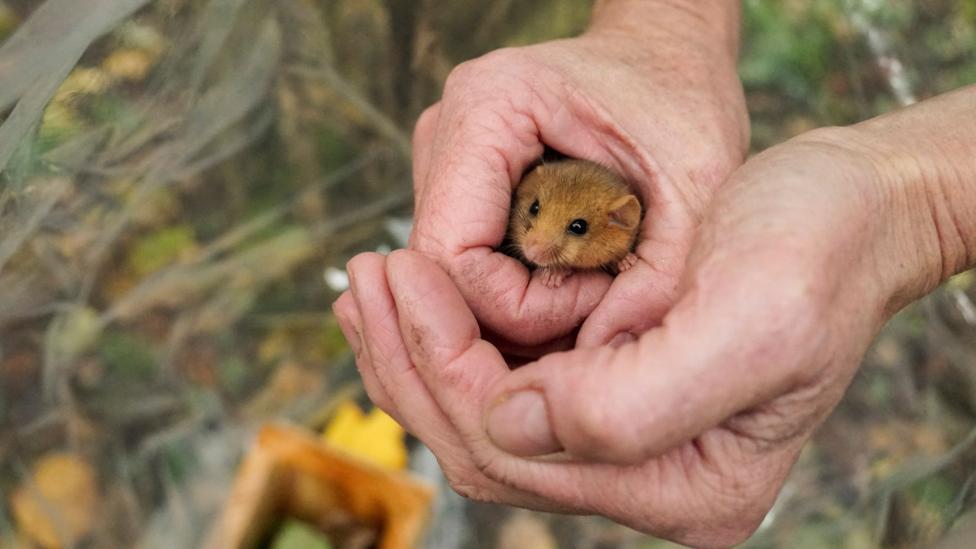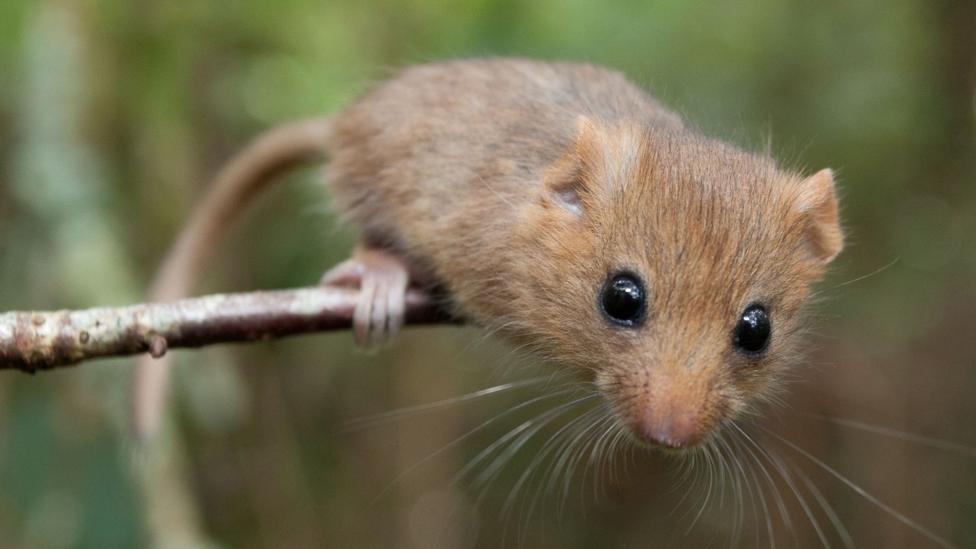
Hazel dormouse populations in England and Wales may be recovering after years of steep decline, according to new monitoring data that offers cautious optimism for the species' future. Numbers increased by almost 10% between 2020 and 2025, a period marked by warmer springs and summers that appear to have boosted survival rates. The recovery, while modest, represents a potential turning point for a mammal that has vanished from much of its former range.
According to BBC News, the National Dormouse Monitoring Programme, run by the conservation charity People's Trust for Endangered Species (PTES), has tracked dormouse populations across monitoring sites in England and Wales since 1998. The data reveals a stark long-term picture: since 2000, dormouse numbers have fallen by 59.4%, representing an average annual decline of 3.5%. However, the recent upturn suggests this downward trajectory may finally be reversing.
The hazel dormouse, the only dormouse species native to the UK, was once widespread across the country but is now largely confined to southern England and parts of Wales. Native populations have disappeared from around 20 English counties as large areas of woodland and hedgerow habitat have been lost to development and agricultural intensification.
Ian White, report co-author at PTES, described the recent upturn as "welcome good news" that provides grounds for "cautious optimism". However, he cautioned against complacency: "We mustn't lose sight of the bigger picture: populations remain almost 60% lower than they were in 2000."
Why are warmer summers helping dormice?
Scientists believe the improved conditions between 2020 and 2025 created favourable circumstances for dormouse survival and reproduction. The hazel dormouse is famous for spending much of the year asleep, hibernating from around October to May in a nest on the ground. Even during spring and summer, dormice can enter short periods of deep sleep called torpor when weather turns cold and wet or food becomes scarce, a mechanism that helps the small rodent conserve energy.

Warmer summer conditions appear to be reducing the frequency and duration of torpor, leaving dormice with more time and energy for feeding and breeding. This extended active period allows them to build larger fat reserves ahead of winter hibernation and to raise additional litters. Dr Charlotte Armitage, an ecologist who worked on the survey, explained that warmer summer conditions are likely to give the animals more energy to reproduce and raise additional litters.
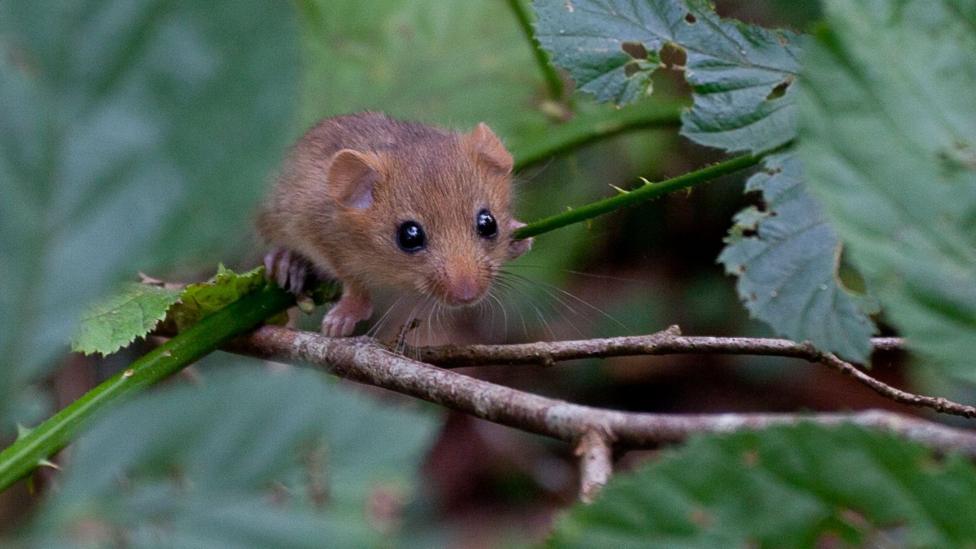
The hazel dormouse spends most of its time in trees, emerging at night to feed on flowers, insects, berries and nuts. Adequate food availability during the active season is critical to their survival and reproductive success.
What conservation efforts are underway?
Conservationists have been actively working to restore dormouse populations across the UK. At Killerton in Devon, dormice have remained fairly stable since monitoring began in 2018 and have been found in new areas of the estate, with the National Trust attributing this success to habitat work including planting more hedges and trees. This demonstrates that targeted habitat restoration can support population recovery even as national trends show overall decline.
Reintroduction programmes have also expanded in recent years. More than 40 dormice were released at Bradgate Park in Leicestershire in summer 2026, with monitoring in October 2025 finding 46 dormice present, including evidence of breeding. Conservationists have been reintroducing dormice to areas where they disappeared since 1993, though the species' slow recovery is constrained by its reproductive biology: dormice typically produce only one or two litters a year, averaging around four young per litter.
Regional monitoring continues to track progress. At Coed y Fron Wyllt in North Wales, a spring 2026 survey checked more than 200 nest boxes and recorded six adult dormice, providing evidence of persistence in key Welsh populations.
What uncertainties remain?
Despite the encouraging recent data, researchers emphasise that significant questions remain unanswered about the dormouse's long-term prospects. Dr Armitage stressed that considerable uncertainty surrounds the 10% population increase estimate, and that more research is needed to understand what longer-term impacts climate change could have on the species.
A particular concern is how dormice will respond to warmer, wetter winters—a pattern that climate models suggest may become more common. While warmer summers appear beneficial, the combination of milder winters and increased rainfall could disrupt hibernation patterns and food availability in ways that are not yet fully understood.
"This is good news, but we can't be complacent," Dr Armitage told BBC News. "We still need to protect their habitat, do more research into the effects of climate change and carry out effective woodland management for the benefit of dormice."
What happens next?
Monitoring and habitat restoration efforts are set to continue across multiple sites. The Countryside Regeneration Trust said its dormouse surveys would continue in Surrey into November 2026, with results intended to guide future habitat management. These ongoing surveys will provide crucial data on whether the recent recovery continues and how populations respond to changing environmental conditions.
Protecting and expanding the woodlands and hedgerows where dormice live remains essential to their long-term survival. The recent upturn offers hope that with sustained conservation effort and favourable environmental conditions, Britain's dormouse populations can continue to recover from their historic lows.