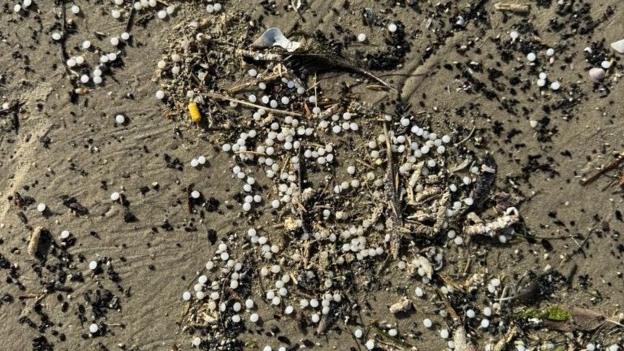
On 19 July, approximately 18 tonnes of plastic nurdles—roughly one billion tiny pellets—spilled into the River Tyne following a collision between ships at the Port of Tyne. The incident is believed to be the worst recorded event of its type in Europe. According to BBC News, months after the spill, volunteer teams continue collecting the microplastics washing up on north-east England's beaches, yet significant uncertainties remain about the full extent of the damage and the long-term recovery effort.
Several critical questions persist about what happened, who bears responsibility, and what the environmental consequences will be. Understanding these gaps is essential as authorities transition from large-scale cleanup operations to targeted recovery and long-term monitoring.
What exactly occurred during the collision?
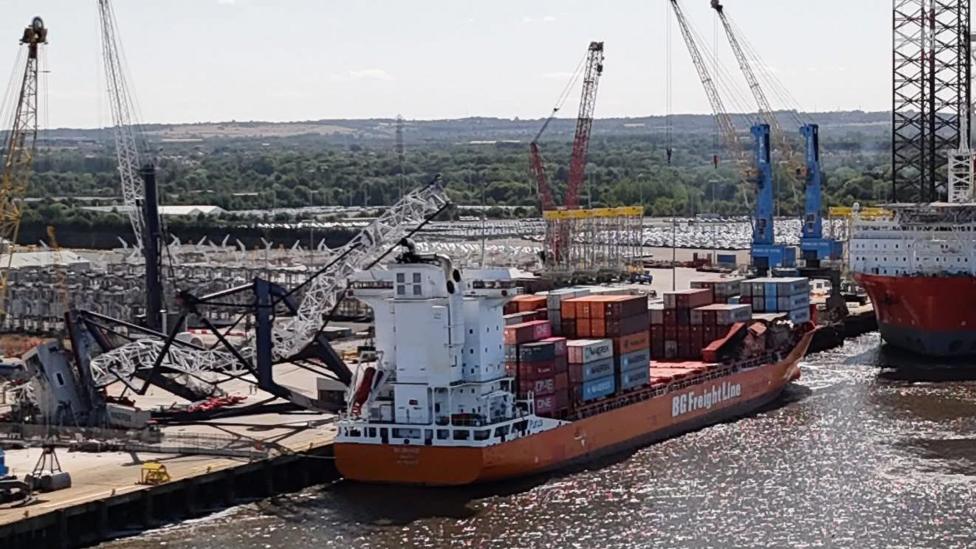
A wind turbine installation vessel named the Wind Orca struck a container ship, the BG Orange, berthed at the Port of Tyne. The impact caused a gantry crane on the quayside to collapse, falling across the vessel. Two containers aboard the BG Orange held nurdles—pre-production plastic pellets roughly the size of a lentil that serve as raw material for manufacturing most everyday plastic products. The collision resulted in approximately 18 tonnes of these pellets spilling into the water.
Who bears responsibility for the incident?
Responsibility remains under investigation. Northumbria Police is examining the collision, and no arrests have been made to date. The Marine Accident Investigation Branch is also conducting a separate inquiry. The Port of Tyne has previously stated that it, along with other parties, requested the International Maritime Organisation to consider enforcing safer transportation methods for nurdles—a measure environmental groups have advocated for years.
How much of the spilled nurdles have been recovered?
By the end of September, scientists reported that approximately 28% of the nurdles had been recovered. However, recovery data from North Tyneside Council indicates that by 23 September, 5.14 tonnes had been recovered from the water and beaches, and when including pellets removed from damaged containers before they entered the water, almost three-quarters of the original cargo had been recovered overall. The Port of Tyne, Environment Agency, and North East Mayoral Strategic Authority acknowledged that complete recovery of all 18 tonnes is not achievable. They indicated they would measure success through various metrics, including shoreline surveys, rather than targeting a specific percentage recovery rate.
Where are the nurdles spreading?
Pellets from the spill have been discovered along the English coast from Northumberland to North Yorkshire. In late October, the Danish Environment Protection Agency confirmed that pellets found on Denmark's western coast likely originated from the Tyne spill, having travelled approximately 630 kilometres away in late September and early October.
Dr Matthew Perks at Newcastle University and his team are tracking the nurdles' movement and studying how the pellets deteriorate in water. Newcastle University's modelling estimated that about 2.2 tonnes—roughly one in eight of the spilled pellets—remained in the estuary six weeks after the spill, with researchers warning that autumn high flows could carry some downstream. Perks cautioned that it remains unclear how far some nurdles could ultimately travel. He noted that as time passes, pinpointing areas where these pellets are likely to be found becomes increasingly difficult. Additionally, the timeline for when nurdles will begin breaking down into nanoplastics remains uncertain, which Perks stressed would fundamentally alter their behaviour in the environment.
What impact will the spill have on wildlife?
The full environmental consequences remain unknown. Professor Bhavani Narayanaswamy at the Scottish Association for Marine Science stated it could take months or years to understand the spill's complete impact on wildlife. She explained that nurdles could harm animals by becoming lodged in digestive tracts and by adsorbing chemicals that may prove toxic when ingested. Prof Narayanaswamy highlighted that research on the long-term effects of plastic pollution on animals lags significantly behind studies of immediate impacts.
Dan Turner, who coordinates the North East England Beached Bird Survey, reported that the group has collected several dead birds along the coast for testing. Seabird examinations include eight guillemots, five herring gulls, a gannet and a pink-footed goose, with researchers checking whether the birds consumed nurdles. Turner previously noted that seabirds may have mistaken the plastic pellets for fish eggs. Newcastle University's seabird research is expected to continue into December as scientists work to assess whether nurdles have entered the food chain through avian populations.
Who is funding the cleanup operation?
Recovery costs are primarily being covered by insurers representing BG Orange, the vessel carrying the pellets, along with contributions from local councils and the Port of Tyne. Thousands of volunteers have also participated in the cleanup effort. Councils have been instructed to document their expenses to seek compensation from the insurers of those ultimately determined to be responsible.
How long will recovery efforts continue?
The multi-agency group comprising the North East Mayoral Strategic Authority, Port of Tyne, and Environment Agency indicated that the nurdle recovery programme is ongoing but has progressively shifted away from large-scale cleanup activities toward targeted recovery and monitoring. Environmental charity Fidra cautioned that the duration of cleanup remains unclear, given that nurdles can persist in water for years. The organisation stressed that a comprehensive long-term strategy is necessary to address the pollution, with adequate resourcing and clearly defined responsibility.
Specialist recovery support is scheduled around spring tides on 28 October and 9 November, with Ambipar providing expert assistance during these periods. The Recovery Working Group is evaluating thresholds for transitioning from active recovery to monitoring and for resuming recovery operations if nurdles accumulate again. South Tyneside councillors have unanimously backed a motion requesting a public-facing summary of the lessons-learned review and calling for transparency regarding future recovery and monitoring plans.
Should volunteers continue participating in beach cleanups?
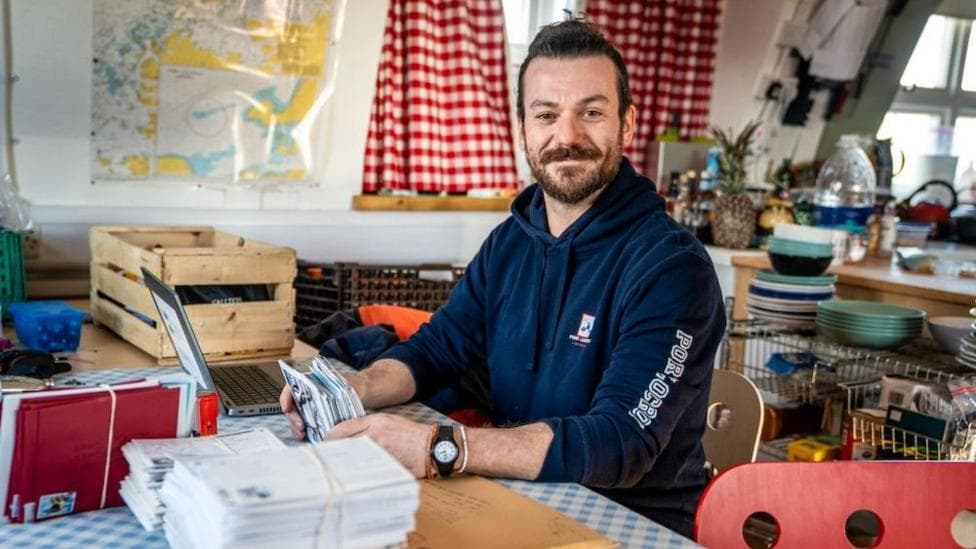
Volunteer Lou Shackleton emphasised that a dedicated group of individuals continues to monitor and recover nurdles on local beaches and welcomes additional help. She encouraged anyone willing to brave the weather to join the effort, stating that the group needs all available support to sustain the recovery operation.