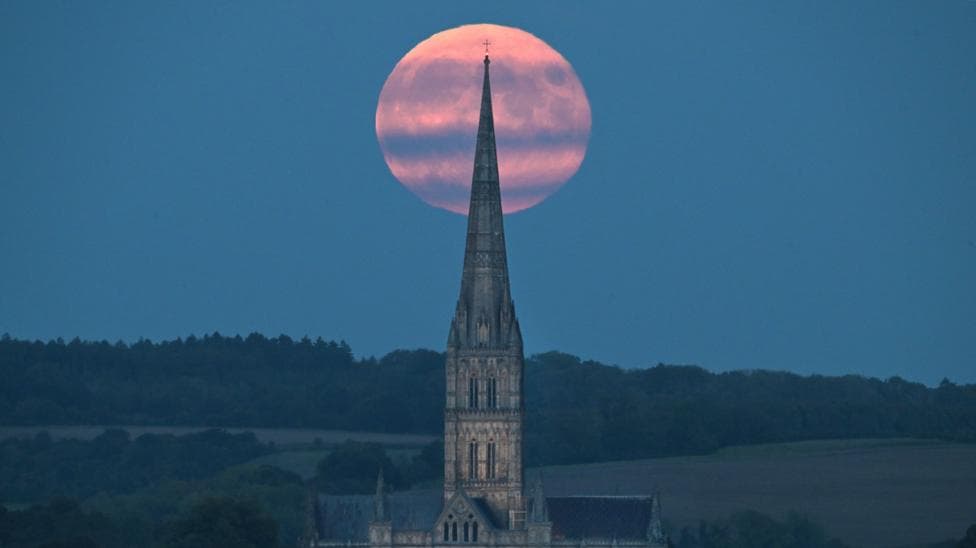
September's full Moon will be visible throughout UK skies this weekend, arriving just days after the autumn equinox. Known as the Harvest Moon, it will reach its fullest point at 17:49 BST on Saturday 26 September, though it will still be below the horizon for much of the country at that exact moment. The Moon will rise shortly afterwards and appear almost completely full throughout Saturday evening, with viewing conditions remaining favourable into Sunday.
The Moon will be located in the constellation Pisces during this period. According to UK astronomy reports, the Moon can look full and at its best from Friday through Sunday, not just at the moment of peak fullness. In London, the Moon will rise at approximately 6:52pm on 26 September, with moonrise times varying across other major cities including Manchester, Birmingham, Cardiff, Belfast and Edinburgh.
Why is it called the Harvest Moon?
This full Moon takes its name from being the full Moon closest to the autumn equinox, which this year occurred on 22 September. Historically, the additional moonlight after sunset proved invaluable to farmers gathering crops during the harvest season. The Royal Observatory Greenwich also recognises the Corn Moon as another common name, reflecting the crops traditionally harvested around this time of year.
The designation does not always fall in September. If October's full Moon happens to be closer to the autumn equinox, it assumes the Harvest Moon title instead. This is the tenth full Moon of 2026.
Earlier in the year, the UK experienced other notable full Moons. The partial lunar eclipse in August turned the Moon red over UK skies, while June's Strawberry Moon provided another viewing opportunity despite its misleading name.

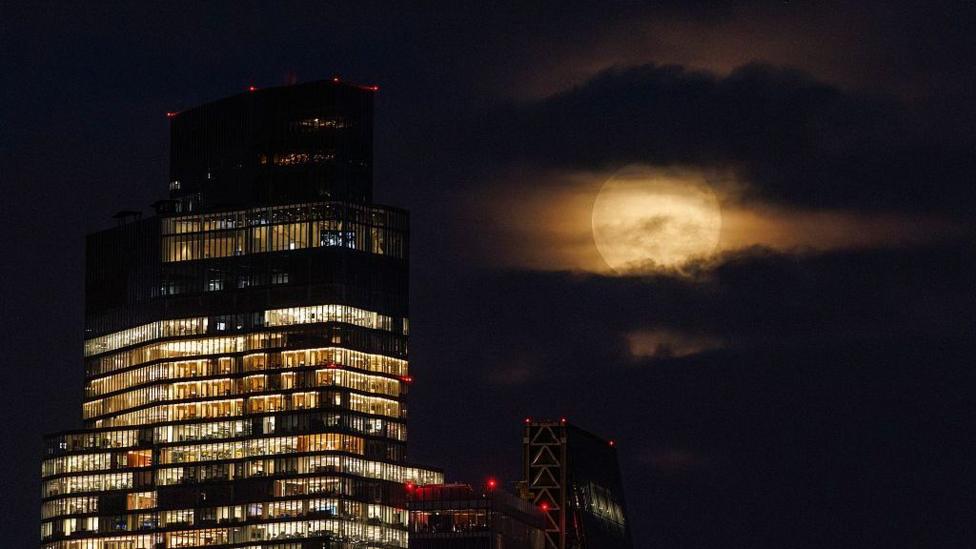
Why can the Harvest Moon look red or orange?
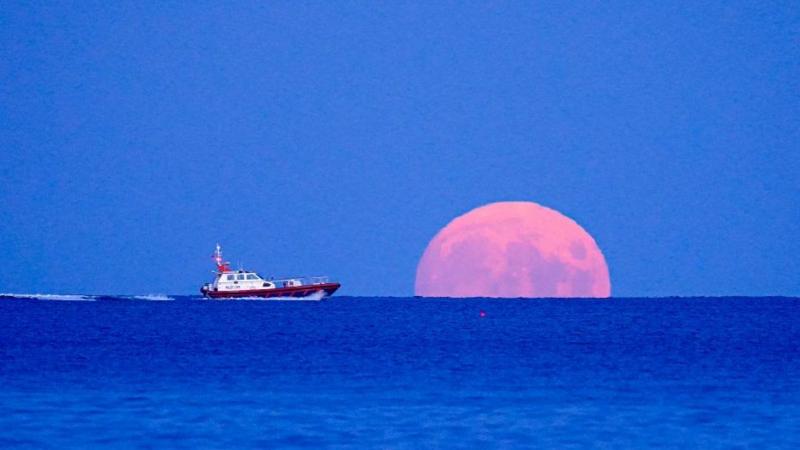
If you observe the Moon as it rises, it may appear yellow, orange or even reddish in colour. This is not a distinctive feature of the Harvest Moon itself, but rather a consequence of its position low in the sky near the horizon. When the Moon lies close to the horizon, its light must travel through a greater thickness of the Earth's atmosphere before reaching observers' eyes. This extended path through the atmosphere causes more of the shorter blue wavelengths of light to scatter away, allowing the yellows, oranges and reds to become more visually prominent.
Will Saturn be visible alongside the Moon?
One of the most striking features of this year's Harvest Moon is its close proximity to Saturn in the night sky. According to astronomy sources, the Harvest Moon will be closely accompanied by Saturn during the viewing window of 24–28 September 2026. This pairing offers observers an excellent opportunity to see both the Moon and the planet in the same field of view, creating a memorable sight for those with clear skies.
What weather conditions are expected?
The forecast for Saturday suggests some drier and brighter weather may develop, particularly across parts of England. However, cloud cover is expected further west, with rain forecast for parts of Scotland and Northern Ireland by the evening. The best chance of clearer skies currently appears to be across some southern and eastern parts of the UK, while conditions are expected to be more changeable in other regions. Those in areas with cloud cover may still catch glimpses of the Moon as it rises, depending on how quickly weather systems move through.
For the most up-to-date weather information for your specific location, check online forecasts or weather applications before heading outside to observe the Moon.
Best times to view across the UK
The exact times of moonrise will vary across the UK but will occur shortly after the Moon reaches its fullest point at 17:49 BST. The extended viewing window from Friday 25 September through Sunday 28 September offers multiple opportunities to see the Harvest Moon, even if cloud cover affects visibility on Saturday evening. The proximity to Saturn during this entire period means that observers should look towards the south-eastern part of the sky after sunset for the best views of both celestial objects together.