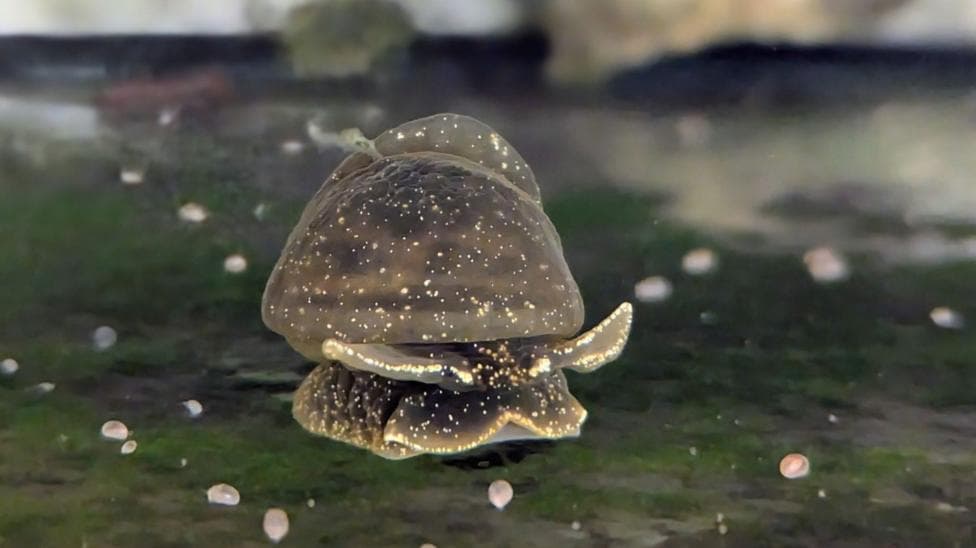
A critically endangered snail species found in just one UK lake began laying eggs during its six-hour transport from Wales to a wildlife park in Kent, marking a significant milestone in a coordinated national breeding programme to prevent the species' extinction.
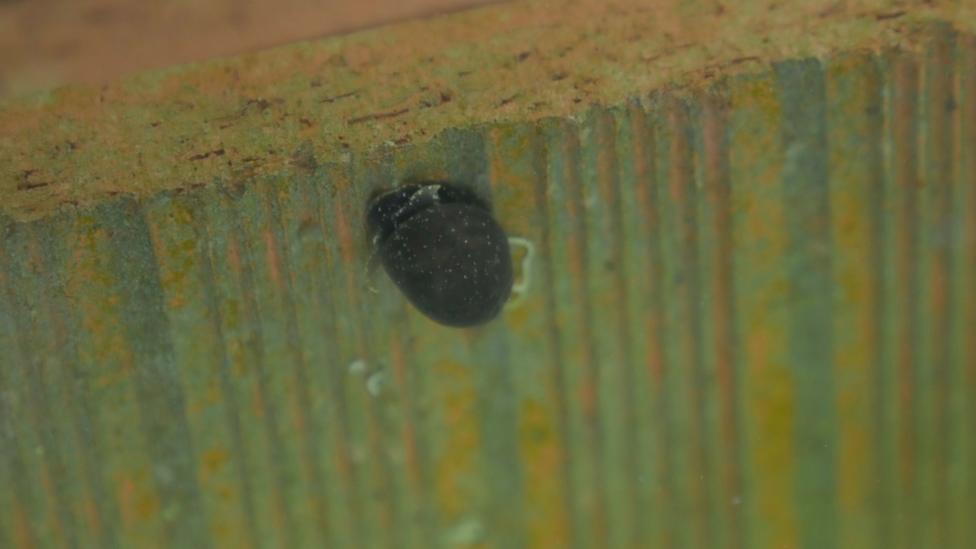
Glutinous snails are tiny molluscs no larger than a fingertip that once thrived across UK freshwater habitats. Today, their entire British population is confined to Llyn Tegid, a lake within Eryri National Park in Snowdonia, north Wales. The species has been devastated by habitat loss and environmental degradation over decades.
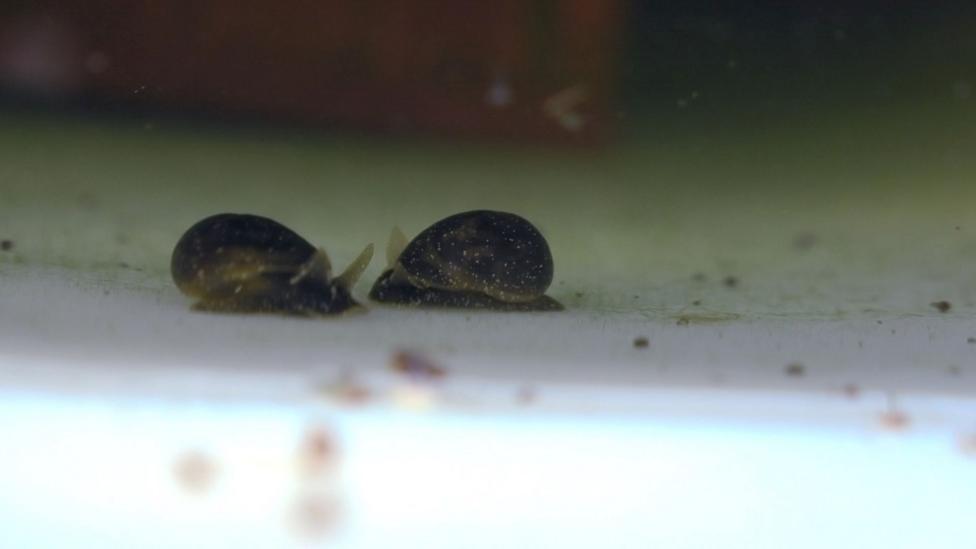
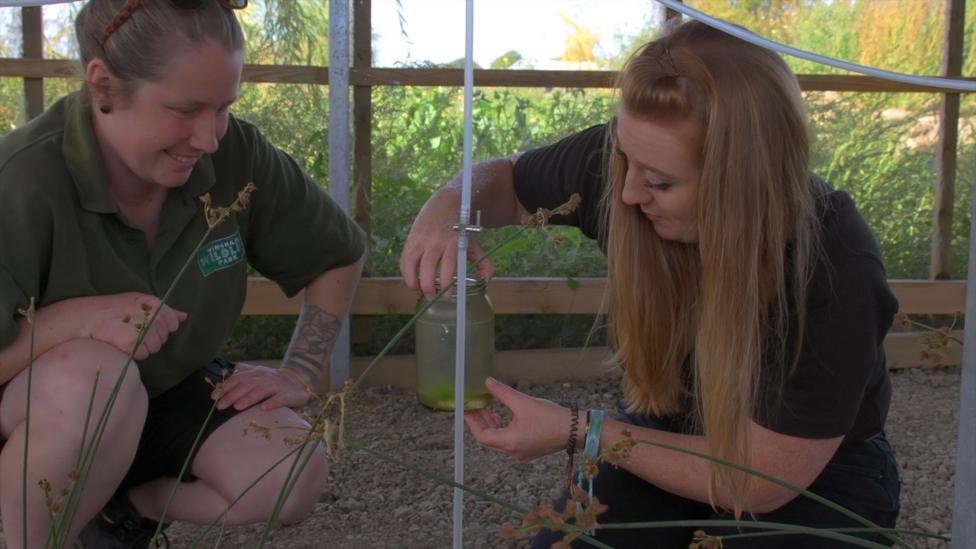
Wingham Wildlife Park near Canterbury has joined a multi-institution conservation initiative to breed the snails in captivity and eventually reintroduce them to suitable wild locations. The park began with six adult snails and has already achieved remarkable breeding success. Samantha Eden, assistant curator at the park, transported 24 snails from Wales in early July and witnessed unexpected reproduction during the journey itself.
"It was a six hour drive, and by the time I'd arrived back at the park I had about 12 egg pods in the carry containers that we were using. They'd laid eggs literally whilst we were driving."
The breeding programme has progressed rapidly since then. The initial colony of six adult snails produced enough offspring that 130 juveniles were recently relocated to establish a second breeding population within the park's facilities.
How is this part of a wider conservation effort?
The work at Wingham is one component of a larger coordinated strategy involving multiple institutions. Wingham Wildlife Park is collaborating with Askham Bryan Wildlife Park in York, Longleat in Wiltshire, Dudley Zoo, and Chester Zoo. These facilities are working alongside the Freshwater Habitats Trust, which is leading the search for suitable water bodies where the snails might eventually be released back into the wild.

According to the British and Irish Association of Zoos and Aquariums (BIAZA), four new "ark populations" have recently been established across the zoo community, with the effort guided by a Glutinous Snail Conservation Action Plan 2026. The initiative is part of a broader £60 million UK government-backed scheme to protect rare species.
The conservation work builds on decades of effort. Conservation work at Llyn Tegid has been underway since at least 2014, with the first successful captive breeding of the species achieved as part of that project.
What threatens the glutinous snail?
The species faces multiple environmental pressures in its natural habitat. The Freshwater Habitats Trust identifies nutrient enrichment of water bodies and invasive species as primary threats to wild populations. The snails require exceptionally clean water to survive, making them particularly vulnerable to water quality degradation. A historical population that once existed in England has already gone extinct, underscoring the urgency of current conservation efforts.
What happens next?
Hannah Ellins, head of reptiles and invertebrates at Wingham Wildlife Park, outlined the next phase of the programme. The zoos will continue breeding the snails in captivity while the Freshwater Habitats Trust identifies and assesses potential release sites. Once suitable water bodies are confirmed to meet the species' stringent environmental requirements, reintroduction into the wild can begin. The Glutinous Snail Conservation Action Plan 2026 provides the roadmap for these upcoming steps, with the goal of establishing self-sustaining wild populations beyond Llyn Tegid.
Ellins emphasised the significance of the work:
"We do a lot of work with exotics, but it's cool being able to help our animals here. We'll keep breeding them and then hopefully we'll eventually then release them into the wild and help wild populations."
Key Facts
- Glutinous snails are now found only in Llyn Tegid in Wales, having disappeared from the rest of the UK due to habitat loss and environmental change
- Wingham Wildlife Park has bred 130 juvenile snails from an initial population of six adults in just two months
- Five zoos and the Freshwater Habitats Trust are collaborating on a coordinated breeding and reintroduction programme guided by a 2026 Conservation Action Plan
- The effort is supported by a £60 million UK government scheme to protect endangered species
- A previous English population of glutinous snails has already gone extinct, making the Welsh population the species' last UK refuge