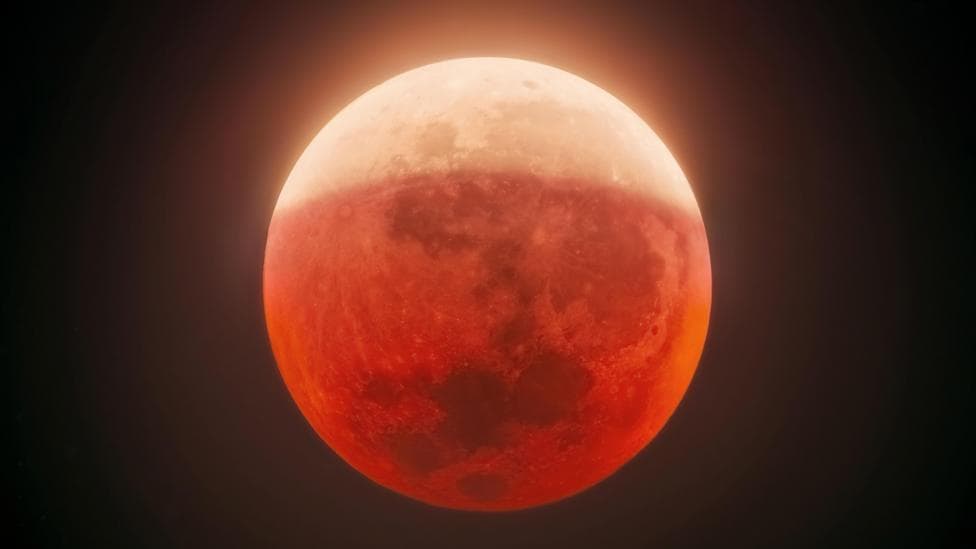
Stargazers across the United Kingdom will have an opportunity to witness a striking partial lunar eclipse in the early hours of Friday 28 August, when the Sun, Earth, and Moon align in a rare celestial configuration. The event will cause the full Moon—known as the Sturgeon Moon—to glow with an eerie reddish hue as it passes through Earth's shadow. This astronomical spectacle arrives just weeks after the UK experienced its most dramatic partial solar eclipse in nearly three decades.
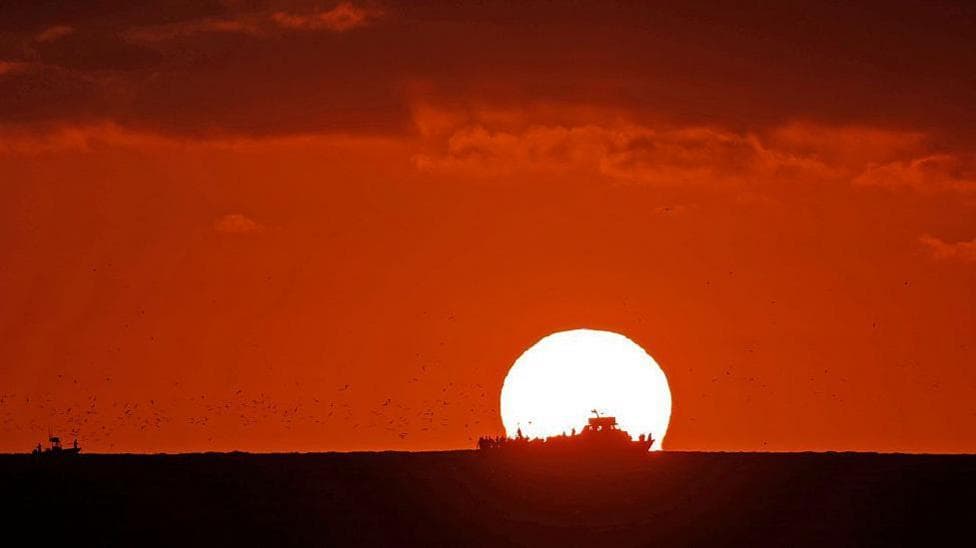
The eclipse will be particularly dramatic because of its position low on the horizon, which will trigger a phenomenon called the Moon illusion. This optical effect makes the Moon appear substantially larger and more imposing than it actually is, creating an especially memorable viewing experience for observers who can access clear skies.
When will the partial lunar eclipse be visible from the UK?
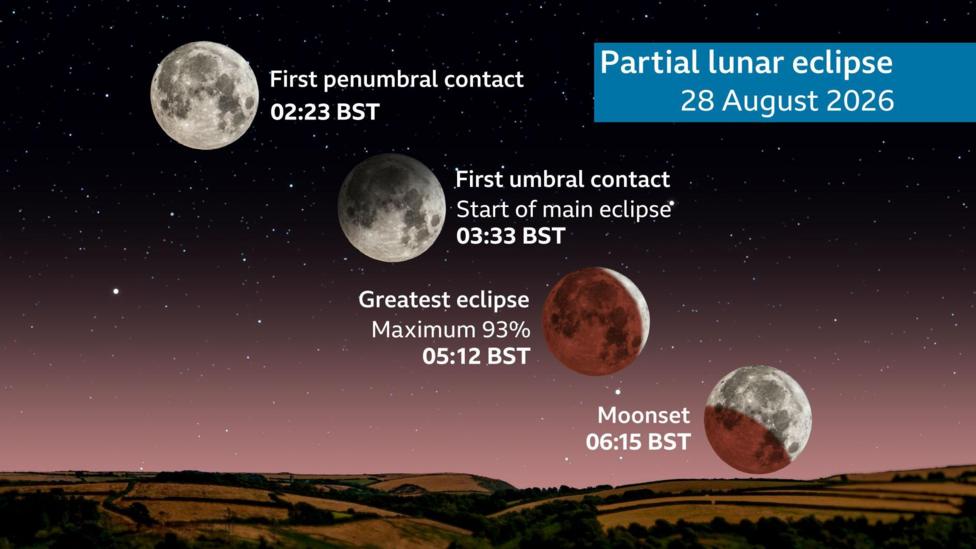
The partial eclipse will commence at 03:33 BST in London when the Moon enters Earth's darkest shadow, known as the umbra. According to the Royal Observatory Greenwich, the penumbral phase—when the Moon first enters the outer edge of Earth's shadow—begins at 2:23am BST, though this initial stage is subtle and difficult to detect without optical aid.
Maximum eclipse will occur at approximately 05:12 BST, at which point roughly 90 per cent of the Moon's surface will lie within the umbra. According to updated guidance from Greenwich, the figure is closer to 93 per cent of the Moon's visible surface. By this stage, the Moon will sit very low in the south-western sky, an ideal position for experiencing the Moon illusion effect.
The partial phase will continue until approximately 06:51 BST, though for London observers the Moon will set and disappear below the horizon at around 06:15 BST. Exact moonset times will differ across the UK depending on latitude and local topography.
What causes the Moon to turn red during a lunar eclipse?
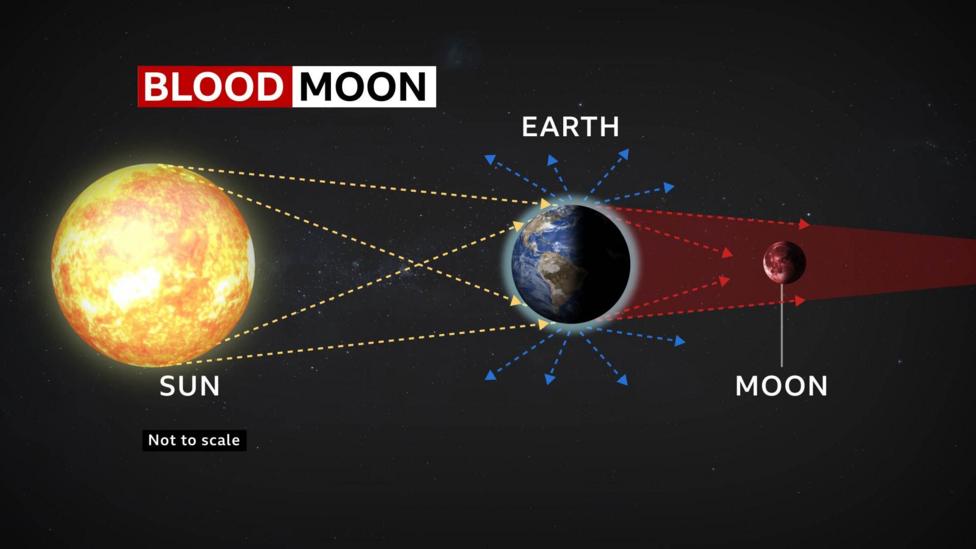
A lunar eclipse occurs when Earth moves directly between the Sun and the Moon, casting the Moon into Earth's shadow. During a partial eclipse, only a portion of the Moon enters the umbra—the darkest section of that shadow where direct sunlight is completely blocked.

However, the Moon does not fall into complete darkness. Sunlight that passes through Earth's atmosphere undergoes scattering, with shorter blue wavelengths dispersing more readily while longer wavelength red light penetrates through and reaches the lunar surface. These red wavelengths are then reflected back towards Earth, producing the distinctive reddish or copper-coloured appearance that gives lunar eclipses their dramatic character.
How can I see the partial lunar eclipse from the UK?
To maximise viewing opportunities, astronomers recommend locating a high vantage point that offers an unobstructed view towards the south-western horizon. According to night-sky guidance from the Royal Observatory, the Moon's increasingly low position as the eclipse progresses makes horizon views particularly valuable for capturing the full visual effect.
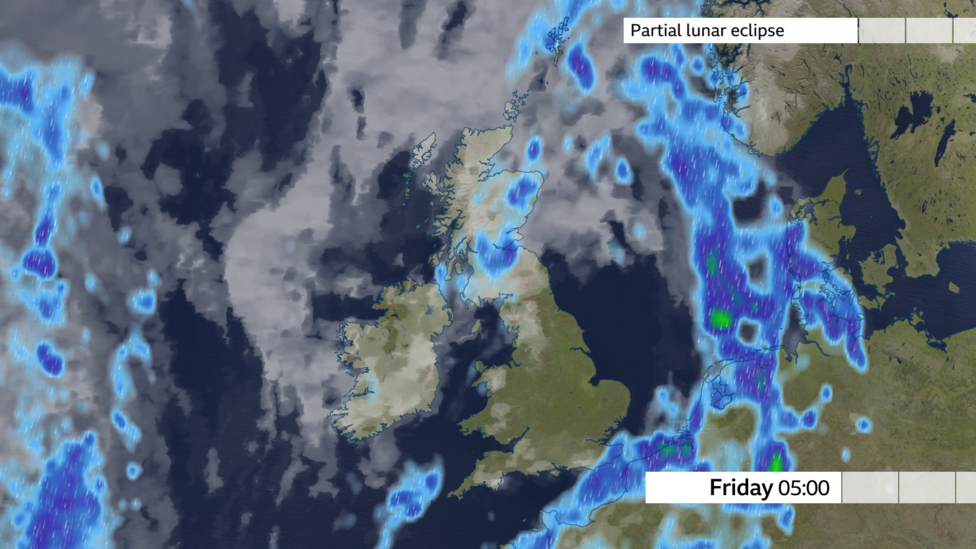
Clear skies will be essential for successful observation. Viewing conditions are expected to vary considerably across the UK during the early hours of Friday morning. With low pressure systems dominating the weather pattern, cloud cover and heavy showers are likely to affect some regions while other areas remain clear.
Currently, the most favourable viewing conditions are forecast for central and eastern parts of England and Wales. Scotland is expected to experience showers that may obstruct views. However, cloud cover can change rapidly and remains difficult to forecast with precision during the early morning hours. Observers should check the latest hour-by-hour weather forecast for their specific location online or via weather applications.
Where else will the eclipse be visible?
This partial lunar eclipse will not be confined to the UK. According to Sky at Night Magazine, the event will be visible across the United Kingdom, Europe, Africa, and both North and South America, making it a genuinely global astronomical event.
Context: Recent eclipse activity in the UK
The August partial lunar eclipse follows closely on the heels of another significant celestial event. A partial solar eclipse darkened UK skies on 12 August 2026, with coverage reaching up to 96 per cent in parts of England and Wales. That event marked the deepest partial solar eclipse visible from the UK since 1999, making 2026 an exceptionally active year for eclipse activity in British skies.
Key facts
- The partial lunar eclipse begins at 03:33 BST on 28 August, reaching maximum at approximately 05:12 BST when around 90–93 per cent of the Moon will be in Earth's umbra
- The Moon's low position on the south-western horizon will create the Moon illusion, making it appear dramatically larger than usual
- Best viewing conditions are forecast for central and eastern England and Wales; Scotland faces showers that may block views
- The eclipse will be visible across Europe, Africa, and the Americas as well as the UK
- This event follows the UK's most dramatic partial solar eclipse in nearly 30 years, which occurred on 12 August 2026