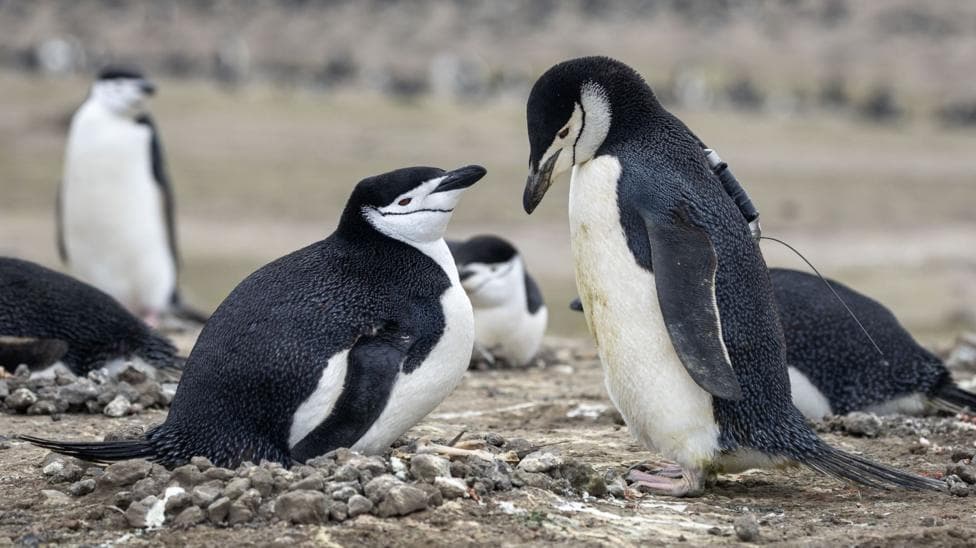
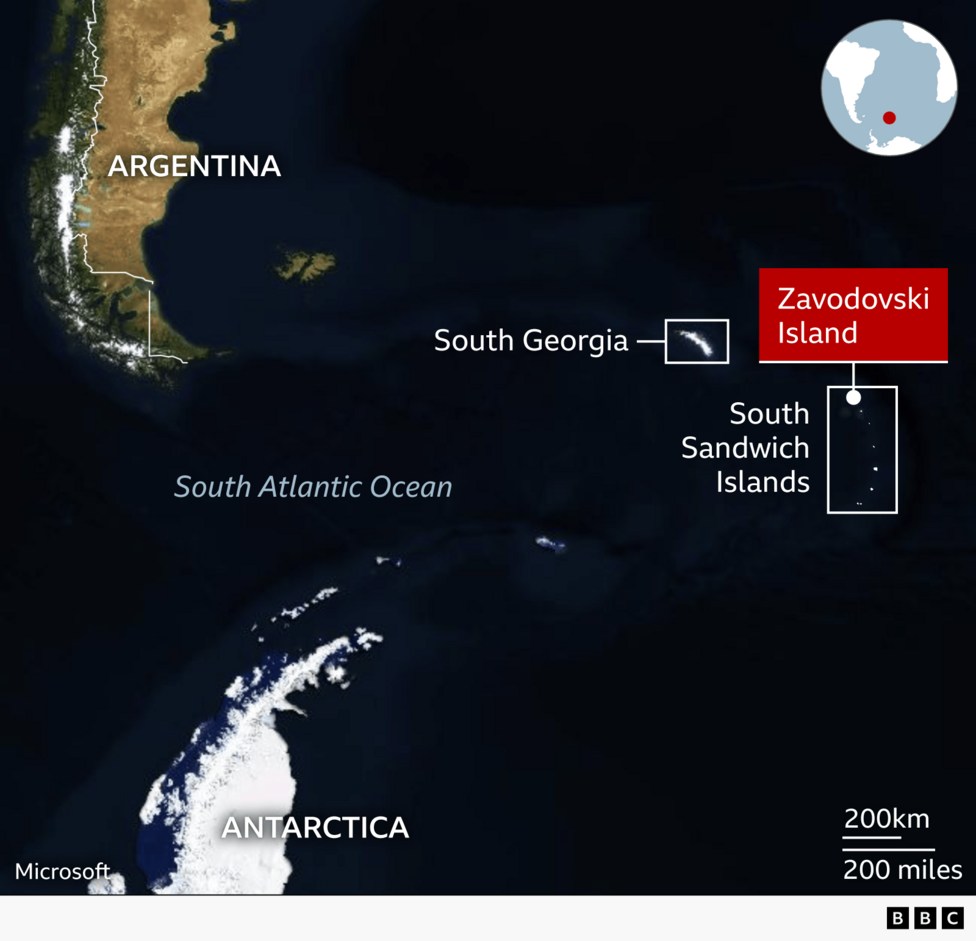
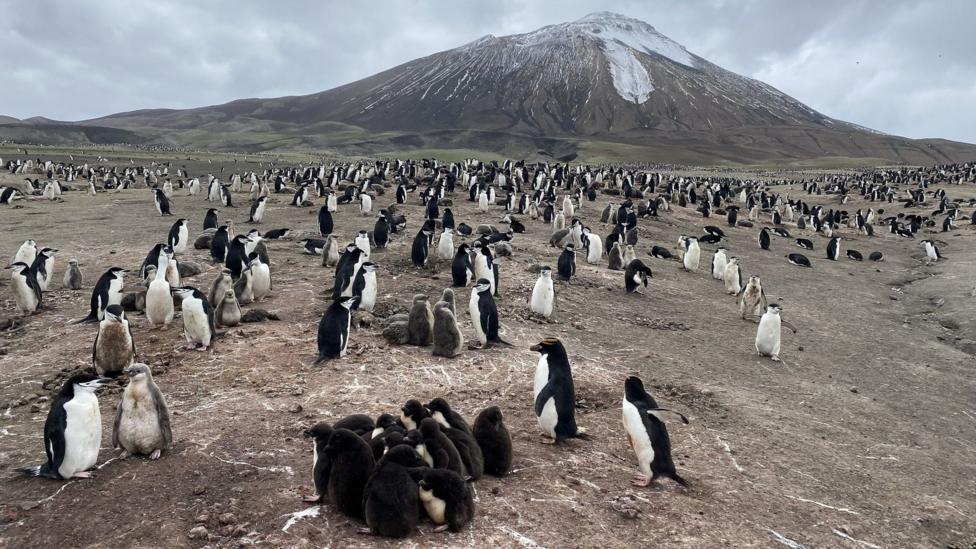
Almost two-thirds of the chinstrap penguin population has vanished from Zavodovski Island, a remote volcanic landmass in the South Sandwich Islands near Antarctica, according to aerial surveys conducted by researchers. The island, which held the distinction of hosting the world's largest penguin colony in 2011 with approximately 600,000 chinstrap penguins, has experienced a dramatic reversal in its status as a penguin stronghold. Between 2011 and 2025, the number of occupied chinstrap penguin nests fell by 63%, marking what scientists describe as an "alarming" decline driven primarily by climate change and shifting ocean food supplies.
Zavodovski Island forms part of the South Sandwich Islands, a remote archipelago north of the Antarctic continent and a UK overseas territory. The British Antarctic Survey (BAS), which led the research effort, describes the location as "one of the most extreme places in the world to undertake fieldwork." A BAS team spent 15 days sailing to reach the island, where they deployed drones, aerial photography, and tracking devices fitted to 20 birds to monitor the penguin populations and their behaviour.
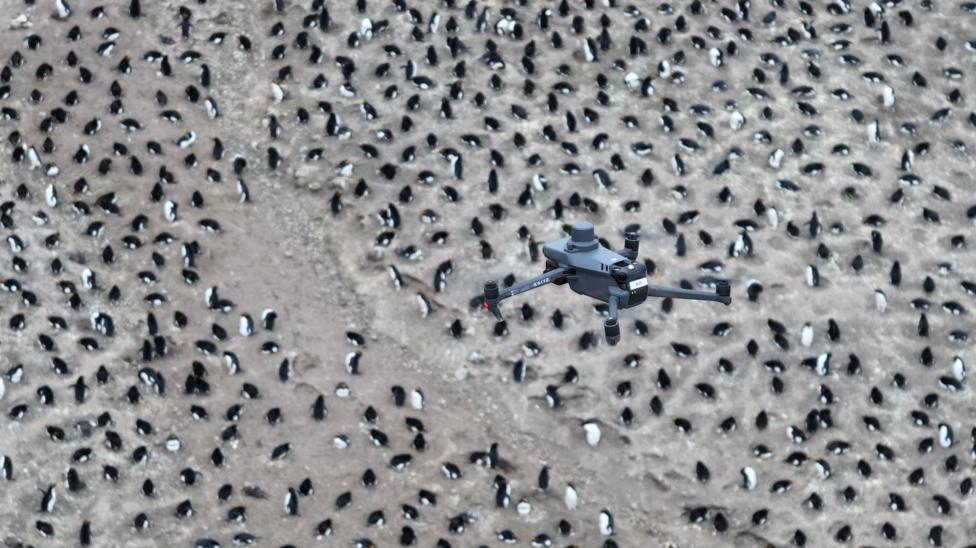
The research reveals a striking ecological shift on the island. While chinstrap penguins have declined sharply, macaroni penguins—another species nesting on Zavodovski—have thrived. According to a British Antarctic Survey project report published in 2026, macaroni numbers rose 2.5-fold since 2011, with the two species' populations now reversed from their earlier proportions. In 2011, the island supported roughly 600,000 chinstrap and 90,000 macaroni penguins; by 2024, estimates showed 194,350 chinstrap breeding pairs and 220,730 macaroni pairs. This transformation represents what researchers call the "biggest change in community composition ever observed at a single location in Antarctica."
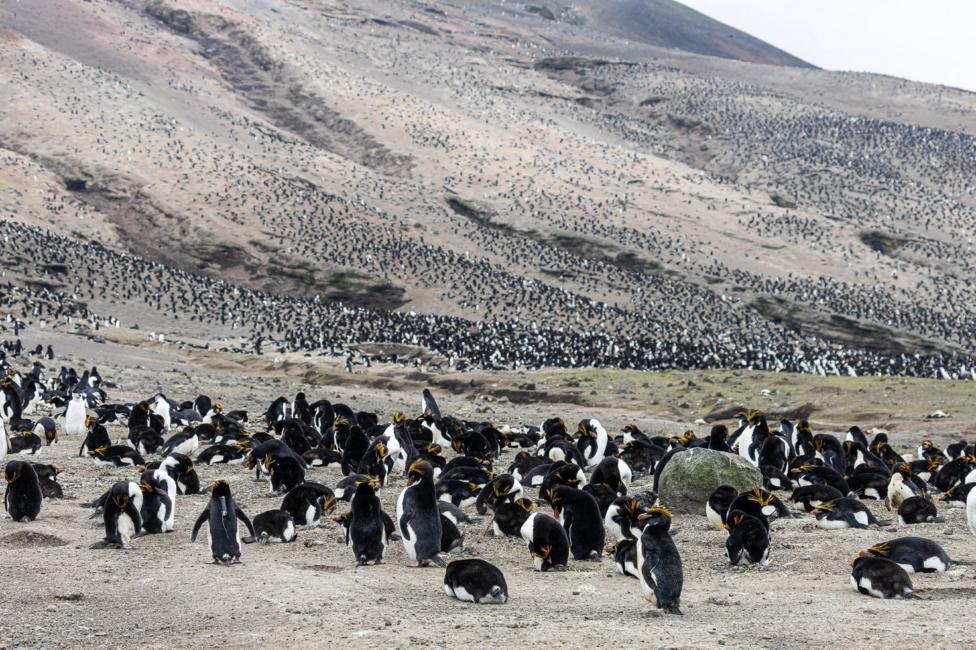
The decline of chinstrap penguins follows a consistent pattern. The project report estimates the chinstrap decline at 3.76% per year, with satellite imagery showing the area occupied by penguin colonies shrinking from 99.5 hectares in 2011 to 29.9 hectares in 2025. This steady, ongoing decline has occurred despite the island's active volcano, Mount Curry (also known as Mount Asphyxia), which last erupted in 2016—suggesting that volcanic activity is not the primary driver of the population loss.
Why are chinstrap penguins disappearing?
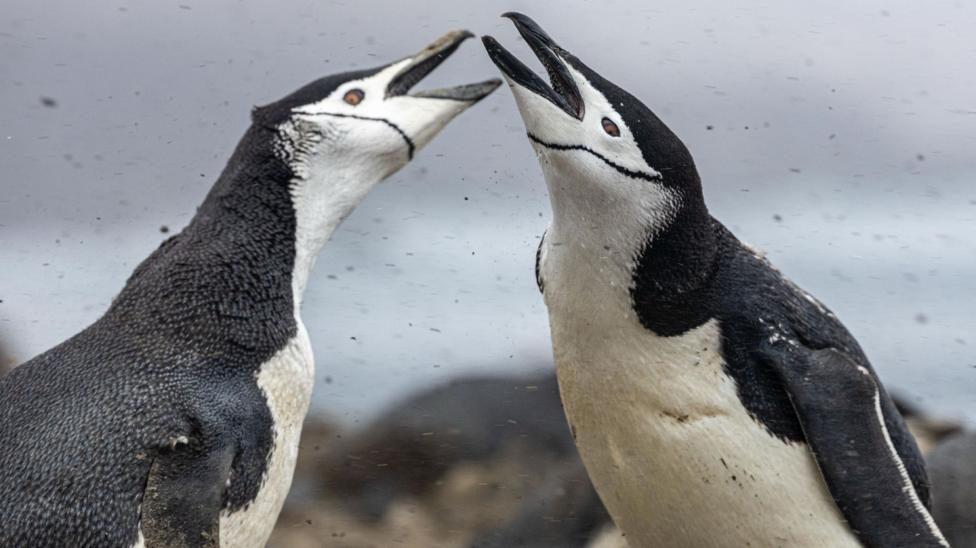
Climate change and its effects on ocean food supplies lie at the heart of the chinstrap decline. Prof Norman Ratcliffe, who led the research, explained that the chinstraps' reliance on a narrow diet of krill has made them vulnerable to environmental shifts.
"With waters warming, the krill [that the chinstrap penguins eat] have moved southwards. Sea-ice cover to the south and a lack of suitable islands for nesting prevents chinstraps from following the food,"he said. As ocean temperatures rise, krill populations have migrated to cooler southern waters, but the geography of the Antarctic region—with its sea-ice barriers and limited nesting habitat—prevents the penguins from pursuing their food source.
The contrast with macaroni penguins underscores the importance of dietary flexibility. Macaroni penguins possess a broader, more adaptable diet that allows them to thrive in changing conditions. Tracking data from the study showed that macaronis forage in warmer waters to the northeast of the island, where they supplement their krill intake with fish and other crustaceans. This dietary versatility has enabled them to adapt to the warming ocean environment that has devastated their chinstrap neighbours.
Researchers also investigated other potential threats to the chinstrap population. Competition for krill from migrating humpback whales was considered, but scientists concluded that while humpbacks consume vast quantities of krill, they also enhance krill production by fertilising marine plants that krill feed on through their nutrient-rich waste. The evidence points instead to a fundamental, climate-driven shift in ocean food supplies as the primary cause of the chinstrap decline.
What does this mean for penguin conservation?
The transformation of Zavodovski Island reflects broader changes unfolding across Antarctic ecosystems.
"Our data shows that the cold-adapted Antarctic chinstrap species are no longer thriving beside their sub-Antarctic neighbours. It is further evidence of how rapid warming in the Antarctic is impacting unique and sensitive ecosystems,"Dr Ratcliffe said. The findings align with wider concerns about seabird populations in polar regions. Similar pressures have affected other penguin species: scientists have warned that shrinking Antarctic sea ice threatens Emperor penguins during their annual moult, while puffin numbers at the Isle of May have fallen by 30% in two years due to extreme weather and declining sand eel populations caused by warming seas.
The chinstrap penguin's conservation status may soon reflect its precarious situation. Although BirdLife International's species assessment currently lists chinstrap penguins as Least Concern, the rapid declines observed at Zavodovski and other colonies suggest that this classification may need revision. The island held approximately one-third of the global chinstrap population in 2011, making its collapse particularly significant. The project report suggests that if the observed regional rate of decline were applied over three generations, it would imply a global decline of about 35%—a threshold that could trigger a change in conservation status.
What happens next?
The loss of Zavodovski's status as the world's largest penguin colony has passed to Cape Adare in the Ross Sea, located more than 5,000 kilometres away on the opposite side of the Antarctic continent. However, researchers emphasise that further investigation is needed to fully understand the chinstrap decline. Tracking data indicate that Zavodovski chinstraps migrate east to winter south of Africa, a region undergoing rapid warming, and the project report says further investigation is needed to establish when and where the impacts driving the decline occur. Scientists have not yet specified a date for follow-up fieldwork or the next comprehensive survey of the island's penguin populations.
The research, published in the journal Current Biology, represents one of the most comprehensive studies of a major penguin colony in recent years. It provides stark evidence of how rapidly Antarctic ecosystems are responding to climate change, and serves as a warning about the vulnerability of species dependent on stable ocean conditions and reliable food sources.