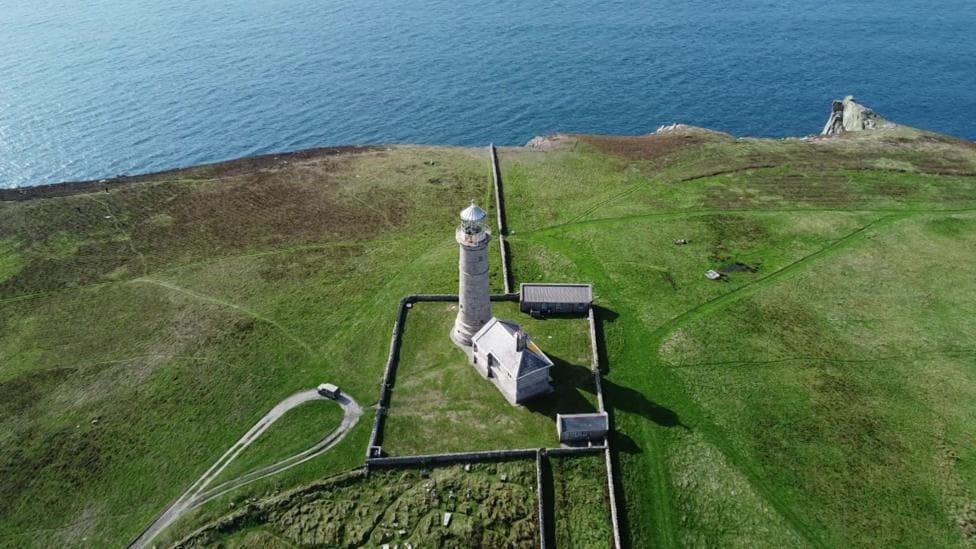
Lundy Island, a 5-kilometre-long expanse in the Bristol Channel off the north Devon coast, stands on the brink of evacuation as water reserves plummet to record lows following the driest conditions in living memory. The National Trust-owned island, celebrated for its puffin colonies and dramatic granite landscape, has been forced to pump water from wildlife ponds as a measure of last resort, with residents and managers warning that closure could become unavoidable without imminent rainfall.
The island's 28 permanent residents and seasonal visitors depend entirely on rainwater collection and boreholes drilled into the granite bedrock. Since April, the island has received virtually no meaningful precipitation, falling dramatically short of the typical 1.5 metres of annual rainfall expected by this stage of the year. Reservoir levels sank to just 13% capacity at their lowest point, triggering emergency water shipments from the mainland and prompting the implementation of severe conservation measures across the island's accommodation and facilities.
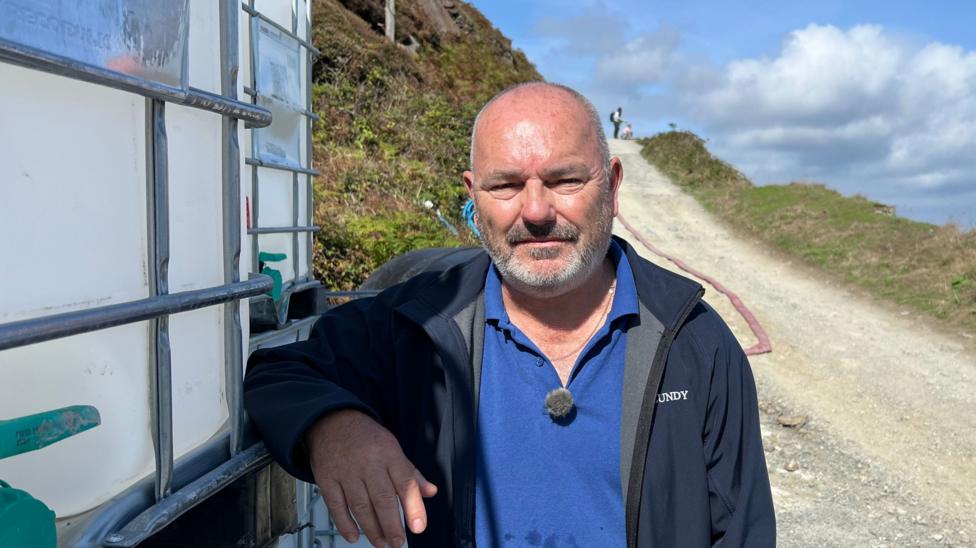
Derek Green, the island's managing director, described the situation as unprecedented in his two decades of service since 2004.
"Bringing in pond water is something we've never had to do before,"he explained.
"It's really our last chance saloon here. If we didn't do this, we would be facing the reality of closing Lundy... it would be devastating for us."The decision to extract water from ponds represents a dramatic escalation in the crisis, as these water bodies serve as critical habitats for the island's diverse wildlife.
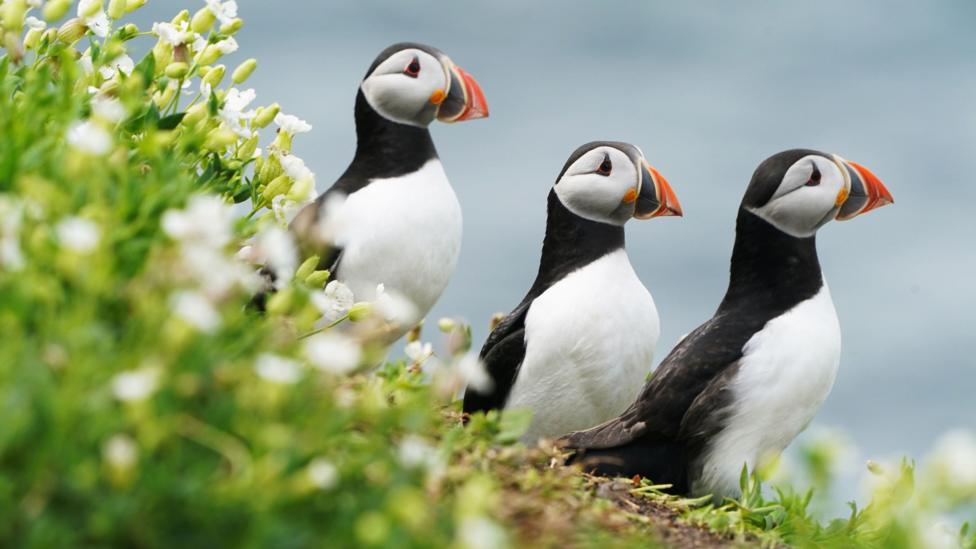
How has the island been coping with water shortages?
Emergency measures have transformed daily life on Lundy since August, when water shipments began arriving aboard the passenger ferry MS Oldenberg from north Devon. The initial delivery transported approximately 67,000 litres at a cost of around £7,000, with subsequent shipments of 4,000 litres occurring three times weekly. Island residents consume between 9,000 and 11,000 litres daily, creating an ongoing logistical challenge that has strained the island's limited infrastructure.
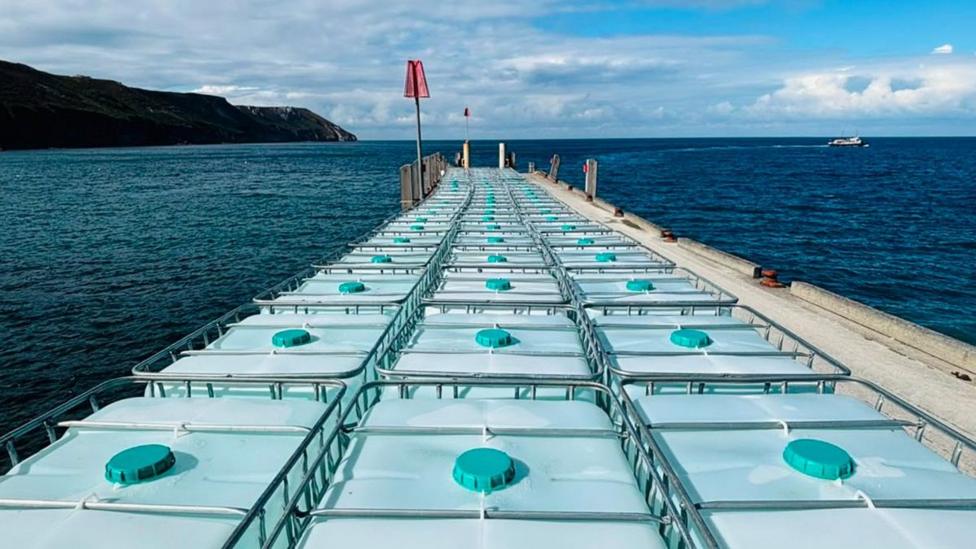
Water restrictions now govern both resident and visitor behaviour. The Tavern, the island's pub, has closed toilet facilities and removed bath plugs to eliminate temptation for guests to use hot water.
"We can't have baths... all the plugs have been removed to resist temptation,"said Matt Scantlebury, the island manager.
"People are showering with buckets to catch the water and then using that to flush the toilets and that's saving water."Visitors have been redirected to outdoor toilet facilities not connected to the mains supply, which staff now fill manually from pond water.

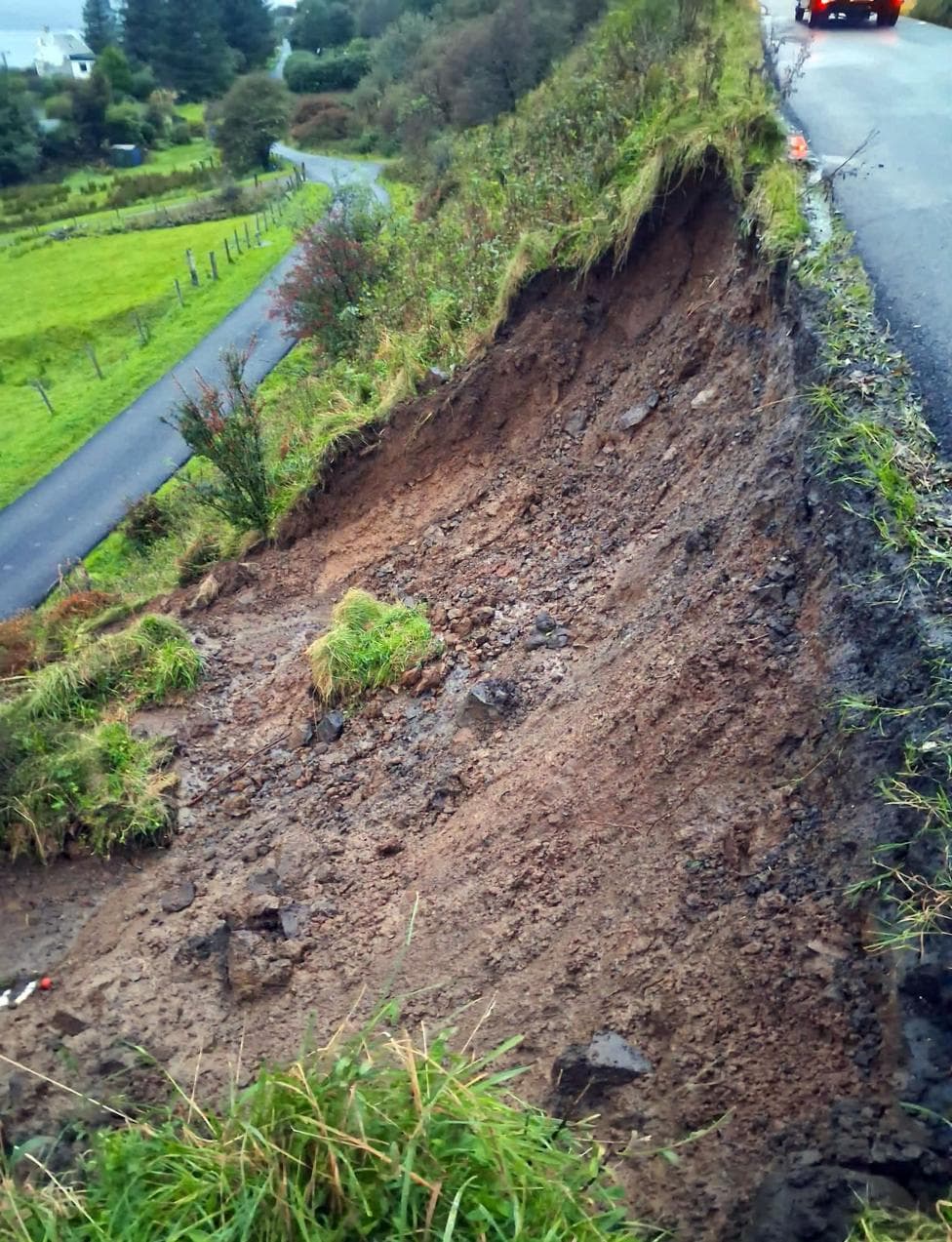
The physical geography of Lundy has compounded these difficulties. A landslip in June severed part of the granite track leading to the village perched 400 feet above sea level, forcing workers to employ a fire hose to pump water past the damaged section to a staging tank higher up the slope.
"We have to offload the tanks off the ship and we have to bring them up to a staging post halfway up the hill. We then have to pump water with a fire hose past the vulnerable part of the road to another tank where it's then staged pumped to the reservoir at the top."
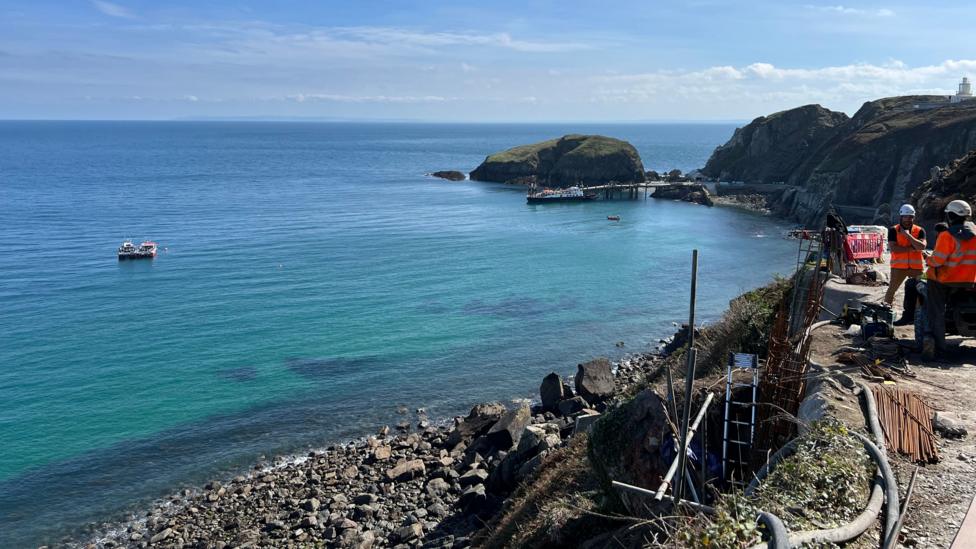
Scantlebury characterised the situation as
"a logistical nightmare"that has tested the island's small fleet of vehicles—three 4x4s, tractors, quadbikes and a fire engine—to their limits. The use of pond water has yielded modest improvements, raising reservoir levels to 23.7% capacity, but this reprieve remains fragile as pond levels themselves have begun to decline.
What is driving this unprecedented crisis?
The 2026 drought represents an extreme weather event following a pattern of climatic volatility. Record rainfall in late winter had filled reservoirs by March, but the subsequent spring and summer proved exceptionally hot and dry. No significant rainfall has fallen since April, delivering only about 20% of the expected precipitation by this point in the year. A meteorologist from a national broadcaster indicated that even if rain arrives soon, it would require weeks to replenish the groundwater and reservoir systems upon which the island depends.
Green has observed that water shortages on Lundy have become increasingly frequent. In September of the previous year, reservoir levels dropped to 33%, prompting serious consideration of closure at that time. He attributes this trend to climate change, which he notes manifests with particular intensity on the island.
"Forecasters are predicting it will be even warmer next year,"he said.
"We've got to learn from this and be better prepared next year in terms of increasing the reservoir here."
Historical records underscore the vulnerability of Lundy's water systems. During the 2022 drought, watercourses and ponds across the island dried completely, with only three ponds—Rocket Pole Pond, Pondsbury and Quarry Pond—retaining water. A 2023 assessment identified water availability as the island's most pressing challenge, noting that options to increase groundwater supplies are limited and recommending grey-water recycling as a potential adaptation strategy.
Tara McEvoy-Wilding, an assistant warden, reflected on the broader implications of the crisis.
"This year feels like the real first year people have been noticing climate change,"she observed, pointing to the
"brown, sad and crispy"vegetation as a visible reminder of the severity of conditions.
"For Lundy, it's going to be a challenge going forward. We're going to have to be extra mindful and plan further in advance to maintain our water security."

What improvements have been made to water infrastructure?
Despite the current emergency, the island has undertaken significant upgrades to its water systems. The Landmark Trust, which manages the island, upgraded the water-treatment plant earlier in 2026, enabling the facility to process rainwater more efficiently and eliminating the island's previous reliance on importing 32,000 plastic bottles of water annually from the mainland. This investment, however, has proven insufficient to address the scale of the current drought.
What would closure mean for the island?
The prospect of evacuation carries profound consequences for Lundy's community and economy. The island operates a working farm whose animals require daily water supplies, maintains holiday accommodation that generates essential revenue, and hosts The Tavern pub. Green emphasised the unprecedented nature of such a closure.
"To evacuate those animals, those people and to cancel all those holidays is something that has never happened in the history of Lundy before. It would be hugely significant... we're on the cusp of having to make that decision."
Scantlebury expressed concern about the trajectory ahead, warning that without substantial autumn and winter rainfall, maintaining water reserves at acceptable levels would prove extremely difficult.
"It's a trend we have to watch out for,"he cautioned. The seasonal passenger ferry that has been delivering emergency water supplies is scheduled to cease operations later in the month, removing a critical lifeline unless rainfall arrives to replenish reserves.
What happens if rain does not arrive?
Green faces an ominous timeline. Pond levels are declining, the ferry service is ending, and reservoir capacity remains critically low.
"I never ever thought we would have to take water from our ponds but this is the position we find ourselves in,"he reflected.
"We're in real jeopardy right now unless it rains very, very soon."When precipitation does return, he stressed, it must be substantial and sustained to restore the island's water security and prevent the first closure in Lundy's modern history.
The island's crisis encapsulates broader challenges facing water-stressed regions across the United Kingdom, where changing precipitation patterns and record temperatures are forcing communities to rethink resource management and long-term planning in an era of climate volatility.